
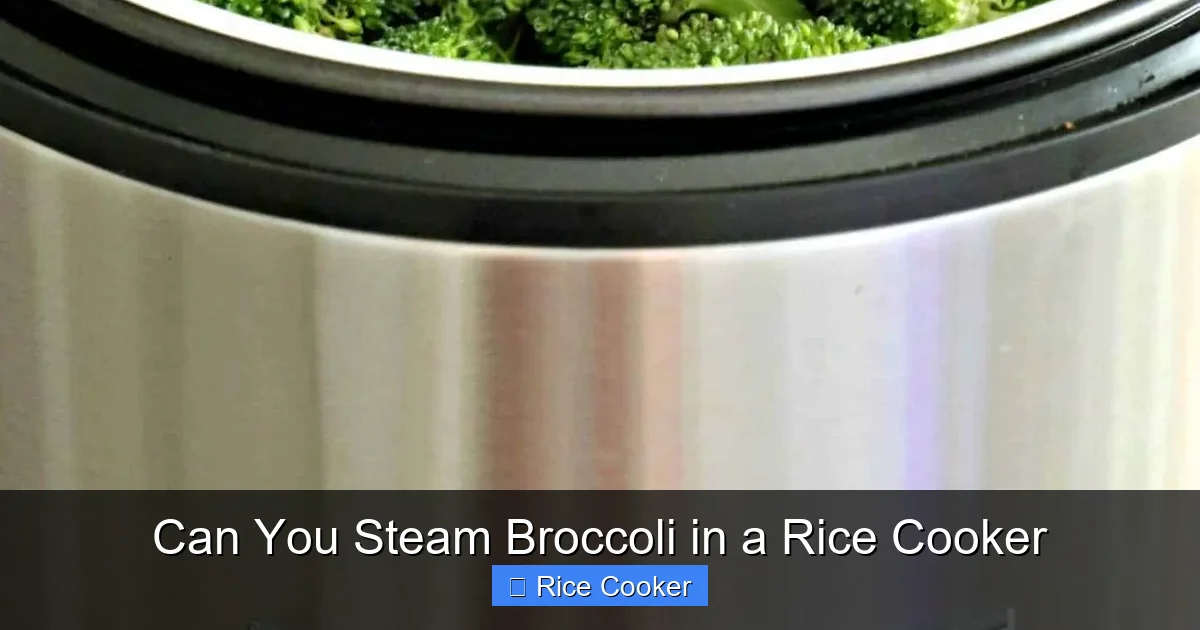
Steaming broccoli in a rice cooker is not only possible but also surprisingly effective. With just water and a little timing, you can cook nutritious, vibrant green florets without any special equipment. This method saves time, preserves flavor and color, and works great for busy weeknights.
Key Takeaways
- Yes, you can steam broccoli in a rice cooker: It’s a convenient and efficient way to cook this nutritious vegetable with minimal effort.
- Proper water level is key: Use just enough water to create steam—usually about ½ to 1 inch—so the rice cooker functions correctly.
- Cooking time matters: Broccoli typically takes 8–12 minutes to reach the perfect tender-crisp texture when steamed in a rice cooker.
- Nutrients are preserved: Steaming helps retain vitamins like C and K better than boiling or microwaving.
- Easy cleanup and storage: Cooked broccoli keeps well in the fridge for up to 5 days and freezes beautifully for future meals.
- Great for meal prep: Batch-steaming broccoli makes it simple to add to stir-fries, salads, or grain bowls throughout the week.
Quick Answers to Common Questions
Can I steam broccoli in any type of rice cooker?
Yes, most standard rice cookers work well for steaming broccoli, whether they have a built-in steamer basket or not. Models with a “steam” setting are ideal, but even basic ones can handle it with proper water control.
How long does it take to steam broccoli in a rice cooker?
Most broccoli takes 8–12 minutes to steam in a rice cooker. For a crisp-tender texture, aim for 8–10 minutes. Check frequently after 8 minutes to avoid overcooking.
Do I need a steamer basket?
No, not necessarily. Many rice cookers come with one, but if yours doesn’t, you can place the broccoli directly on the bottom of the pot—just make sure it’s not touching the water.
Can I add other vegetables while steaming broccoli?
Yes! Just adjust the cooking time based on the vegetables. Larger or denser veggies like carrots may need extra time. Layer them carefully to ensure even steaming.
Is steamed broccoli in a rice cooker safe to eat?
Absolutely. As long as you follow basic hygiene practices—like washing the broccoli and cleaning the rice cooker—steamed broccoli is completely safe and nutritious.
📑 Table of Contents
- Can You Steam Broccoli in a Rice Cooker?
- Why Choose a Rice Cooker for Steaming Broccoli?
- How to Steam Broccoli in a Rice Cooker: Step-by-Step Guide
- Tips for Perfectly Steamed Broccoli Every Time
- Common Mistakes to Avoid
- Can You Use Other Vegetables?
- Health Benefits of Steamed Broccoli
- Comparing Steaming Methods
- Final Thoughts: Is It Worth It?
Can You Steam Broccoli in a Rice Cooker?
Have you ever found yourself standing at the stove, staring into your rice cooker, wondering if there’s more to it than just cooking grains? The answer is a resounding yes—especially when it comes to steaming vegetables like broccoli. Not only is it possible to steam broccoli in a rice cooker, but it’s one of the easiest, most efficient ways to cook this superfood with minimal effort and maximum nutrition.
If you’re tired of overcooked, mushy broccoli or the hassle of using a separate steamer basket, this kitchen hack might be your new best friend. A rice cooker turns out to be a versatile, all-in-one appliance that can do so much more than make rice. From steaming fish to reheating leftovers, its ability to generate consistent heat and steam makes it ideal for delicate vegetables like broccoli. Plus, it frees up your stovetop for other tasks, which is a win-win in any busy kitchen.
Why Choose a Rice Cooker for Steaming Broccoli?
You might be thinking, “But does it really work?” Absolutely. Steaming broccoli in a rice cooker offers several advantages over traditional methods like boiling or microwaving. For starters, steaming locks in color, flavor, and vital nutrients. When you boil broccoli, a lot of water-soluble vitamins—like vitamin C and folate—can leach into the water. But with steaming, those nutrients stay put inside the vegetable.
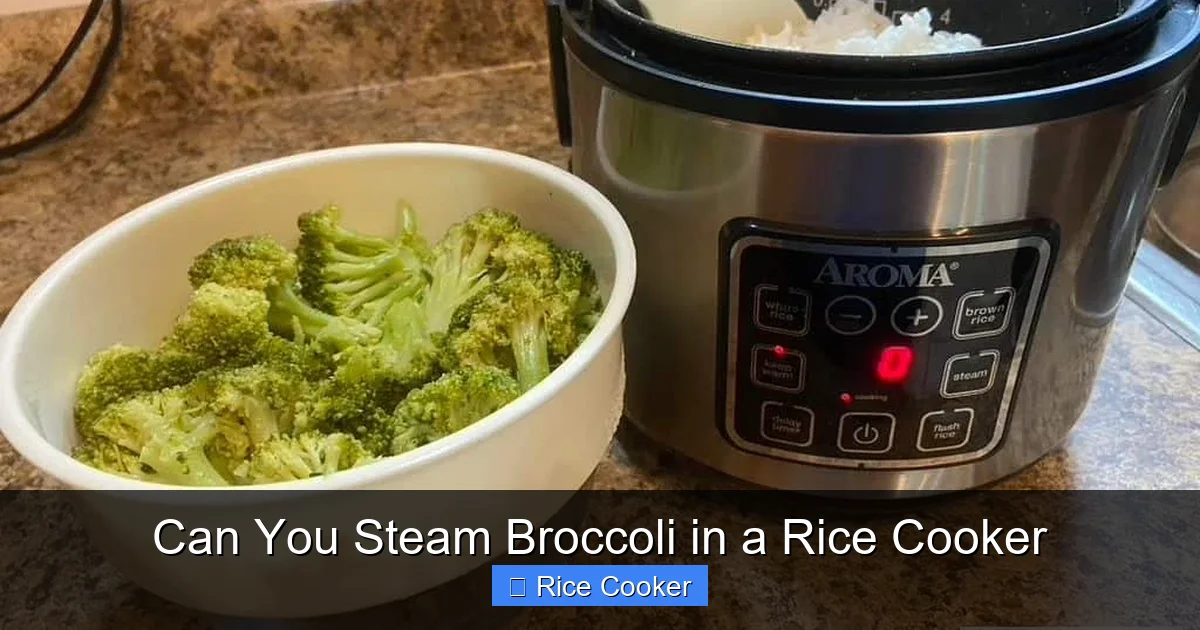
Visual guide about Can You Steam Broccoli in a Rice Cooker
Image source: stretchrecipes.com
The Science Behind Steaming
Steaming uses hot vapor instead of direct contact with boiling water, which means less nutrient loss. The gentle heat softens the cell walls of the broccoli just enough to make it tender, but not so much that it becomes soggy or loses its bright green hue. This method also helps preserve the crunch, which many people prefer over soft, overcooked veggies.
Saves Time and Energy
Using a rice cooker eliminates the need for constant monitoring on the stovetop. Once you set it up, you can walk away and let the appliance do the work. Most modern rice cookers have a keep-warm function, so your broccoli stays at the perfect temperature until you’re ready to serve. And since they use less energy than running a pot of boiling water, you’re also doing something good for the environment.
Minimal Cleanup
Unlike boiling, where you end up with a pot of water to dump and scrub, steaming in a rice cooker leaves behind just a small amount of water and a clean inner pot. Some models even have non-stick coatings, making cleanup a breeze. No splattered pans or stuck-on food—just rinse and go.
How to Steam Broccoli in a Rice Cooker: Step-by-Step Guide
Ready to give it a try? Here’s how to steam broccoli in your rice cooker like a pro. Don’t worry—it’s simpler than it sounds!
Visual guide about Can You Steam Broccoli in a Rice Cooker
Image source: southernkissed.com
What You’ll Need
- Fresh or frozen broccoli florets
- Clean rice cooker with a removable inner pot
- Measuring cup or spoon
- Tongs or spatula (optional)
- Knife and cutting board (if starting with whole heads)
Step 1: Prepare the Broccoli
Start by washing your broccoli thoroughly under cold running water to remove any dirt or pesticides. Cut the large florets into bite-sized pieces—about 1 to 2 inches wide. If you’re using frozen broccoli, thaw it first by placing it in a colander and rinsing with warm water. Excess moisture can affect the steaming process, so pat it dry gently with a paper towel if needed.
Step 2: Add Water to the Rice Cooker
This is the most important step. Pour about ½ to 1 inch of water into the bottom of the rice cooker’s inner pot. Too much water can cause the rice cooker to think it’s trying to cook rice, while too little won’t generate enough steam. The goal is just enough to create a consistent vapor that will cook the broccoli without touching the bottom directly.
Step 3: Arrange the Broccoli
Place the broccoli florets in a single layer in the steamer basket or directly on the bottom of the pot (if your model doesn’t have a basket). Try to avoid overcrowding—this ensures even cooking and better steam circulation. If you don’t have a built-in steamer basket, you can improvise with a heat-safe bowl placed upside down, creating a makeshift rack.
Step 4: Start the Steaming Process
Close the lid and turn on the rice cooker. Most standard models will automatically switch to “warm” after cooking, but since broccoli doesn’t need to be fully cooked like rice, you may want to monitor the time. Set a timer for 8–12 minutes, depending on how tender you like your broccoli. For a crisp-tender texture, aim for 8–10 minutes. For softer, more cooked results, go for 12 minutes.
Step 5: Check and Serve
After the timer goes off, carefully open the lid (watch out for steam!) and check the texture. The broccoli should be bright green and easily pierced with a fork but still hold its shape. If it needs more time, close the lid and steam for another 1–2 minutes. Once done, transfer the florets to a plate, season with salt, pepper, or garlic powder, and enjoy!
Tips for Perfectly Steamed Broccoli Every Time
Even though steaming broccoli in a rice cooker is straightforward, a few small adjustments can make a big difference in taste and texture. Here are some expert tips to help you get it just right.
Use Fresh, Crisp Broccoli
Fresh broccoli has better texture and flavor than older or limp florets. Look for ones that are firm, bright green, and free of yellowing or wilting. Organic varieties are a great choice if you’re concerned about pesticide residues, as they tend to be cleaner and tastier.
Don’t Overload the Pot
Overcrowding the rice cooker prevents steam from circulating properly, leading to uneven cooking. Always leave space between florets. If you’re cooking a large batch, consider doing it in two smaller portions rather than one crowded load.
Season After Cooking
It’s best to add salt and spices after steaming. Adding salt before cooking draws out moisture, which can make the broccoli soggy. Instead, toss your steamed florets with olive oil, lemon juice, or a sprinkle of Parmesan cheese for extra flavor.
Try Different Seasonings
Once you master basic steamed broccoli, get creative! Sprinkle with everything bagel seasoning, chili flakes, or a drizzle of balsamic glaze. You can even toss it with sesame oil and soy sauce for an Asian-inspired side dish.
Store Leftovers Properly
Let cooled broccoli cool completely before storing in an airtight container in the refrigerator. It stays fresh for up to 5 days. For longer storage, freeze it in freezer bags for up to 3 months. Just thaw and reheat when ready to use.
Common Mistakes to Avoid
While the process is simple, there are a few common pitfalls that can ruin your broccoli. Being aware of these will help you avoid frustration and ensure success every time.
Adding Too Much Water
Too much water can flood the rice cooker, causing it to shut off early or behave unpredictably. Stick to the ½ to 1-inch rule. If your rice cooker has a “steam” setting, use that—but still monitor the water level closely.
Not Draining Frozen Broccoli
Frozen broccoli contains a lot of ice crystals. If you don’t drain or dry it before steaming, the extra moisture can dilute the steam and extend cooking time unnecessarily. Always rinse and pat dry frozen florets before adding them to the cooker.
Ignoring the Keep-Warm Function
Many people unplug their rice cooker immediately after steaming, but leaving it on “warm” keeps the broccoli at serving temperature. This is especially useful if you’re cooking multiple dishes or prepping for a family meal.
Cutting Too Small
While uniform pieces cook evenly, cutting the florets too tiny can result in mushy, overcooked broccoli. Aim for sizes that fit comfortably in your mouth and maintain structure during cooking.
Can You Use Other Vegetables?
Absolutely! While we’re focusing on broccoli, a rice cooker is excellent for steaming a variety of vegetables. Carrots, cauliflower, green beans, zucchini, and asparagus all respond well to this method. Each vegetable has its own ideal cooking time, so adjust accordingly. For example, carrots take longer than broccoli—around 12–15 minutes—while asparagus only needs 6–8 minutes.
Meal Prep Hack: Steam a Whole Batch
If you’re meal prepping for the week, consider steaming a large quantity of mixed vegetables at once. Layer different veggies in the pot, add water, and cook them together. Then divide into containers and store in the fridge or freezer. This saves time and ensures you always have healthy sides ready.
Health Benefits of Steamed Broccoli
Broccoli isn’t just tasty—it’s packed with nutrients that support overall health. Steaming helps preserve these benefits, making it one of the best ways to eat this superfood.
- Rich in Vitamin C: Supports immune function and skin health.
- High in Fiber: Aids digestion and helps maintain healthy cholesterol levels.
- Contains Antioxidants: Such as sulforaphane, which has anti-inflammatory properties.
- Good Source of Folate: Important for cell repair and pregnancy health.
- Low in Calories: Only about 25 calories per cup, making it perfect for weight management.
By choosing steaming over boiling or frying, you’re maximizing the nutritional payoff. The gentle heat breaks down cell walls just enough to release nutrients without destroying them.
Comparing Steaming Methods
Let’s break down how steaming broccoli in a rice cooker stacks up against other popular methods.
| Method | Time | Nutrient Retention | Effort | Cleanup |
|---|---|---|---|---|
| Rice Cooker | 8–12 min | Excellent | Very Low | Very Easy |
| Stovetop Steamer | 8–12 min | Excellent | Medium | Medium |
| Microwave | 4–6 min | Good | Low | Easy |
| Boiling | 5–7 min | Poor (nutrients lost) | Low | Easy |
As you can see, the rice cooker offers a sweet spot between convenience and nutrition. While the microwave is faster, it can lead to uneven cooking and texture issues. Boiling sacrifices too many nutrients, and a stovetop steamer requires more attention and cleanup.
Final Thoughts: Is It Worth It?
So, can you steam broccoli in a rice cooker? Yes—and now you know why it’s worth doing. This method combines speed, simplicity, and superior nutrition into one easy process. Whether you’re meal prepping, cooking for picky eaters, or just looking to simplify your routine, this technique fits seamlessly into any lifestyle.
One of the best things about using a rice cooker for steaming is that it opens up a world of possibilities beyond just grains. From eggs to dumplings to entire meals, this humble appliance is quietly becoming a kitchen powerhouse. And when it comes to broccoli, you’ll never look back once you’ve tried it this way.
Next time you’re reaching for the broccoli, skip the boiling pan. Grab your rice cooker, add a splash of water, and let science (and deliciousness) do the rest.
Frequently Asked Questions
Can you steam broccoli in a rice cooker without a steamer basket?
Yes, you can. Place the broccoli directly in the inner pot, ensuring it doesn’t sit in the water. Use just enough water to create steam, and cover tightly while cooking.
How much water should I use?
Use about ½ to 1 inch of water in the bottom of the rice cooker. This creates enough steam without flooding the appliance or affecting its function.
Will the rice cooker know it’s not cooking rice?
It doesn’t matter. Most rice cookers don’t distinguish between rice and other foods—they simply heat until the water evaporates and the sensor detects dryness. Just monitor the time and texture.
Can I reheat leftover broccoli in the rice cooker?
Yes. Place the broccoli in a small dish with a splash of water, cover, and set the rice cooker to “warm” or reheat mode for 2–3 minutes until heated through.
Does steaming broccoli in a rice cooker change its flavor?
No—steaming preserves the natural flavor of broccoli better than boiling. It remains mild, fresh, and slightly sweet, perfect for pairing with sauces or seasonings.
Can I freeze steamed broccoli made in a rice cooker?
Yes. Let it cool completely, then store in airtight freezer bags. Label with the date and use within 3 months. Thaw in the fridge before reheating.