
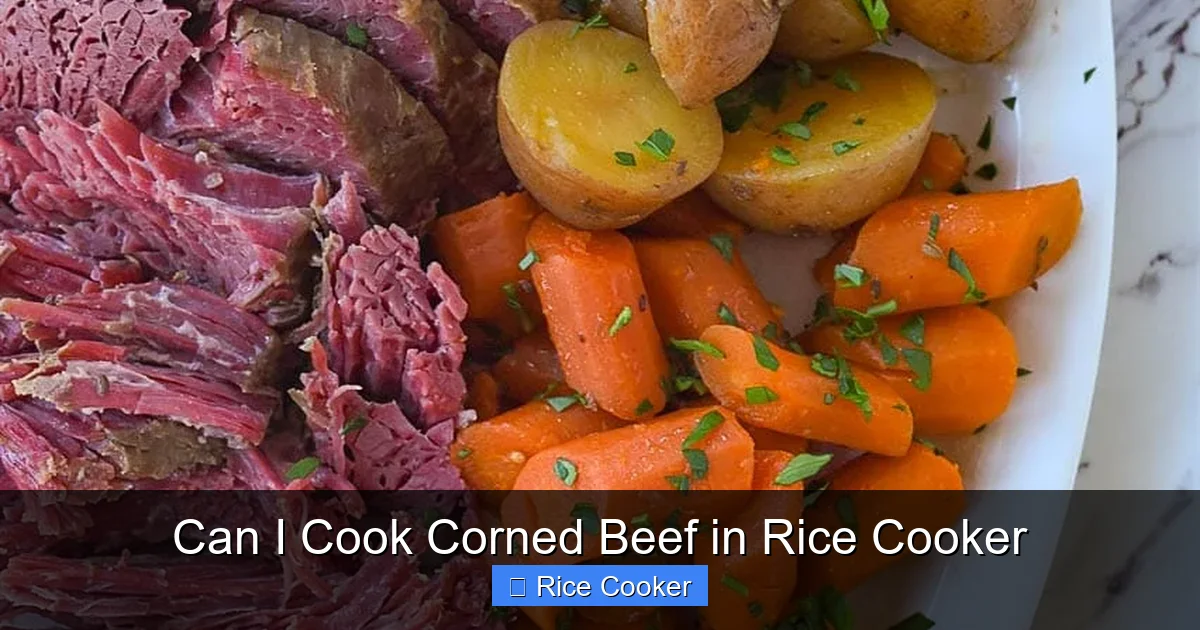
Can you cook corned beef in a rice cooker? Absolutely—this convenient method delivers juicy, fall-apart meat with minimal effort. A rice cooker simplifies the process, turning tough cuts into melt-in-your-mouth meals without constant monitoring or extra equipment.
Have you ever stood over a hot stove, stirring a pot of boiling liquid while worrying about burning dinner or forgetting to add something? Or maybe you’re short on time and just want a simple, foolproof way to prepare corned beef without babysitting a pot all afternoon? If so, you’ll love this kitchen hack: cooking corned beef in a rice cooker.
At first glance, pairing a humble appliance designed for grains with a savory brisket might seem odd. But trust us—once you try it, you’ll wonder why more people aren’t doing it. The rice cooker’s sealed environment, precise temperature control, and automated shut-off make it an ideal candidate for transforming tough, salty corned beef into something tender, flavorful, and incredibly easy.
Whether you’re prepping for St. Patrick’s Day, meal-prepping for the week, or simply craving a comfort food classic without the hassle, this guide walks you through everything you need to know. From choosing the right cut to timing your cook, enhancing flavors, and even repurposing leftovers, we’ve got you covered.
Key Takeaways
- Yes, it’s possible: A rice cooker can tenderize corned beef effectively by cooking it slowly and evenly.
- Preparation matters: Soaking, seasoning, and adding liquid are essential steps for optimal flavor and texture.
- Time varies: Cooking times range from 60–120 minutes depending on cut size, water level, and desired tenderness.
- Flavor enhancement: Adding aromatics like onions, carrots, and spices boosts taste beyond the brine alone.
- Safety first: Use high-quality corned beef brisket and follow food safety guidelines to avoid spoilage.
- Versatility: Leftover corned beef makes excellent sandwiches, hash, or reuben dishes.
- Equipment tip: Non-stick or ceramic rice cookers work best; avoid aluminum pots if using acidic ingredients long-term.
📑 Table of Contents
- Why Use a Rice Cooker for Corned Beef?
- Choosing the Right Corned Beef
- Step-by-Step: How to Cook Corned Beef in a Rice Cooker
- Flavor Enhancements Beyond the Spice Packet
- What About Leftovers? Repurpose Like a Pro
- Common Mistakes to Avoid
- Comparing Methods: Rice Cooker vs. Traditional Stovetop
- Troubleshooting Common Issues
- Final Thoughts: Embrace the Convenience
Why Use a Rice Cooker for Corned Beef?
Traditional recipes often call for simmering corned beef in water or broth for hours—sometimes wrapped in foil, sometimes uncovered. While effective, this method requires active supervision, constant attention to heat levels, and cleanup afterward. A rice cooker changes the game by automating much of the process.
When you place your corned beef in the inner pot with enough liquid and set the timer, the machine does the rest. It maintains a steady simmer, prevents scorching (thanks to its non-stick surface), and stops automatically when done—no more watching the clock or adjusting burners.
Plus, because the lid is sealed, moisture stays inside, ensuring the meat remains juicy instead of drying out. This is especially helpful with leaner cuts that can easily become tough if overcooked.
Another advantage? Minimal mess. Once you’re done, just rinse the pot and toss out the water. No scrubbing sticky pots or dealing with splatters on your stovetop.
The Science Behind It
Corned beef gets its name from being cured with salt (“corn” refers to coarse salt). The curing process breaks down muscle fibers, but the meat still needs long, gentle heat to fully soften connective tissue like collagen—which turns into gelatin when cooked slowly.
Rice cookers operate at temperatures between 185°F and 200°F (85°C–93°C), perfect for breaking down collagen without evaporating all the moisture. That means your brisket stays moist while becoming fork-tender.
Also, since most modern models have a “keep warm” function after cooking completes, you can hold the meat at serving temperature until guests arrive—ideal for parties or holiday dinners.
Choosing the Right Corned Beef
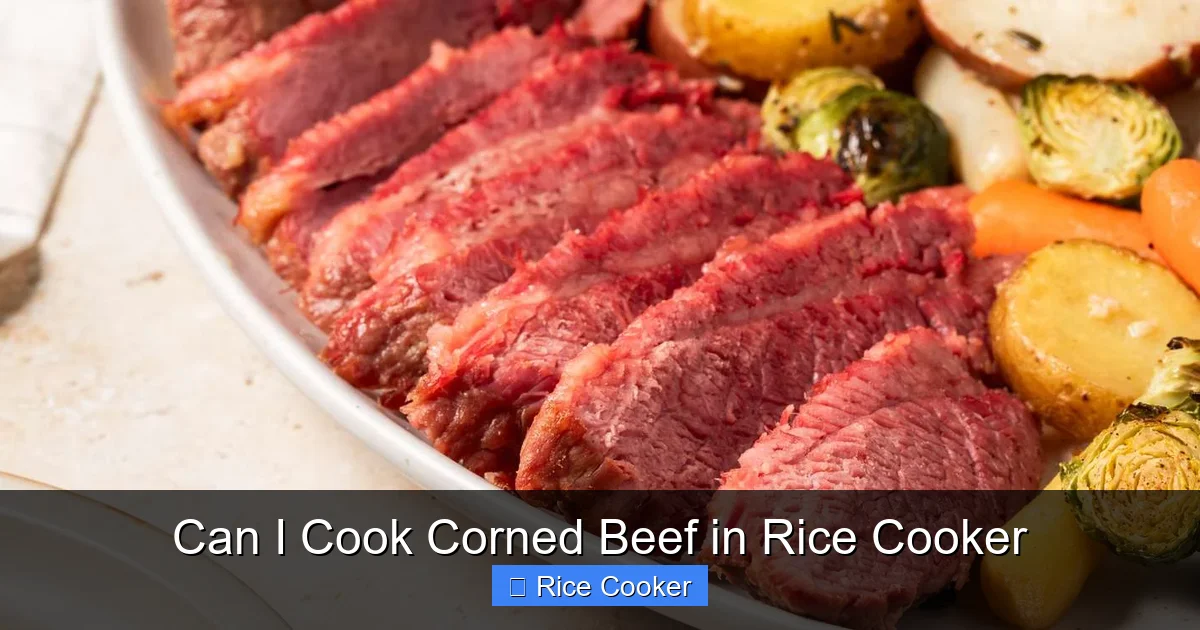
Visual guide about Can I Cook Corned Beef in Rice Cooker
Image source: allrecipes.com
Not every corned beef brisket is created equal. To get the best results in your rice cooker, pay close attention to quality and preparation.
Look for fresh, high-quality brisket sold in vacuum-sealed packages. Avoid those with visible mold, off odors, or excessive slime—those are signs of spoilage. Most grocery stores carry pre-brined corned beef, but butcher shops or specialty markets may offer higher-grade options.
If your package includes the spice packet, set it aside for later use. Those tiny brown specks contain cloves, bay leaves, peppercorns, and other aromatic ingredients that deepen flavor during cooking.
Before placing the meat in the rice cooker, rinse it under cold water to remove excess salt. This step is crucial—overly salty meat will overwhelm the dish. Gently pat dry with paper towels before proceeding.
Some home cooks prefer to trim off excess fat for health reasons, but leaving a thin layer helps keep the meat moist during long cooking. Just don’t remove too much, or it could dry out.
Finally, if your brisket isn’t already tied, consider securing it with kitchen twine to maintain shape during cooking. This prevents it from falling apart prematurely.
Cut Size Matters
The size and thickness of your corned beef affect cooking time. Smaller pieces (about 2–3 pounds) typically take less time than larger ones (4+ pounds). A good rule of thumb:
– **2–3 lbs**: ~60–75 minutes
– **3–4 lbs**: ~75–90 minutes
– **Over 4 lbs**: Up to 120 minutes
Always check doneness toward the end of the cycle. You should be able to pierce the thickest part easily with a fork, and the internal temperature should reach at least 160°F (71°C).
Step-by-Step: How to Cook Corned Beef in a Rice Cooker
Ready to give it a try? Follow these simple steps for foolproof results every time.
**What You’ll Need:**
– 2–4 lbs fresh corned beef brisket
– Rice cooker with inner pot
– Water or broth (enough to cover half the meat)
– Optional vegetables (carrots, potatoes, cabbage)
– Kitchen twine (if needed)
– Meat thermometer
**Instructions:**
1. **Prepare the Meat:** Rinse brisket under cool running water. Pat dry thoroughly. Trim any large chunks of hard fat if desired.
2. **Add Liquid:** Pour 1–2 inches of water (or beef/chicken broth for added flavor) into the rice cooker pot.
3. **Place Brisket Inside:** Put the meat flat side down (fat side up) into the pot. Add the spice packet if included.
4. **(Optional) Add Veggies:** Toss in peeled carrots, quartered potatoes, or cabbage rounds for a complete meal.
5. **Close Lid & Set Timer:** Cover tightly and select either “Cook” or set a manual timer between 60–120 minutes based on size.
6. **Check Doneness:** After the cycle ends, open the lid carefully (steam will escape). Test with a fork or probe thermometer. If not tender enough, replace the lid and cook in 10-minute increments until done.
7. **Rest Before Slicing:** Remove meat from pot, let rest 10–15 minutes loosely covered with foil. This allows juices to redistribute.
Serve sliced against the grain for maximum tenderness. Pair with mustard, horseradish sauce, or classic Irish soda bread.
Pro Tips for Success
– **Don’t Overfill:** Leave room for expansion as the meat releases juices.
– **Use Broth Instead of Water:** Adds richness and prevents blandness.
– **Layer Vegetables Below:** Place them at the bottom so they don’t float away.
– **Avoid Opening Too Often:** Frequent lid lifting causes temperature drops and prolongs cooking.
– **Save Cooking Liquid:** Strain and reduce slightly as gravy base.
Flavor Enhancements Beyond the Spice Packet
While the built-in spice packet gives a decent kick, you can elevate your corned beef significantly by adding extra aromatics.
Try tossing in:
– 1 large onion, halved
– 2–3 garlic cloves, smashed
– 2–3 bay leaves
– Fresh thyme or rosemary sprigs
– Whole black peppercorns
These ingredients infuse the liquid with earthy sweetness and herbal notes, making each bite richer.
For a touch of acidity that balances the saltiness, squeeze fresh lemon juice into the pot during the last 15 minutes of cooking. Alternatively, stir in a splash of apple cider vinegar before serving.
If you enjoy heat, add a pinch of red pepper flakes or diced jalapeño when you put the meat in.
Remember: Less is more here. Too many strong flavors can mask the natural taste of the brisket itself.
Cooking with Alcohol (Optional)
Some traditional recipes call for a splash of beer, stout, or whiskey during cooking. While alcohol burns off completely during high-heat cooking, it contributes subtle complexity before evaporation.
If you’d like to try this, pour ½ cup of dark beer or bourbon into the rice cooker along with the water. The result is deeply savory meat with a hint of smokiness.
However, omit alcohol if serving children or avoiding it entirely.
What About Leftovers? Repurpose Like a Pro
One of the best things about slow-cooked meats is how versatile leftovers are. Instead of reheating and eating cold slices, transform them into new dishes.
Here are some crowd-pleasing ideas:
– **Reuben Sandwiches:** Shred or slice corned beef, top with sauerkraut, Swiss cheese, and Thousand Island dressing on rye bread. Toast until bubbly.
– **Hash:** Dice leftover meat with onions, potatoes, and bell peppers. Pan-fry until crispy, then serve scrambled egg-style over toast.
– **Salads:** Mix shredded beef with greens, apples, pickles, and vinaigrette for a hearty lunch.
– **Pasta Fillings:** Fold into macaroni or lasagna for unexpected depth of flavor.
– **Breakfast Burritos:** Wrap in tortillas with eggs, cheese, and salsa for a protein-packed morning meal.
Store cooled leftovers in airtight containers for up to 4 days in the fridge or freeze for up to 3 months.
Common Mistakes to Avoid
Even with the simplest recipe, a few slip-ups can ruin your corned beef—especially when adapting a stove-top method to a closed system like a rice cooker.
**Mistake #1: Not Rinsing the Meat**
Skipping this step leads to overly salty results. Always rinse thoroughly before cooking.
**Mistake #2: Using Too Little Liquid**
Without enough water, the rice cooker can’t generate steam properly, risking dry meat or even damage to the heating element. Aim for at least 1 inch of liquid covering half the meat.
**Mistake #3: Overcooking**
Even though rice cookers stop automatically, prolonged cycles can make meat rubbery. Check frequently near the end.
**Mistake #4: Ignoring Resting Time**
Slicing immediately after cooking squeezes out precious juices. Always rest briefly before cutting.
**Mistake #5: Skipping the Spice Packet**
Those little packets are there for a reason—don’t discard them unless you’re customizing heavily.
By steering clear of these pitfalls, you’ll enjoy consistently delicious corned beef every single time.
Cleaning Your Rice Cooker After Cooking Meat
Meat-based residues can leave strong smells and sticky buildup if not cleaned promptly. Here’s how to handle it:
1. Let the pot cool completely.
2. Discard cooking liquid and rinse with hot water.
3. Wash with warm, soapy water and a soft sponge. Avoid abrasive scrubbers that scratch non-stick coatings.
4. For stubborn bits, soak in warm water with baking soda for 15–20 minutes before wiping.
5. Dry thoroughly before storing.
Never submerge electrical components in water. Only wash the removable inner pot.
With proper care, your rice cooker will remain safe and functional for years—even after repeated meat cooks.
Comparing Methods: Rice Cooker vs. Traditional Stovetop
You might be wondering: Is cooking corned beef in a rice cooker really better than the old-fashioned way?
Let’s compare both approaches side by side.
| Feature | Rice Cooker Method | Stovetop Method |
|———————–|—————————-|—————————|
| Hands-on time | Minimal | High |
| Cleanup | Easy | Moderate to difficult |
| Temperature control | Automatic | Manual |
| Risk of drying out | Low | Medium to high |
| Flavor development | Good (with aromatics) | Excellent |
| Suitability for large batches | Yes (up to 5 lbs) | Limited by pot size |
The stovetop method allows deeper browning and Maillard reaction (that searing effect), which adds complexity. But if you prioritize convenience and consistency over ultra-rich crustiness, the rice cooker wins hands down.
Many home cooks use both techniques—searing the meat first on the stovetop, then finishing it in the rice cooker. That combo gives you the best of both worlds!
When to Choose Each Method
– **Pick the rice cooker if:**
– You’re short on time
– Want consistent results
– Are cooking for a crowd
– Prefer minimal cleanup
– **Stick with stovetop if:**
– You crave a deep, caramelized exterior
– Have limited kitchen tools (e.g., no rice cooker)
– Enjoy active cooking as part of the process
Ultimately, both methods produce edible, tasty corned beef—so choose what fits your lifestyle.
Troubleshooting Common Issues
Even experienced cooks run into hiccups now and then. Here’s how to fix typical problems.
**Problem: Meat is too salty**
Solution: Rinse well before cooking. Also, soaking the meat in cold water for 30–60 minutes reduces saltiness further.
**Problem: Meat doesn’t soften enough**
Solution: Ensure adequate liquid coverage and cook longer in 10-minute increments. Thicker cuts need more time.
**Problem: Rice cooker won’t turn on after meat cooking**
Solution: Some models have sensors that detect liquid levels. If the pot dries out slightly during cooking, it may shut off prematurely. Add more water and reset.
**Problem: Steam escapes from the lid**
Solution: Make sure the lid seals tightly. Wipe away any residue around the rim before closing.
**Problem: Off smell or slimy texture**
Solution: Discard immediately—this indicates spoilage. Always check expiration dates and storage conditions.
By staying alert to these signs, you’ll catch issues early and keep your meals safe and delicious.
Final Thoughts: Embrace the Convenience
Cooking corned beef in a rice cooker isn’t just a clever trick—it’s a smart upgrade to your kitchen routine. It removes stress from meal prep, saves time, and delivers reliably tender results without special skills or fancy equipment.
Whether you’re celebrating a holiday, feeding a family, or just craving something comforting, this method proves that great food doesn’t require complicated steps. Sometimes, simplicity is where the magic happens.
So go ahead—grab that brisket, fill your rice cooker with water and love (and maybe some onions), press start, and enjoy the aroma filling your home. In less than two hours, you’ll have a masterpiece waiting to be sliced, served, and savored.
And who knows? You might just discover that your rice cooker has become your new favorite kitchen companion—not just for rice, but for so much more.
Frequently Asked Questions
Can I cook corned beef directly in a rice cooker without adding liquid?
No, you must add at least 1–2 inches of water or broth. Without liquid, the rice cooker cannot generate steam, and the meat will dry out or the appliance may overheat.
How long does it take to cook corned beef in a rice cooker?
It usually takes 60–120 minutes depending on the size of the brisket. A 3-pound cut typically needs about 75–90 minutes. Always check doneness toward the end of the cycle.
Do I need to sear the corned beef before putting it in the rice cooker?
Not necessarily. While searing adds flavor, it’s optional. If you want a deeper crust, brown the meat quickly in a skillet before transferring it to the rice cooker.
Can I cook vegetables like potatoes and cabbage together with the corned beef?
Yes! Add root vegetables (like carrots and potatoes) at the beginning and leafy greens (like cabbage) during the last 20–30 minutes to prevent overcooking.
Is it safe to reuse the cooking liquid from the rice cooker?
Only if it’s been boiled and handled safely. Strain the liquid, reduce it slightly, and refrigerate within 2 hours. Use within 3–4 days or freeze for future gravy.
Can I cook frozen corned beef in a rice cooker?
It’s not recommended. Frozen meat takes much longer to cook through and increases the risk of uneven heating. Always thaw completely before cooking.