

Can you use chicken broth in a rice cooker? Absolutely! Using chicken broth instead of water is a simple way to boost flavor and nutrition in your rice. Whether you’re cooking white rice, brown rice, or even quinoa, broth adds depth and aroma while keeping things hands-off. In this guide, we’ll walk you through everything—from basic ratios to advanced tips—so your rice turns out tender, flavorful, and restaurant-quality every time.
Key Takeaways
- Chicken broth enhances flavor: It adds savory richness that plain water can’t match, especially when cooking rice.
- Use 1:1 ratio: For most grains, substitute broth for water at equal volumes (e.g., 1 cup broth = 1 cup water).
- Try different broth types: Use store-bought low-sodium broth, homemade stock, or even bone broth for extra nutrients.
- Adjust seasoning: Since broth is already salted, taste before adding salt during cooking.
- Perfect for whole grains: Broth works especially well with brown rice, wild rice, and farro due to their longer cook times.
- Safety tip: Always check labels to ensure broth contains no harmful additives or excess sodium.
- Experiment with recipes: Try chicken broth rice bowls, risotto, or even steamed vegetables cooked alongside your rice.
Quick Answers to Common Questions
Can I use chicken broth instead of water in any type of rice?
Yes, chicken broth can replace water in virtually all rice varieties—white, brown, wild, arborio, and even gluten-free options like quinoa or millet. Just maintain the standard liquid-to-rice ratio for each grain.
Is there a difference between using broth and water in terms of cooking time?
Generally, no. Most rice cookers use the same timer regardless of liquid type. However, slightly hotter broth might speed up absorption a tiny bit, but this effect is negligible.
Do I need to adjust salt if my broth is already salty?
Absolutely. Always taste your finished rice before deciding whether to add salt. Unsalted or low-sodium broths allow full control over seasoning, while salty broths may require reducing or omitting added salt entirely.
Can I use frozen or refrigerated broth straight from the fridge?
It’s fine, but letting it warm to room temperature slightly improves consistency and ensures even heat distribution during cooking.
Will using broth affect the texture of my rice?
Not significantly. Texture depends mostly on rice type, liquid ratio, and cooking method. Broth may make rice slightly softer due to added minerals, but it won’t alter core characteristics like stickiness or grain separation.
📑 Table of Contents
Why Use Chicken Broth Instead of Water?
Cooking rice is one of the simplest tasks in the kitchen—just add water, rice, and press start. But what if you could make it tastier? That’s where chicken broth comes in. While water does the job of hydrating and softening grain kernels, chicken broth brings layers of flavor, aroma, and even subtle umami that transform plain rice into something special.
Think about it: when you simmer chicken bones to make stock, you extract collagen, minerals, and deep flavors from meat and marrow. Those same elements infuse your rice, giving each bite a gentle, savory background note. The result? Rice that doesn’t just fill you up—it satisfies your senses.
Beyond taste, using broth can also boost your meal’s nutritional profile. Homemade or high-quality store-bought broths often contain more vitamins and minerals than water. And because broth is typically lower in fat than cream-based sauces, it’s a lighter way to add richness without heaviness.
Whether you’re feeding a family or prepping a quick lunch, swapping water for broth is an easy upgrade. Plus, it reduces the need for extra seasonings later—because the rice itself is already flavorful.
How to Use Chicken Broth in Your Rice Cooker: Step-by-Step Guide
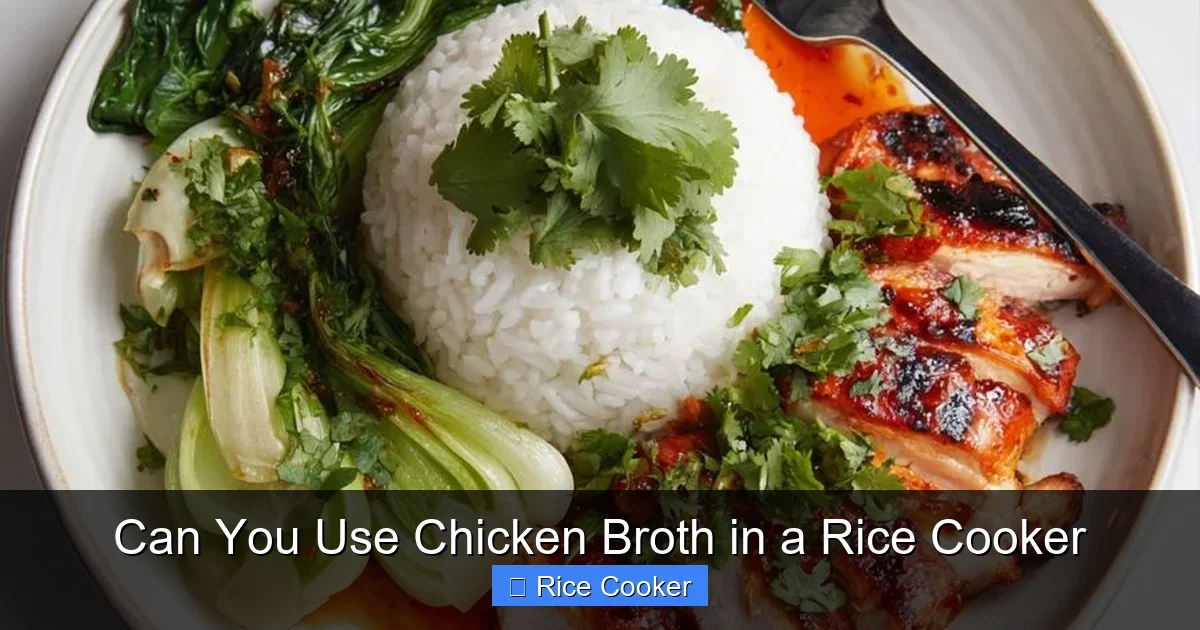
Visual guide about Can You Use Chicken Broth in a Rice Cooker
Image source: anywhererecipes.com
Using chicken broth in a rice cooker isn’t complicated—it’s almost as simple as using water. Here’s how to do it safely and effectively:
Gather Your Ingredients
Before you begin, make sure you have:
– 1 cup uncooked rice (white, brown, or specialty variety)
– 1 cup chicken broth (or slightly less if using very salty broth)
– Optional: ½ teaspoon salt (only if broth is unsalted or low-sodium)
– Optional: 1 tablespoon butter or oil (for added richness)
Measure Accurately
Most rice cookers come with a measuring cup specifically designed for rice. Use that cup to measure both your rice and your liquid—even though you’re using broth instead of water, the volume stays the same.
For example:
– 1 cup raw white rice = 1 cup broth + rice
– 1 cup raw brown rice = 1¼ cups broth + rice
Brown rice requires more liquid because it takes longer to absorb moisture. If you’re unsure, consult your rice cooker manual—many models have preset settings for different grains.
Add Everything to the Inner Pot
Rinse your rice briefly under cold water to remove excess starch (this prevents clumping), then drain. Place it in the inner pot of your rice cooker along with the chicken broth. Stir gently once to distribute the liquid evenly.
Close and Start
Secure the lid, select the appropriate setting (usually “White Rice” or “Brown Rice”), and press start. Most modern rice cookers will automatically switch to “Keep Warm” mode once cooking is complete.
Let It Rest
After the cycle ends, let the rice sit for 5–10 minutes with the lid closed. This allows steam to redistribute moisture evenly and makes fluffing easier.
Fluff and Serve
Use a fork to gently fluff the rice, breaking up any clumps. Taste a small amount—if it needs more salt, sprinkle a pinch over the top and stir lightly before serving.
Pro Tip: If you’re cooking multiple servings, double or triple the recipe and keep extra rice warm in the “Keep Warm” setting for up to 2 hours.
Best Types of Chicken Broth to Use
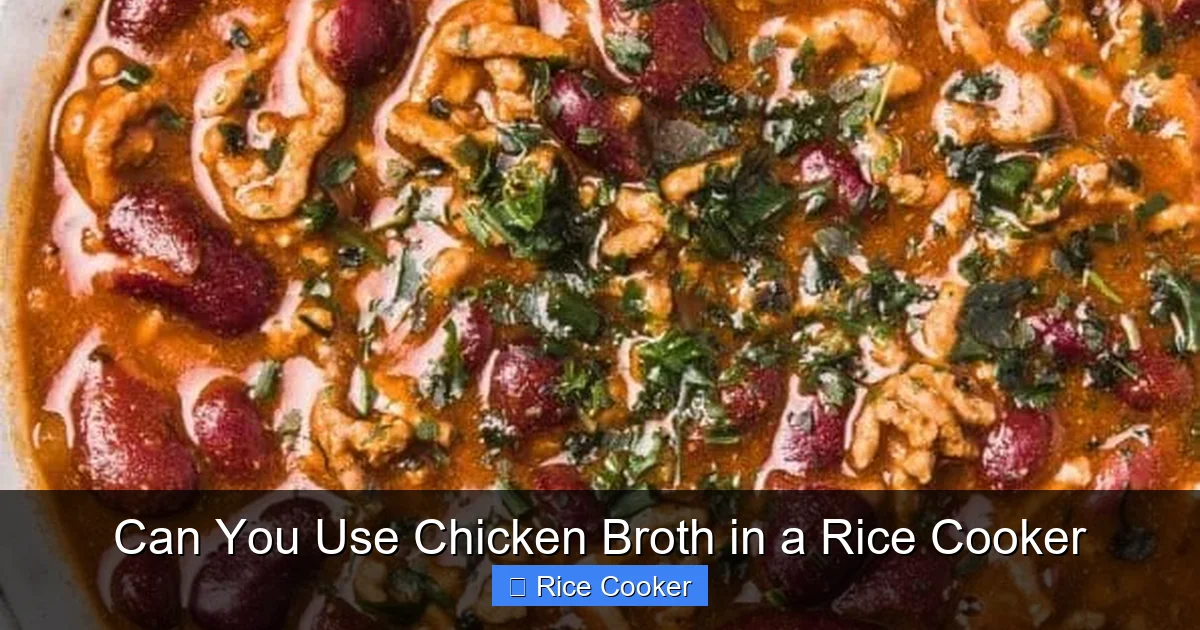
Visual guide about Can You Use Chicken Broth in a Rice Cooker
Image source: delishsides.com
Not all chicken broths are created equal—and choosing the right one can make or break your rice dish.
Store-Bought Low-Sodium Broth
This is a great everyday option. Look for brands that list “chicken” as the first ingredient and avoid those with long lists of additives. Low-sodium versions give you control over how much salt goes into your rice.
Homemade Chicken Stock
Making your own stock takes time, but it’s incredibly rewarding. Simmer chicken bones, onions, carrots, celery, and herbs for several hours. Strain, cool, and freeze in portions. Using homemade stock means zero preservatives and maximum flavor.
Bone Broth
Rich in collagen and amino acids, bone broth adds extra health benefits and a deeply savory taste. It’s perfect for soups, stews, and yes—rice. Just be aware it tends to be saltier than regular broth, so adjust accordingly.
Vegetable-Based Broth (with Chicken Flavor)
Some broths blend chicken with vegetables like mushrooms, leeks, and garlic. These offer complex flavors and are ideal if you want a vegetarian-friendly base that still tastes meaty.
Avoid using broth that contains large pieces of meat or vegetables—they won’t dissolve into the rice and may leave unwanted chunks.
Tips for Perfect Broth-Rice Every Time
Even the best ingredients can fall short without proper technique. Follow these tips to ensure consistently excellent results:
Don’t Overseason
Since broth is already seasoned, tasting your rice before adding salt is crucial. Too much salt can ruin an otherwise perfect dish.
Rinse White Rice (But Not Brown)
Rinsing removes surface starch from white rice, preventing stickiness. Brown rice, however, has a natural protective hull that should not be washed away.
Use Room-Temperature Broth
Cold broth can slow down the cooking process. Let it sit at room temperature for 15–20 minutes before adding it to the rice cooker.
Experiment with Aromatics
Add flavor during cooking by tossing in a bay leaf, a slice of onion, or a few cloves of garlic with your rice and broth. Remove them before serving unless you enjoy chewing on herbs!
Balance Flavors for Different Dishes
– For fried rice: Use leftover broth with a splash of soy sauce.
– For biryani or pilaf: Add spices like cumin, cinnamon, or turmeric directly to the broth.
– For sushi rice: Use seasoned rice vinegar mixed into the cooled broth-rice.
Store Leftovers Properly
Refrigerate cooked broth-rice within two hours. Reheat gently on the stove with a splash of water or broth to restore moisture.
Can You Use Other Broths or Liquids?
While chicken broth is our focus, many other liquids work wonderfully in rice cookers—each bringing unique qualities.
Vegetable Broth
Great for vegan or plant-based diets. It offers earthy, herbal notes that pair beautifully with grains like quinoa, barley, or wild rice.
Dashi (Japanese Broth)
Made from kombu seaweed and bonito flakes, dashi gives rice a clean, briny flavor. Ideal for sushi rice or miso-based dishes.
Coconut Milk
For a creamy, tropical twist, replace half the liquid with coconut milk. Works especially well with jasmine rice or Thai-style dishes.
Beef or Pork Broth
These richer broths add boldness to hearty grains like risotto oats or polenta. Just watch sodium levels.
Wine or Beer
Use sparingly—especially red wine in risottos—as alcohol evaporates during cooking but leaves behind flavor.
Remember: always maintain a 1:1 ratio between rice and liquid unless specified otherwise by recipe or grain type.
Troubleshooting Common Issues
Sometimes, even with the best intentions, things don’t go perfectly. Here’s how to fix common problems:
Rice Sticks Together
Caused by too little liquid, old rice, or insufficient rinsing. Solution: Rinse thoroughly, use correct liquid ratio, and avoid pressing down on rice during fluffing.
Rice Is Too Dry
Usually due to using too little liquid or opening the lid frequently during cooking. Next time, increase broth by 1–2 tablespoons and keep the lid sealed.
Rice Is Too Wet
Overcooked or excessive liquid. Drain off excess moisture after cooking and fluff carefully. Future batches should use slightly less broth.
Bland Taste
Likely from low-quality broth or insufficient seasoning. Upgrade your broth brand or add a pinch of salt, pepper, or herbs post-cooking.
Burnt Bottom Layer
Occurs when the inner pot isn’t clean or the heating plate has residue. Always wipe the pot and heating element before use.
Creative Recipes Using Chicken Broth and Rice Cooker
Want to take your broth-rice game to the next level? Try these tasty ideas:
Chicken & Herb Rice Bowl
Cook basmati rice with chicken broth, lemon zest, thyme, and a bay leaf. Top with roasted chicken, steamed broccoli, and a drizzle of tahini sauce.
Mexican-Style Yellow Rice
Sauté onions and garlic in a bit of oil before adding rice and broth. Cook until done, then fold in corn, peas, and a pinch of ground cumin and paprika.
Asian Fusion Fried Rice
Prepare day-old rice with chicken broth, soy sauce, green onions, and diced carrots. Stir-fry briefly in a pan after cooking for crispy edges.
Spanish Paella Base
Simmer rice, broth, saffron, and diced tomatoes in your rice cooker (in batches if needed). Finish with shrimp and peas for a full meal.
Breakfast Risotto
Use warm chicken broth instead of water. Add cooked sausage, spinach, and parmesan cheese toward the end for a comforting morning dish.
Each recipe leverages the rice cooker’s convenience while maximizing flavor through smart ingredient choices.
Frequently Asked Questions
Can you use chicken broth in a rice cooker?
Yes, chicken broth is an excellent substitute for water and enhances flavor and nutrition. Use it at equal volume to water for most grains.
Does using broth change how long rice cooks?
No, rice cookers typically follow the same timing schedule regardless of liquid type. Cooking duration depends on grain variety, not flavor content.
What if my broth is too salty for rice?
Reduce the amount of broth used or dilute with water. You can also balance it with sweet elements like a touch of sugar or honey when serving.
Can I mix broth with water?
Yes! Combining broth and water dilutes saltiness and allows customization. Try a 75% broth / 25% water blend for balanced flavor.
Is it okay to reuse leftover cooked broth-rice?
Yes, as long as it’s stored properly in the refrigerator for up to 4 days. Reheat with a splash of broth or water to restore moisture.
Can kids eat rice cooked with broth?
Yes, but choose low-sodium, no-additive broths for younger children. Avoid very spicy or heavily seasoned broths for toddlers.