
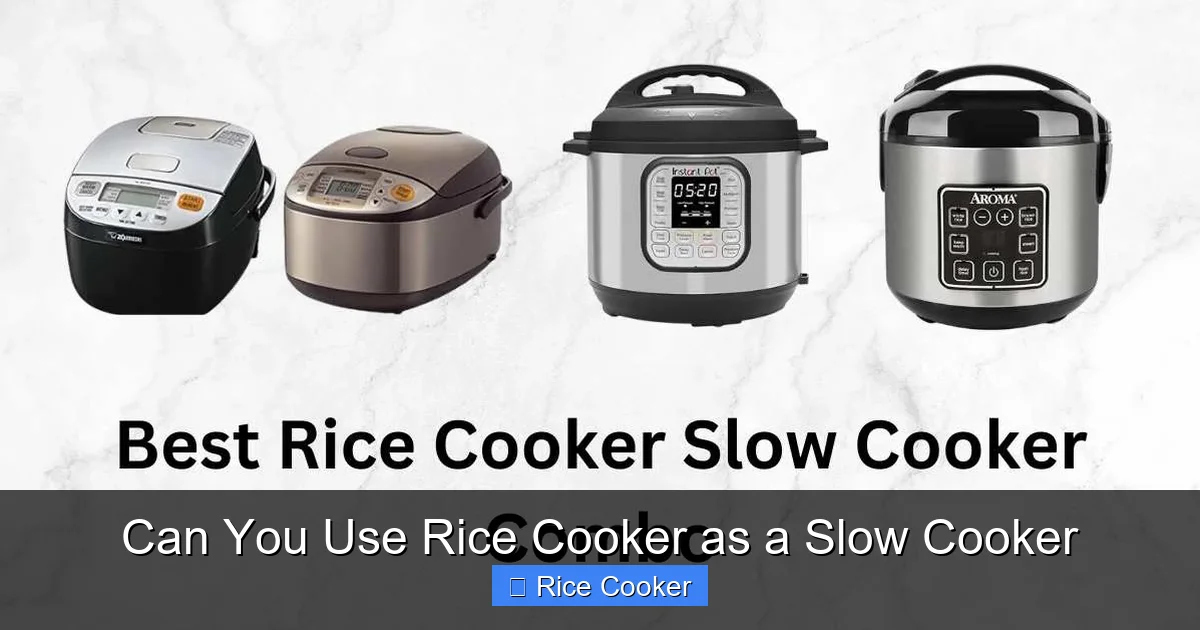
Can you use a rice cooker as a slow cooker? While not identical, many rice cookers have similar functions that allow you to slow-cook meals with some adjustments. Understanding the differences between these appliances is key to successful cooking. This article explores how to safely and effectively use your rice cooker for stews, soups, and more, helping you make the most of your kitchen tools.
Key Takeaways
- Differences in Design: Rice cookers and slow cookers have different heating mechanisms and timer systems, which affect their performance when used interchangeably.
- Safety First: Always monitor your cooking process when using a rice cooker as a slow cooker to prevent overheating or food safety issues.
- Cooking Times Vary: Slow-cooked dishes may take longer in a rice cooker, so adjust recipes accordingly and plan ahead.
- Versatility Matters: Some rice cookers offer multiple settings (like warm or keep-warm) that mimic slow cooking, making them more adaptable than others.
- Food Texture Differences: Because of the rapid boiling in rice cookers, foods may not develop the same depth of flavor as in a traditional slow cooker.
- Ideal Dishes: Soft-cooked grains, simple stews, and braised meats work best when using a rice cooker in place of a slow cooker.
- Upgrade Your Tools: If you frequently slow cook, consider investing in a dedicated slow cooker for better results and convenience.
Quick Answers to Common Questions
Can I cook a whole chicken in my rice cooker?
Yes, but not like in a slow cooker. You’ll need to brown it first, then add liquid and cook for 2–3 hours, checking frequently. Expect a firmer texture than slow-roasted chicken.
Do I need special ingredients to use my rice cooker as a slow cooker?
Nope! Regular ingredients work fine. Just be mindful of liquid amounts and cooking times, as rice cookers evaporate liquid faster than slow cookers.
Is it safe to leave food in a rice cooker for hours?
It’s okay to keep food warm using the “warm” setting, but don’t rely on it to continue cooking. Bacteria can grow if food stays above 140°F for too long without active heat.
What’s the biggest drawback of using a rice cooker instead of a slow cooker?
The main issue is temperature control. Rice cookers cycle between boiling and heating, which can lead to uneven cooking and less developed flavors compared to steady low heat.
Can I make yogurt in my rice cooker?
Some advanced rice cookers have a yogurt setting, but most don’t. You’d need to insulate the inner pot (with towels) and use the “warm” setting for fermentation—not ideal for beginners.
📑 Table of Contents
- Can You Use a Rice Cooker as a Slow Cooker? A Practical Guide
- Understanding Rice Cookers and Slow Cookers
- Can You Really Use a Rice Cooker as a Slow Cooker?
- Step-by-Step: How to Use Your Rice Cooker Like a Slow Cooker
- What Foods Work Best in a Rice Cooker-Slow Cooker Hybrid?
- Limitations and Potential Pitfalls
- Tips for Better Results When Using a Rice Cooker as a Slow Cooker
- When Should You Just Buy a Slow Cooker Instead?
- Creative Recipes You Can Make in Your Rice Cooker
- Final Thoughts: Is It Worth It?
Can You Use a Rice Cooker as a Slow Cooker? A Practical Guide
Have you ever looked at your rice cooker sitting in the kitchen and thought, “Hmm, what else could this do?” It’s one of those small kitchen gadgets that seems simple—just boil water, add rice, press a button. But what if you told you it might also double as a slow cooker? Sounds surprising, right? Let’s dive into whether you can actually use a rice cooker as a slow cooker and how to do it safely and effectively.
At first glance, rice cookers and slow cookers look nothing alike. One has a simple pot and a lid; the other usually looks like a crockpot with a rounded bowl. But both are designed to cook food slowly over time, just in different ways. The big question is: can they really do each other’s jobs? The short answer? Yes, but with caveats. In this article, we’ll break down how to use a rice cooker like a slow cooker, what to avoid, and when it’s worth the effort.
Understanding Rice Cookers and Slow Cookers
The Basics of Each Appliance
A rice cooker is a compact kitchen device specifically made to cook rice. Most modern models use an internal temperature sensor to detect when the water has absorbed all the rice grains and automatically switch from boiling to warming mode. This prevents scorching and ensures fluffy results every time.
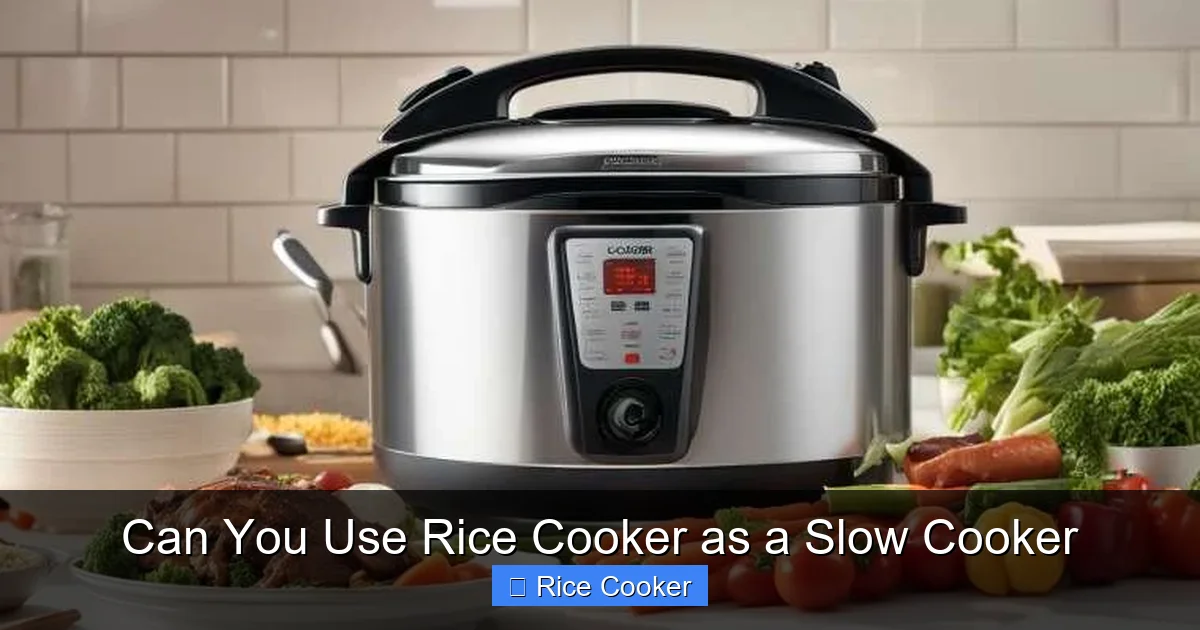
Visual guide about Can You Use Rice Cooker as a Slow Cooker
Image source: ricearray.org
On the other hand, a slow cooker is built for long, low-heat cooking. It uses a thick ceramic pot surrounded by a heating element that keeps temperatures steady between 170°F and 280°F. This gentle heat breaks down tough cuts of meat and allows flavors to meld beautifully over several hours.
How They Differ Technically
- Heating Method: Rice cookers often boil water quickly and then maintain high heat, while slow cookers rely on consistent low heat.
- Timer Functionality: Many rice cookers lack programmable timers, whereas most slow cookers let you set cooking times up to 24 hours.
- Heat Distribution: Slow cookers distribute heat evenly throughout the pot, while rice cookers may have hot spots near the bottom.
Can You Really Use a Rice Cooker as a Slow Cooker?
The Short Answer: Yes, With Limitations
If you’re in a pinch or don’t own a slow cooker, you can absolutely use your rice cooker to make stews, soups, and braises. However, the results won’t be exactly the same as a dedicated slow cooker. The key difference lies in how each appliance manages heat over time.
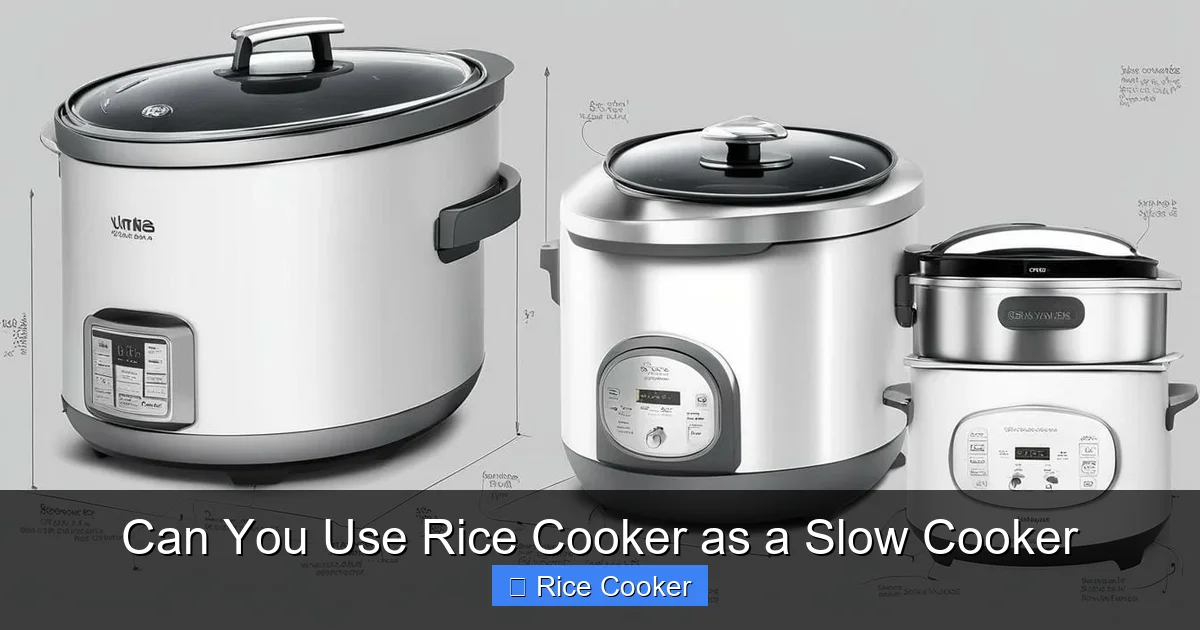
Visual guide about Can You Use Rice Cooker as a Slow Cooker
Image source: ricearray.org
Rice cookers are excellent at bringing liquids to a boil fast—perfect for rinsing rice or reheating leftovers. But once you turn it off, it doesn’t stay warm like a slow cooker does. So if you’re trying to simmer a chili for eight hours, you’ll need to keep checking on it manually.
When It Works Best
- Short Slow Cooks: Think 2–4 hour dishes like pulled pork or chicken stew.
- Grains & Legumes: Cooking oats, quinoa, or beans in liquid works well since they absorb moisture steadily.
- Braised Vegetables: Carrots, potatoes, and onions cooked with broth develop good texture without needing ultra-long cook times.
Step-by-Step: How to Use Your Rice Cooker Like a Slow Cooker
Prepping Your Ingredients
Start by browning meat or sautéing vegetables in the rice cooker pot. Even though it’s not a stove-top-friendly surface, most pots have a non-stick coating that can handle light searing. Just be careful not to scratch it too much.
Add your ingredients in layers: start with aromatics (onions, garlic), then meat or protein, followed by liquid (broth, wine, water). Season generously—this is where flavor builds up during long cooks.
Adjusting Cooking Time
Unlike a slow cooker, a rice cooker won’t automatically switch to “keep warm.” So plan ahead:
- Set your rice cooker to “cook” mode.
- Cook for 2–3 hours initially, then check consistency.
- If needed, continue cooking in 30-minute increments until tender.
Remember: rice cookers don’t retain heat like slow cookers, so opening the lid frequently will cause steam loss and extend cooking time.
Using the Warm Setting Wisely
Most rice cookers have a “warm” setting that keeps food at around 165°F–175°F. While not ideal for active cooking, it’s useful for holding dishes after they’ve finished cooking. Just don’t rely on it to finish cooking tough cuts of meat—it’s meant only for keeping things hot.
What Foods Work Best in a Rice Cooker-Slow Cooker Hybrid?
Stews and Braises
Chicken stew with root vegetables, beef bourguignon-style braises, or vegetarian lentil soup all benefit from extended cook times. Since rice cookers can maintain high heat for hours, these dishes become tender and flavorful—especially if you pre-sear ingredients.
Soups and Broths
Make hearty bone broths or vegetable soups by adding bones or hardy veggies (celery, leeks, carrots) to the rice cooker with plenty of water. Bring to a boil, reduce to simmer (by keeping the lid slightly ajar), and cook for 3–5 hours.
Grains and Pulses
Cooking lentils, chickpeas, or even polenta in a rice cooker is easy. Just follow standard ratios (e.g., 1 cup lentils to 3 cups liquid) and let it cook until soft. Some models even have a “bean” or “porridge” setting!
Porridge and Oatmeal
If you love overnight oats but lack a jar, try cooking steel-cut oats in your rice cooker overnight on the “warm” setting. It’ll be ready when you wake up—creamy and delicious.
Limitations and Potential Pitfalls
Overcooking Risks
Rice cookers tend to overcook delicate proteins like fish or seafood. If you’re making a dish with these, stick to shorter cook times and monitor closely.
Lack of Temperature Control
Slow cookers maintain a steady low temperature, which is perfect for collagen-rich meats. Rice cookers fluctuate more, which can lead to uneven textures—some parts may turn mushy while others remain chewy.
No Programmable Timers
If you want to leave dinner unattended for 6 hours, a rice cooker isn’t your best bet. You’ll need to start it manually and check periodically.
Steam Buildup Issues
Because rice cookers aren’t designed for long simmering, steam can build up inside the unit, potentially affecting its electronic components over time. Keep the lid slightly open during long cooks to vent excess steam.
Tips for Better Results When Using a Rice Cooker as a Slow Cooker
- Use Less Liquid: Rice cookers evaporate liquid faster than slow cookers, so start with slightly less water and add more if needed.
- Layer Ingredients Properly: Put denser items (meat, beans) at the bottom and softer ones (leafy greens) on top to prevent overcooking.
- Pre-Season Generously: Salt draws out moisture early, so season before adding liquid.
- Experiment with Settings: Try using the “cook” cycle twice—turn it off after 30 minutes, stir, then restart for better heat distribution.
- Clean Immediately After Use: Residual moisture can damage seals or electronics if left sitting too long.
When Should You Just Buy a Slow Cooker Instead?
If you find yourself using your rice cooker as a slow cooker regularly, it might be time to invest in a real one. Here’s why:
- Better Flavor Development: Low-and-slow cooking extracts deeper flavors from ingredients.
- Less Monitoring Required: Set it and forget it—ideal for busy lifestyles.
- Safer for Long Cooks: Ceramic pots retain heat better and reduce risk of burning.
- More Versatile Programs: Some models include settings for yogurt, bread, or even desserts.
That said, if you’re on a budget or only occasionally need slow cooking, your rice cooker can still do the job—just not perfectly.
Creative Recipes You Can Make in Your Rice Cooker
Simple Chicken Stew
Ingredients: 1 lb chicken thighs, 1 onion, 2 carrots, 2 celery stalks, 4 cups chicken broth, 1 tsp thyme, salt & pepper.
Instructions: Sauté chicken and onions in the rice cooker pot. Add remaining ingredients. Cook on normal setting for 2.5 hours. Stir once halfway through.
Lentil Soup
Ingredients: 1 cup green lentils, 1 diced potato, 1 onion, 4 cups vegetable broth, bay leaf, cumin.
Instructions: Combine all ingredients in the rice cooker. Cook for 1.5 hours. Remove bay leaf before serving.
Overnight Polenta
Ingredients: 1 cup coarse cornmeal, 4 cups water or milk, pinch of salt, butter, cheese (optional).
Instructions: Mix all ingredients in the rice cooker. Switch to “warm” mode overnight. Stir before serving and add toppings.
Final Thoughts: Is It Worth It?
Yes—you can absolutely use your rice cooker as a slow cooker, especially when you need a quick fix or don’t have another appliance handy. Just remember that it’s not a perfect substitute. Expect to put in a bit more attention and possibly tweak recipes. But for everyday stews, soups, and grains, your rice cooker can be a surprisingly capable multitasker.
If you love the idea of maximizing your kitchen tools without buying extra gadgets, this trick is totally worth exploring. And who knows? Maybe your rice cooker will become your new favorite cooking companion—beyond just making rice.
Frequently Asked Questions
Can you use a rice cooker instead of a slow cooker?
Yes, you can use a rice cooker as a slow cooker for dishes like stews and soups. However, results may vary due to differences in heat control and timer functions. It works best for shorter cook times.
What happens if you overfill a rice cooker?
Overfilling can block steam vents, cause overflow, or damage the heating element. Always follow manufacturer guidelines—usually no more than two-thirds full for liquids.
Are rice cookers energy efficient?
Yes, most modern rice cookers use minimal electricity. They’re very efficient for cooking small portions and often shut off automatically once done.
Can I cook pasta in a rice cooker?
Absolutely! Add pasta and boiling water, then switch to “warm” after boiling stops. Stir occasionally to prevent sticking. Drain any excess water before serving.
Do rice cookers come in different sizes?
Yes, rice cookers range from 1-cup single-serving models to 10-cup family-sized versions. Choose based on your household size and cooking needs.
How do I clean my rice cooker properly?
Always unplug and cool before cleaning. Wash the inner pot with warm, soapy water. Wipe the exterior and lid with a damp cloth. Never submerge electrical parts in water.