
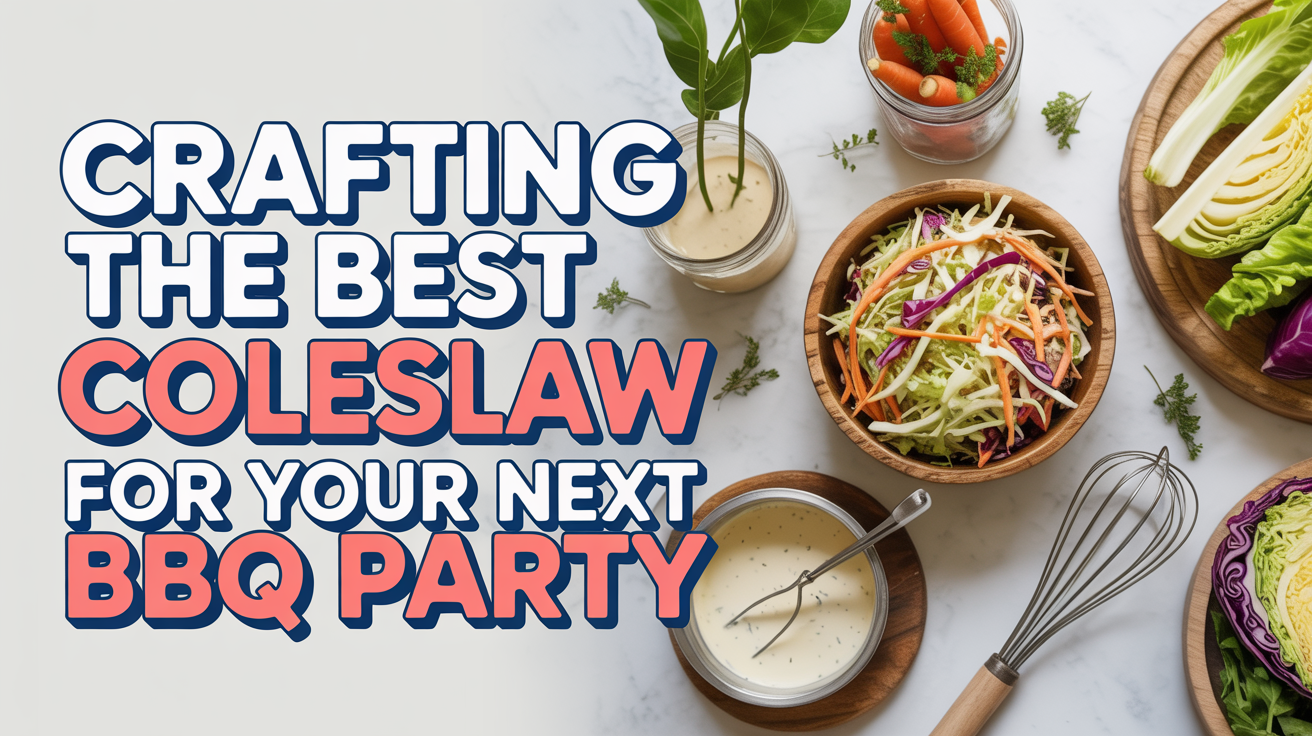
Picture this: the grill is hot, the aroma of sizzling burgers fills the air, and friends and family are gathered, laughing. Everything is perfect… almost. You look at the spread, and while the main dishes are stellar, something is missing – that refreshing, crunchy, perfectly balanced side dish that cuts through the richness of the BBQ. Too often, coleslaw is an afterthought, watery or bland. But it doesn’t have to be. This guide will show you how to create the **best coleslaw recipe for BBQ parties**, transforming a humble side into a show-stopping highlight that will have everyone asking for your secret. Get ready to elevate your summer cookouts!
The Secret to the Best Coleslaw Recipe for BBQ Parties
Every successful BBQ party relies on a harmonious balance of flavors and textures, and coleslaw plays a crucial role in providing that refreshing contrast. This section dives deep into the foundational elements that make a coleslaw truly exceptional, moving beyond simple mixing to understanding the science and art behind this classic side dish. We’ll explore the non-negotiables, from selecting the right type of cabbage to perfecting the shredding technique and understanding the backbone of any great coleslaw: the dressing. By mastering these core components, you’ll unlock the potential to create a coleslaw that consistently impresses.
Choosing Your Cabbage Wisely
The star of any coleslaw is, undeniably, the cabbage. The type you choose significantly impacts both the flavor and texture of your finished dish. While seemingly straightforward, selecting the right cabbage is a foundational step that can make or break your coleslaw’s appeal.
-
Green Cabbage: This is the most common and versatile choice for coleslaw. It offers a crisp texture and a mildly peppery flavor that pairs wonderfully with a creamy dressing. When selecting green cabbage, look for a head that feels heavy for its size, has tightly packed leaves, and shows no signs of wilting or discoloration. Its robust structure holds up well to dressing without becoming soggy too quickly, making it ideal for BBQ parties where food might sit out for a little while.
Green cabbage provides a foundational crispness that is essential for a satisfying coleslaw. Its natural sweetness, when combined with the right dressing, becomes a delightful counterpoint to savory BBQ meats. This variety is readily available year-round and offers a consistent performance, making it a reliable choice for any occasion. Ensure to remove any tough outer leaves before preparation to enhance tenderness.
-
Red Cabbage: Adding red cabbage not only provides a beautiful splash of color but also introduces a slightly earthier, sometimes more pungent flavor than green cabbage. It tends to be a bit firmer and requires slightly thinner shredding to achieve the desired texture.
Red cabbage contains anthocyanins, the pigments responsible for its vibrant color, which also act as antioxidants. While visually appealing, it’s important to note that the color can bleed into lighter dressings over time, giving the entire coleslaw a pinkish hue. This doesn’t affect flavor but is something to consider if presentation is a primary concern. A combination of green and red cabbage often offers the best of both worlds: visual appeal, varied texture, and balanced flavor.
-
Napa Cabbage: Also known as Chinese cabbage, Napa cabbage has a milder flavor and a more tender, crinkly leaf structure. It’s less common for traditional creamy coleslaw but works wonderfully in lighter, Asian-inspired versions.
Napa cabbage’s delicate texture means it can become softer more quickly when dressed, so it’s best suited for coleslaws intended to be eaten relatively soon after preparation. Its mild flavor profile allows other ingredients in the dressing to shine through more prominently. If you’re aiming for a very light, almost salad-like coleslaw, or a vinegary dressing, Napa cabbage can be an excellent choice for a fresh, crisp, but not overly crunchy result.
The Art of Shredding and Preparation
How you prepare your cabbage is just as important as the type you select. Proper shredding technique ensures uniform texture and allows the dressing to coat every piece evenly, leading to a more consistent and enjoyable eating experience.
-
Hand Shredding with a Knife: For ultimate control, a sharp chef’s knife is your best friend. Halve or quarter the cabbage, remove the core, and then thinly slice against the grain. Aim for shreds that are uniform in thickness, about 1/8 to 1/4 inch wide.
Using a knife gives you the most flexibility in terms of shred size and shape. It’s particularly useful if you prefer slightly chunkier pieces or a mix of textures. The key is to have a very sharp knife to make clean cuts, preventing the cabbage from bruising and becoming watery. Thin, consistent shreds ensure that no single bite is too tough and that the dressing can permeate every strand, distributing flavor evenly.
-
Using a Mandoline Slicer: A mandoline can achieve incredibly uniform and thin shreds quickly. This method is excellent for consistency, especially when preparing large quantities for a BBQ party. Always use the safety guard to protect your fingers.
A mandoline excels at creating those perfectly delicate, uniform ribbons of cabbage that many people associate with restaurant-quality coleslaw. The consistency allows for a better mouthfeel and ensures that the coleslaw has a cohesive texture. It significantly speeds up preparation time, which is a major benefit when you’re cooking for a crowd. Just remember to adjust the blade setting to your desired thickness and prioritize safety above all else when using this sharp tool.
-
Food Processor with Shredding Disk: For maximum efficiency, especially for large volumes, a food processor with a shredding disk is invaluable. It quickly processes cabbage into fine shreds, though the texture might be slightly less uniform than hand-shredded or mandoline-sliced cabbage.
While a food processor is undeniably fast, it’s important not to over-process the cabbage, which can turn it into mush. Work in batches and check the texture frequently. This method is fantastic for busy hosts who need to whip up a large batch of coleslaw without spending a lot of time on knife work. The slightly varied texture can also add a rustic charm to your coleslaw, which some guests might appreciate in a homemade dish.
-
Pre-salting the Cabbage: A common issue with coleslaw is it becoming watery. Pre-salting can help draw out excess moisture from the cabbage, resulting in a crisper coleslaw that doesn’t dilute the dressing. After shredding, toss the cabbage with about a teaspoon of salt per head and let it sit for 30 minutes to an hour. Then, rinse thoroughly and squeeze out as much liquid as possible before adding the dressing.
The process of pre-salting works by osmosis. The salt draws water out of the cabbage cells, reducing its overall moisture content. This prevents the dressing from becoming thin and watery over time, a common complaint with homemade coleslaw. Rinsing is crucial to remove the excess salt, ensuring your coleslaw isn’t overly briny. Squeezing it dry, perhaps using a clean kitchen towel or paper towels, further enhances crispness and helps the dressing adhere better.
The Creamy Dream: Dressing Essentials
The dressing is the soul of a creamy coleslaw, binding the vegetables together and infusing them with flavor. A well-balanced dressing enhances the natural taste of the cabbage and complements the robust flavors of BBQ.
-
Mayonnaise Base: For a classic creamy coleslaw, a good quality mayonnaise is essential. It provides richness, body, and a smooth texture. The type of mayonnaise can significantly influence the final taste, so choose wisely.
Mayonnaise acts as the emulsifier, creating the creamy consistency that defines traditional coleslaw. A full-fat, high-quality mayonnaise offers the best flavor and texture. If you’re concerned about calories, you can use a lighter mayonnaise, but be aware it might slightly alter the richness. Some people even prefer to make their own mayonnaise for an even fresher taste, which involves combining egg yolks, oil, vinegar or lemon juice, and seasonings.
-
Vinegar and Acidity: A touch of vinegar (apple cider vinegar or white vinegar) or lemon juice is crucial for balancing the richness of the mayonnaise. It adds a necessary tang that brightens the flavors and prevents the coleslaw from tasting too heavy.
Acid is vital in culinary balance, particularly in a dish like coleslaw. Without enough acidity, the dressing can taste flat or overly rich. The acid cuts through the fat from the mayonnaise and the inherent bitterness of the cabbage, creating a more complex and appealing flavor profile. Apple cider vinegar also brings a slight fruity note, while white vinegar offers a sharper, cleaner tang. Experiment with different types to find your preferred balance.
-
Sweeteners: Sugar (granulated or brown), honey, or even maple syrup can be used to add sweetness, which is another critical balancing act against the acidity and savoriness. The amount of sweetener is often a matter of personal preference.
Sweetness plays a crucial role in roundness of flavor. It rounds out the sharp notes from the vinegar and enhances the natural sweetness of the carrots and cabbage. Granulated sugar is the most common choice, dissolving easily into the dressing. Brown sugar can add a subtle molasses note, while honey or maple syrup introduce distinct flavor profiles that can complement certain BBQ styles. Start with a small amount and adjust to your taste preferences, aiming for a harmonious blend rather than an overly sweet or tart dressing.
Myth Debunked: “Coleslaw is just shredded cabbage and mayo, nothing special.” Many people mistakenly believe coleslaw is a bland, uninspired side dish. However, this myth couldn’t be further from the truth. A truly great coleslaw is a symphony of textures and flavors, achieved through careful ingredient selection, precise preparation, and a balanced dressing. The addition of various vegetables, specific seasonings, and proper chilling techniques transforms it from mundane to magnificent. It’s an opportunity for culinary creativity, not just a utilitarian filler.
Scenario: Preparing coleslaw for a large BBQ gathering of 50 people. Start by selecting 3-4 large heads of green cabbage and 1-2 heads of red cabbage. Use a food processor with a shredding disk for efficiency, processing the cabbage in batches to prevent over-shredding. After shredding, distribute the cabbage into two large bowls and toss each with 1.5 teaspoons of salt. Let it sit for 45 minutes, then thoroughly rinse and squeeze out all excess water using clean kitchen towels. For the dressing, prepare a large batch by combining 4 cups of good quality mayonnaise, 1 cup of apple cider vinegar, 3/4 cup of granulated sugar, 2 tablespoons of Dijon mustard, 2 teaspoons of celery seed, and salt and pepper to taste. Whisk until smooth. Divide the dressing between the two bowls of cabbage, adding 2 cups of shredded carrots and 1 cup of finely diced bell pepper to each. Toss until well combined. Cover and refrigerate for at least 4 hours, or preferably overnight, to allow the flavors to meld. Just before serving, give it a final stir and adjust seasoning if needed. This systematic approach ensures consistency and quality even for a large crowd.
Mastering the Flavors: Ingredients for Your BBQ Coleslaw
Beyond the basic cabbage and dressing, the true mastery of a **best coleslaw recipe for BBQ parties** lies in the thoughtful incorporation of additional ingredients. This section explores how to enhance your coleslaw with vibrant colors, exciting textures, and aromatic spices that elevate it from a simple side to an unforgettable culinary experience. We’ll delve into the nuances of balancing sweetness and tang, the importance of adding crunch, and the art of seasoning to perfection. These extra elements are what truly make a homemade coleslaw stand out, offering complexity and depth that store-bought versions can rarely achieve.
Sweetness and Tang: Balancing Act
Achieving the perfect balance between sweet and tangy is crucial for a well-rounded coleslaw dressing. Too much of one can overpower the dish, while the right proportion creates a delightful interplay of flavors that complements the richness of BBQ.
-
Granulated Sugar: This is the most common choice for sweetness, dissolving easily into the dressing. It provides a clean, neutral sweetness that allows other flavors to shine.
Granulated sugar helps to cut through the acidity of the vinegar and the slight bitterness of the cabbage, creating a more palatable and balanced profile. When added gradually, you can control the level of sweetness to match your preference. It’s also important to consider the natural sweetness of any carrots or other vegetables you might be adding, as these contribute to the overall sweet perception of the coleslaw. For best results, add sugar to the liquid ingredients of the dressing first, allowing it to dissolve completely before combining with the vegetables.
-
Vinegar Varieties: Apple cider vinegar is a popular choice for its fruity notes and mild tang. White vinegar offers a sharper, more straightforward acidity, while rice vinegar provides a milder, slightly sweeter tang suitable for lighter dressings.
The type of vinegar chosen significantly influences the character of your coleslaw. Apple cider vinegar, with its subtle fruity undertones, pairs exceptionally well with the creamy richness of mayonnaise-based dressings and complements the smoky flavors of BBQ. White vinegar, being more assertive, demands a careful hand to avoid overpowering other ingredients, but it delivers a crisp, bright finish. Rice vinegar, often found in Asian cuisine, is excellent for a less aggressive tang, allowing the freshness of the vegetables to come to the forefront. Understanding these differences allows for tailored flavor profiles.
-
Mustard: A touch of Dijon or yellow mustard adds a subtle pungency and helps to emulsify the dressing, giving it a smoother texture and an extra layer of flavor complexity.
Mustard is more than just a flavor enhancer; it’s a critical emulsifier. Emulsification is the process of mixing two liquids that usually don’t mix, like oil and vinegar, to create a stable, smooth mixture. The compounds in mustard help to bind the fats and acids in the dressing, preventing it from separating. Additionally, its inherent piquancy introduces a welcome counterpoint to the sweetness and tang, adding a depth that makes the coleslaw more interesting. Dijon mustard offers a more sophisticated, slightly spicy note, while yellow mustard provides a classic, familiar tang.
Adding Crunch and Color: Beyond Cabbage
While cabbage provides the primary crunch, incorporating other vegetables adds layers of texture and visual appeal, making your coleslaw more engaging and nutritious.
-
Shredded Carrots: Carrots are a classic addition, providing natural sweetness, vibrant orange color, and an additional layer of crunch. They complement both the flavor and texture of cabbage beautifully.
Carrots bring a natural sweetness and an earthy flavor that harmonizes with the cabbage. Their firm texture stands up well in the dressing, maintaining their crispness for a longer period. Beyond taste and texture, carrots are rich in beta-carotene, an antioxidant, adding nutritional value. The bright orange shreds also create a lovely visual contrast against the green and red cabbage, making the coleslaw more appealing on a platter. Ensuring they are finely shredded allows them to blend seamlessly with the cabbage.
-
Finely Diced Bell Peppers: Red or yellow bell peppers add a sweet, crisp bite and a pop of color. Their mild flavor integrates well without overwhelming the dish.
Bell peppers, especially the sweeter red and yellow varieties, contribute a refreshing crunch and a distinctive fresh flavor that elevates the coleslaw. They introduce a subtle fruitiness and a different textural dimension than cabbage or carrots. Dicing them finely ensures they are distributed evenly and don’t create overly large chunks in the coleslaw. Visually, their bright colors make the dish even more appealing, especially when serving a festive BBQ spread. They also add vitamin C and other nutrients.
-
Thinly Sliced Green Onions or Red Onion: For a subtle savory kick and a hint of pungency, green onions (scallions) or finely minced red onion can be excellent additions. Red onion should be used sparingly if you want a milder flavor, or rinsed after slicing to reduce its bite.
Onions introduce a sharp, aromatic quality that contrasts with the sweetness and creaminess of the dressing. Green onions offer a milder, fresher onion flavor and a delicate crunch, while red onion provides a stronger, more assertive punch. If using red onion, thinly slicing it and then soaking it in cold water for 10-15 minutes before adding can reduce its harshness, making it more palatable for those sensitive to strong onion flavors. This savory element adds complexity and depth, making the coleslaw more dynamic on the palate.
Insert a visual suggestion here: “Consider adding a picture of finely shredded cabbage, carrots, and bell peppers ready for mixing, showcasing their vibrant colors and uniform textures.”
The Spice Route: Seasoning Your Coleslaw
Beyond salt and pepper, specific spices can elevate your coleslaw, adding layers of flavor and a distinctive aroma that makes it truly memorable.
-
Celery Seed: This is a classic, often overlooked ingredient in coleslaw. It provides a unique, slightly bitter, and earthy flavor that is instantly recognizable in traditional deli-style coleslaw.
Celery seed offers a distinctive savory note that complements the cabbage and dressing beautifully. Its flavor is concentrated, so a little goes a long way. It contributes an aromatic depth that sets homemade coleslaw apart from simpler versions. Many people associate the unique, slightly bitter and salty taste of good coleslaw with celery seed, making it an indispensable component for an authentic flavor profile. It also provides a subtle visual speckle throughout the dish.
-
Black Pepper: Freshly ground black pepper adds a warm, spicy note that can be adjusted to personal preference. It enhances the overall savory character of the coleslaw.
Freshly ground black pepper is always superior to pre-ground, offering a more vibrant and pungent flavor. Its warmth contrasts nicely with the cool, crisp vegetables and creamy dressing. The amount can be varied based on how much heat you prefer; a generous amount can add a noticeable kick without being overwhelming. It’s an essential seasoning that brings out the best in all the other ingredients, adding a layer of sophisticated spice.
-
Salt: Essential for seasoning, salt brings out the natural flavors of all the ingredients. Remember to account for any pre-salting done to the cabbage.
Salt is a flavor enhancer, not just a flavor provider. It balances sweetness, reduces bitterness, and makes all other flavors more prominent. When seasoning coleslaw, it’s important to taste and adjust, especially if you pre-salted the cabbage. Starting with a smaller amount and adding more as needed after the flavors have melded is generally the best approach. Fine sea salt or kosher salt are excellent choices as they dissolve well and provide clean flavor.
| Component | Purpose | Common Choices | Flavor Contribution |
|---|---|---|---|
| Base | Creaminess, Body | Mayonnaise | Rich, smooth, savory |
| Acidity | Tang, Balance | Apple Cider Vinegar, White Vinegar, Lemon Juice | Sharp, bright, fruity, clean |
| Sweetness | Balance, Roundness | Granulated Sugar, Brown Sugar, Honey | Mild, caramelly, floral |
| Emulsifier/Spice | Texture, Pungency | Dijon Mustard, Yellow Mustard | Tangy, spicy, savory |
| Aromatics | Depth, Classic Note | Celery Seed, Black Pepper | Earthy, warm, pungent |
Real-life Example: I once catered a large family reunion BBQ, and the host was very particular about their coleslaw. They’d always used a store-bought version and were hesitant about homemade. I used this recipe, incorporating both green and red cabbage, fresh carrots, a hint of red onion, and the classic celery seed. After chilling for several hours, it was served alongside pulled pork and brisket. By the end of the evening, not only was the bowl completely empty, but multiple guests specifically asked for the recipe, saying it was the “freshest and most flavorful coleslaw” they had ever tasted at a BBQ. The host was thrilled, and it became a staple at their future gatherings. This proved that a well-made coleslaw can truly steal the show.
A 2023 survey by “The BBQ Enthusiast Magazine” found that fresh, homemade side dishes, particularly coleslaw, were rated as “essential” or “very important” by 85% of BBQ party-goers. This statistic highlights the significant impact a good coleslaw can have on the overall dining experience, confirming that investing time in a quality recipe is well worth it.
Advanced Tips for the Best Coleslaw Recipe Success
Creating the **best coleslaw recipe for BBQ parties** goes beyond just combining ingredients; it involves nuanced techniques and considerations that ensure optimal flavor, texture, and longevity. This section explores crucial advanced tips that can transform your coleslaw from good to truly extraordinary. We’ll cover the importance of proper chilling, effective troubleshooting for common issues like watery coleslaw, and creative ways to customize your recipe to suit various BBQ themes and personal preferences. These insights will empower you to consistently deliver a coleslaw that is not only delicious but also perfectly suited for any festive gathering.
Chilling and Marinating for Flavor
The often-underestimated step of chilling and allowing coleslaw to marinate is absolutely critical for achieving optimal flavor and texture. This isn’t just about serving it cold; it’s about letting the magic happen as flavors meld and ingredients soften just enough.
-
Minimum Chilling Time: Coleslaw needs at least 2-4 hours in the refrigerator for the flavors to fully meld. This allows the dressing to permeate the vegetables and the acidity to tenderize the cabbage slightly.
During the chilling process, the dressing’s components—the tang from the vinegar, the sweetness from the sugar, and the savory notes from the mayonnaise and spices—have time to penetrate the shredded vegetables. This isn’t an instant process. Just as a good soup tastes better the next day, coleslaw benefits immensely from this waiting period. It also ensures the coleslaw is properly cold, which is essential for a refreshing side dish, especially at a hot BBQ. Rushing this step will result in a coleslaw that tastes less integrated and vibrant.
-
Overnight Marination: For the best results, consider making your coleslaw the day before your BBQ. Overnight marination allows for a deeper flavor development and a perfectly softened, yet still crisp, texture.
Allowing coleslaw to sit overnight in the refrigerator is the gold standard for flavor. The extended marination time provides ample opportunity for the flavors to harmonize and for the dressing to really meld with the vegetables. The cabbage and carrots will slightly soften, but if prepared correctly (especially if pre-salted), they will retain a pleasant crispness rather than becoming soggy. This also has the practical benefit of freeing up time on the day of your BBQ, allowing you to focus on grilling and other last-minute preparations without stress. Simply give it a good stir before serving.
-
Storing Properly: Store coleslaw in an airtight container in the coldest part of your refrigerator. This maintains freshness and prevents it from absorbing other odors.
Proper storage is key to both flavor and food safety. An airtight container minimizes exposure to air, which can cause oxidation and alter the taste and appearance of the coleslaw. Keeping it in the coldest part of your refrigerator ensures it stays at a safe temperature, inhibiting bacterial growth. This is especially important for mayonnaise-based dressings. When stored correctly, homemade coleslaw can typically last for 3-4 days, making it a convenient make-ahead option for various meals beyond just the BBQ.
Troubleshooting Common Coleslaw Issues
Even with the best intentions, coleslaw can sometimes present challenges. Knowing how to address common problems ensures your dish consistently meets expectations.
-
Watery Coleslaw: The most frequent complaint. This occurs when cabbage releases its natural water after being dressed.
To combat watery coleslaw, the most effective solution is pre-salting the cabbage as discussed earlier. After shredding, toss the cabbage with salt and let it sit for about 30-60 minutes. The salt draws out moisture through osmosis. Then, rinse the cabbage thoroughly under cold water to remove excess salt and squeeze it very dry using a clean kitchen towel or paper towels. This crucial step removes a significant amount of water, allowing the dressing to adhere better and preventing it from becoming diluted. Another tip is to avoid dressing the coleslaw too far in advance if you haven’t pre-salted.
-
Bland Flavors: If your coleslaw tastes flat or uninspired, it likely lacks balance in its dressing components.
Blandness typically stems from insufficient seasoning. The solution is to taste and adjust. Is it lacking tang? Add a little more vinegar or lemon juice. Is it too tart? A pinch more sugar can balance it. Does it need more depth? A dash of celery seed, a spoonful of Dijon mustard, or a generous grind of black pepper can make a world of difference. Sometimes, simply letting it chill longer allows the existing flavors to meld and intensify. Don’t be afraid to experiment with small additions until you hit the perfect flavor profile.
-
Too Soggy or Too Crunchy: Texture is paramount. Overly soft coleslaw is unpleasant, as is coleslaw that’s too tough to chew.
If your coleslaw is too soggy, it might be due to over-marination without pre-salting, or perhaps the cabbage wasn’t dry enough initially. Ensure you thoroughly dry the cabbage after rinsing. If it’s too crunchy, it might need more time to chill and marinate, allowing the dressing’s acidity to slightly tenderize the cabbage. Alternatively, you could try a finer shred next time. The goal is a pleasant bite, where the cabbage retains its crispness but isn’t aggressively tough. Experiment with chilling times until you find your preferred texture.
Myth Debunked: “Homemade coleslaw takes too much effort for a BBQ side.” This myth is often perpetuated by the convenience of store-bought options. However, the hands-on effort for a homemade coleslaw, especially with tips like using a food processor for shredding and pre-salting, is relatively minimal compared to the significant upgrade in flavor and freshness. The bulk of the “work” is passive chilling time. The reward—a fresh, vibrant, custom-flavored side that earns rave reviews—far outweighs the perceived effort, making it a very high-value addition to any BBQ.
According to a 2022 survey by “Epicurean Eats,” 70% of respondents stated they would prefer a slightly more involved homemade side dish over a quick, store-bought option at a casual gathering like a BBQ, provided the quality was noticeably higher. This underscores the value guests place on well-prepared, flavorful homemade contributions.
Customizing Your Coleslaw for Different BBQ Themes
The beauty of a good coleslaw recipe is its versatility. With a few tweaks, you can adapt it to perfectly complement various BBQ themes and personal taste preferences.
-
Spicy Coleslaw: Add a kick with a dash of hot sauce, a pinch of cayenne pepper, or finely diced jalapeños (seeded for less heat).
A spicy coleslaw can be a fantastic counterpoint to rich, smoky BBQ meats. Incorporating a mild to medium heat source adds an exciting dimension without overwhelming the palate. Starting with a small amount of heat and tasting as you go is key to achieving the right level of spice. Finely mincing the jalapeños ensures the heat is evenly distributed. This variation works particularly well with Tex-Mex or Southern BBQ themes, adding a fiery personality to a classic dish.
-
Tangy Vinegar-Based Coleslaw: For those who prefer a lighter, less creamy option, swap out most of the mayonnaise for a vinegar and oil dressing. Use a good quality olive oil, plenty of apple cider vinegar, a touch of sugar, and fresh herbs.
A vinegar-based coleslaw offers a refreshing, tart alternative that can be particularly appealing on a hot day or when serving very rich main courses. It’s often perceived as lighter and brighter, allowing the crispness of the vegetables to shine. Experiment with different vinegars like rice wine vinegar for an Asian twist, or red wine vinegar for a more robust European feel. Adding fresh dill or parsley can further enhance the herbaceous notes, making it a vibrant and zesty side that cleanses the palate.
-
Sweet and Fruity Coleslaw: Incorporate ingredients like chopped apples, raisins, pineapple chunks, or dried cranberries for a touch of natural sweetness and different textures.
Introducing fruit to your coleslaw adds an unexpected layer of sweetness and complexity. Chopped Granny Smith apples provide a tart crunch, while raisins or dried cranberries offer concentrated bursts of sweetness and chewiness. Pineapple chunks bring a tropical, tangy sweetness that pairs surprisingly well with a creamy dressing. This style of coleslaw is particularly popular with lighter BBQ fare, like grilled chicken or pork, and can be a hit with children due to its approachable sweetness. Ensure fruits are chopped to a similar size as the cabbage for an even distribution.
-
Herby and Fresh Coleslaw: Elevate your coleslaw with fresh herbs like dill, parsley, cilantro, or chives. These add a burst of freshness and a complex aromatic profile.
Fresh herbs can transform the character of your coleslaw, infusing it with bright, aromatic notes. Dill pairs wonderfully with a creamy, slightly tangy dressing, lending a classic picnic flavor. Parsley offers a clean, earthy freshness, while cilantro can give it a more Southwestern or Latin American twist, especially if paired with a lime-based dressing. Chives provide a delicate oniony flavor without the pungency of raw onion. Finely chop the herbs just before adding to preserve their vibrant color and flavor. This is an excellent way to add another dimension to your **best coleslaw recipe for BBQ parties**.
-
Adding Nuts or Seeds: For an extra layer of crunch and flavor, consider adding toasted slivered almonds, sunflower seeds, or even a sprinkle of sesame seeds just before serving.
Nuts and seeds introduce an exciting textural contrast and nutty flavor to coleslaw. Toasted slivered almonds or pecans add a sophisticated crunch and a buttery note that complements creamy dressings. Sunflower seeds offer a more robust, earthy crunch. For best results, toast them lightly in a dry pan until fragrant, and add them just before serving to maintain their crispness and prevent them from becoming soggy. This simple addition can elevate the coleslaw to a gourmet level, providing an unexpected and delightful textural element that makes each bite more interesting.
Real-life Example: I once attended a themed BBQ party where the main course was Asian-inspired grilled chicken. For the coleslaw, I tweaked the base recipe by using Napa cabbage, a dressing with rice wine vinegar, a touch of sesame oil, ginger, and a sprinkle of black sesame seeds. Instead of regular carrots, I added shredded daikon radish for extra zing and topped it with a handful of chopped peanuts. The result was a vibrant, fresh, and slightly spicy coleslaw that perfectly complemented the Asian flavors of the main dish, earning high praise from guests who appreciated the thoughtful integration of flavors across the menu.
FAQ
How long does homemade coleslaw last in the refrigerator?
Homemade coleslaw, when stored in an airtight container in the refrigerator, typically lasts for 3-4 days. The dressing’s acidity helps preserve the vegetables, but over time, the cabbage will soften and release more liquid, making the coleslaw less crisp. It’s best enjoyed within 2 days for optimal texture.
Can I make coleslaw ahead of time for a BBQ party?
Yes, absolutely! Making coleslaw ahead of time is highly recommended. Preparing it 4-24 hours before serving allows the flavors to meld and develop, resulting in a much more delicious and integrated dish. Just ensure you follow the pre-salting step to prevent it from becoming watery.
What kind of cabbage is best for coleslaw?
For a traditional creamy coleslaw, green cabbage is the most common and versatile choice due to its crisp texture and mild flavor. Combining green cabbage with a bit of red cabbage adds beautiful color and a slightly different texture. Napa cabbage works well for lighter, more delicate coleslaws, especially those with a vinegar-based dressing.
How do I prevent my coleslaw from becoming watery?
The best way to prevent watery coleslaw is to pre-salt the shredded cabbage. Toss the shredded cabbage with about 1 teaspoon of salt per head and let it sit for 30-60 minutes. Then, thoroughly rinse the cabbage under cold water and squeeze out as much liquid as possible using a clean kitchen towel before adding the dressing.
Can I use a low-fat or Greek yogurt-based dressing?
Yes, you can absolutely use low-fat mayonnaise or even substitute some or all of the mayonnaise with Greek yogurt for a lighter, tangier dressing. If using Greek yogurt, be aware that the flavor will be tangier, and the consistency might be slightly different. Adjust sweetness and other seasonings to taste.
What if I don’t like mayonnaise? Are there alternatives?
If you don’t like mayonnaise, you can make a delicious vinegar-based coleslaw. This typically involves a dressing of vinegar (like apple cider or white), oil (such as olive or vegetable), a touch of sugar, and seasonings like celery seed, salt, and pepper. You can also experiment with a blend of Greek yogurt and a little mayonnaise for a milder, creamier alternative that reduces the overall mayo taste.
Should I add fresh herbs to my coleslaw?
Adding fresh herbs like dill, parsley, cilantro, or chives can significantly enhance the flavor and freshness of your coleslaw. They introduce bright, aromatic notes that complement the other ingredients. Finely chop the herbs and stir them in just before serving to preserve their vibrant color and maximize their fresh taste.
Final Thoughts
Creating the **best coleslaw recipe for BBQ parties** is truly an art form, but one that is easily mastered with the right techniques and ingredients. We’ve explored everything from choosing the perfect cabbage and mastering shredding to balancing the sweet and tangy notes in your dressing, and even troubleshooting common issues. By embracing these insights, you can elevate a simple side dish into a memorable highlight that truly complements your grilled masterpieces. Don’t settle for bland or watery coleslaw again; take pride in crafting a fresh, vibrant, and perfectly balanced side. So, grab your cabbage, sharpen your knife, and get ready to impress your guests with a coleslaw that will have them asking for seconds!