
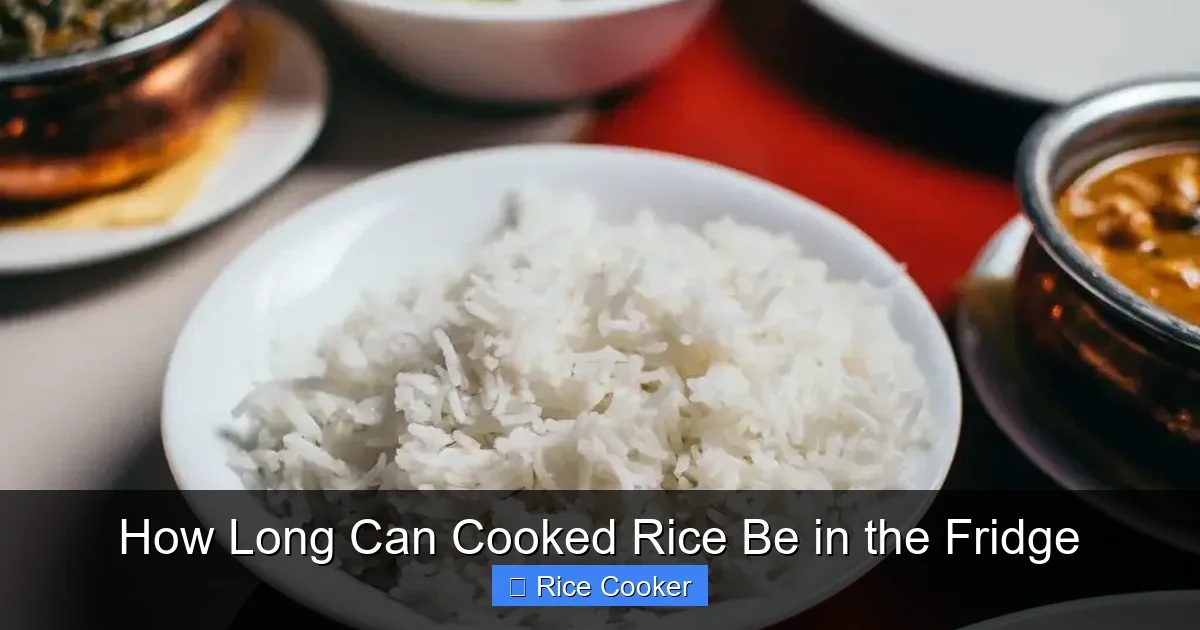
Cooked rice can safely stay in the fridge for up to 4 days, but only if stored properly in a sealed container. Beyond that, the risk of harmful bacteria like Bacillus cereus increases significantly, which can cause food poisoning even after reheating. To keep your rice safe and tasty, always cool it quickly and store it in clean, airtight containers.
Have you ever opened your fridge, stared at a container of leftover rice, and wondered, “Is this still good?” You’re not alone. Cooked rice is one of the most common leftovers in households worldwide—especially among rice cooker users who love its fluffy texture and ease of preparation. But while it’s convenient to save a portion for tomorrow, many people are unsure about how long cooked rice can be in the fridge. The short answer: up to 4 days. But there’s much more to know if you want to stay safe and savor every bite.
In this comprehensive guide, we’ll dive deep into everything you need to know about storing cooked rice—how long it stays fresh, what risks to watch out for, and the best practices for keeping it safe and delicious. Whether you’re using a traditional pot, a high-tech rice cooker, or just reheating last night’s stir-fry, this article will help you make smart decisions every time.
Key Takeaways
- Safety First: Cooked rice should not be left at room temperature for more than 2 hours—ideally less than 1 hour to minimize bacterial growth.
- Refrigerator Shelf Life: Properly stored cooked rice lasts 3 to 4 days in the refrigerator.
- Freezing Extends Life: Frozen cooked rice can last up to 6 months when sealed tightly and labeled with the date.
- Bacillus Cereus Risk: This heat-resistant bacteria can survive cooking and multiply in improperly stored rice, causing vomiting or diarrhea.
- Reheating Tips: Always reheat rice to an internal temperature of 165°F (74°C) to kill any potential bacteria.
- Airtight Containers: Use glass or BPA-free plastic containers with lids to prevent drying and contamination.
- Portion Control: Divide large batches into smaller portions before refrigerating to speed up cooling and reduce spoilage risk.
Quick Answers to Common Questions
How long can cooked rice stay in the fridge?
Cooked rice can safely be stored in the refrigerator for up to 4 days if kept in an airtight container and cooled quickly.
Can you eat rice left out overnight?
No, rice should not be left at room temperature for more than 2 hours—especially overnight. Bacteria can grow rapidly, leading to food poisoning.
How do you reheat rice safely?
Reheat rice until it reaches an internal temperature of 165°F (74°C). Add a bit of water if it seems dry, and avoid reheating more than once.
Is it safe to freeze cooked rice?
Yes, frozen cooked rice can last up to 6 months when stored in airtight, labeled containers. Thaw in the fridge or microwave before use.
Why does rice sometimes make me sick after reheating?
This is likely due to Bacillus cereus, a heat-resistant bacterium that can grow in improperly stored rice. Rapid cooling and proper refrigeration prevent this.
📑 Table of Contents
- Why Storage Matters: The Hidden Dangers in Cooked Rice
- How Long Can Cooked Rice Stay in the Refrigerator?
- Can You Freeze Cooked Rice?
- Signs Your Cooked Rice Has Gone Bad
- Best Practices for Storing Cooked Rice
- Rice Cooker vs. Traditional Pot: Does It Make a Difference?
- Meal Prep with Cooked Rice: Smart Strategies
- Common Myths About Storing Cooked Rice
- Conclusion: Keep It Safe, Keep It Delicious
Why Storage Matters: The Hidden Dangers in Cooked Rice
Cooked rice might seem harmless, but it’s actually a prime breeding ground for bacteria—specifically, Bacillus cereus. This spore-forming bacterium is naturally present in raw rice and survives the cooking process. When cooked rice is left at room temperature, these spores can reactivate, multiply, and produce toxins that cause food poisoning.
Symptoms usually appear within 6 to 15 hours after eating contaminated rice and can include nausea, vomiting, stomach cramps, and diarrhea. What makes Bacillus cereus tricky is that it’s heat-tolerant—meaning even reheating won’t destroy its toxins. That’s why proper storage isn’t just about freshness; it’s about safety.
The USDA recommends never letting cooked rice sit out at room temperature for more than two hours. If the room is hot (above 90°F/32°C), that window shrinks to just one hour. After that, the clock starts ticking toward potential illness.
How Long Can Cooked Rice Stay in the Refrigerator?
Visual guide about How Long Can Cooked Rice Be in the Fridge
Image source: uhkkfeeqacwcyryreuie.supabase.co
Under ideal conditions, cooked white rice can safely remain in the refrigerator for 3 to 4 days. Brown rice, because of its higher oil content and denser structure, tends to go rancid faster. It’s best consumed within 3 days when refrigerated.
To maximize shelf life:
– Store rice in an airtight container.
– Cool it down quickly (within 2 hours).
– Place it in the coldest part of your fridge—usually the back or bottom shelves.
It’s important to note that these timeframes assume proper handling. If rice was left out too long before refrigeration or stored in an unsealed bowl, it may spoil sooner.
The Science Behind Spoilage
Bacteria thrive in the “danger zone” between 40°F and 140°F (4°C to 60°C). Once cooked, rice enters this zone rapidly unless cooled quickly. Rapid cooling—such as spreading it on a baking sheet or using an ice bath—can bring the temperature below 40°F within 2 hours, significantly slowing bacterial growth.
Additionally, moisture plays a role. Rice absorbs water during cooking, creating a perfect environment for microbial activity. Airtight containers reduce exposure to air and contaminants, helping preserve quality and safety.
Can You Freeze Cooked Rice?
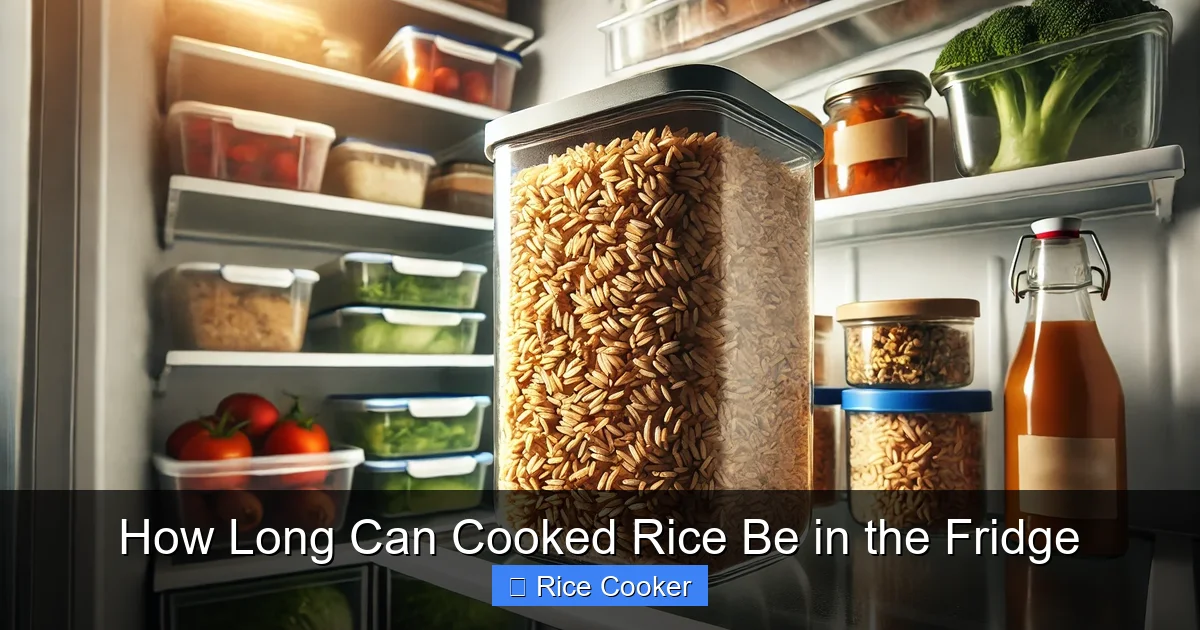
Visual guide about How Long Can Cooked Rice Be in the Fridge
Image source: expertreviewsbestricecooker.com
Absolutely! Freezing is one of the best ways to extend the life of cooked rice—and it’s especially useful if you’ve made a big batch. When frozen properly, cooked rice can last up to 6 months without significant loss of quality.
Here’s how to freeze it safely:
1. Portion the rice into meal-sized servings.
2. Let it cool completely before sealing.
3. Use freezer-safe containers or heavy-duty plastic bags.
4. Label with the date and contents.
5. Remove as much air as possible to prevent freezer burn.
Thaw frozen rice in the refrigerator overnight or microwave it directly from frozen—just add a splash of water to prevent drying.
Benefits of Freezing Rice
– **Longer shelf life** compared to refrigeration.
– **Preserves nutrients** better than repeated reheating.
– **Convenient for meal prep**—grab a portion whenever needed.
– **Reduces food waste**, especially helpful for busy families or meal preppers.
However, frequent thawing and refreezing can degrade texture. So, plan ahead and freeze in reasonable portions.
Signs Your Cooked Rice Has Gone Bad
Even with careful storage, rice can spoil. Here’s what to look for:
– **Off smell**: Sour, ammonia-like, or overly musty odors are red flags.
– **Mold**: White, green, or black fuzzy spots indicate contamination.
– **Texture changes**: Sticky, slimy, or unusually dry rice may be past its prime.
– **Unpleasant taste**: Metallic, bitter, or sour flavors suggest spoilage.
If you notice any of these signs, toss the rice immediately—don’t taste-test it.
What About Reheated Rice?
Reheated rice can still be safe—but only if handled correctly. Never reheat rice more than once. Each time you reheat, bacteria can regrow if the rice wasn’t cooled and stored properly after the first heating.
Always use a food thermometer to ensure the internal temperature reaches at least 165°F (74°C). Stir well and check for even heating.
Best Practices for Storing Cooked Rice
To keep your rice safe and tasty, follow these simple steps:
1. **Cool Quickly**: Spread rice on a baking sheet or transfer to shallow containers to speed cooling.
2. **Use Airtight Containers**: Glass or BPA-free plastic containers with tight-fitting lids work best.
3. **Label Everything**: Include the date so you know when it was made.
4. **Store Promptly**: Get it into the fridge within 2 hours of cooking.
5. **Avoid Cross-Contamination**: Don’t reuse containers that held raw meat or other allergens without washing them thoroughly.
These habits apply whether you used a rice cooker, pot, or microwave—so no matter your method, consistency matters.
Portioning Tips for Better Storage
Large batches of rice can take longer to cool, increasing bacterial risk. Instead, divide it into individual servings before refrigerating. This not only speeds up cooling but also means you only defrost what you need later.
For example, if you cooked a 10-cup batch, portion it into five 2-cup containers. That way, you can thaw one portion at a time without wasting the rest.
Rice Cooker vs. Traditional Pot: Does It Make a Difference?
You might wonder if using a rice cooker affects how long rice lasts. The truth is, the appliance itself doesn’t change the storage rules—but it can influence how safely you handle the rice afterward.
Rice cookers often keep food warm for extended periods, which is convenient but risky. Leaving rice on the “warm” setting for more than 2 hours can push it into the danger zone, promoting bacterial growth.
Instead, turn off the cooker immediately after the cycle ends. Transfer the rice to a separate container for cooling. Some modern rice cookers have a “keep warm” mode with precise temperature control, but it’s still safer to remove the rice and refrigerate it promptly.
On the other hand, rice cooked in a pot requires constant attention, so timing may vary. Regardless of method, the key is rapid cooling and proper storage.
Tips for Rice Cooker Users
– Always unplug your rice cooker once done.
– Use a heat-safe spatula to scrape all rice from the pot.
– Cool rice in a stainless steel or ceramic bowl—not plastic, which can warp.
– Wash your rice cooker’s inner pot thoroughly if you plan to reuse it soon.
By following these steps, you’ll get the most out of your rice cooker while keeping your family safe.
Meal Prep with Cooked Rice: Smart Strategies
If you’re into meal prep, cooked rice is a lifesaver. But doing it right takes planning. Here’s how to prep rice safely for the week:
– **Cook on Sunday**: Make a large batch using brown or white rice, depending on your needs.
– **Cool Immediately**: Spread it out on a tray with a fan blowing nearby to speed cooling.
– **Divide & Seal**: Portion into containers labeled with dates and meals (e.g., “Chicken Stir-Fry – Tue”).
– **Refrigerate or Freeze**: Choose based on how long you’ll use it.
– **Reheat Thoughtfully**: Use the oven, stovetop, or microwave with added liquid to revive dryness.
With this system, you’ll have healthy, ready-to-eat meals all week—without compromising safety.
Pairing Rice with Other Foods
When storing rice with other ingredients (like vegetables or proteins), make sure everything is fully cooled and sealed together. Mixed dishes like fried rice or burrito bowls should be treated as complete meals—refrigerate within 2 hours and consume within 3–4 days.
Avoid mixing hot foods with cold ones in the same container, as this can raise the overall temperature and encourage bacterial growth.
Common Myths About Storing Cooked Rice
There are plenty of myths floating around—let’s clear them up:
– **Myth**: “Rice can last forever if kept cold.”
**Fact**: Even frozen rice loses quality over time. Six months is the max recommended.
– **Myth**: “Adding vinegar or lemon juice prevents spoilage.”
**Fact**: While acidic environments can inhibit some bacteria, they don’t stop Bacillus cereus. Proper refrigeration is still essential.
– **Myth**: “Leftover rice is always unsafe after 24 hours.”
**Fact**: With correct storage, rice can safely last 3–4 days. It’s not automatically bad after one day.
– **Myth**: “You can tell if rice is spoiled by looking at it.”
**Fact**: Mold and discoloration are visible signs, but bacteria like Bacillus cereus don’t always change appearance. Smell and texture are better indicators.
Stay informed, and don’t rely solely on looks.
Conclusion: Keep It Safe, Keep It Delicious
So, how long can cooked rice be in the fridge? The honest answer is: up to 4 days, provided you follow food safety guidelines. Beyond that, the risk of foodborne illness rises sharply. Whether you’re using a rice cooker, cooking in a pot, or prepping meals for the week, the principles of quick cooling, proper storage, and mindful reheating apply everywhere.
Remember, safety isn’t about being overly cautious—it’s about being smart. By taking just a few extra minutes to cool and store your rice correctly, you protect yourself and your loved ones from unnecessary health risks.
And if you’re wondering whether that container from Tuesday is still good? Trust your senses. If it smells off or feels strange, throw it out. Your body will thank you.
With these tips, you’ll enjoy perfectly cooked, safely stored rice every time—fluffy, flavorful, and worry-free.
Frequently Asked Questions
How long does cooked rice last in the fridge?
Cooked rice can safely remain in the refrigerator for 3 to 4 days when stored in an airtight container and cooled promptly. Brown rice should be consumed within 3 days due to its higher fat content.
Can I leave cooked rice out overnight?
No, you should never leave cooked rice at room temperature for more than 2 hours. In warmer climates (above 90°F), this limit drops to one hour to prevent bacterial growth.
How should I cool cooked rice before refrigerating?
Spread rice thinly on a baking sheet or divide it into shallow containers to speed cooling. Aim to get it below 40°F within 2 hours for maximum safety.
Can you freeze cooked rice?
Yes, cooked rice freezes well for up to 6 months. Portion it into airtight containers or bags, label with the date, and store in the freezer for easy meal prep.
How do I know if my cooked rice has gone bad?
Check for off smells, mold, slimy texture, or unusual discoloration. If any of these are present, discard the rice immediately—do not taste-test it.
Is it safe to reheat leftover rice multiple times?
No, reheating rice more than once increases the risk of bacterial growth. Each reheating cycle can allow bacteria to multiply if the rice wasn’t stored properly initially.