
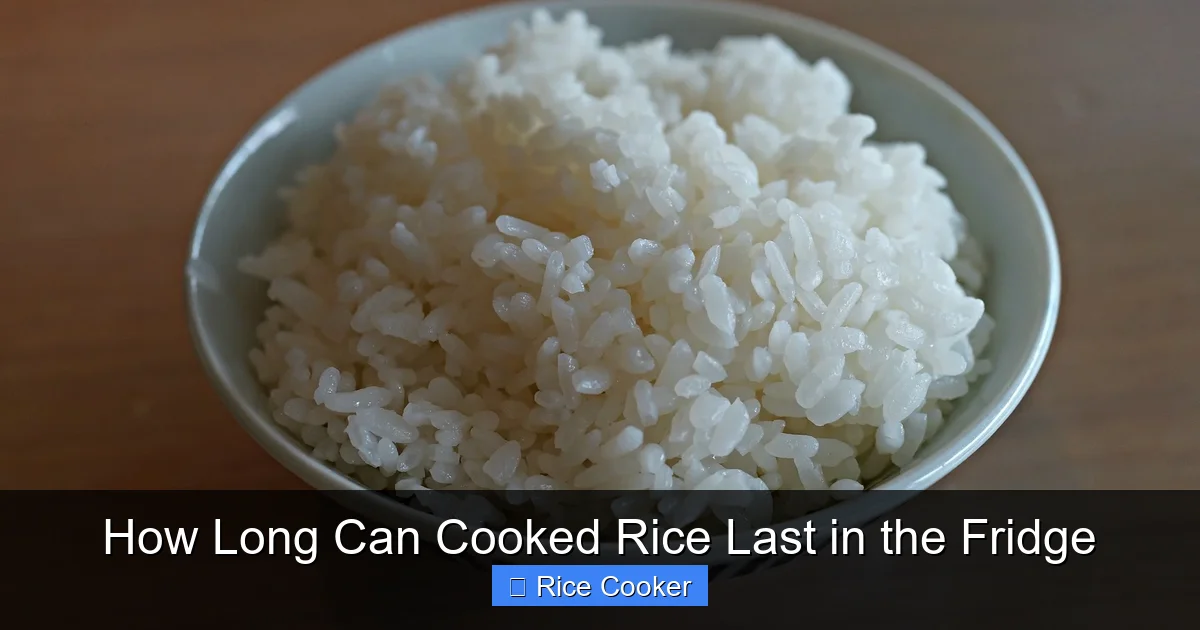
Cooked rice can last 3–4 days in the refrigerator, but only if stored properly in an airtight container within two hours of cooking. Never leave rice at room temperature for more than 2 hours, as this creates ideal conditions for harmful bacteria like Bacillus cereus to grow. Always cool rice quickly and refrigerate promptly to maintain safety and quality.
Key Takeaways
- Refrigeration Duration: Cooked rice is safe to eat for 3–4 days when stored correctly in the fridge.
- Temperature Control: Keep your refrigerator at or below 40°F (4°C) to slow bacterial growth.
- Proper Storage: Always use airtight containers to prevent contamination and moisture loss.
- Cooling Speed: Cool rice within 2 hours of cooking—never let it sit out longer.
- Safety Signs: Discard rice that smells off, feels slimy, or shows mold or unusual texture.
- Reheating Tips: Reheat rice thoroughly until steaming hot throughout to kill any potential bacteria.
- Freezing Option: For longer storage, freeze rice in portions for up to 1 year.
Key Takeaways
- Understanding how long can cooked rice last in the fridge: Provides essential knowledge
Quick Answers to Common Questions
How long can cooked rice last in the fridge?
Cooked rice is safe in the refrigerator for 3 to 4 days when stored in an airtight container and cooled within two hours of cooking.
Can you eat rice left out overnight?
No, rice left out overnight at room temperature is unsafe due to the risk of Bacillus cereus growth. Always refrigerate within two hours.
Is it safe to reheat rice?
Yes, but only if heated thoroughly to 165°F throughout. Never reheat rice more than once.
Does freezing rice kill bacteria?
Freezing slows bacterial growth and can kill many bacteria, but it’s safest to freeze within 3–4 days of cooking for best quality.
Can you tell if rice is spoiled by smell alone?
Yes—off odors, sliminess, mold, or discoloration are clear signs that rice has spoiled and should be discarded.
📑 Table of Contents
- How Long Can Cooked Rice Last in the Fridge?
- Why Does Cooked Rice Go Bad So Easily?
- The Science Behind Rice Spoilage
- How Long Is Cooked Rice Safe in the Refrigerator?
- Signs It’s Time to Throw Out Your Rice
- Best Practices for Storing Cooked Rice
- Can You Freeze Cooked Rice?
- Reheating Rice Safely
- Common Myths About Cooked Rice
- Special Considerations for Different Types of Rice
- What About Fried Rice?
- How to Make Leftover Rice More Delicious
- Conclusion: Keep It Safe, Keep It Fresh
How Long Can Cooked Rice Last in the Fridge?
You just made a big batch of fluffy jasmine rice for dinner, but there’s plenty left over. Instead of tossing it, you pop it in the fridge—but now you’re wondering: how long can cooked rice last in the fridge? This question isn’t just about convenience; it’s about food safety. Rice, especially cooked white rice, is notorious for harboring a sneaky bacterium called Bacillus cereus. While harmless in its raw form, this spore-forming bacteria can survive cooking and multiply rapidly in warm, moist environments—like leftover rice sitting on the counter.
The good news? With proper handling, your cooked rice can stay safe and tasty in the refrigerator for several days. But timing, temperature, and storage matter more than you might think. Let’s break down everything you need to know about keeping your rice fresh, safe, and delicious.
Why Does Cooked Rice Go Bad So Easily?
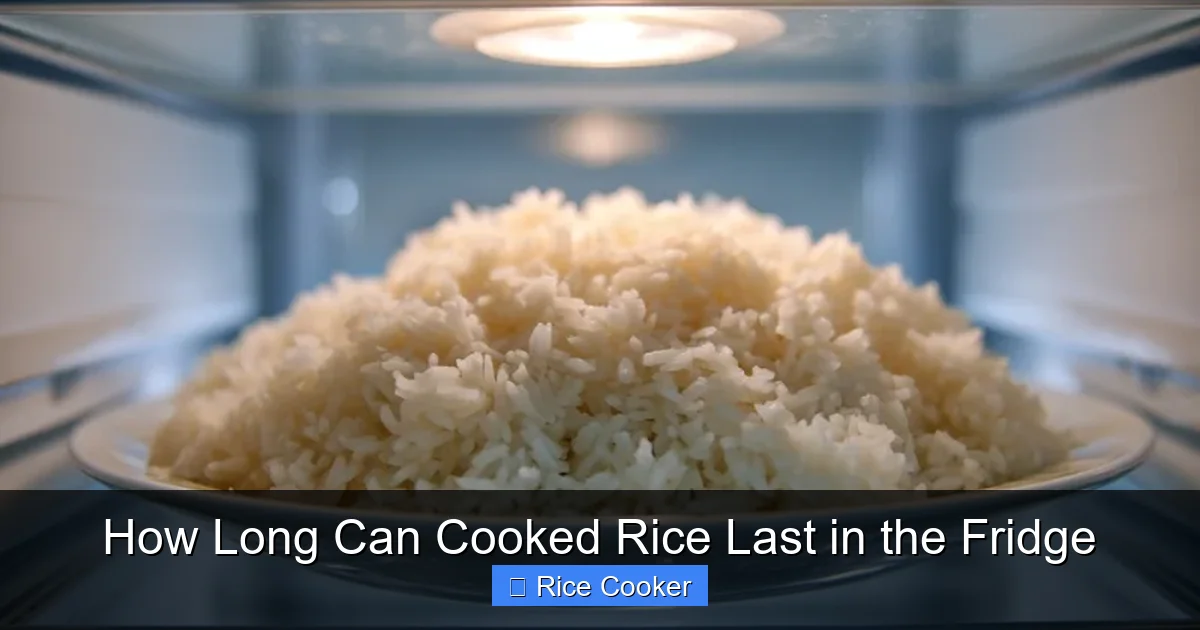
Visual guide about How Long Can Cooked Rice Last in the Fridge
Image source: kellytoeat.com
Cooked rice is essentially starch-based food sitting in a perfect breeding ground for bacteria. When rice is cooked, its starches become gelatinous, creating tiny pockets of moisture and warmth where microorganisms thrive. If left at room temperature, these bacteria can multiply fast—doubling their numbers every 20 minutes under ideal conditions.
But here’s the tricky part: Bacillus cereus doesn’t always make food taste bad. In fact, some strains produce toxins that cause food poisoning even after reheating. That’s why simply warming up old rice doesn’t guarantee safety. The spores can survive high heat and release toxins that lead to symptoms like nausea, vomiting, or diarrhea—often mimicking other foodborne illnesses.
So while your rice may look and smell fine, it could still be risky. That’s why knowing how long cooked rice lasts in the fridge isn’t just about saving money—it’s about protecting your health.
The Science Behind Rice Spoilage
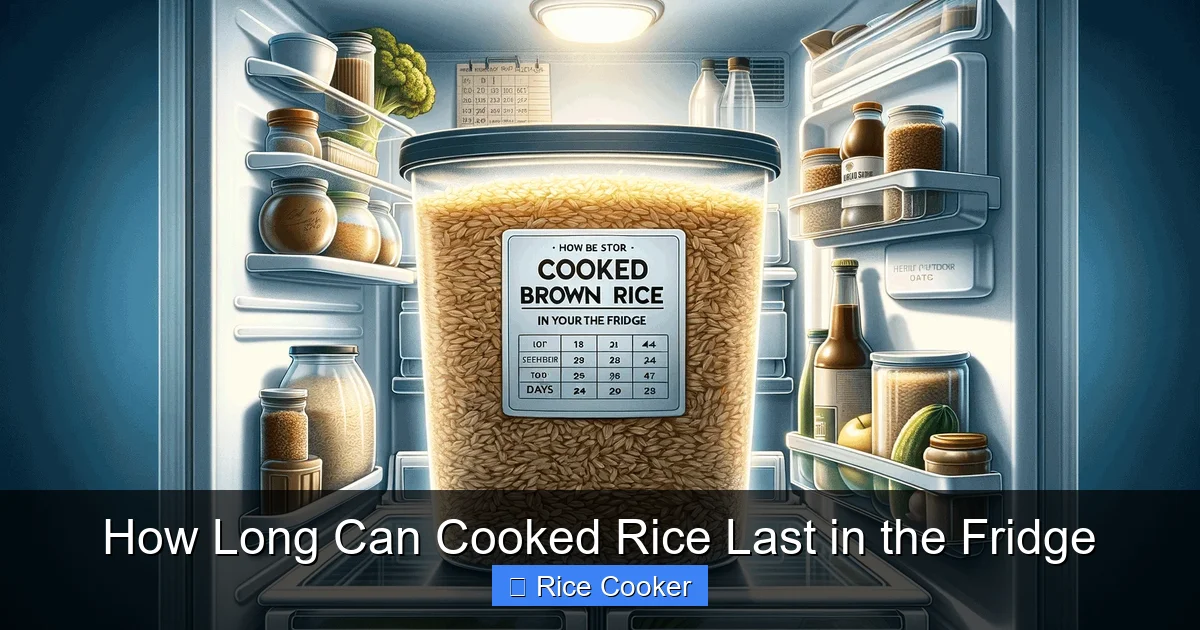
Visual guide about How Long Can Cooked Rice Last in the Fridge
Image source: expertreviewsbestricecooker.com
Understanding how rice spoils helps explain why refrigeration is so important. After cooking, rice contains residual moisture and carbohydrates that feed bacteria. When combined with warmth (above 40°F), this creates the perfect environment for microbial growth.
Bacillus cereus is particularly concerning because it forms heat-resistant spores. These spores survive standard boiling and can reactivate when rice is reheated improperly. Even if the rice looks fine, these spores can produce toxins that cause what’s known as “emetic” or “diarrheal” type food poisoning.
That’s why the USDA recommends never leaving cooked rice at room temperature for more than two hours—especially during warm weather when temperatures exceed 90°F, cutting that window down to just one hour.
How Long Is Cooked Rice Safe in the Refrigerator?
So, back to your original question: how long can cooked rice last in the fridge? The short answer: **3 to 4 days**.
According to food safety experts and guidelines from the U.S. Department of Agriculture (USDA), cooked rice kept in an airtight container in the refrigerator should be consumed within **three to four days**. Most people follow the “two-hour rule” and store it immediately, which keeps it well within the safe zone.
However, not all rice is created equal. Factors like:
– Type of rice (white vs. brown)
– Cooking method (water ratio, heat source)
– Initial bacterial load
– Storage conditions
…can affect shelf life. White rice, for example, has a shorter shelf life than brown rice because it lacks the protective bran layer. Brown rice contains natural oils that can go rancid faster, but its fiber content may offer slightly better preservation due to slower water absorption.
Still, for general purposes, stick to the 3–4 day rule for maximum safety.
Signs It’s Time to Throw Out Your Rice
Even if your rice hasn’t passed the 4-day mark, trust your senses. Here are clear signs that rice has gone bad:
- Off Smell: A sour, fermented, or rotten odor indicates spoilage.
- Mold Growth: Any visible fuzzy spots (white, green, or black) mean discard it immediately.
- Unusual Texture: Slimy, sticky, or overly mushy rice suggests bacterial activity.
- Discoloration: Dark patches or grayish tones are red flags.
- Reheating Issues: If rice won’t reheat evenly or develops a weird aftertaste, it’s best not to risk it.
When in doubt, throw it out. Food poisoning from contaminated rice is no joke—and it’s completely avoidable with smart storage habits.
Best Practices for Storing Cooked Rice
Want your rice to stay fresh longer? Follow these tried-and-true tips:
1. Cool Quickly
Don’t let rice sit at room temperature. Spread it out in shallow containers or transfer large batches to smaller dishes to speed cooling. Aim to chill it to below 40°F within two hours.
2. Use Airtight Containers
Glass or BPA-free plastic containers with tight-fitting lids are ideal. Avoid open bowls or paper bags—they expose rice to air, contaminants, and odors from other foods.
3. Label and Date
Write the date on the container. This simple step helps you track how long it’s been stored and avoid confusion later.
4. Store in the Coldest Part of the Fridge
Place rice near the back of the fridge, away from the door. The temperature here stays most stable—around 38–40°F.
5. Don’t Overcrowd the Shelf
Give containers space to allow cold air to circulate. Crowded shelves create warm spots that compromise food safety.
6. Portion for Reuse
If you plan to use the rice again soon, divide it into meal-sized portions. Frequent reheating increases bacterial risk, so minimize handling.
By following these steps, you’ll extend freshness and reduce waste—all while keeping your family safe.
Can You Freeze Cooked Rice?
Absolutely! Freezing is one of the best ways to preserve cooked rice for much longer periods. Frozen rice can stay safe and retain quality for **up to one year**, though flavor and texture may degrade slightly after six months.
To freeze rice:
– Cool it completely first.
– Portion into freezer-safe bags or containers.
– Remove as much air as possible from bags to prevent freezer burn.
– Label with the date.
When ready to eat, thaw in the fridge overnight or reheat directly from frozen (adding a splash of water to prevent drying).
Freezing also helps kill any lingering bacteria, making it a superior option compared to long-term refrigeration.
Reheating Rice Safely
Many people wonder: *Is it safe to reheat rice?* Yes—if done properly. The key is to bring it to an internal temperature of at least 165°F throughout.
Here’s how:
– Place rice in a microwave-safe dish, cover with a damp paper towel to retain moisture.
– Microwave on high for 1–2 minutes, stir, then check temperature.
– Continue heating in 30-second intervals until steaming hot.
– Alternatively, steam rice in a pot with a splash of water for even reheating.
Never reheat rice more than once. Each time you heat and cool it, bacterial risks increase. If you have leftovers, cook only what you’ll eat right away next time.
Common Myths About Cooked Rice
There are plenty of myths floating around about rice storage. Let’s clear them up:
Myth 1: “Rice Tastes Better the Next Day”
Some say letting rice sit overnight improves flavor. While this works for certain dishes like fried rice, it’s unsafe unless cooled and refrigerated immediately. Otherwise, bacterial growth starts within minutes.
Myth 2: “Boiling Old Rice Kills Bacteria”
Boiling doesn’t destroy all toxins produced by Bacillus cereus. The emetic toxin, in particular, is heat-stable. Boiling may kill live bacteria, but not the toxins they’ve already made.
Myth 3: “All Types of Rice Have the Same Shelf Life”
Brown rice, wild rice, and basmati behave differently due to oil content and grain structure. Always consider rice type when estimating freshness.
Myth 4: “Leftover Rice From Restaurants Is Safe Longer”
Restaurant practices vary widely. Unless you know they follow strict food safety protocols (like rapid chilling and proper storage), assume restaurant rice follows the same 3–4 day rule.
Myth 5: “You Can Leave Rice Out All Night”
Only true if you live in a cold climate and your home is below 40°F. Otherwise, two hours max—no exceptions.
Stick to science-backed guidelines, and you’ll avoid unnecessary risks.
Special Considerations for Different Types of Rice
Not all rice is alike. Here’s how common varieties compare:
White Rice
– Most common in Western kitchens.
– Shortest shelf life (3–4 days refrigerated).
– Highly absorbent; prone to drying out if not sealed well.
Brown Rice
– Contains natural oils that oxidize and turn rancid.
– Still safe for 3–4 days, but may develop off-flavors sooner.
– Best stored in airtight containers with oxygen absorbers or silica gel packs.
Wild Rice
– Less processed, so slightly more stable.
– Can last up to 5 days if handled properly.
– Often used in soups and salads, where texture matters less.
Instant or Parboiled Rice
– Pre-cooked or partially cooked, so more vulnerable.
– Check package instructions—some recommend using within 2–3 days.
Knowing your rice type helps tailor storage and usage plans.
What About Fried Rice?
Fried rice is a classic leftover dish, but it comes with extra risks. Eggs, vegetables, and sauces introduce multiple ingredients that can spoil faster than plain rice.
General rules:
– Refrigerate within 2 hours.
– Consume within 3 days.
– Reheat thoroughly to 165°F.
– Avoid adding new ingredients (like raw eggs) to leftover fried rice.
Also, avoid making fried rice with previously reheated rice—double reheating raises contamination chances.
How to Make Leftover Rice More Delicious
Don’t let great rice go to waste! Try these creative uses:
- Rice Pudding: Combine rice with milk, cinnamon, sugar, and raisins for a comforting dessert.
- Fried Rice: Add scrambled eggs, peas, carrots, soy sauce, and green onions.
- Risotto: Warm rice with broth gradually for creamy texture.
- Burgers or Patties: Mix with binder (egg, breadcrumbs) and herbs.
- Stuffed Peppers: Fill bell peppers with rice, tomato sauce, and cheese.
Get creative—your fridge-friendly rice can fuel dozens of meals.
Conclusion: Keep It Safe, Keep It Fresh
So, to wrap things up: how long can cooked rice last in the fridge? For most people, the sweet spot is **3 to 4 days** when stored in an airtight container and cooled quickly. Never skip the two-hour rule, and always trust your senses—smell, sight, and texture are powerful tools.
Whether you’re using a rice cooker, stovetop, or instant pot, the principles remain the same. Proper storage turns a potentially risky leftover into a safe, versatile ingredient for future meals.
With these tips, you’ll enjoy peace of mind every time you reach for that bowl of leftover rice. And who knows? Maybe you’ll even start calling it “the secret ingredient” in your kitchen.
Frequently Asked Questions
How long does cooked rice last in the fridge?
Cooked rice lasts 3 to 4 days in the refrigerator when stored properly in an airtight container. Always cool it within two hours of cooking.
Can I eat rice that’s been in the fridge for a week?
It’s not recommended. After 4 days, the risk of bacterial growth increases significantly. When in doubt, throw it out.
Why does rice sometimes make me sick?
This is likely due to Bacillus cereus, a bacterium that can produce heat-stable toxins. Improper storage or reheating may trigger food poisoning.
Is brown rice safer than white rice for leftovers?
Both have similar refrigeration timelines, but brown rice may develop rancidity faster due to natural oils. Proper storage is key for both types.
Should I rinse rice before storing it?
No. Rinsing removes excess starch and affects texture. Once cooked, store rice as-is in a clean, airtight container.
Can I refreeze rice that was thawed?
Yes, but only once. Refreezing reduces quality and increases bacterial risk. Plan portion sizes accordingly when freezing.