

Leaving rice in the rice cooker for too long can lead to spoilage, bacterial growth, and a mushy texture. Most experts recommend using rice within 1–2 hours at room temperature, but refrigerated rice stays safe up to 4 days. To maintain quality, always cool rice quickly and store it properly. Understanding these time limits helps prevent foodborne illness and keeps meals delicious.
**How Long Can I Leave Rice in the Rice Cooker?**
You’ve just finished cooking a perfect pot of rice—fluffy, golden, and ready to eat. But then life happens: someone calls, the phone rings, or you get distracted by a sudden burst of cleaning energy. Before you know it, your warm, delicious rice sits in the rice cooker for 30 minutes, then an hour, then two. You start wondering, *“Is this still okay to eat?”* Or maybe you’re asking yourself, *“Can I just leave rice in the rice cooker overnight?”*
This is a common dilemma for home cooks and busy families alike. After all, rice cookers are designed to keep food warm—but that doesn’t mean they’re built for long-term storage. In fact, leaving rice in the rice cooker for extended periods can be risky. The good news? With a few simple rules and smart habits, you can enjoy your rice safely and deliciously—every single time.
In this article, we’ll break down exactly how long you can leave rice in the rice cooker, why timing matters, what to do with leftovers, and how to tell if rice has gone bad. Whether you’re meal prepping for the week or simply trying to avoid waste, understanding rice safety is essential.
—
Key Takeaways
- Room Temperature Limit: Do not leave cooked rice sitting out for more than 2 hours—ideally, use it within 1 hour to avoid bacterial growth like Bacillus cereus.
- Refrigeration Safety: Store leftover rice in an airtight container in the fridge for up to 4 days. Freezing extends shelf life to 6–12 months.
- Cooling Matters: Transfer hot rice to shallow containers and refrigerate promptly. Rapid cooling prevents moisture buildup and slows spoilage.
- Rice Cooker Lid Status: Leaving the lid open allows bacteria to enter; keeping it closed traps heat and humidity, increasing risk of contamination.
- Reheating Guidelines: Always reheat rice to an internal temperature of 165°F (74°C) to kill potential pathogens.
- Type of Rice Affects Shelf Life: White rice lasts slightly longer than brown rice due to lower oil content—brown rice spoils faster because of its natural oils.
- Trust Your Senses: If rice smells off, tastes strange, or has mold, discard it immediately—don’t risk food poisoning.
Quick Answers to Common Questions
Can I leave rice in the rice cooker overnight?
No, it’s unsafe. Rice should not sit at room temperature for more than 2 hours. Overnight storage increases the risk of bacterial growth and spoilage.
Is it okay to leave rice in the rice cooker with the lid on?
For short periods (under 2 hours), yes—but not ideal. Condensation and trapped moisture promote bacterial growth. Cool and refrigerate promptly instead.
How do I cool rice fast for safe storage?
Transfer hot rice to shallow containers, stir occasionally, and place the container in an ice bath to cool quickly and avoid the “danger zone” where bacteria multiply.
Can I eat rice that’s been in the rice cooker for 3 hours?
It’s not recommended. After 2 hours, the risk of food poisoning rises significantly. When in doubt, throw it out.
Does type of rice affect how long it can sit in the rice cooker?
Yes. Brown rice has more natural oils and spoils faster than white rice. Both should be used or refrigerated within 2 hours, but brown rice is more fragile.
📑 Table of Contents
- The Science Behind Rice Safety
- How Long Is Too Long?
- What Happens When Rice Sits Too Long?
- Best Practices for Storing Rice Safely
- Brown Rice vs. White Rice: Different Rules?
- Can You Freeze Rice in the Rice Cooker?
- Signs Your Rice Has Gone Bad
- Tips for Preventing Waste and Keeping Rice Fresh
- Conclusion: Keep It Safe, Keep It Delicious
The Science Behind Rice Safety
Rice contains starch and moisture—two ingredients that bacteria love. When rice is cooked, the starches gelatinize, creating a warm, moist environment perfect for microbial growth. One particularly troublesome bacterium is Bacillus cereus, which can survive cooking and produce toxins that cause food poisoning.
These spores are naturally present in soil and grains. When rice is cooked and allowed to sit, especially in warm environments, B. cereus can multiply rapidly. Even worse: the toxins they produce aren’t destroyed by normal reheating. That means if you eat rice that’s been left out too long, you could feel sick—even if it looks and smells fine.
That’s why the “2-hour rule” exists. The USDA and food safety experts agree: perishable food like cooked rice should never sit at room temperature for more than 2 hours. After that, the risk of bacterial growth becomes significant.
So while your rice cooker may keep things warm, it’s not a food safety device. It’s a cooking appliance with a warming function—not a refrigerator substitute.
—
How Long Is Too Long?
Visual guide about How Long Can I Leave Rice in the Rice Cooker
Image source: twinstripe.com
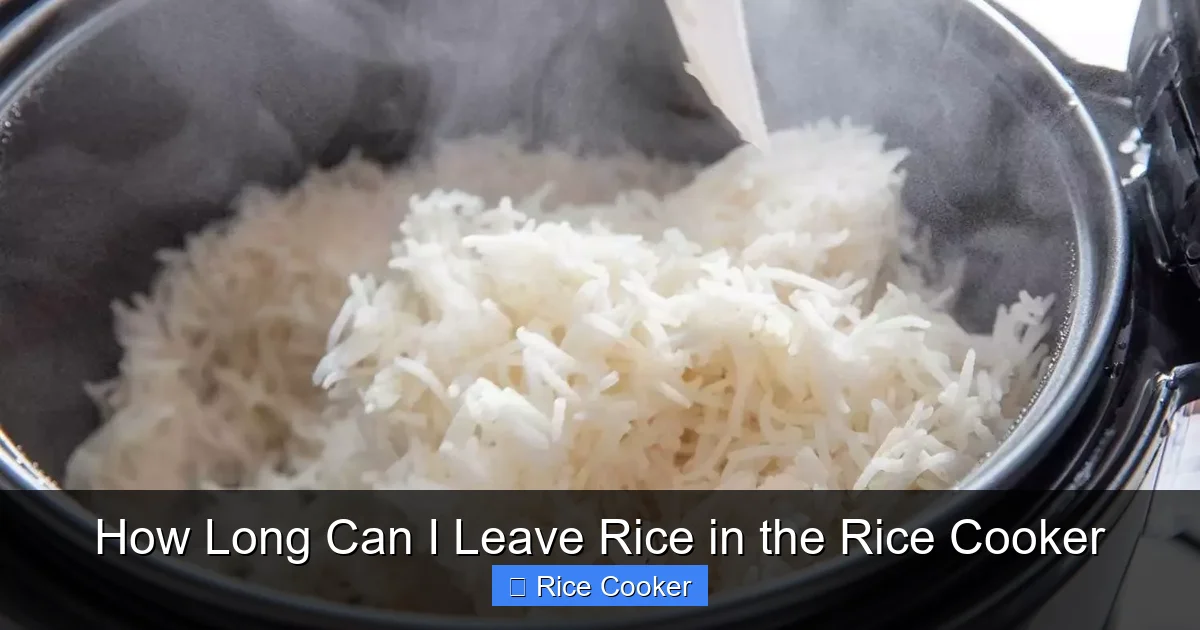
Let’s get straight to the point: **you should not leave rice in the rice cooker for more than 2 hours.**
Here’s a quick breakdown:
– **0–1 hour:** Ideal. Rice is fresh, safe, and full of flavor.
– **1–2 hours:** Acceptable, but best used soon. The longer it sits, the higher the risk.
– **2+ hours:** Unsafe. Discard the rice to avoid foodborne illness.
Now, here’s where people get confused: *What about when the rice cooker is on the “Keep Warm” setting?* Many modern rice cookers automatically switch to keep-warm mode after cooking. This feature is convenient, but it doesn’t make rice safe for long-term storage.
The keep-warm function typically maintains rice at around 165°F (74°C), which sounds hot—and safe—but the problem is that it’s not consistently that hot throughout the entire pot. Also, moisture evaporates unevenly, creating pockets of warmth that encourage bacterial growth.
Plus, most keep-warm settings cycle on and off, meaning the temperature fluctuates. These swings can create ideal conditions for bacteria to thrive.
So even if your rice cooker says “Keep Warm,” don’t treat it like a storage unit. Use the rice promptly or transfer it to the fridge within the first hour.
—
What Happens When Rice Sits Too Long?
Visual guide about How Long Can I Leave Rice in the Rice Cooker
Image source: ricearray.org
Leaving rice in the rice cooker doesn’t just risk food poisoning—it also affects the texture and taste.
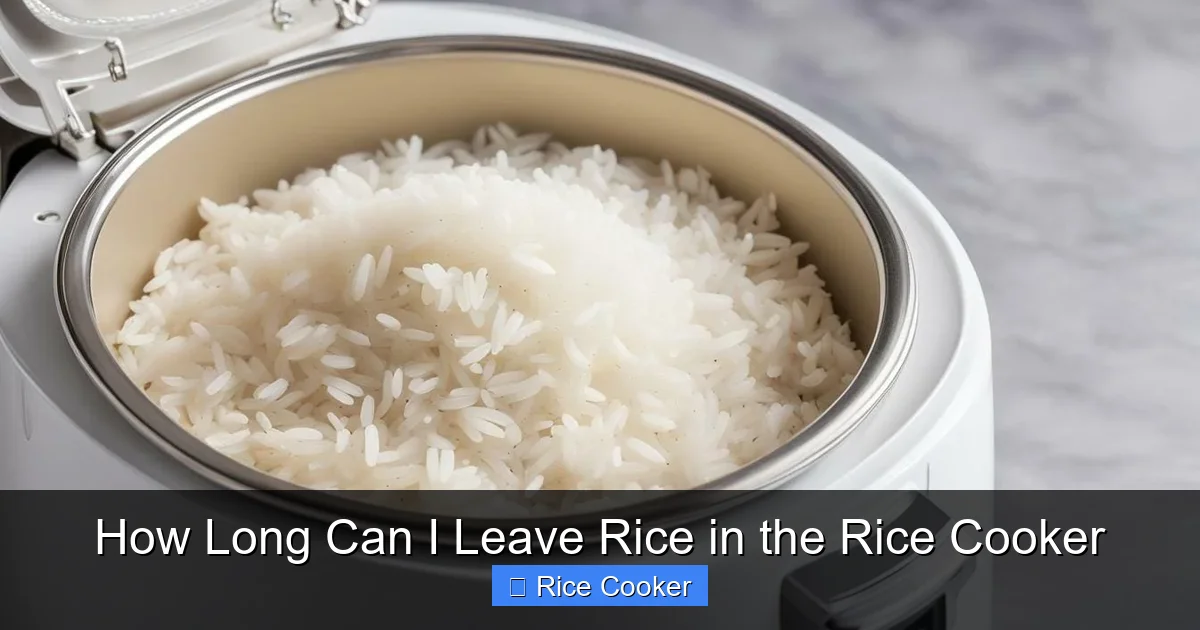
Over time, the rice absorbs excess moisture from the cooker, becoming soggy and sticky. The grains may clump together, making it hard to fluff them back into their original fluffy state. The flavor can also become bland or slightly sour as bacteria break down the starches.
Another issue is oxidation. When exposed to air (especially if the lid is left off), rice turns grayish or develops a dull appearance. While this doesn’t necessarily mean it’s unsafe, it does indicate that nutrients and freshness have diminished.
And let’s talk about mold. If you leave rice uncovered for several hours, tiny spores in the air can land on the surface and grow. Mold thrives in warm, moist environments—perfect conditions for your rice cooker.
Even with the lid on, condensation builds up inside. That moisture drips back onto the rice, creating a damp, inviting environment for bacteria and mold.
—
Best Practices for Storing Rice Safely
If you can’t eat your rice right away, here’s how to handle it properly:
1. Cool It Quickly
Don’t just pop the lid and walk away. Hot rice needs to be cooled fast to stop bacterial growth. The danger zone for food (where bacteria multiply fastest) is between 40°F and 140°F (4°C to 60°C). You want to move rice out of that range as quickly as possible.
To speed things up:
– Transfer the rice to shallow, wide containers.
– Stir it occasionally to release heat.
– Place the container in an ice bath (mix equal parts water and ice) if needed.
This rapid cooling method can reduce temperature from 140°F to below 70°F in under 90 minutes—well before the 2-hour danger window closes.
2. Store in Airtight Containers
Once cooled, put the rice in a clean, airtight container. Glass or BPA-free plastic works best. Avoid leaving rice in the rice cooker pot unless it’s going straight into the fridge—and even then, transfer it promptly.
Airtight containers prevent odors from seeping in and stop moisture loss, which helps maintain texture.
3. Refrigerate Promptly
Place the container in the refrigerator within 1 hour of cooking. The colder temperature slows bacterial growth significantly.
Remember: refrigeration doesn’t stop spoilage—it just slows it down. So even though rice is safe in the fridge for 3–4 days, it won’t stay fresh forever.
4. Label and Date
Always label your rice containers with the date. This helps you track how long it’s been stored and ensures you use older batches first.
Use a permanent marker or tape with a label—something easy to read and remove.
5. Reheat Thoroughly
When you’re ready to eat leftover rice, reheat it to at least 165°F (74°C). The best way is to microwave it with a splash of water (to prevent drying) and cover it to trap steam.
Stirring halfway through helps ensure even heating. Never reheat rice more than once—bacteria can regrow if the rice isn’t cooled and stored properly after reheating.
—
Brown Rice vs. White Rice: Different Rules?
You might think all rice behaves the same, but there’s a difference between white and brown rice when it comes to storage.
Brown rice contains more natural oils, especially in the bran layer. These oils are healthy but also more prone to rancidity. Because of this, brown rice has a shorter shelf life than white rice—even when uncooked.
After cooking, brown rice spoils faster due to these oils. It’s generally recommended to eat brown rice within 3–4 days in the fridge, compared to white rice’s 5–7 days.
So if you’re storing leftovers, white rice gives you a bit more flexibility. But both types follow the same basic safety rules: don’t leave them out too long, cool them fast, and refrigerate promptly.
—
Can You Freeze Rice in the Rice Cooker?
Yes—but only after transferring it to freezer-safe containers.
You cannot freeze rice directly in the rice cooker. The pot isn’t designed for freezing, and the metal can crack or warp when exposed to extreme cold.
Instead:
– Portion the rice into freezer bags or airtight containers.
– Remove as much air as possible before sealing.
– Label with the date and contents.
Frozen rice can last 6–12 months. When thawing, let it come to room temperature or reheat it directly from frozen.
Pro tip: Divide rice into small portions so you only thaw what you need. This prevents repeated reheating cycles, which can degrade quality.
—
Signs Your Rice Has Gone Bad
Sometimes rice looks and smells fine, but something’s off. Here’s how to tell if rice is spoiled:
– **Off smell:** A sour, rancid, or ammonia-like odor means it’s time to toss it.
– **Mold:** Visible spots of green, black, or white fuzz are a clear sign of spoilage.
– **Unusual texture:** If it’s slimy or overly sticky, don’t risk it.
– **Color change:** Gray or dark patches may indicate bacterial growth or oxidation.
– **Gassy smell:** Foul, sulfurous odors are a red flag.
Even if none of these are present, trust your gut. If you’re unsure, throw it out. Better safe than sorry when it comes to food poisoning.
—
Tips for Preventing Waste and Keeping Rice Fresh
Nobody wants to throw away perfectly good rice. Here are some practical tips to minimize waste:
– **Cook only what you need.** Use a measuring cup to estimate portions based on number of servings.
– **Portion ahead.** Divide rice into individual serving sizes and freeze them. This makes reheating quick and easy.
– **Repurpose leftovers.** Turn leftover rice into fried rice, rice bowls, or rice pudding.
– **Use a timer.** Set a reminder on your phone if you tend to forget about rice in the cooker.
– **Invest in a smaller rice cooker.** If you often cook too much, a 2-cup model might be enough for daily use.
Small changes in routine can make a big difference in food safety and waste reduction.
—
Conclusion: Keep It Safe, Keep It Delicious
Leaving rice in the rice cooker might seem harmless, but it’s actually a common source of food safety concerns. Bacteria like Bacillus cereus can grow rapidly in the warm, moist environment of a rice cooker—especially when left uncovered or unmonitored.
The bottom line? **Use rice within 1–2 hours, or refrigerate it promptly.** Don’t rely on the keep-warm setting as a storage solution. Cool rice fast, store it in airtight containers, and reheat it thoroughly when eating again.
By following these simple steps, you’ll protect your health, preserve the taste and texture of your rice, and reduce kitchen waste. Whether you’re cooking for one or feeding a family, knowing how long you can leave rice in the rice cooker is key to safe, delicious meals every time.
—
Frequently Asked Questions
How long can cooked rice stay in a rice cooker?
Cooked rice should not remain in the rice cooker for more than 2 hours. After that, the risk of bacterial growth increases significantly, especially with species like Bacillus cereus.
Should I leave the lid open or closed on the rice cooker?
Leave the lid closed to retain heat, but only for short periods. For long-term storage, it’s safer to transfer rice to the refrigerator within an hour and keep the lid off during cooling to prevent moisture buildup.
Can I reheat rice that was left in the rice cooker?
Only if it was refrigerated promptly and hasn’t exceeded 4 days of storage. Reheat rice to an internal temperature of 165°F (74°C) and never reheat it more than once.
Why does rice go bad faster in the rice cooker?
Rice cookers maintain a warm, moist environment ideal for bacterial growth. Without proper cooling or refrigeration, bacteria like Bacillus cereus can multiply quickly, especially after 2 hours.
What’s the difference between white and brown rice storage?
Brown rice has more natural oils, making it more prone to rancidity and spoilage. It should be eaten sooner—within 3–4 days in the fridge—while white rice can last 5–7 days.
Can I freeze rice directly in the rice cooker?
No. Freezing rice directly in the rice cooker can damage the pot. Instead, transfer rice to freezer-safe containers, remove excess air, and seal tightly before freezing.