
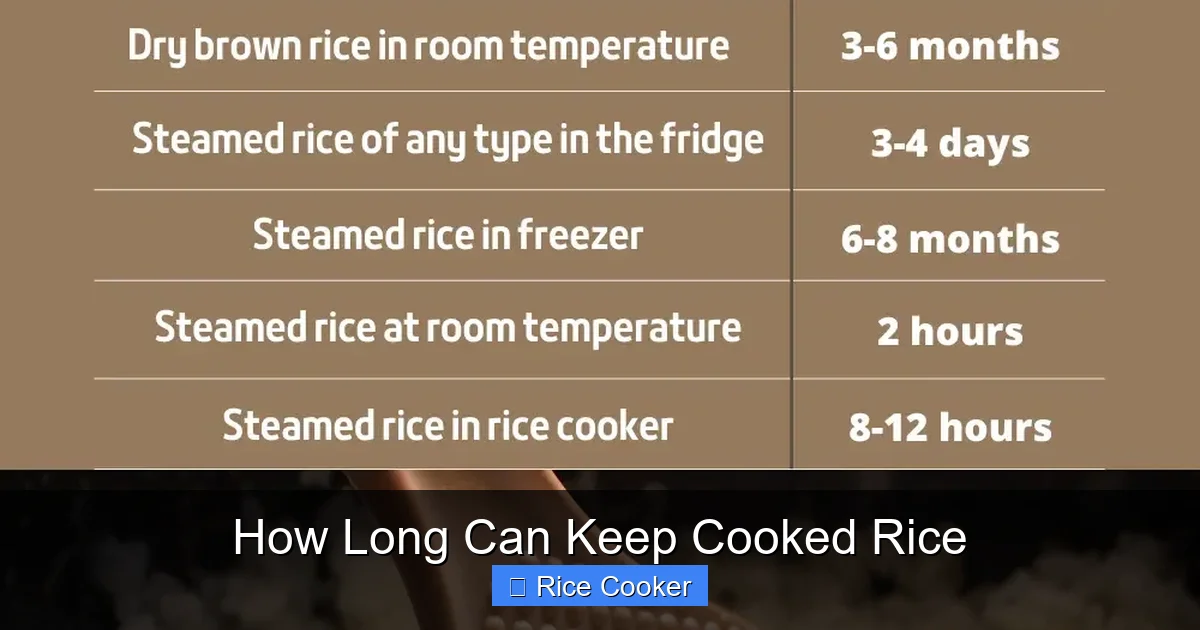
Cooked rice can be kept in the refrigerator for up to 5 days and in the freezer for up to 6 months, but only if stored properly. Always cool rice quickly, use airtight containers, and reheat thoroughly to reduce the risk of food poisoning. Following safe handling practices ensures your meals stay delicious and safe to eat.
Key Takeaways
- Refrigeration Limit: Cooked rice should be consumed within 5 days when stored at 40°F (4°C) or below.
- Freezing for Longer Storage: Properly frozen rice can last up to 6 months without significant quality loss.
- Cooling Is Critical: Cool rice rapidly within 2 hours to prevent bacterial growth, especially Bacillus cereus.
- Use Airtight Containers: Store rice in sealed containers or wrap tightly to avoid drying out and contamination.
- Reheat Safely: Always reheat rice to an internal temperature of 165°F (74°C) to kill potential bacteria.
- Watch for Signs of Spoilage: Discard rice if it smells off, has a slimy texture, or unusual color changes.
- Portion Control Helps: Divide large batches into smaller portions before refrigerating to speed cooling and improve safety.
Quick Answers to Common Questions
How long can cooked rice last in the fridge?
Cooked rice can be safely stored in the refrigerator for up to 5 days when kept at 40°F (4°C) or below. Always cool it quickly and use airtight containers to maintain freshness.
Can you freeze cooked rice?
Yes, cooked rice can be frozen for up to 6 months. Portion it into airtight containers or bags, label them, and thaw in the fridge before reheating.
Is it safe to reheat rice more than once?
While you can reheat rice multiple times, each cycle increases the risk of bacterial growth. Minimize reheating by dividing rice into single servings and only reheating what you plan to eat.
What should you do if rice smells off?
If cooked rice has a sour, rancid, or foul odor, it’s likely spoiled. Discard it immediately—don’t taste it or risk food poisoning.
Does brown rice last longer than white rice?
No, brown rice has a shorter shelf life due to its natural oils. It should be used within 3–4 days in the fridge, compared to 5 days for white rice.
📑 Table of Contents
- How Long Can You Keep Cooked Rice? Everything You Need to Know
- Why Does Rice Go Bad So Easily?
- How Long Can You Keep Cooked Rice in the Refrigerator?
- How to Store Cooked Rice in the Fridge
- Can You Freeze Cooked Rice?
- How to Reheat Cooked Rice Safely
- Common Mistakes People Make with Cooked Rice
- Special Considerations: Brown Rice vs. White Rice
- How to Tell If Cooked Rice Is Still Good
- Creative Ways to Use Leftover Rice
- Conclusion: Keep Your Rice Safe and Delicious
How Long Can You Keep Cooked Rice? Everything You Need to Know
You’ve just finished a perfect dinner—steamed vegetables, tender chicken, and a generous portion of fluffy white rice. But life gets busy, and sometimes you end up with leftovers. So, how long can you keep cooked rice? The short answer is: up to 5 days in the refrigerator, if handled correctly. But there’s more to it than just time. Understanding how to store, cool, and reheat rice safely can make the difference between a tasty meal and a risky one.
Rice is a staple in kitchens around the world, but it comes with a hidden danger: Bacillus cereus, a bacteria that thrives in cooked grains. This bacterium doesn’t spoil the rice immediately, but its spores survive cooking and can multiply when rice is left at room temperature. That’s why improper storage is a leading cause of foodborne illness linked to rice. In this guide, we’ll walk you through everything you need to know about keeping cooked rice safe—from refrigeration and freezing to reheating and spotting signs of spoilage. Whether you’re using a rice cooker, stovetop, or microwave, these tips apply to all types of cooked rice.
Why Does Rice Go Bad So Easily?
The Hidden Danger of Bacillus Cereus
Most people assume that once rice is cooked, it’s stable. But that’s not true. Cooked rice can harbor Bacillus cereus, a spore-forming bacteria common in soil and grains. These spores are heat-resistant, meaning they survive the cooking process. When rice is left at room temperature—especially between 40°F and 140°F (4°C to 60°C)—the spores germinate, grow, and produce toxins that cause food poisoning.

Visual guide about How Long Can Keep Cooked Rice
Image source: foodiosity.com
Symptoms of rice-related food poisoning include nausea, vomiting, and diarrhea. While not always severe, these symptoms can leave you feeling unwell for hours. The worst part? The toxin isn’t destroyed by reheating. So even if you cook the rice again, the poison remains. That’s why proper cooling and storage are non-negotiable.
Temperature Is Everything
The “danger zone” for bacterial growth is between 40°F and 140°F. This is why you should never leave cooked rice sitting out for more than 2 hours (or 1 hour if the room is above 90°F). Rapid cooling helps push the rice out of this temperature range quickly, minimizing bacterial activity.
Using a rice cooker with a warming function can actually be dangerous. Many models keep rice at 170°F or higher, which sounds hot enough—but it’s still in the danger zone for bacterial growth. If you’re using a rice cooker, turn it off as soon as the rice is done cooking and transfer it to a shallow container for cooling.
How Long Can You Keep Cooked Rice in the Refrigerator?
The 5-Day Rule Explained
According to the U.S. Department of Agriculture (USDA), cooked rice can be safely stored in the refrigerator for up to 5 days. This applies to white rice, brown rice, jasmine, basmati, and any other variety. After that, the risk of bacterial growth increases significantly.

Visual guide about How Long Can Keep Cooked Rice
Image source: rusticaly.com
Five days isn’t a strict deadline—it depends on how well you store the rice. If you follow best practices, some rice might still be good beyond that window. But if you skip steps like rapid cooling or use poor containers, it could go bad in just 2–3 days.
Signs Your Refrigerated Rice Has Gone Bad
Even if rice is within the 5-day limit, check for these warning signs:
- Unpleasant odor: Sour or rancid smell indicates spoilage.
- Slimy texture: Normal rice should be dry and grainy. Sliminess suggests bacterial growth.
- Mold or discoloration: White spots, fuzzy patches, or darkening are red flags.
- Off taste: Bitter, sour, or metallic flavors mean it’s time to throw it away.
If you notice any of these, discard the rice immediately. Don’t take chances with food safety.
How to Store Cooked Rice in the Fridge
Step-by-Step Guide to Safe Refrigeration
Follow these steps to keep your cooked rice fresh and safe:
- Cool Quickly: Spread rice in a single layer in a shallow container or tray. Place it in the fridge within 2 hours of cooking. For faster cooling, add ice packs around the container or stir occasionally.
- Use Airtight Containers: Transfer cooled rice into sealed plastic containers, glass jars, or vacuum-sealed bags. This prevents drying and cross-contamination.
- Label and Date: Write the date on the container so you know how long it’s been stored.
- Store Properly: Place the container on a shelf in the main part of the fridge (not the door) where temperatures are most consistent.
Portion Control Matters
Leftover rice often gets reheated multiple times. Each reheating cycle increases the risk of bacterial growth. To minimize this, divide large batches into smaller portions (about 1-cup servings) before refrigerating. This way, you only reheat what you plan to eat.
Can You Freeze Cooked Rice?
Yes! Freezing Extends Shelf Life Significantly
Freezing is one of the best ways to preserve cooked rice for longer periods. When frozen properly, rice can last up to 6 months while maintaining good quality. Unlike refrigeration, freezing stops bacterial growth entirely.
How to Freeze Cooked Rice Safely
- Cool First: Let rice cool completely before freezing. Hot rice can raise the freezer’s temperature temporarily, affecting other foods.
- Portion It Out: Use freezer-safe containers or heavy-duty zip-top bags. Leave a little headspace for expansion.
- Flatten Bags: If using bags, lay them flat to freeze faster and save space.
- Label Clearly: Include the date and contents on each container.
Thawing and Reheating Frozen Rice
Thaw frozen rice in the refrigerator overnight for best results. Alternatively, microwave it on low power with a damp paper towel to retain moisture. Never thaw at room temperature—this brings rice back into the danger zone too slowly.
When reheating, ensure the rice reaches 165°F (74°C) throughout. Stir frequently and add a splash of water if it seems dry. Avoid using the microwave’s “high” setting for too long, as uneven heating can leave cold spots where bacteria survive.
How to Reheat Cooked Rice Safely
Microwave Method (Quick & Easy)
Place rice in a microwave-safe dish. Add a tablespoon of water per cup of rice to prevent drying. Cover with a damp paper towel or lid to trap steam. Microwave on high for 1–2 minutes, stir, then heat in 30-second intervals until hot throughout.
Stovetop Method (Best Flavor)
Heat a skillet over medium heat. Add a bit of oil or butter, then warm the rice in small batches. Stir constantly to prevent sticking and ensure even heating. Cover the pan to help steam the rice from below.
Oven Method (For Large Batches)
Preheat oven to 350°F (175°C). Spread rice on a baking sheet or in an oven-safe dish. Drizzle with water or broth, cover tightly with foil, and bake for 10–15 minutes, stirring halfway through.
No matter the method, always check that the rice is steaming hot before serving. Cold spots are a breeding ground for bacteria.
Common Mistakes People Make with Cooked Rice
Leaving Rice at Room Temperature Too Long
This is the #1 mistake. Many people cook rice, let it sit on the counter while they clean up, and forget about it. By the time they remember, several hours have passed—and the rice may already be unsafe.
Reusing the Same Container Without Cleaning
After eating a portion, don’t just scoop out more from the same container without cleaning it first. Bacteria can transfer from utensils and hands back into the rice.
Not Stirring During Cooling
Stirring rice as it cools helps distribute heat evenly and speeds up the process. Skipping this step can leave the center warm for longer.
Using the Rice Cooker’s “Warm” Setting for Hours
As mentioned earlier, many rice cookers keep rice at a temperature that promotes bacterial growth. Turn it off immediately after cooking and transfer the rice elsewhere.
Assuming All Rice Is the Same
Brown rice has a shorter shelf life than white rice due to its higher fat content. While both can be stored for 5 days in the fridge, brown rice may go rancid faster. Always check smell and texture.
Special Considerations: Brown Rice vs. White Rice
Shelf Life Differences
White rice has a longer shelf life because it lacks the bran and germ found in brown rice. Those components contain natural oils that can oxidize and turn rancid. As a result, brown rice should be used within 3–4 days in the fridge, compared to 5 days for white rice.
Storage Tips for Brown Rice
- Store in an airtight container in the fridge or freezer.
- Consider buying brown rice in smaller quantities if you don’t use it often.
- Look for vacuum-sealed packages to extend freshness.
How to Tell If Cooked Rice Is Still Good
Visual and Olfactory Checks
Before tasting, do a quick inspection. Fresh cooked rice should look dry, separated, and slightly glossy. Any cloudiness, mold, or discoloration means it’s time to toss it.
Taste Test (With Caution)
If the rice passes visual and smell tests, take a tiny taste. If it’s bland or slightly sweet, it’s likely fine. But if it tastes sour, bitter, or metallic, don’t risk it.
Remember: When in doubt, throw it out. Foodborne illness is serious, and rice-related cases are preventable with proper care.
Creative Ways to Use Leftover Rice
Rice Bowls and Fried Rice
Transform leftover rice into delicious meals. Try building a rice bowl with roasted veggies, grilled chicken, and a soy-ginger sauce. Or stir-fry it with eggs, onions, and your favorite seasonings for homemade fried rice.
Risotto and Stuffed Peppers
Use cooled rice as the base for creamy risotto or stuff bell peppers with seasoned rice and cheese for a comforting casserole.
Rice Pudding and Desserts
Turn leftover rice into sweet treats like rice pudding, churros, or sushi rolls with fruit fillings.
The key is planning ahead. Cook a little extra rice next time so you have ingredients ready for quick, nutritious meals.
Conclusion: Keep Your Rice Safe and Delicious
So, how long can you keep cooked rice? Up to 5 days in the fridge, or up to 6 months in the freezer—if you follow safe storage practices. The real challenge isn’t just the time limit; it’s preventing bacterial growth from the start. By cooling rice quickly, using airtight containers, and reheating thoroughly, you protect yourself and your family from foodborne illness.
Whether you’re using a rice cooker, stovetop, or microwave, the principles remain the same. Treat rice like any other perishable food: handle it with care, store it properly, and trust your senses when deciding whether it’s still good. With these tips, you can enjoy leftover rice safely—and maybe even find new favorites in your kitchen.
Frequently Asked Questions
How long can cooked rice be left out at room temperature?
Never leave cooked rice at room temperature for more than 2 hours (or 1 hour if the environment is above 90°F). This helps prevent bacterial growth, especially from Bacillus cereus.
Can I eat rice that’s been in the fridge for a week?
It’s not recommended. While some rice might still look okay, the risk of foodborne illness increases after 5 days. Check for spoilage signs like sliminess or off odors before deciding.
Is it okay to use a rice cooker’s “warm” setting for hours?
No. Most rice cookers keep rice at temperatures between 140°F and 170°F, which is ideal for bacterial growth. Turn it off as soon as cooking is complete and move the rice to a safer storage location.
How do I cool rice fast for refrigeration?
Spread rice thinly in a shallow container, place it in an ice bath, or stir occasionally. Using multiple containers also speeds up cooling. Aim to get it below 40°F within 2 hours.
Can I eat rice that was left out overnight?
It’s risky. If rice was left out for more than 2 hours, it should be discarded. Bacillus cereus can produce toxins that aren’t killed by reheating, making it unsafe to consume.
Does freezing rice affect its texture?
Yes, frozen rice can become slightly softer or stickier after thawing. To minimize this, don’t freeze rice that will be eaten cold. Instead, use frozen rice for dishes like fried rice or casseroles.