
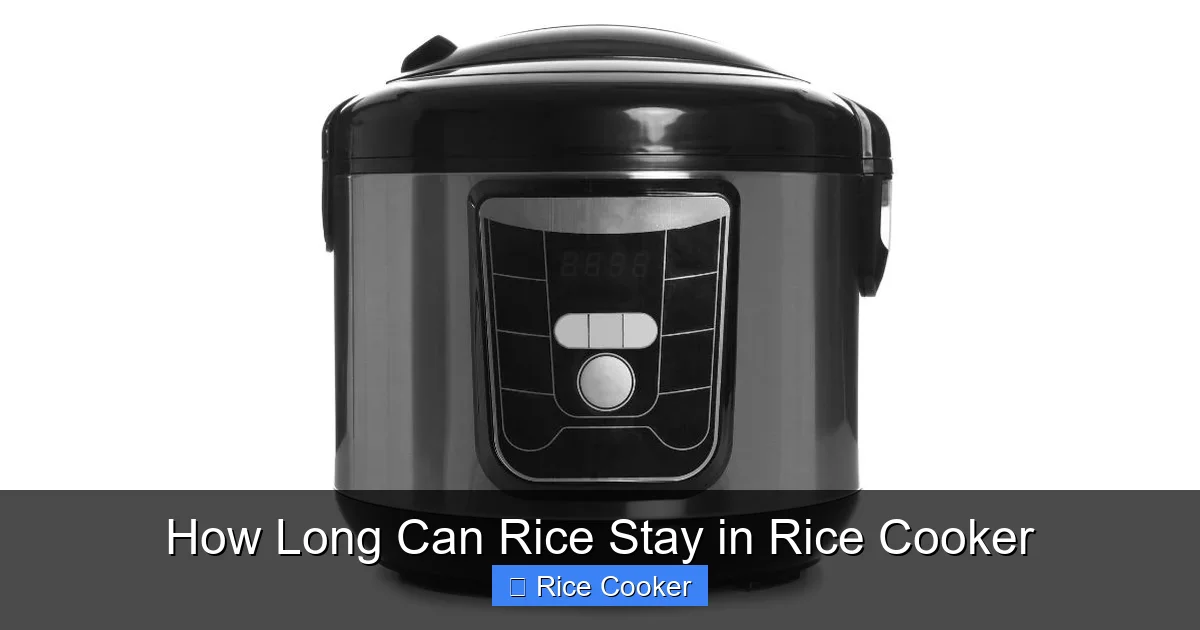
How long can rice stay in a rice cooker? Generally, cooked rice should not remain in the rice cooker for more than 2–4 hours at room temperature, as it becomes a breeding ground for bacteria like *Bacillus cereus*. For optimal safety and taste, transfer leftover rice to an airtight container and refrigerate within two hours of cooking. Always reheat thoroughly to steaming hot before serving.
Have you ever wondered what happens when you leave rice in the rice cooker overnight? It might seem harmless, but there’s more to this common kitchen habit than meets the eye. The humble rice cooker, a staple in kitchens across the globe, does more than just cook rice—it keeps it warm. But how long is too long? Can you leave rice in the rice cooker for hours, or even days? These are questions many home cooks ask, especially those looking to save time or avoid washing dishes.
In this comprehensive guide, we’ll dive deep into how long rice can safely stay in a rice cooker, why it matters, and what steps you can take to keep your meals both delicious and safe. Whether you’re meal prepping for the week or just trying to minimize cleanup, understanding rice storage and safety will make a big difference in your kitchen routine.
—
Key Takeaways
- Bacterial Growth Risk: Rice left in a rice cooker too long can develop harmful bacteria, especially if kept at room temperature beyond safe limits.
- Safe Time Limits: Cooked rice should not sit in the rice cooker for more than 2–4 hours without refrigeration or reheating.
- Proper Storage Matters: Transfer rice to a shallow, airtight container within two hours to cool quickly and reduce spoilage risk.
- Reheating Is Essential: Always reheat rice until it reaches 165°F (74°C) to ensure food safety and destroy any potential toxins.
- Use a Timer Wisely: Many modern rice cookers have warm settings—but they aren’t meant for long-term storage. Use them sparingly.
- Freezing Extends Freshness: Properly stored rice can last up to 6 months in the freezer, making meal prep easier and safer.
- Signs of Spoilage: Discard rice that smells off, feels sticky, or shows mold—never taste it to check.
Quick Answers to Common Questions
Can rice be left in the rice cooker overnight?
No, it’s not safe. Bacteria like Bacillus cereus can grow in rice left at room temperature or in the “warm” setting for too long. Always transfer rice to a container and refrigerate within two hours.
Is the warm setting on a rice cooker safe for rice?
It’s safe for short periods—up to 2–4 hours—but not for long-term storage. The warm function isn’t designed to eliminate bacteria, only to maintain temperature.
How long does cooked rice last in the fridge?
Cooked rice lasts 4–6 days in the refrigerator when stored properly in an airtight container.
Can you freeze rice from the rice cooker?
Yes! Cool the rice, portion it, and freeze for up to 6 months. Thaw in the fridge or reheat directly from frozen.
Does reheating kill bacteria in rice?
Reheating to 165°F (74°C) kills active bacteria, but it doesn’t destroy pre-formed toxins from Bacillus cereus. That’s why proper storage is key.
📑 Table of Contents
- Understanding Rice Cooker Functions and Limitations
- How Long Is Safe to Leave Rice in the Rice Cooker?
- The Dangers of Leaving Rice in the Rice Cooker Too Long
- Best Practices for Storing Rice After Cooking
- How to Reheat Leftover Rice Safely
- Can You Freeze Rice From the Rice Cooker?
- Signs That Rice Has Gone Bad
- Conclusion: Keep It Safe, Keep It Delicious
Understanding Rice Cooker Functions and Limitations
Rice cookers are designed with one primary goal: to cook rice perfectly by controlling temperature and timing. Once the cooking cycle ends, many models automatically switch to a “warm” setting. This feature sounds convenient—keep your rice hot without burning or drying it out. But here’s the catch: the warm function isn’t meant for long-term holding.
Most rice cookers maintain a temperature between 160°F and 170°F (71°C to 77°C). While this may sound warm enough to kill bacteria, it’s not hot enough to eliminate all pathogens, especially if the rice has already been contaminated. More importantly, this temperature range is ideal for bacterial growth, particularly for spore-forming bacteria like *Bacillus cereus*, which can thrive in cooked rice.
Think of the warm setting like a cozy blanket—it keeps things comfortable, but not safe indefinitely. So while your rice may look and smell fine after several hours, it could still pose health risks. Let’s explore why this happens and what you can do about it.
—
How Long Is Safe to Leave Rice in the Rice Cooker?
Visual guide about How Long Can Rice Stay in Rice Cooker
Image source: expertreviewsbestricecooker.com
The general rule of thumb is simple: **do not leave cooked rice in the rice cooker for more than 2–4 hours**. Beyond that window, the risk of bacterial contamination increases significantly.
Why 2–4 hours? According to the U.S. Food and Drug Administration (FDA), perishable foods like cooked rice should not be left in the “danger zone”—the temperature range between 40°F and 140°F (4°C to 60°C)—for more than two hours. Even though the rice cooker keeps rice above 140°F on its warm setting, the outer layers of rice may cool slightly and enter the danger zone during the transition from hot to warm mode. Additionally, if the lid is opened frequently or the environment is cooler, the internal temperature may drop.
For example, imagine you’re hosting a dinner party and the rice cooker runs out of steam after six hours. You might assume it’s still safe because it’s “still warm.” But bacteria don’t care about warmth—they care about time. And in that case, the rice could have been harboring dangerous microbes for far longer than recommended.
To put it plainly: **short-term warming is okay, but long-term storage is not**. If you plan to serve rice later, transfer it to a different container and refrigerate it promptly.
—
The Dangers of Leaving Rice in the Rice Cooker Too Long
Visual guide about How Long Can Rice Stay in Rice Cooker
Image source: ricearray.org
You might think, “I’ve left rice in the cooker overnight before—and I’m fine!” While rare cases may not result in illness, the risk is real and growing. Here’s why leaving rice in the rice cooker for extended periods is dangerous:
Bacterial Contamination
Cooked rice is rich in starch, which makes it an excellent food source for bacteria. When rice is cooled slowly or held at room temperature, bacteria like *Bacillus cereus* can multiply. These bacteria produce heat-stable toxins that cause food poisoning, leading to symptoms like nausea, vomiting, diarrhea, and stomach cramps. What’s worse? These toxins aren’t destroyed by reheating—so even if you boil the rice again, the sickness can still occur.
Reduced Nutritional Value
Over time, prolonged exposure to heat and moisture degrades the nutritional quality of rice. Vitamins like B1 (thiamine) and B3 (niacin) break down when rice is stored improperly. While this won’t make you sick, it means your meal loses some of its health benefits over time.
Texture and Flavor Changes
Rice left in the cooker too long often becomes mushy, sticky, or develops an off-putting odor. The grains may clump together due to moisture loss and reabsorption, making the rice unappetizing. This is especially true if the cooker’s warm setting isn’t powerful enough to maintain consistent heat.
Cross-Contamination Risks
If you use the same spoon to scoop rice multiple times, you risk introducing bacteria from your mouth into the rice. Over time, this can accelerate spoilage and increase the chance of contamination.
—
Best Practices for Storing Rice After Cooking
Now that we understand the risks, let’s talk solutions. How can you enjoy your rice without compromising safety?
Cool Quickly
The key to safe rice storage is rapid cooling. Instead of letting rice sit in the cooker, transfer it to a wide, shallow container—like a glass dish or stainless steel bowl—within 20–30 minutes of cooking. A wide surface area allows heat to escape faster, reducing the chance of bacterial growth.
Refrigerate Promptly
Place the container in the refrigerator within two hours of cooking. Cooled rice should be covered tightly with plastic wrap pressed directly onto the surface (this prevents a skin from forming) or sealed with a lid.
Avoid the Warm Setting for Long Periods
While the warm setting is helpful for short-term holding (up to 2 hours), never rely on it for storing rice overnight or for more than a few hours. Modern rice cookers often advertise “keep warm” functions for up to 24 hours, but experts advise against using them for rice due to food safety concerns.
Portion Control
Instead of cooking a large batch and storing it all at once, consider portioning rice into smaller containers. This reduces the amount of rice exposed to air and slows oxidation, helping retain flavor and texture.
Label and Date Your Containers
Write the date on your rice containers so you know when it was made. Refrigerated rice lasts about 4–6 days, while frozen rice can stay good for up to 6 months.
—
How to Reheat Leftover Rice Safely
Reheating rice correctly is just as important as storing it properly. Here’s how to do it right:
Microwave Method
Place rice in a microwave-safe dish, add a tablespoon of water, cover with a damp paper towel, and microwave on high for 1–2 minutes per cup. Stir halfway through to ensure even heating.
Stovetop Method
Heat rice in a saucepan over medium-low heat, stirring frequently and adding a splash of water or broth to restore moisture. Cover the pan to trap steam.
Oven Method
Spread rice on a baking sheet, sprinkle with water, and bake at 350°F (175°C) for 10–15 minutes, flipping occasionally.
Always check that the internal temperature reaches 165°F (74°C). Use a food thermometer for accuracy—don’t rely solely on appearance.
—
Can You Freeze Rice From the Rice Cooker?
Absolutely! Freezing is one of the safest ways to extend the life of cooked rice. Here’s how to do it properly:
1. Cool the rice completely.
2. Portion into freezer-safe bags or containers.
3. Remove as much air as possible before sealing.
4. Label with the date.
5. Freeze for up to 6 months.
Thaw in the refrigerator overnight or reheat directly from frozen (add a little water to prevent dryness).
Frozen rice works great in stir-fries, soups, and casseroles—just thaw and reheat as needed.
—
Signs That Rice Has Gone Bad
Trust your senses. If rice smells sour, fermented, or otherwise unpleasant, discard it. Other warning signs include:
– Mold or fuzzy spots
– Unusual sliminess or stickiness
– Off-color changes (yellowish or greenish tint)
– Strange textures (hard, crusty, or overly soft)
Never taste rice to test it—once spoiled, it’s unsafe regardless of appearance.
—
Conclusion: Keep It Safe, Keep It Delicious
Leaving rice in the rice cooker isn’t inherently bad, but doing so for more than 2–4 hours increases the risk of foodborne illness and reduces quality. The warm setting is a convenience, not a long-term solution. By transferring rice promptly to a container, refrigerating it within two hours, and reheating thoroughly, you protect yourself and your family.
Whether you’re meal prepping, hosting guests, or just saving time, these small habits make a big difference. With proper storage and reheating techniques, you can enjoy delicious, safe rice every time. So next time you press “start,” remember: short-term warmth is okay—long-term storage requires a little extra care.
—
Frequently Asked Questions
How long can cooked rice stay in a rice cooker?
Cooked rice should not remain in the rice cooker for more than 2–4 hours. After that, bacteria can grow rapidly, especially in the temperature danger zone. Always transfer it to a container and refrigerate promptly.
Is it safe to leave rice in the rice cooker overnight?
No, it’s not safe. Even if the rice looks and smells fine, harmful bacteria like Bacillus cereus can produce toxins that survive reheating. The warm setting isn’t designed for long-term storage.
What should I do if I accidentally left rice in the cooker too long?
If the rice has been in the cooker for more than 4 hours, discard it. Do not taste or reheat it—bacterial toxins can cause food poisoning even after cooking.
Can I use the keep-warm function for rice?
Only for short periods—up to 2–4 hours. While the keep-warm function maintains heat, it doesn’t eliminate bacteria. For longer storage, refrigerate or freeze the rice instead.
How can I tell if rice has gone bad?
Look for signs like unusual smell (sour or off), slimy texture, mold, or discoloration. If in doubt, throw it out—never taste rice that may be spoiled.
Does freezing rice change its taste or texture?
Freezing can make rice slightly drier, but proper storage and reheating with added liquid usually restore it well. Portioning and removing air from containers helps maintain quality.