
Rice is safe to eat for 4–6 days in the fridge, but only up to 1 hour at room temperature. Always store it properly to prevent Bacillus cereus, the bacteria that causes rice-related food poisoning. Reheat leftovers thoroughly and trust your senses—if it smells off, toss it.
Key Takeaways
- Refrigerated rice lasts 4–6 days: Cooked rice should be cooled quickly and stored in airtight containers to slow bacterial growth.
- Room-temperature rice spoils fast: Never leave cooked rice out for more than 1 hour (2 hours max in hot weather) to avoid toxin buildup.
- Freezing extends shelf life: Properly frozen rice can last up to 3 months, making meal prep convenient and safe.
- Reheating kills most bacteria: Heat leftover rice to at least 165°F (74°C) throughout to ensure safety before eating.
- Watch for spoilage signs: Bad smell, slimy texture, or unusual color are clear indicators to discard rice immediately.
- Raw vs. cooked matters: Raw rice has a longer shelf life, but once cooked, it becomes a perfect breeding ground for bacteria.
- Prevent with proper handling: Cool rice fast, use clean utensils, and avoid cross-contamination to keep meals safe.
[FEATURED_IMAGE_PLACEHOLDER]
Rice is a global staple—found in everything from sushi rolls to fried rice bowls and comforting risotto. Its versatility and affordability make it a kitchen favorite across cultures. But despite its popularity, many people don’t realize how quickly rice can become unsafe to eat if not handled properly. The real concern isn’t just freshness—it’s about preventing foodborne illness caused by a sneaky bacterium called Bacillus cereus.
This tiny microbe loves cooked rice, especially when it’s left sitting at room temperature. Once activated, it produces heat-resistant toxins that can cause vomiting or diarrhea—even after reheating. So yes, you can technically eat rice after a few days in the fridge, but only if you’ve stored and handled it correctly. In this guide, we’ll walk you through exactly how long rice stays good, why timing matters, and what to do with leftovers so they’re both delicious and safe.
Key Takeaways
- Understanding how long can you eat rice after cooking: Provides essential knowledge
Quick Answers to Common Questions
Can I eat rice that’s been sitting out for 8 hours?
No—rice left at room temperature for more than 2 hours (or 1 hour in hot weather) should be discarded. Bacillus cereus can produce toxins during this time, and reheating won’t neutralize them.
Is it okay to freeze rice before it’s cooked?
Yes, raw rice freezes well and retains quality for up to 1 year. Cook it from frozen, adding a bit more water than usual since frozen grains absorb liquid differently.
Does rinsing rice help reduce bacteria?
Rinsing removes excess starch and can reduce grain stickiness, but it does not significantly cut down on Bacillus cereus spores. Focus on proper cooling and storage instead.
Can I eat rice that’s been in the fridge for a week?
Generally no—while some sources say up to 7 days is safe, quality declines after 4–6 days. If it smells off or feels dry, discard it. When in doubt, don’t risk it.
What’s the fastest way to cool rice?
Spread it thinly in shallow containers or submerge the container in an ice-water bath while stirring occasionally. This gets it into the fridge’s safe zone quickly.
📑 Table of Contents
- Why Rice Is Special When It Comes to Food Safety
- How Long Can You Eat Rice After Cooking?
- Signs Your Rice Has Gone Bad
- Proper Storage Techniques for Maximum Safety
- Reheating Rice Safely
- Special Considerations: Baby Rice, Brown Rice, and Instant Varieties
- Common Myths About Eating Old Rice
- When in Doubt: When to Discard Rice
- Final Tips for Safe Rice Handling
Why Rice Is Special When It Comes to Food Safety
Most foods spoil because of mold, yeast, or other common bacteria. But rice has a unique problem: it’s often grown, harvested, stored, and transported under conditions that encourage the growth of Bacillus cereus. This spore-forming bacterium is naturally found in soil and can survive high temperatures—including those used during cooking.
Here’s the tricky part: when you cook rice, those spores get killed… unless the rice cools slowly. If warm rice sits at room temperature for too long (usually over 1 hour), the remaining moisture and warmth create the perfect environment for B. cereus to wake up and multiply. What makes it dangerous is that the bacteria themselves die during reheating, but the toxins they produce do not. That means even perfectly reheated rice could still make you sick.
That’s why experts recommend treating cooked rice like any other perishable food—not as something that magically defies time. With proper care, however, you can enjoy rice safely for several days.
How Long Can You Eat Rice After Cooking?

Visual guide about How Long Can You Eat Rice After Cooking
Image source: rusticaly.com
The short answer? Cooked rice is safe in the refrigerator for 4 to 6 days. This timeframe assumes you’ve cooled it quickly, stored it in an airtight container, and kept the fridge at or below 40°F (4°C). Under these ideal conditions, the risk of harmful bacterial growth remains low.
But let’s break it down further:
Room Temperature: A No-Go Zone
Never leave cooked rice out at room temperature for more than 1 hour. In warmer climates or during summer months, that limit drops to 2 hours maximum. Beyond that, the clock starts ticking on bacterial multiplication.
Think of it this way: if you’ve just finished a big family dinner and have a pot of leftover rice, resist the urge to let it cool slowly on the counter. Instead, spread it out in shallow containers or place the pot directly in an ice bath within 20 minutes of cooking. Rapid cooling cuts the time it spends in the danger zone (between 40°F and 140°F).
Refrigeration: Your Best Friend for Leftovers
Once cooled, transfer rice to airtight containers. Glass jars or food-safe plastic containers work well. Label them with the date so you remember when they were made. The colder the environment, the slower bacteria grow—so keeping your fridge at 38°F (3°C) gives rice its best chance to stay fresh.
Most health departments and food safety organizations agree: refrigerated rice is safe up to 6 days. However, some studies suggest that by day 5 or 6, the quality may decline—texture becomes dry, flavor fades. So while it’s not dangerous, it might not taste great.
Freezing: Extending Freshness Safely
Want to enjoy rice for weeks? Freeze it! Properly frozen rice can last up to 3 months without significant loss of quality. Here’s how to do it right:
– Portion into freezer-safe bags or containers.
– Remove as much air as possible to prevent freezer burn.
– Label with the date and contents.
– Thaw overnight in the fridge before reheating.
Frozen rice reheats beautifully—just add a splash of water when cooking to restore moisture. It’s a game-changer for meal preppers!
Signs Your Rice Has Gone Bad
Visual guide about How Long Can You Eat Rice After Cooking
Image source: powerupcook.com
Even with perfect storage, rice can spoil. Trust your senses—they’re often your best tool for spotting trouble:
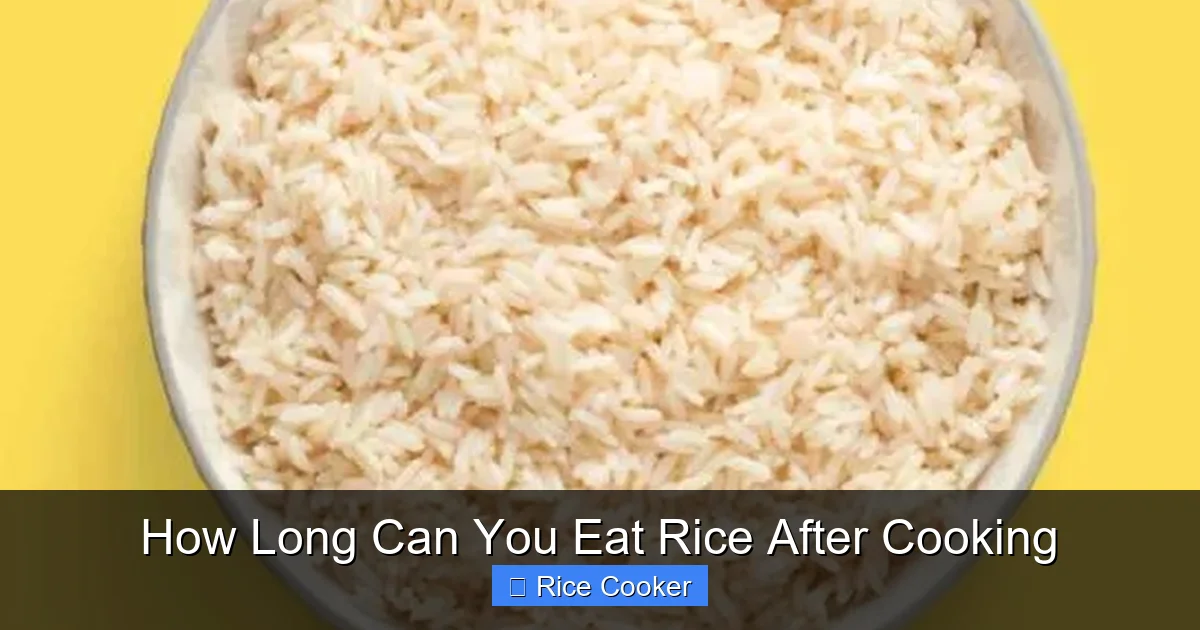
– Unpleasant odor: Sour, foul, or “off” smells are red flags.
– Slimy texture: Fresh rice should be firm and slightly moist. Sliminess indicates bacterial activity.
– Discoloration: Yellowish, greenish, or black spots suggest mold or spoilage.
– Mold growth: Visible fuzzy patches mean immediate disposal is required.
If you notice any of these, don’t taste-test. When in doubt, throw it out.
Proper Storage Techniques for Maximum Safety
Safe storage starts with smart practices. Follow these steps every time you cook rice:
1. Cool Quickly
Don’t let rice sit. Within 2 hours of cooking, aim to get it below 40°F. Use shallow pans, stir frequently, or use an ice bath to speed up cooling.
2. Store in Small Portions
Large containers trap heat and slow cooling. Divide rice into smaller portions (about 1–2 cups each) for faster chilling and easier reheating later.
3. Use Airtight Containers
Oxygen promotes oxidation and drying. Seal rice tightly to maintain texture and prevent contamination.
4. Keep It Clean
Always use clean utensils and surfaces. Avoid reusing old containers that held raw meat or dairy without thorough washing.
5. Rotate Stock
Use the “first in, first out” rule. Place newer batches behind older ones so you eat the oldest rice first.
Reheating Rice Safely
Many people worry that reheating ruins rice—but done right, it’s completely safe and tasty. Here’s how:
Microwave Method
Place rice in a microwave-safe dish. Add a tablespoon of water per cup to prevent drying. Cover with a vented lid or damp paper towel. Microwave on high for 1–2 minutes per cup, stirring halfway through until steam circulates and rice reaches 165°F internally.
Stovetop Method
Heat a non-stick pan over medium heat. Add rice gradually, stirring constantly. Drizzle in a little broth or water to revive dry grains. Cook until heated through—about 5–7 minutes total.
Steamer Basket Option
For fluffy results, put rice in a steamer basket over boiling water for 10–15 minutes. This method preserves moisture and texture better than microwaving alone.
No matter the method, always check that rice is steaming hot throughout. Cold spots mean incomplete heating—and potential bacterial survival.
Special Considerations: Baby Rice, Brown Rice, and Instant Varieties
Not all rice behaves the same way. Different types have varying shelf lives and risks:
Brown Rice
Because it retains its bran layer, brown rice has more natural oils that can go rancid faster. Cooked brown rice should be eaten within 4 days in the fridge. Store in the coldest part of the fridge (back of the door) and consider freezing for longer storage.
Baby Rice Cereal
Infant formula and baby foods have strict guidelines. Commercial baby rice cereal is shelf-stable until opened. Once opened, use within 1 month and store in a cool, dry place. For homemade versions, follow standard cooked rice rules: refrigerate within 2 hours and consume within 4 days.
Instant or Pre-cooked Rice
Products like Minute Rice or microwaveable packets are designed for convenience. Even though they’re pre-cooked, leftover portions should still follow general guidelines. If you cook extra instant rice, treat it like regular cooked rice—refrigerate promptly and eat within 4–6 days.
Wild Rice and Specialty Grains
These varieties behave similarly to white rice but may require slightly different cooking times. Storage principles remain the same: cool fast, seal tight, and watch for spoilage signs.
Common Myths About Eating Old Rice
Let’s bust a few myths:
– Myth: “I’ve eaten rice left out overnight before—nothing happened.”
Truth: Bacillus cereus doesn’t always cause symptoms immediately. Some toxins take hours or even days to act. Plus, individual tolerance varies.
– Myth: “If I boil it again, it’s safe.”
Truth: Boiling kills bacteria but not their heat-stable toxins. Repeated reheating doesn’t eliminate risk.
– Myth: “All rice goes bad the same way.”
Truth: Texture, type, and storage conditions all affect how long rice stays edible. Brown rice spoils faster than white; improperly sealed containers invite contamination.
Stay informed—your stomach will thank you!
When in Doubt: When to Discard Rice
Even with perfect care, sometimes rice just isn’t worth the risk. Ask yourself:
– Was the rice left out overnight?
– Do you feel unwell after eating it?
– Is there visible mold, slime, or a bad smell?
– Has it been in the fridge longer than 6 days?
If you answered “yes” to any of these, dispose of the rice safely. Wrap it in newspaper and place it in a sealed bag before tossing it out to contain odors and pests.
Remember: food poisoning from rice is rare but unpleasant. Prevention is far easier than dealing with symptoms like nausea, cramps, or diarrhea.
Final Tips for Safe Rice Handling
To wrap things up, here are five simple habits that make all the difference:
1. **Cool fast.** Use shallow containers and ice baths.
2. **Store tight.** Airtight seals prevent drying and contamination.
3. **Label clearly.** Date everything so you know what’s fresh.
4. **Reheat fully.** Steam hot throughout—no cold spots.
5. **Trust your nose.** Smell trumps guesswork.
With these steps, you can enjoy rice safely—whether it’s yesterday’s fried rice or a batch you froze last month. It’s one of the most forgiving staples in the kitchen, as long as you respect its limits.
And hey—rice is delicious. There’s no reason to fear it, just a little awareness goes a long way toward keeping your meals both tasty and safe.
Frequently Asked Questions
How long can cooked white rice stay in the fridge?
Cooked white rice is safe in the refrigerator for 4 to 6 days when stored properly in an airtight container. Always cool it quickly before refrigeration.
Can you eat rice that’s been in the fridge for 10 days?
It’s not recommended. While some bacteria may not grow beyond 6 days, texture and flavor degrade. If it looks or smells strange, discard it immediately.
Does freezing rice change its taste?
Minimal change occurs if frozen correctly. Adding water during reheating helps restore moisture. Frozen rice remains safe and edible for up to 3 months.
Is it safe to eat rice that smells sour?
No—a sour or off odor indicates spoilage. Trust your nose: if it doesn’t smell right, don’t eat it. Spoiled rice can cause gastrointestinal distress.
Should I rinse rice before storing it?
Only rinse raw rice before cooking to remove excess starch. Rinsing cooked rice introduces moisture and increases contamination risk. Store cooked rice dry and sealed.
Can children and elderly eat older rice safely?
No group is immune to foodborne illness. Children, seniors, pregnant women, and those with weakened immunity are more vulnerable. Always follow strict food safety rules for them.