
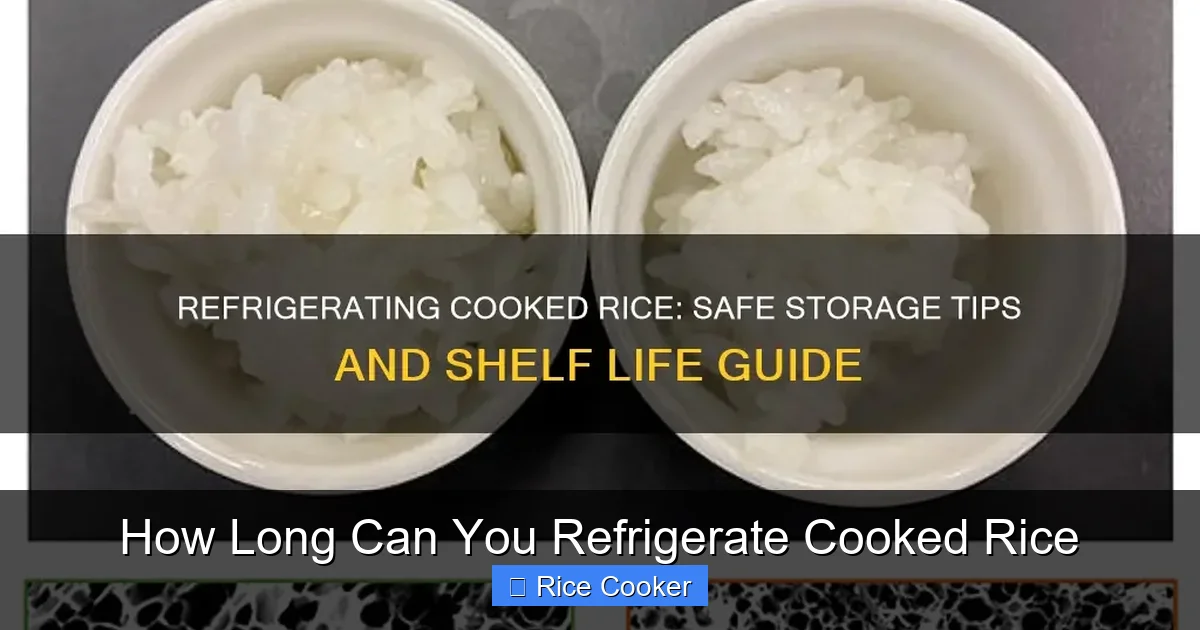
Cooked rice can be safely stored in the refrigerator for up to 7 days, but only if kept at or below 40°F (4°C) and properly sealed. Beyond this timeframe, bacteria like Bacillus cereus can grow, increasing the risk of food poisoning. Always store leftover rice quickly, label containers, and reheat thoroughly to enjoy it safely.
Key Takeaways
- Refrigeration limit: Cooked rice should not stay in the fridge longer than 7 days to avoid bacterial growth.
- Proper storage: Cool rice quickly and store in airtight containers to reduce contamination and moisture loss.
- Reheating matters: Always reheat rice to an internal temperature of 165°F (74°C) to kill potential toxins.
- Signs of spoilage: Watch for off smells, slimy texture, mold, or unusual colors—discard immediately if present.
- Freezing extends life: For longer storage, freeze rice in portions for up to 3 months while maintaining quality.
- Bacillus cereus risk: This common bacterium survives cooking and thrives in warm, moist environments like rice.
- Use a rice cooker wisely: If using a rice cooker to store leftovers, transfer food to a shallow container for faster cooling.
Quick Answers to Common Questions
How long can cooked rice sit at room temperature?
Cooked rice should not be left at room temperature for more than 2 hours—ideally within 1 hour if the ambient temperature exceeds 90°F (32°C). Prolonged exposure allows dangerous bacteria like Bacillus cereus to grow rapidly.
Can you eat rice that’s been in the fridge for 8 days?
No. While some foods may look fine after 7 days, cooked rice loses safety margins over time. Even if it doesn’t smell bad, bacterial toxins may already be present and undetectable by sight or taste.
Is it okay to reheat rice more than once?
It’s not recommended. Each reheating increases the risk of contamination during cooling. Plan portion sizes carefully or freeze extras instead of reheating repeatedly.
Does freezing ruin rice?
Not if done correctly. Frozen rice retains quality for up to 3 months. Texture may become slightly softer upon thawing, but it remains safe and edible. Always thaw slowly in the refrigerator.
Why does my refrigerated rice smell weird?
An off odor likely indicates spoilage or rancidity, especially in brown rice due to oil oxidation. Discard immediately—do not taste or reheat. Trust your senses; when in doubt, throw it out.
📑 Table of Contents
- How Long Can You Refrigerate Cooked Rice?
- Why Is Refrigerated Cooked Rice a Concern?
- How Long Is Cooked Rice Safe in the Fridge?
- Best Practices for Storing Cooked Rice
- How to Tell If Cooked Rice Has Gone Bad
- Reheating Cooked Rice Safely
- Special Considerations: Brown Rice vs. White Rice
- Role of Your Rice Cooker in Food Safety
How Long Can You Refrigerate Cooked Rice?
If you’ve ever wondered, “How long can you refrigerate cooked rice?”—you’re not alone. With busy schedules and meal prep becoming more common, leftover rice is a staple in many kitchens. But despite its convenience, cooked rice carries a hidden danger: bacteria that can cause food poisoning. The answer isn’t just about time—it’s about how you handle, store, and reheat your rice.
In this guide, we’ll walk you through everything you need to know about storing cooked rice safely. From understanding why refrigeration matters to recognizing when your rice has gone bad, we’ll cover practical tips, science-backed advice, and even how your rice cooker plays a role. Whether you’re a student, a busy parent, or someone who loves making big batches of fried rice, this article will help you keep your meals safe and delicious.
Why Is Refrigerated Cooked Rice a Concern?
You might be thinking, “Rice is just rice—why can’t I leave it out all night?” The truth is, certain types of bacteria thrive in the environment created by cooked rice. Specifically, Bacillus cereus is the main culprit. This bacterium produces spores that survive normal cooking temperatures. When rice is left at room temperature after cooking, those spores can multiply and produce toxins—even before the food looks or smells bad.
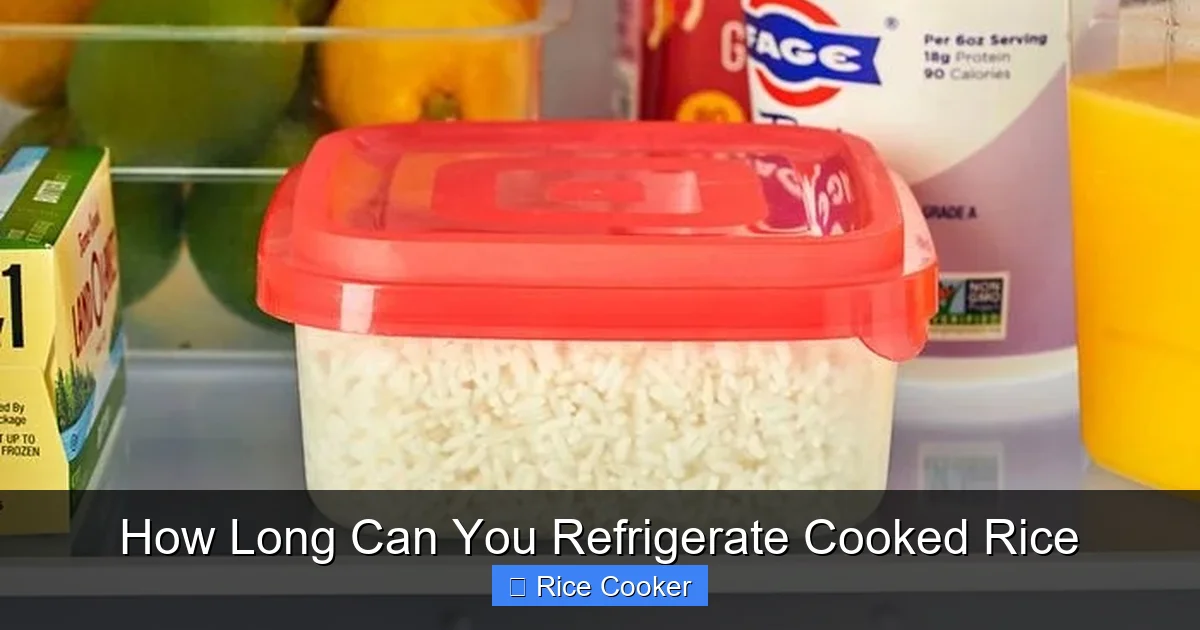
Visual guide about How Long Can You Refrigerate Cooked Rice
Image source: tasteofhome.com
This is especially dangerous because the toxins produced by Bacillus cereus cannot be destroyed by reheating. So even if you boil your rice again, you could still get sick. That’s why rapid cooling and proper refrigeration are essential steps in food safety.
The Danger Zone: What Temperature Is Too Warm?
The U.S. Food and Drug Administration (FDA) defines the “danger zone” as temperatures between 40°F (4°C) and 140°F (60°C). Bacteria multiply rapidly in this range. After cooking, rice should be cooled quickly and moved into the refrigerator within two hours—ideally within one hour if the room is above 90°F (32°C).
Here’s a quick tip: if you’re serving a large meal with rice, place your bowl in an ice bath while it cools. This speeds up the process and keeps the outer layers from getting too warm while the inside finishes cooling.
How Long Is Cooked Rice Safe in the Fridge?
The general rule of thumb is cooked white rice can be safely stored in the refrigerator for up to 7 days. Brown rice, which has a higher oil content, may last slightly less—about 5–6 days—because oils can go rancid over time.
Visual guide about How Long Can You Refrigerate Cooked Rice
Image source: cycookery.com
But remember: this is not a guarantee. The actual shelf life depends on several factors:
– How quickly the rice was cooled
– Whether it was stored in an airtight container
– The cleanliness of the kitchen environment
– How often the container is opened
For example, if you scoop rice directly from the fridge without washing your hands first, you risk introducing new bacteria. Similarly, leaving the lid off allows moisture loss and exposure to airborne contaminants.
Can You Freeze Cooked Rice?
Yes! Freezing is one of the best ways to extend the life of cooked rice. When frozen properly, rice can last up to 3 months. Here’s how to do it right:
- Portion the rice into small, manageable amounts (about 1 cup per serving).
- Place portions in freezer-safe bags or containers, removing as much air as possible.
- Label each bag with the date so you track how long it’s been stored.
- Thaw overnight in the refrigerator before reheating.
Frozen rice reheats surprisingly well—especially if you toss it with a little water or broth during heating to restore moisture. Just avoid microwaving frozen rice straight from the freezer; gradual thawing preserves texture better.
Best Practices for Storing Cooked Rice
Even if you know the 7-day rule, improper storage can shorten that window significantly. Let’s go over the most effective methods to keep your rice fresh and safe.
Cooling Quickly First
Never put hot rice directly into the fridge. The refrigerator struggles to remove heat fast enough, causing the entire appliance to warm up temporarily. Instead, spread the rice out in a thin layer on a baking sheet or divide it into shallow containers. This increases surface area and speeds up cooling.
A useful trick: place the container on top of ice cubes or use a fan nearby while cooling. Within 30–60 minutes, your rice should reach a safe temperature for refrigeration.
Using Airtight Containers
Glass or BPA-free plastic containers with tight-fitting lids work best. Avoid reusing takeout boxes or non-food-grade plastics that may leach chemicals over time. Airtight seals prevent odors from seeping in and stop cross-contamination from other fridge items.
Pro tip: add a piece of parchment paper between layers if you’re stacking containers. It keeps them from sticking and makes cleanup easier.
Labeling and Organizing
Write the date on every container as soon as it’s sealed. Use waterproof markers so labels don’t smudge. Place newer batches toward the back of the fridge and older ones toward the front—this helps you follow a “first in, first out” system.
Some people even keep a mini whiteboard inside their fridge dedicated to tracking leftovers. It’s a small habit that saves time and reduces waste.
How to Tell If Cooked Rice Has Gone Bad
Sometimes rice doesn’t look or smell bad—but it’s still unsafe. However, there are telltale signs to watch for:
- Off odor: Fresh rice should have a neutral, slightly nutty smell. Any sour, foul, or chemical-like scent means it’s spoiled.
- Texture changes: Slimy or overly sticky rice indicates bacterial growth.
- Mold or discoloration: White, green, or black spots are red flags.
- Unusual taste: Even if you can’t see anything wrong, a strange flavor means discard it.
When in doubt, throw it out. It’s better to be safe than sorry—especially since symptoms of rice-related food poisoning usually appear within 6–18 hours of eating contaminated food.
Symptoms of Bacillus Cereus Poisoning
If you suspect you’ve eaten bad rice, watch for these symptoms:
– Nausea and vomiting
– Diarrhea
– Abdominal cramps
– Mild fever
Most cases resolve on their own within 24 hours. But if symptoms persist or worsen, seek medical attention.
Reheating Cooked Rice Safely
Reheating is where many people make mistakes. Simply warming rice in the microwave isn’t always enough to eliminate bacteria—and remember, reheating won’t destroy pre-formed toxins.
To safely reheat rice:
– Transfer it to a microwave-safe dish or saucepan.
– Add a splash of water or broth to prevent drying.
– Cover with a lid or damp paper towel to trap steam.
– Heat on high for 1–2 minutes, stir, then test the temperature.
– Ensure the internal temp reaches at least 165°F (74°C).
For larger amounts, simmer gently on the stove, stirring occasionally. Stir-frying with vegetables and sauce is also a great way to mask any off flavors while ensuring even heating.
Avoid Reheating Rice Multiple Times
Each time you reheat rice, you increase the risk of bacterial growth during cooling. Try to plan meals so you use up rice within a few days—or freeze extras instead.
Special Considerations: Brown Rice vs. White Rice
While both types fall under the same 7-day guideline, brown rice has different characteristics due to its bran layer.
- Oil content: Brown rice contains natural oils that oxidize over time, leading to rancidity. This affects both smell and taste.
- Moisture retention: Because of its fiber-rich shell, brown rice holds onto moisture longer, which can promote bacterial growth if not stored properly.
- Shelf life: Due to these factors, brown rice generally lasts 5–6 days in the fridge, compared to 7 days for white rice.
If you buy brown rice in bulk, consider storing uncooked grains in the freezer to extend freshness. Once cooked, treat it like regular rice but monitor it closer for spoilage signs.
Role of Your Rice Cooker in Food Safety
Modern rice cookers come with features like keep-warm functions, but they’re not designed for long-term storage. Leaving rice on “warm” mode for more than 2 hours puts it squarely in the danger zone.
Instead:
– Turn off the rice cooker once the cycle completes.
– Immediately transfer rice to a shallow container for cooling.
– Never leave rice sitting in the inner pot overnight.
Some advanced models have delayed start timers, which are great for scheduling meals—but only if you plan to eat within 6–8 hours of cooking. Otherwise, transfer the rice promptly.
Cleaning Your Rice Cooker Properly
Residue buildup can harbor bacteria. Always wash the inner pot with warm, soapy water after use. Don’t submerge electrical parts—just wipe the exterior and control panel with a damp cloth.
Once a month, run a cleaning cycle with vinegar and water to remove mineral deposits and odors.
Frequently Asked Questions
Can you freeze cooked rice in the original container?
Only if the container is freezer-safe and labeled with the date. Most disposable takeout containers aren’t rated for freezing and may warp or leach chemicals. Use glass or BPA-free plastic instead.
Should I rinse rice before storing it?
No. Washing rice removes surface starch and reduces stickiness, but it doesn’t improve safety. In fact, excess moisture can encourage bacterial growth if not dried properly afterward.
What if I forgot to refrigerate rice overnight?
If rice has been at room temperature for over 2 hours (or 1 hour above 90°F), discard it immediately. Do not taste or reheat—toxins may already be present.
Can I store rice with sauce or seasonings?
Yes, but acidic ingredients (like tomatoes or citrus) can affect texture over time. Store saucy rice separately from plain rice to maintain quality, and consume within 4–5 days.
Does type of rice matter for storage?
All cooked rice—white, brown, jasmine, basmati, or wild—should follow the same basic guidelines. Differences mainly relate to oil content and moisture retention, which slightly affect shelf life.
Can children and elderly eat refrigerated rice?
Yes, but with extra caution. Older adults and young children have weaker immune systems. Ensure rice is reheated thoroughly and consumed within 4–5 days for added safety.