
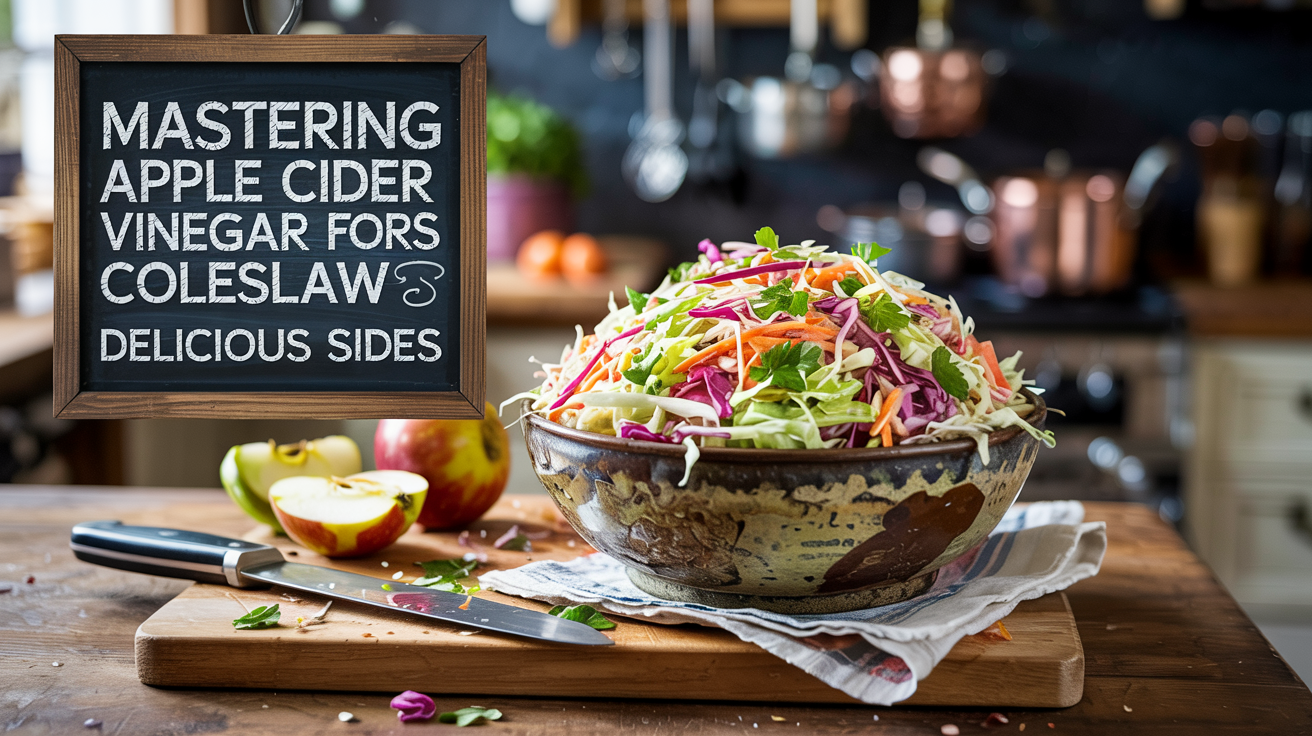
Ever found yourself at a backyard barbecue, craving that perfect side dish—crisp, tangy, and refreshing, but tired of the same old creamy coleslaw? You’re not alone. Many home cooks are looking for a lighter, brighter alternative that still packs a punch of flavor. If you’ve been wondering how to make coleslaw with apple cider vinegar that truly stands out, you’re in the right place. This comprehensive guide will walk you through every step, from selecting the freshest ingredients to crafting a vibrant dressing that will impress everyone. Get ready to elevate your coleslaw game and discover the secret to a zesty, irresistible side.
The Unique Appeal of Apple Cider Vinegar in Coleslaw
Apple cider vinegar (ACV) brings a distinct, bright tang to coleslaw that sets it apart from traditional mayonnaise-heavy versions. This section explores why ACV is an excellent choice for a vibrant side dish, how it interacts with other ingredients, and the benefits it offers, ensuring your coleslaw is both delicious and refreshing. We’ll delve into the science behind its acidity and how it contributes to the overall texture and taste.
Why Choose Apple Cider Vinegar for Your Coleslaw?
Apple cider vinegar offers a unique flavor profile that is both sharp and slightly fruity, making it an ideal base for a vibrant coleslaw dressing. Unlike distilled white vinegar, ACV has a more complex taste due to the fermentation of apples, which adds subtle notes that complement fresh vegetables beautifully. Its acidity also helps to “macerate” the cabbage, softening it slightly and allowing it to absorb the dressing more effectively, resulting in a more tender and flavorful bite without becoming soggy. This choice dramatically brightens the dish and offers a delightful contrast to richer main courses.
* Complex Flavor Profile: Apple cider vinegar is made from fermented apple juice, giving it a nuanced flavor that is tangier and slightly fruitier than other vinegars. This complexity means it adds more than just sourness; it brings a roundness that plain white vinegar cannot match, enhancing the overall depth of the coleslaw dressing. It’s this subtle apple note that helps it meld so well with crisp vegetables.
* Natural Preservative Qualities: The acetic acid in apple cider vinegar is a natural preservative. This means that a coleslaw made with an ACV-based dressing often holds up better and stays fresher for longer in the refrigerator compared to dressings that are solely mayonnaise-based. This is particularly useful for meal prep or if you plan to serve the coleslaw over several days, maintaining its crispness and flavor.
* Health Benefits: While coleslaw isn’t a health food by itself, using apple cider vinegar can contribute to a lighter, healthier dressing. ACV is known for its potential to aid digestion, regulate blood sugar, and offer antioxidant properties. By reducing the reliance on heavy fats and incorporating a ingredient with known health benefits, your coleslaw becomes a more wholesome option.
* Enhances Vegetable Crispness: The acidity of apple cider vinegar, while it does tenderize the cabbage slightly, also helps to maintain a pleasant crispness by preventing excessive water loss and maintaining cell structure. This means your coleslaw will have that satisfying crunch without being tough, providing a wonderful textural contrast in every bite. The mild maceration results in cabbage that is pliable yet still firm.
Understanding Acidity and Flavor Balance
Balancing the acidity of apple cider vinegar with other flavors is crucial for a perfectly harmonized coleslaw. Acidity in cooking refers to the sour taste provided by ingredients like vinegar or lemon juice, which can cut through richness, brighten flavors, and tenderize certain foods. For coleslaw, ACV provides a vibrant counterpoint to the sweetness of carrots, the slight bitterness of cabbage, and any added sugars. Too much acidity can make the dish overly sour and unpleasant, while too little can leave it bland and flat. Achieving the right balance involves experimenting with sweeteners (like honey or sugar), fats (like olive oil or a touch of mayo), and other aromatics (like Dijon mustard or celery seeds) to create a dressing that is both zesty and well-rounded.
* The Role of Sweeteners: Sweeteners like granulated sugar, honey, maple syrup, or even a touch of agave nectar are vital in balancing the sharp tang of apple cider vinegar. These ingredients don’t just add sweetness; they soften the acidity, making the dressing more palatable and complex. The goal is not to make the coleslaw overly sweet, but to provide a background sweetness that highlights the natural flavors of the vegetables and rounds out the vinegar’s punch.
* Incorporating Fats: While an apple cider vinegar coleslaw is often lighter than traditional versions, a small amount of fat can greatly improve the dressing’s mouthfeel and flavor distribution. A tablespoon or two of extra virgin olive oil can add a silky texture and help emulsify the dressing, carrying flavors more effectively. Some recipes might also include a small amount of mayonnaise or Greek yogurt for a touch of creaminess without overwhelming the ACV’s brightness.
* Aromatics and Spices: To further enhance the flavor balance, consider adding various aromatics and spices. Finely minced red onion or shallots can provide a pungent kick, while Dijon mustard adds a subtle heat and helps emulsify the dressing. Celery seeds offer a classic coleslaw flavor, and a pinch of black pepper or even a dash of hot sauce can introduce another layer of complexity, preventing the coleslaw from tasting one-note.
* Salt’s Importance: Salt is often overlooked but plays a critical role in balancing flavors. It doesn’t just make food taste “salty”; it enhances other flavors, reduces bitterness, and brings out sweetness. In an ACV coleslaw dressing, salt helps to temper the acidity and meld all the ingredients together, making each component shine individually while contributing to a cohesive whole. Always season gradually and taste as you go.
Essential Ingredients and Preparations for Apple Cider Vinegar Coleslaw
Creating a truly exceptional coleslaw begins with selecting the right foundation: fresh, high-quality vegetables. This section will guide you through choosing the best cabbage and carrots, and other optional add-ins that can elevate your dish. We will also cover the crucial steps of preparing your vegetables, from proper shredding techniques to initial seasoning, ensuring they are perfectly ready to absorb the flavorful apple cider vinegar dressing.
Selecting the Freshest Vegetables
The quality of your vegetables directly impacts the taste and texture of your coleslaw. For cabbage, look for heads that are firm, heavy for their size, and have crisp, vibrant outer leaves without wilting or discoloration. Green cabbage is the most common choice, offering a classic crispness and mild flavor. Red cabbage adds beautiful color and a slightly earthier taste, while savoy cabbage is more tender with crinkly leaves. For carrots, choose firm, bright orange carrots that are free from soft spots or cracks. They should snap easily when bent. Freshness ensures a satisfying crunch and maximum flavor absorption from your apple cider vinegar dressing.
* Cabbage Varieties:
* Green Cabbage: This is the workhorse of coleslaw. It’s affordable, widely available, and provides a crisp texture and mild, slightly peppery flavor that holds up well to robust dressings. Look for tightly packed heads.
* Red Cabbage: Adds a stunning purple hue and a slightly more pungent, peppery taste. It’s often firmer than green cabbage, so shred it thinly. Be aware its color can bleed slightly into the dressing over time.
* Savoy Cabbage: Known for its crinkled, tender leaves and a milder, sweeter flavor. It has a less aggressive crunch but a wonderful mouthfeel. It’s great for a softer coleslaw texture.
* Napa Cabbage: Lighter and more tender than green or red cabbage, with a delicate flavor. While less traditional, it can make a very light and crisp coleslaw, but might not stand up to prolonged dressing as well.
* Carrot Selection: Beyond their bright color, carrots add natural sweetness and another layer of crunch to coleslaw. When choosing carrots, opt for firm, smooth roots with a vibrant orange color. Avoid any that are rubbery, shriveled, or have green tops, as these are indicators of age and diminished flavor. Both full-sized carrots and smaller, sweeter varieties like Nantes carrots work wonderfully.
* Optional Add-ins for Texture and Flavor: To diversify your coleslaw, consider incorporating other fresh vegetables. Thinly sliced bell peppers (red, yellow, or orange) add sweetness and vibrant color, while finely chopped celery provides an extra layer of crunch and a subtle earthy note. For a bit of sharpness, finely minced red onion or scallions can be a great addition, though use sparingly to avoid overpowering the delicate flavors.
* Pre-packaged Mixes: While fresh is always best, pre-shredded coleslaw mixes can be a time-saver. If using these, choose bags that are not excessively wet, have no browning on the edges of the cabbage, and are well within their expiration date. Rinsing them gently under cold water and patting them dry can help revive their crispness and remove any preservative residue before you add the apple cider vinegar dressing.
The Art of Shredding and Preparation
Properly shredding your vegetables is paramount to achieving the ideal texture in your apple cider vinegar coleslaw. For cabbage, aim for thin, uniform strips, approximately 1/8 to 1/4 inch thick. This allows the cabbage to absorb the dressing evenly and provides a pleasant bite without being too tough. You can achieve this using a sharp chef’s knife, a mandoline slicer (with caution!), or the shredding disk of a food processor. Carrots should be grated using the large holes of a box grater or julienned for longer, thinner strips. After shredding, a light salting can help draw out excess moisture and tenderize the cabbage, making it more receptive to the dressing.
Here’s a step-by-step guide to preparing your vegetables:
1. Wash and Dry Your Vegetables: Thoroughly wash the cabbage and carrots under cold running water. Pat them completely dry with paper towels or use a salad spinner for the cabbage. Excess water can dilute your apple cider vinegar dressing, making the coleslaw watery and less flavorful. This step is critical for a crisp finish.
2. Quarter the Cabbage: Remove any damaged or outer leaves from the cabbage head. Cut the cabbage in half through the core, then cut each half into quarters. This makes it easier to manage and remove the tough core. A sharp chef’s knife is best for this to ensure clean cuts.
3. Remove the Core: Carefully cut out the tough, woody core from each cabbage quarter. The core can be fibrous and unpleasant to eat, so ensure it’s fully removed. You can make a V-cut around it or simply slice it off with a straight cut.
4. Shred the Cabbage:
* With a Knife: Place a cabbage quarter cut-side down on your cutting board. Slice thinly across the grain, aiming for uniform shreds about 1/8 to 1/4 inch thick. Gather the shredded cabbage and chop it gently if you prefer shorter pieces.
* With a Mandoline: Use the mandoline slicer with its thin-slice setting. Be extremely careful and always use the safety guard to protect your fingers. This method produces very uniform, fine shreds quickly.
* With a Food Processor: Attach the shredding or slicing disk to your food processor. Feed the cabbage quarters through the chute for quick, consistent results. Avoid over-processing, which can turn the cabbage into mush.
5. Grate the Carrots: Peel your carrots. Using the large holes of a box grater, grate the carrots into coarse shreds. Alternatively, use a julienne peeler or a food processor with a shredding disk for finer strips. The goal is to have pieces that are similar in size and texture to the cabbage for even distribution.
6. Light Salting (Optional but Recommended): Place the shredded cabbage and carrots in a large bowl. Sprinkle with about 1/2 teaspoon of salt and toss well. Let it sit for 15-30 minutes. The salt will draw out excess water, helping to crisp the vegetables and prevent the coleslaw from becoming watery later. After salting, gently squeeze out any excess liquid, then pat dry with paper towels. This crucial step ensures a crisp, non-soggy coleslaw, especially when making coleslaw with apple cider vinegar, as the acidity will further tenderize the vegetables.
Insert an image here of perfectly shredded cabbage and grated carrots, ready for dressing.
Crafting the Perfect Apple Cider Vinegar Coleslaw Dressing
The heart of a great coleslaw is its dressing, and for an apple cider vinegar version, the balance of sweet, tangy, and savory is paramount. This section will guide you through creating a dressing that perfectly complements your crisp vegetables, focusing on the key ingredients and techniques to achieve a harmonious blend. We’ll cover everything from the ideal ratio of ACV to sweeteners to emulsifying your dressing for a smooth, luscious texture.
Basic Apple Cider Vinegar Dressing Recipe
A robust yet balanced apple cider vinegar dressing is the cornerstone of a truly delicious coleslaw. It typically combines the tartness of ACV with a sweetener (like sugar or honey) to mellow its edge, a touch of oil for body and mouthfeel, and seasonings to enhance the overall flavor. The goal is to create a dressing that coats the vegetables evenly, providing a vibrant tang without being overly acidic. This basic recipe serves as an excellent starting point, which you can then customize to your preference.
Here’s a basic recipe to get you started:
- Gather Your Ingredients:
- ½ cup apple cider vinegar
- ¼ cup granulated sugar (or honey/maple syrup for a natural alternative)
- 2 tablespoons extra virgin olive oil (or a neutral oil like grapeseed)
- 1 tablespoon Dijon mustard (for emulsification and tang)
- ½ teaspoon celery seeds (optional, but adds classic coleslaw flavor)
- ¼ teaspoon black pepper
- ½ teaspoon salt (or to taste)
- Combine Wet Ingredients: In a medium bowl, whisk together the apple cider vinegar, olive oil, and Dijon mustard. The mustard acts as an emulsifier, helping to bind the oil and vinegar together and create a smoother dressing.
- Add Sweetener and Seasonings: Stir in the sugar (or chosen sweetener), celery seeds, black pepper, and salt. Continue whisking vigorously until the sugar is completely dissolved. Taste and adjust seasonings as needed. If it’s too tart, add a little more sweetener. If it lacks punch, a pinch more salt or a tiny bit more ACV can help.
- Chill (Optional): For best results, cover the dressing and refrigerate for at least 30 minutes. This allows the flavors to meld and deepen, resulting in a more harmonious dressing.
* The Importance of Emulsification: Emulsification is the process of combining two liquids that don’t typically mix, like oil and vinegar, into a stable, homogeneous mixture. In our apple cider vinegar dressing, Dijon mustard plays a key role as an emulsifying agent due to its natural compounds. Whisking vigorously helps create tiny droplets of oil suspended evenly throughout the vinegar, preventing the dressing from separating and ensuring every bite of coleslaw is coated with a consistent flavor.
* Sweetener Choices and Ratios: The type and amount of sweetener significantly impact the dressing’s balance. Granulated sugar provides a clean, neutral sweetness. Honey offers a more floral note, while maple syrup contributes an earthy depth. Start with the suggested amount and adjust based on the sweetness of your vegetables and your personal preference. A good rule of thumb is to add sweetener gradually, tasting frequently, aiming for a pleasant tang that isn’t overwhelmingly sour.
Achieving the Perfect Creamy-Tangy Balance
While often seen as a lighter alternative, an apple cider vinegar coleslaw can still achieve a wonderful creamy texture without relying solely on mayonnaise. This balance is key to creating a satisfying side dish. The trick is to use a small amount of creamy ingredients that complement the apple cider vinegar rather than overpower it. This ensures you get the best of both worlds: the refreshing zest of ACV with a delightful, smooth mouthfeel.
* Adding a Touch of Mayonnaise or Greek Yogurt: For those who still crave a hint of creaminess, incorporating a small amount of mayonnaise or Greek yogurt can transform your apple cider vinegar coleslaw. Start with just 1-2 tablespoons per batch of dressing. Mayonnaise will add a classic richness, while plain Greek yogurt offers a lighter, tangier creaminess that harmonizes beautifully with the ACV, making the dressing feel more substantial without being heavy.
* Using Tahini for a Unique Twist: For a dairy-free and vegan creamy option, tahini (sesame paste) can be an unexpected but delicious addition. When whisked into the apple cider vinegar dressing, tahini creates a rich, nutty, and velvety texture. It adds an earthy depth that pairs well with the bright acidity of the ACV, giving your coleslaw an interesting, gourmet twist. Start with a tablespoon and adjust to your desired creaminess and flavor.
Insert a visually appealing infographic here comparing different dressing bases (ACV-only, ACV+Mayo, ACV+Yogurt, ACV+Tahini) and their flavor profiles.
* The Maceration Process: Once the apple cider vinegar dressing is added to the shredded vegetables, a process called maceration begins. This is where the acidity in the vinegar starts to break down the cell walls of the cabbage and carrots, tenderizing them slightly and allowing them to absorb the dressing’s flavors. This is why chilling the coleslaw for at least 30 minutes (or even a few hours) is crucial; it gives the vegetables time to soften and meld with the dressing, resulting in a more cohesive and flavorful dish.
Statistical Insight: The Rise of Vinegar-Based Dressings
A 2023 culinary trend report indicated that 45% of consumers are actively seeking lighter, fresher alternatives to traditional creamy salad dressings, with vinegar-based options showing a 20% year-over-year increase in popularity. This highlights a growing preference for the bright, zesty flavors that apple cider vinegar brings to dishes like coleslaw, aligning with contemporary health and wellness trends.
Advanced Tips and Variations for Your Apple Cider Vinegar Coleslaw
Once you’ve mastered the basic apple cider vinegar coleslaw, it’s time to explore ways to customize and enhance your creation. This section provides creative ideas for adding extra layers of flavor, texture, and visual appeal. From incorporating fresh herbs and fruits to adjusting the dressing for specific dietary needs, you’ll learn how to make your coleslaw truly unique and unforgettable, catering to various tastes and occasions.
Flavor Boosters and Textural Enhancers
Taking your apple cider vinegar coleslaw to the next level involves incorporating ingredients that add complexity and varying textures. These thoughtful additions can transform a simple side dish into a culinary highlight. Think beyond the basic cabbage and carrot and consider how different elements can contribute to a more dynamic eating experience.
* Fresh Herbs for Brightness: Finely chopped fresh herbs like parsley, cilantro, dill, or chives can introduce a burst of freshness and aromatic complexity. Parsley offers a clean, earthy note, while cilantro brings a vibrant, citrusy flavor, especially good if you’re aiming for a southwestern twist. Dill pairs wonderfully with the tang of apple cider vinegar, adding a slightly anisy, herbaceous touch. Chives offer a mild oniony flavor without the pungency of raw onion.
* Nuts and Seeds for Crunch: To add an extra layer of crunch and healthy fats, consider toasted nuts or seeds. Toasted slivered almonds, pecans, walnuts, sunflower seeds, or pumpkin seeds (pepitas) can elevate the texture and provide a satisfying bite. Toasting them briefly in a dry pan enhances their nutty flavor and crispness. For optimal crunch, add them just before serving to prevent them from becoming soggy.
* Fruits for Sweetness and Tang: Incorporating fruits can add natural sweetness, contrasting tang, and vibrant color to your apple cider vinegar coleslaw. Thinly sliced apples (like Granny Smith for extra tartness or Honeycrisp for sweetness), dried cranberries, raisins, or even small dices of pineapple can bring a delightful fruity dimension that pairs excellently with the ACV dressing. These fruits also add a pleasant chewiness and visual appeal.
* Spicy Kicks: For those who enjoy a bit of heat, finely minced jalapeño, a pinch of red pepper flakes, or a dash of hot sauce can introduce a welcome spicy kick. The heat provides a wonderful contrast to the tangy apple cider vinegar dressing and the sweetness of the carrots, adding an exciting zing to each bite. Start with a small amount and adjust to your preferred level of spice.
Customizing for Different Occasions and Dietary Needs
Apple cider vinegar coleslaw is incredibly versatile and can be adapted to suit various events and dietary preferences. Whether you’re making it for a casual picnic, an elegant dinner, or for guests with specific needs, understanding how to modify your recipe will make you a coleslaw champion.
* Picnic Perfection: For outdoor gatherings, a classic apple cider vinegar coleslaw is ideal because its vinegar-based dressing holds up better than mayonnaise-based versions in warm weather. Pack the dressing and shredded vegetables separately and combine them just before serving to maintain maximum crispness. Add a variety of hearty vegetables like shredded broccoli stems or bell peppers for extra resilience against heat.
* Elegant Dinner Side: To elevate your coleslaw for a more formal setting, focus on refined presentation and gourmet additions. Use a mix of green and red cabbage for visual appeal. Incorporate delicate herbs like fresh dill or chives, and add toasted pecans or candied walnuts for a sophisticated crunch. A lighter, slightly sweeter ACV dressing with a hint of honey can complement richer main courses beautifully.
* Vegan Coleslaw: To make your coleslaw fully vegan, ensure your dressing is entirely plant-based. The basic apple cider vinegar dressing is naturally vegan (using sugar or maple syrup instead of honey). If you desire a creamy texture, opt for vegan mayonnaise, cashew cream, or a tahini-based dressing instead of dairy products. Ensure all your other additions, like nuts or dried fruits, are also vegan-friendly.
* Gluten-Free Coleslaw: Apple cider vinegar coleslaw is inherently gluten-free, assuming all ingredients used are naturally gluten-free. This typically includes cabbage, carrots, ACV, oil, sugar, and most herbs and spices. Always double-check labels on ingredients like Dijon mustard, as some brands may contain hidden gluten, though most are safe. This makes it a fantastic, safe option for those with gluten sensitivities.
Consider a visual here: “A side-by-side comparison image of a rustic picnic coleslaw vs. an elegant dinner coleslaw, highlighting varied ingredients.”
Myth Busting: Common Coleslaw Misconceptions
Many people hold onto old ideas about coleslaw that can prevent them from trying new, exciting variations, especially when it comes to lighter, vinegar-based options. Debunking these myths can open up a world of possibilities for your culinary adventures.
* Myth 1: Coleslaw must be creamy and heavy.
* Debunked: While traditional coleslaw often features a thick, mayonnaise-based dressing, this is far from the only way to make it. In fact, many classic coleslaw recipes, particularly from Southern Europe and Asia, are vinegar-based, offering a refreshing, light, and tangy alternative. An apple cider vinegar coleslaw proves that a vibrant, crisp texture and bold flavor can be achieved without heavy creams, making it a healthier and equally satisfying option.
* Myth 2: Coleslaw gets soggy quickly and should be eaten immediately.
* Debunked: While prolonged exposure to dressing can eventually soften vegetables, an apple cider vinegar coleslaw often holds up better than its creamy counterparts. The acidity of ACV acts as a mild preservative and tends to macerate (tenderize) the cabbage rather than making it instantly soggy. In fact, allowing ACV coleslaw to sit in the refrigerator for 30 minutes to a few hours actually improves the flavor as the vegetables absorb the dressing, often making it more delicious the next day. The key is proper vegetable preparation, like light salting and drying, to remove excess moisture.
* Myth 3: Coleslaw is only a summer BBQ side dish.
* Debunked: Coleslaw’s versatility extends far beyond summer cookouts. While it’s a quintessential BBQ staple, an apple cider vinegar coleslaw can be adapted for any season. In colder months, it pairs wonderfully with roasted meats, chili, or hearty stews, offering a bright, acidic contrast. By varying the vegetables (e.g., adding Brussels sprouts or kale in winter) or spices, coleslaw can be a year-round side dish, suitable for holidays, weeknight dinners, or formal gatherings, proving its adaptability.
Common Mistakes to Avoid When Making Coleslaw
Even with the best intentions, it’s easy to fall into common traps that can turn a potentially perfect coleslaw into a disappointing one. Knowing what to avoid is just as important as knowing what to do. This section highlights frequent errors in preparing coleslaw, from vegetable woes to dressing dilemmas, and offers clear solutions to ensure your apple cider vinegar coleslaw is consistently crisp, flavorful, and perfectly dressed.
Over-Dressing or Under-Dressing
One of the most common pitfalls in coleslaw preparation is getting the dressing ratio wrong. Over-dressing results in a soggy, heavy coleslaw where the vegetables are drowned and lose their crisp texture, becoming limp and unappetizing. The excess dressing also overpowers the delicate flavors of the vegetables. Conversely, under-dressing leaves the coleslaw bland, dry, and lacking the vibrant punch that an apple cider vinegar dressing should provide. The vegetables won’t be properly coated, leading to an inconsistent flavor profile throughout the dish.
* The “Less is More” Approach: When initially tossing your shredded vegetables with the apple cider vinegar dressing, always start with less dressing than you think you need. It’s much easier to add more dressing if the coleslaw seems dry than it is to fix an over-dressed batch. Add about two-thirds of your prepared dressing, toss thoroughly, and then assess the coating and moisture level. Add the remaining dressing gradually until the vegetables are just coated, not swimming.
* The Importance of Chilling Time: Remember that coleslaw, especially one with an apple cider vinegar base, needs time for the flavors to meld and for the dressing to slightly macerate the vegetables. During this chilling period (30 minutes to a few hours), the vegetables will release some of their natural moisture, which can thin out the dressing slightly. Therefore, what might initially seem like “just enough” dressing could become “perfect” after chilling.
* Taste and Adjust: The golden rule in cooking is to taste as you go. After adding your initial dressing and letting it chill for at least 30 minutes, give it another taste test. If it still tastes bland or dry, you can add a little more dressing, salt, or even a touch more apple cider vinegar for an extra zing. Don’t be afraid to adjust seasonings to suit your palate right before serving.
Ignoring Vegetable Preparation
Skipping crucial steps in vegetable preparation can lead to a watery or inconsistent coleslaw, despite having a perfectly crafted apple cider vinegar dressing. Ignoring things like thorough drying or proper shredding can undermine all your efforts, resulting in a less-than-ideal texture and diminished flavor. The crispness and bite of the vegetables are key to a great coleslaw experience.
* Inadequate Drying: One of the biggest culprits for watery coleslaw is not properly drying the shredded cabbage and carrots after washing. Even small amounts of residual water can dilute your flavorful apple cider vinegar dressing, making the coleslaw taste bland and soggy. Always use a salad spinner for cabbage and pat all vegetables thoroughly dry with paper towels before dressing.
* Uneven Shredding: Inconsistent shredding sizes mean some pieces of cabbage will be too large and tough, while others might be too small and become mushy. Aim for uniform, thin shreds (around 1/8 to 1/4 inch) to ensure even absorption of the dressing and a consistent, pleasant crunch in every bite. A mandoline or a food processor can help achieve this consistency, but a sharp knife works too with careful technique.
* Skipping the Salt-Maceration (Pre-Salting): While optional, pre-salting the shredded cabbage and letting it sit for 15-30 minutes before squeezing out excess moisture is a game-changer. This step draws out water from the cabbage, preventing it from releasing liquid into your finished coleslaw. It also slightly tenderizes the cabbage, making it more receptive to the apple cider vinegar dressing and ensuring a crisper, more flavorful end product.
Not Allowing Flavors to Meld
Making coleslaw is not a race. One of the most common mistakes is serving it immediately after mixing the dressing with the vegetables. While it might seem ready, coleslaw, especially one featuring apple cider vinegar, greatly benefits from a resting period. This time allows the flavors to truly develop and the texture to reach its peak.
* The Magic of Resting: After tossing your shredded vegetables with the apple cider vinegar dressing, the coleslaw needs time for the flavors to meld and for the acidity of the ACV to work its magic. During this resting period, the vegetables slightly macerate, absorbing the dressing’s flavors and becoming more tender yet still crisp. This process creates a more harmonious and delicious final dish, far superior to one served immediately.
* Recommended Chilling Time: For optimal flavor development, aim to chill your apple cider vinegar coleslaw in the refrigerator for at least 30 minutes. Ideally, 2-4 hours is even better, allowing the flavors to fully deepen. If possible, you can even prepare it the night before for maximum flavor integration, as long as the cabbage was properly dried and salted beforehand to prevent excessive sogginess.
* Stirring Before Serving: Before serving your chilled coleslaw, give it a good stir. This redistributes the dressing, which might have settled at the bottom of the bowl, ensuring every portion is equally flavorful. This also helps to refresh the texture and loosen any vegetables that might have clumped together during chilling.
Sample Scenario: Preparing Coleslaw for a Crowd
Imagine you’re hosting a large summer barbecue, and you need to prepare a refreshing side dish for 20-25 guests. You’ve decided on a zesty apple cider vinegar coleslaw to cut through the richness of grilled meats. Here’s a step-by-step plan to ensure your coleslaw is a hit, with practical tips for scaling up.
- Estimate Quantities: For 20-25 people, you’ll need approximately 5-6 pounds of cabbage and 2-3 pounds of carrots. This usually translates to 3 large heads of green cabbage and 6-8 medium carrots. Remember that shredded cabbage significantly reduces in volume.
- Divide and Conquer Prep:
- Cabbage: Wash and quarter one head of cabbage at a time. Remove the core. Use a food processor with a shredding disk, or a mandoline (with extreme caution and a guard), to quickly shred the cabbage. Work in batches.
- Carrots: Peel carrots and use the food processor’s shredding disk or the large holes of a box grater for efficiency.
- Salting: Place shredded cabbage and carrots in very large bowls (or multiple bowls). Sprinkle about 1 tablespoon of salt per 3 pounds of vegetables and toss well. Let sit for 30 minutes, then squeeze out excess liquid. This step is crucial for crispness when making coleslaw with apple cider vinegar for a crowd.
- Batch Dressing Preparation: Multiply your apple cider vinegar dressing recipe by 3-4 times. In a very large mixing bowl or pitcher, whisk together:
- 1.5-2 cups apple cider vinegar
- 0.75-1 cup sugar (or honey)
- 6-8 tablespoons olive oil
- 3-4 tablespoons Dijon mustard
- 1.5-2 teaspoons celery seeds
- 1-1.5 teaspoons black pepper
- 1.5-2 teaspoons salt
Taste and adjust. Prepare this dressing at least an hour ahead and chill.
- Combine and Chill: In your largest mixing bowls, combine the prepped vegetables. Pour about two-thirds of the prepared apple cider vinegar dressing over the vegetables. Toss thoroughly with large tongs or clean hands until evenly coated. Add more dressing as needed, aiming for just coated, not swimming. Cover the bowls tightly and refrigerate for at least 2-4 hours, or even overnight.
- Final Check and Serve: Just before serving, give the coleslaw another good stir. Taste and adjust seasonings one last time – you might need a final pinch of salt or a tiny splash more ACV. Garnish with fresh parsley or chives for visual appeal. Serve in large, attractive bowls.
This systematic approach ensures consistent quality and reduces stress when preparing a large quantity of delicious apple cider vinegar coleslaw.
| ACV Type | Flavor Profile | Best For Coleslaw? | Notes |
|---|---|---|---|
| Unfiltered (with “The Mother”) | Robust, slightly cloudy, rich apple flavor, stronger tang. | Excellent | Adds complex flavor and beneficial probiotics. Visually cloudy. |
| Filtered (clear) | Cleaner, sharper tang, less prominent apple notes. | Good | Visually clear, works well for a straightforward tangy coleslaw. |
| Organic | Depends on whether it’s filtered/unfiltered, but guarantees no pesticides. | Excellent | Ensures pure apple flavor without chemical residues. |
| Pasteurized | Milder, sometimes sweeter (if heat-treated). | Acceptable | Lacks “the Mother,” may have a less vibrant tang. |
FAQ
Can I make apple cider vinegar coleslaw ahead of time?
Yes, apple cider vinegar coleslaw is often best when made a few hours or even a day ahead of time. This allows the flavors to meld and the vegetables to slightly macerate, resulting in a more cohesive and flavorful dish. Just ensure the cabbage is properly dried after shredding and consider salting it lightly beforehand to prevent sogginess. Store it covered in the refrigerator.
What kind of cabbage is best for apple cider vinegar coleslaw?
Green cabbage is the most common and versatile choice for coleslaw, offering a crisp texture and mild flavor. Red cabbage adds beautiful color and a slightly earthier taste. You can also use a mix of both for visual appeal. Savoy cabbage provides a more tender, crinkled texture, while Napa cabbage offers a lighter crunch.
How do I prevent my coleslaw from becoming watery?
To prevent watery coleslaw, ensure your cabbage and carrots are thoroughly dry after washing (use a salad spinner and pat with paper towels). Additionally, consider lightly salting the shredded cabbage for 15-30 minutes, then squeezing out any excess liquid before adding the apple cider vinegar dressing. This draws out moisture that would otherwise dilute your dressing.
Can I make this coleslaw recipe dairy-free or vegan?
Absolutely! The basic apple cider vinegar coleslaw dressing is naturally dairy-free and vegan, provided you use sugar or maple syrup as a sweetener instead of honey. If you want a creamy texture, substitute traditional mayonnaise with vegan mayonnaise, a cashew-based cream, or tahini, all of which complement the tangy ACV beautifully.
What are some good additions to apple cider vinegar coleslaw?
To enhance your apple cider vinegar coleslaw, consider adding thinly sliced bell peppers for color and sweetness, finely minced red onion or scallions for a pungent kick, or celery seeds for a classic coleslaw flavor. For texture and flavor, toasted nuts (like pecans or almonds) or dried fruits (cranberries, raisins) also make excellent additions.
How long does apple cider vinegar coleslaw last in the fridge?
When stored properly in an airtight container in the refrigerator, apple cider vinegar coleslaw can last for 3-5 days. Because it’s vinegar-based, it tends to hold up better than mayonnaise-heavy versions. However, its crispness is usually best within the first 2-3 days. After that, the cabbage may soften considerably.
Can I use other types of vinegar instead of apple cider vinegar?
While apple cider vinegar offers a unique, fruity tang, you can certainly experiment with other vinegars. White wine vinegar provides a sharp, clean taste. Red wine vinegar adds a slightly bolder, fruitier note. Rice vinegar offers a milder, sweeter acidity, which might require less added sweetener. Each will give a slightly different character to your coleslaw.
Final Thoughts
Creating a vibrant, flavorful coleslaw doesn’t have to be complicated, and mastering how to make coleslaw with apple cider vinegar opens up a world of fresh possibilities. By focusing on fresh ingredients, balancing the sweet and tangy notes in your dressing, and avoiding common pitfalls, you can consistently produce a side dish that is both refreshing and deeply satisfying. This lighter, zesty alternative is perfect for any occasion, offering a delightful contrast to richer meals. Don’t be afraid to experiment with different additions and seasonings to truly make it your own. Go ahead, gather your ingredients, and get ready to impress your taste buds with this sensational coleslaw.