
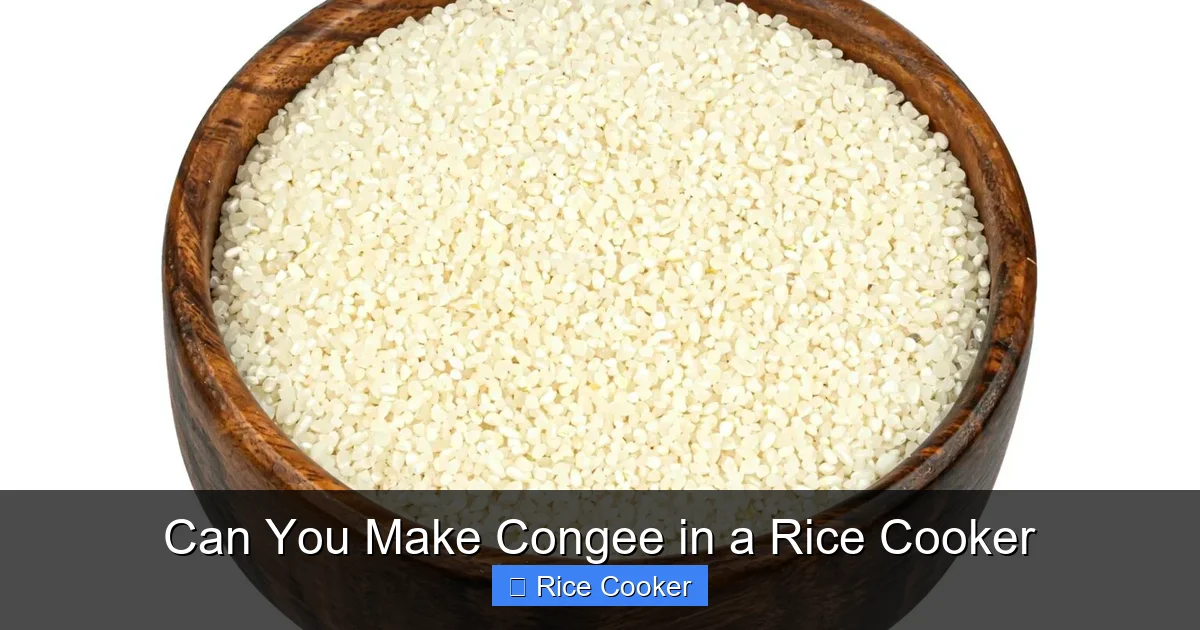
Can you make congee in a rice cooker? Absolutely! A rice cooker is not only capable but often ideal for making smooth, tender congee. With the right ratio of rice to water and the correct settings, you can achieve restaurant-quality results at home. This method saves time, reduces mess, and ensures consistent texture every time.
Key Takeaways
- Yes, you can make congee in a rice cooker: Most modern rice cookers are fully capable of producing authentic, creamy congee with minimal effort.
- Use the right rice type: Short-grain or sushi rice works best because of its high starch content, which helps thicken the mixture.
- Adjust water ratios carefully: Start with a 1:6 to 1:8 ratio (rice to water), depending on desired thickness, and adjust after cooking.
- Liquid absorption matters: Unlike regular rice, congee requires constant monitoring during the final stages to prevent burning or uneven cooking.
- Post-cooking steps are key: Stirring and letting the conge rest for 5–10 minutes after cooking improves texture and creaminess.
- Customize flavors easily: Add salt, ginger, garlic, or even proteins like chicken or shrimp for a complete meal.
- Cleaning is simple: Rice cookers are easy to clean, especially if you rinse the rice before cooking and wipe the pot afterward.
📑 Table of Contents
- Can You Make Congee in a Rice Cooker? The Simple Answer
- The Basics of Congee and Why It Matters
- Choosing the Right Rice for Congee
- Perfecting the Water-to-Rice Ratio
- Step-by-Step Guide: Making Congee in a Rice Cooker
- Troubleshooting Common Issues
- Flavoring and Customizing Your Congee
- Health Benefits of Eating Congee
- Tips for Success Every Time
- Conclusion: Congee Made Easy, Anytime
Can You Make Congee in a Rice Cooker? The Simple Answer
Imagine waking up to the soft, soothing sound of bubbling water and the rich aroma of simmering rice. That’s the magic of congee—a warm, comforting dish that’s been a breakfast staple across Asia for centuries. Traditionally made by slowly simmering rice in water or broth for hours, congee offers a gentle, digestible meal perfect for any time of day. But what if you don’t have hours to stand over a stove? Enter the rice cooker.
Yes, you can absolutely make congee in a rice cooker. In fact, many people consider this kitchen appliance the ultimate tool for preparing it. Why? Because rice cookers automate the process, maintain consistent heat, and reduce the risk of scorching. Whether you’re new to Asian cuisine or a seasoned pro looking for convenience, using a rice cooker for congee is both practical and rewarding.
The Basics of Congee and Why It Matters
What Is Congee?
Congee is essentially porridge made from boiled rice. Originating in China over 4,000 years ago, it was originally reserved for the sick or elderly due to its easy digestibility. Today, it’s enjoyed worldwide as a breakfast food, late-night snack, or hearty main course. Its creamy texture and mild flavor make it incredibly versatile—you can serve it plain or load it up with toppings like century eggs, pickled vegetables, fried dough sticks, or savory meat.
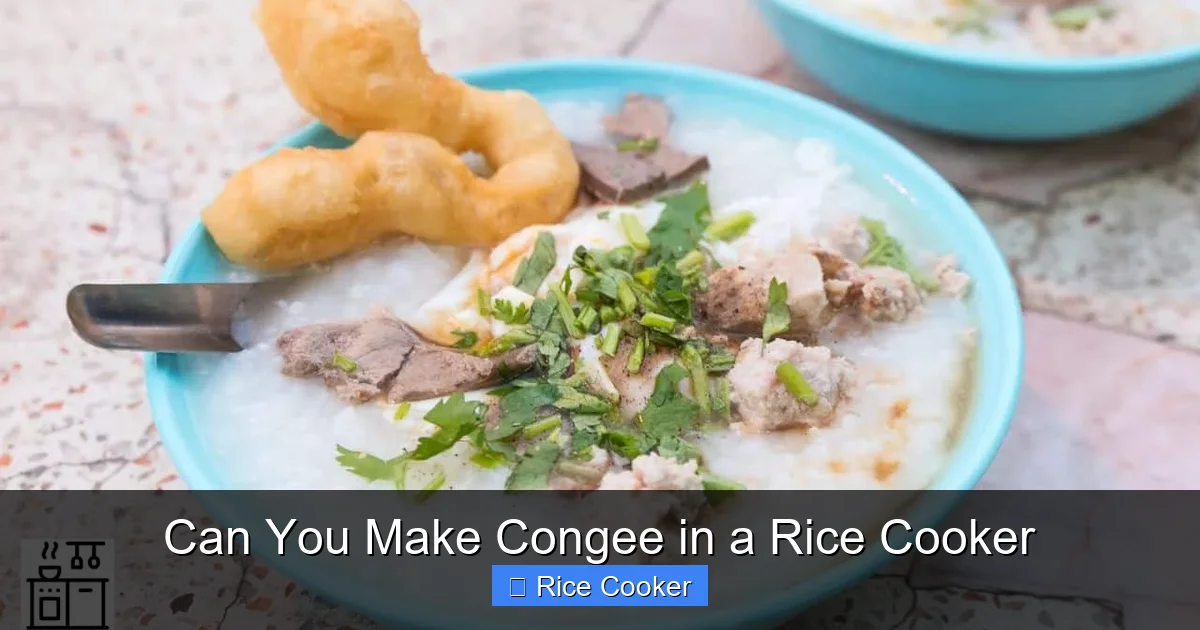
Visual guide about Can You Make Congee in a Rice Cooker
Image source: kitchencuddle.com
Why Use a Rice Cooker?
Rice cookers simplify the traditional stovetop method. Instead of watching the pot constantly or stirring every few minutes, you simply measure ingredients, press a button, and let the machine do the work. Modern rice cookers also come with specialized settings—like “porridge” or “congee” modes—that optimize cooking time and temperature. Even basic models without these settings can produce excellent results with a little attention.
Choosing the Right Rice for Congee
Short-Grain Rice Is Your Best Bet
Not all rice types are created equal when it comes to congee. Short-grain rice—such as Japanese sushi rice or Chinese glutinous rice—contains more starch, which helps thicken the liquid into a creamy consistency. Long-grain varieties like jasmine or basmati tend to stay separate and may result in a thinner, less cohesive porridge.
If short-grain isn’t available, medium-grain rice can be a decent substitute, though the texture might be slightly less creamy. Avoid brown rice unless you’re okay with a chewier, nuttier version of congee, which requires longer cooking times.
Rinsing Removes Excess Starch
Before cooking, rinse your rice under cold water until the water runs clear. This step removes excess surface starch, preventing the conge from becoming too gummy. However, don’t over-rinse—some starch is needed to help thicken the mixture.
Perfecting the Water-to-Rice Ratio
Start With a Standard Ratio
A good starting point is a 1:6 ratio (one part rice to six parts water). For example, one cup of rice calls for six cups of water. If you prefer thicker conge, go with 1:5; for thinner porridge, try 1:7. Keep in mind that different rice brands absorb water differently, so you’ll need to adjust based on experience.
Consider Your Rice Cooker Model
Some rice cookers are designed specifically for congee and include a dedicated mode that adjusts timing and temperature. These often use slightly less water than standard rice cooking because they rely on prolonged steaming rather than full boiling. Always check your manual—if there’s a “porridge” setting, it’s usually optimized for congee.
Step-by-Step Guide: Making Congee in a Rice Cooker
Prep Your Ingredients
Gather your rinsed rice, water (or broth for extra flavor), salt, and any optional aromatics like ginger slices or scallions. If you’re adding protein (chicken, pork, or fish), cook it separately first and add it later.
Add Everything to the Inner Pot
Place the rice and water (or broth) into the inner pot of your rice cooker. Add a pinch of salt and any spices or aromatics you want infused into the base flavor. Stir gently to combine.
Select the Right Setting
On most rice cookers, choose the “White Rice” or “Normal” setting. If your model has a “Porridge” or “Congee” function, use that—it typically extends the cooking time to allow for gradual thickening. Avoid the “Quick Cook” or “Instant” settings, as they won’t give the rice enough time to break down properly.
Cook and Rest
Once the cycle starts, avoid opening the lid frequently—heat loss can affect cooking. After the cycle ends, let the conge sit for 5–10 minutes with the lid closed. This resting period allows the rice grains to fully absorb remaining moisture and results in a smoother texture.
Stir Gently Before Serving
Carefully stir the conge with a wooden or silicone spoon. If it seems too thick, add a splash of hot water or broth. If too thin, return it to the heat for a few more minutes (with the lid off) to reduce.
Troubleshooting Common Issues
Too Thick? Add Liquid
If your conge turned out too thick, don’t panic. Simply stir in hot water or broth gradually until you reach the desired consistency. Heat gently if needed—never add cold liquid directly, as it can shock the pot.
Too Thin? Simmer More
For a thicker texture, transfer the conge back to the heating plate (if your model has one) and simmer uncovered for 5–10 minutes, stirring occasionally. Watch closely to avoid boiling over or burning.
Burned Bottom? Prevent It
Burning usually happens during the final stages when the liquid evaporates too quickly. To prevent this, keep an eye on the conge after the main cycle ends, especially if you’re using a non-stick inner pot. Stirring frequently during the last 10 minutes helps distribute heat evenly.
Grains Remain Separate?
This often means the rice wasn’t cooked long enough or didn’t have enough water. Next time, increase the water ratio slightly or switch to a model with a longer cooking cycle.
Flavoring and Customizing Your Congee
Savory Variations Are Endless
While plain conge is delicious, it’s meant to be personalized. Try these ideas:
- Chicken Congee: Cook diced chicken breast with ginger and soy sauce in the base liquid. Add chopped scallions at the end.
- Pork Belly Congee: Slow-cook pork belly until tender, then shred and return to the pot. Season with black pepper and cilantro.
- Seafood Congee: Toss in shrimp, squid, or fish flakes near the end of cooking for a briny, umami-rich bowl.
- Mushroom Congee: Sauté dried shiitake mushrooms before adding them to the rice cooker for deep earthy notes.
Sweet Options Too
Don’t limit yourself to savory! Sweet conge is popular in Southeast Asia and Hawaii. Try adding:
- Brown sugar and coconut milk
- Dried longan fruits or red beans
- Grilled mochi pieces for crunch
- A drizzle of condensed milk or honey
Health Benefits of Eating Congee
Beyond its comfort factor, congee offers several nutritional perks. Because it’s mostly carbohydrates, it provides quick energy. It’s also easy on the stomach, making it ideal for recovering from illness or dealing with digestive issues. Adding lean proteins or vegetables boosts its value, turning a simple bowl into a balanced meal.
Many cultures believe congee aids digestion and promotes longevity. While science supports its gentleness on the gut, there’s no denying how satisfying a warm bowl feels after a long day.
Tips for Success Every Time
- Use fresh ingredients: Old rice can still work, but freshly cooked rice yields better results.
- Experiment with broths: Replace half the water with bone broth, miso soup, or vegetable stock for richer flavor.
- Layer flavors: Add aromatics like star anise, cinnamon sticks, or bay leaves while cooking.
- Store leftovers properly: Refrigerate in an airtight container for up to 4 days. Reheat gently on the stove or in the microwave, adding water if needed.
- Try overnight soaking: Soaking rice for 30 minutes before cooking shortens the total time and improves tenderness.
Conclusion: Congee Made Easy, Anytime
Making conge in a rice cooker isn’t just possible—it’s one of the simplest ways to enjoy this timeless dish. Whether you’re feeding a crowd, nursing yourself back to health, or just craving something warm and soothing, your rice cooker has got you covered. With the right rice, water ratio, and a little patience, you’ll master conge in no time.
So next time you’re wondering, “Can you make conge in a rice cooker?”—the answer is yes, and it tastes incredible. No stovetop required. Just rice, water, and a dream of creamy goodness.
Frequently Asked Questions
Can I make conge in any type of rice cooker?
Yes, almost all rice cookers can make conge, including basic models. While advanced ones with “porridge” settings make it easier, even standard white rice functions work well with proper water ratios and post-cooking adjustments.
How much water should I use for conge?
A good starting ratio is 1 cup rice to 6 cups water. Adjust based on preference—thicker conge uses less water (1:5), while thinner versions need more (1:7 or higher).
Do I need to stir the conge while cooking?
Most rice cookers don’t require constant stirring since they regulate temperature automatically. However, check the pot after the main cycle ends and stir gently to prevent sticking or uneven texture.
Can I make sweet conge in a rice cooker?
Absolutely! Just replace water with coconut milk or add sugar, dried fruits, or mochi. Follow the same basic steps but watch for over-reduction, as liquids evaporate faster during simmering.
How long does it take to make conge in a rice cooker?
Total time varies by model, but expect 30–50 minutes for most cycles. Allow an additional 5–10 minutes for resting after cooking to achieve optimal texture.
Can I reheat leftover conge?
Yes! Store leftovers in the fridge for up to 4 days. Reheat on the stove with a splash of water or in the microwave, stirring frequently until warm and creamy.