
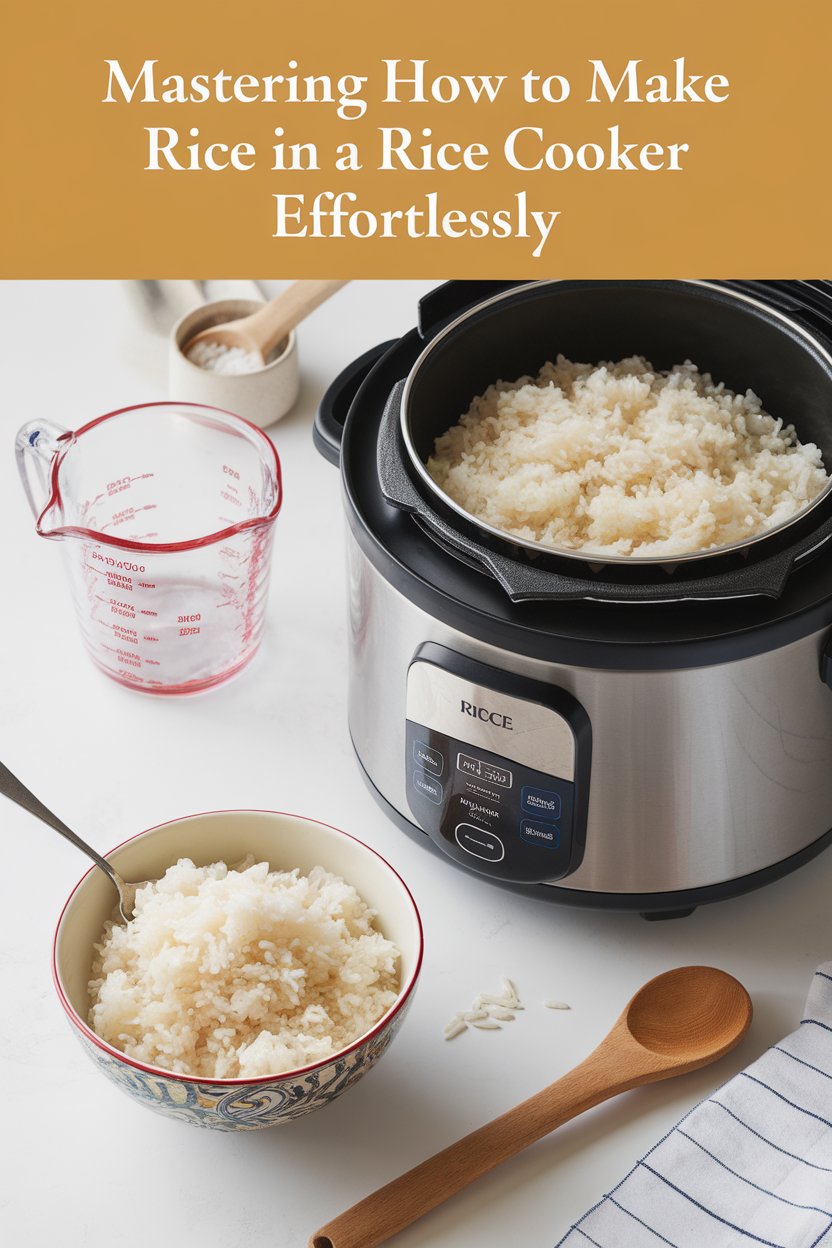
There’s nothing quite as frustrating as anticipating a fluffy, perfectly cooked bowl of rice, only to find a sticky, mushy mess or, even worse, scorched grains stuck to the bottom of your pot. Many of us have been there, struggling with stovetop methods that seem to have a mind of their own. But what if there was a simpler, more consistent way? This guide will show you exactly how to make rice in a rice cooker, transforming your kitchen experience. You’ll learn the secrets to achieving perfect rice every single time, saving you time and stress, and ensuring delicious results that will impress family and friends.
Understanding Your Rice Cooker Appliance
Before diving into the cooking process, it’s essential to understand the appliance itself. A rice cooker is a dedicated kitchen tool designed to simplify the task of cooking rice. It works by heating water to a boiling point, then maintaining that temperature until all the water is absorbed by the rice. Once absorbed, it typically switches to a “keep warm” function, preventing overcooking and ensuring your rice stays hot until serving. This section will introduce you to the basic types and components that make this appliance so effective.
Types of Rice Cookers
Rice cookers come in various forms, each offering different features and price points. Understanding these differences can help you choose the right one for your needs or appreciate the capabilities of your current model.
-
Basic On/Off Models
These are the simplest and most affordable rice cookers. They typically have a single switch for “cook” and automatically flip to “warm” when the water is absorbed. They are fantastic for straightforward rice cooking, perfect for those who primarily stick to white rice and don’t require advanced features. Their main appeal lies in their ease of use and reliability for basic cooking tasks, making them a staple in many households.
-
Micom (Microcomputer) Rice Cookers
Micom rice cookers use a microchip to make minor adjustments to cooking time and temperature. This “fuzzy logic” allows them to adapt to different types of rice and even slight variations in water measurement, resulting in more consistently perfect rice. They often come with pre-set programs for various rice types like brown rice, sushi rice, or even porridge, offering greater versatility and precision for the discerning cook.
-
Induction Heating (IH) Rice Cookers
IH rice cookers are at the higher end of the spectrum. They use induction heating to cook the rice from all sides, rather than just from the bottom, providing more even heat distribution and precise temperature control. This results in superior texture and flavor, as each grain is cooked uniformly. While more expensive, IH models are favored by enthusiasts who demand the absolute best quality and consistency from their rice.
-
Pressure Induction Heating (PIH) Rice Cookers
Building on IH technology, PIH rice cookers also incorporate pressure cooking. This combination creates an even higher temperature environment, which can cook rice faster and produce an even stickier, chewier texture, especially desired for certain Asian cuisines. The added pressure helps to break down the starch more effectively, leading to a perfectly plump and flavorful grain that absorbs seasonings exceptionally well.
Essential Components
Regardless of the type, most rice cookers share a few core components that facilitate their magical transformation of grains into a delicious meal. Familiarizing yourself with these parts will help you use and maintain your appliance effectively.
-
Inner Pot (Cooking Bowl)
This is where the rice and water are placed for cooking. Most inner pots are made from aluminum with a non-stick coating, which prevents rice from sticking and makes cleanup easy. Higher-end models might feature thicker, multi-layered pots for better heat retention and distribution, which contributes significantly to the even cooking of rice, ensuring no part is undercooked or overcooked.
-
Heating Element
Located at the base of the rice cooker, this element heats the inner pot, bringing the water to a boil and cooking the rice. In basic models, it’s a simple heating plate, while in IH models, it’s a more complex induction coil system that heats the entire pot. The efficiency and evenness of the heating element directly impact the quality of the cooked rice, ensuring consistent results.
-
Thermostat or Sensor
This crucial component detects when all the water has been absorbed or evaporated, triggering the rice cooker to switch from “cook” to “keep warm.” In simple models, it’s often a spring-loaded thermostat, while Micom cookers use more sophisticated temperature sensors and microcomputers. This automatic shut-off feature is what makes rice cookers so foolproof, preventing burning and ensuring perfectly cooked grains without constant monitoring.
-
Lid and Steam Vent
The lid seals the pot, keeping steam and heat inside, which is vital for the rice to cook properly through absorption. The steam vent releases excess pressure and steam, preventing boil-overs. Some lids are removable, while others are hinged. A tight-fitting lid is crucial for maintaining the consistent temperature and pressure needed for optimal rice cooking, and a well-designed vent prevents mess.
The Core Process: How to Make Rice in a Rice Cooker
This is the heart of our guide: the step-by-step instructions on how to make rice in a rice cooker. While rice cookers simplify the process, a few key steps ensure perfection. From choosing the right rice and water ratio to the final resting period, mastering these fundamentals will guarantee fluffy, separate grains every time. This section breaks down the entire procedure, making it accessible for anyone.
Choosing Your Rice and Water Ratios
The type of rice you choose and the precise amount of water are critical factors in achieving ideal results. Different rice varieties require different water amounts due to their varying starch content and grain structures. Getting this right is the most important step.
-
Rice Variety Matters
There are countless types of rice, each with unique characteristics. Short-grain rice, like sushi rice, tends to be stickier due to its higher amylopectin content, while long-grain rice, such as Basmati or Jasmine, is known for its fluffy, separate grains. Medium-grain rice falls in between. Understanding these differences helps you anticipate the final texture and choose the best variety for your culinary needs. For example, Jasmine rice is excellent for aromatic dishes, while Arborio is perfect for creamy risottos.
-
Standard Water Ratios
A common starting point for white rice is a 1:1.5 ratio of rice to water (1 cup of rice to 1.5 cups of water). However, this can vary. For instance, brown rice typically requires more water (1 cup rice to 2 cups water) because its bran layer needs more hydration to soften. Newer, polished white rice might require slightly less water than older, drier grains. Always check your rice cooker’s manual for recommended ratios as they can sometimes differ slightly based on the appliance’s specific engineering and heating capabilities.
-
Using the Included Measuring Cup
Most rice cookers come with a specific measuring cup, which is usually smaller than a standard US cup (often around 180ml instead of 240ml). It’s crucial to use this cup for both rice and water measurements as the markings on the inner pot correspond to this specific cup size. If you use a standard cup, your measurements will be off, leading to either too dry or too mushy rice. Consistency with the provided tools ensures consistent results.
-
Adjusting for Altitude and Rice Age
For those living at higher altitudes, water boils at a lower temperature, which can affect cooking times and water absorption. You might need to add a tiny bit more water or extend the cooking time slightly. Similarly, older rice grains tend to be drier and may require a small increase in water compared to fresh rice. These subtle adjustments, learned through experience, can fine-tune your rice for perfection regardless of environmental factors.
Insert a comparison chart here showing common rice types and their typical rice cooker water ratios.
| Rice Type | Rice-to-Water Ratio (Approx.) | Expected Texture |
|---|---|---|
| White Long-Grain (e.g., Basmati, Jasmine) | 1 cup rice : 1.5 – 1.75 cups water | Fluffy, separate grains |
| White Short-Grain (e.g., Sushi Rice) | 1 cup rice : 1.1 – 1.25 cups water | Sticky, cohesive grains |
| Brown Rice (Short or Long-Grain) | 1 cup rice : 2 – 2.25 cups water | Chewy, hearty, less sticky |
| Wild Rice Blend | 1 cup rice : 2.5 – 3 cups water | Firm, distinct grains |
Prepping Your Rice
Proper preparation is key to perfect rice. This often overlooked step ensures cleaner, better-textured rice and removes excess starch that can lead to stickiness.
-
Rinsing the Rice
Rinsing rice removes excess starch from the surface of the grains. This prevents the rice from becoming overly sticky and clumpy, resulting in fluffier, more distinct grains. Place the rice in a bowl and add cold water, swirl with your hand, then drain. Repeat this process 2-3 times, or until the water runs mostly clear. While some instant or pre-washed rice varieties might skip this step, for most types, rinsing is highly recommended for superior results. A fine-mesh sieve can also be used for easy draining.
-
Soaking (Optional but Recommended for Some Types)
Soaking certain types of rice, particularly brown rice or older white rice, for 30 minutes to an hour can improve cooking consistency and reduce cooking time. Soaking allows the grains to absorb some water before cooking, leading to more even hydration and a softer texture. If you choose to soak, you may need to reduce the amount of cooking water slightly. This step mimics traditional cooking methods and can be particularly beneficial for harder grains, ensuring they cook through evenly.
Cooking and Resting
Once prepped, the rice goes into the cooker. But the process isn’t over when the “cook” light turns off. A crucial resting period ensures optimal texture.
-
Add Rice and Water to the Inner Pot:
Carefully measure your rinsed rice using the rice cooker’s measuring cup and place it into the inner pot. Then, measure the appropriate amount of cold water according to your rice type and the cooker’s guidelines, adding it to the pot. Ensure the water level matches the markings inside the pot if you’re using the cooker’s measuring cup. Double-check your measurements to avoid dry or overly wet rice. The precision here is paramount for consistent outcomes.
-
Close the Lid Securely:
Place the inner pot back into the rice cooker, making sure it sits flat. Close the lid firmly until it clicks into place (if applicable). A secure lid is vital for maintaining the internal pressure and heat required for efficient and even cooking. If the lid is not properly sealed, steam can escape, leading to inconsistent cooking and potentially undercooked or dry rice. Always ensure it’s locked to prevent steam loss.
-
Select Your Setting (If Applicable) and Start Cooking:
For basic rice cookers, simply press the “cook” button or flip the switch. For Micom or IH models, select the specific program for your rice type (e.g., “white rice,” “brown rice,” “Jasmine”). Once the setting is chosen, press the start button. The cooker will now begin its automated process, heating the water to boiling and then maintaining the temperature until all the water is absorbed, which usually takes 20-40 minutes depending on the rice type and quantity.
-
Allow the Rice to Rest (Crucial Step):
Once the cooker switches to “warm” or indicates cooking is complete, do NOT open the lid immediately. This resting period is critical. Allow the rice to rest in the closed cooker for at least 10-15 minutes (or even longer for brown rice). This allows the steam to redistribute moisture evenly throughout the grains, ensuring a fluffy, perfectly textured result and preventing stickiness. Opening too early can release essential steam, leading to unevenly cooked or dry rice. This step is often overlooked but profoundly impacts the final texture.
-
Fluff and Serve:
After the resting period, open the lid and use a rice paddle or fork to gently fluff the rice. This separates the grains and releases any remaining steam, preventing them from clumping together. Serve immediately with your favorite dishes. Fluffing also allows for a more appealing presentation and helps to achieve that distinct, separate grain texture that is the hallmark of perfectly cooked rice. Enjoy your perfectly cooked rice!
Insert an image here showing the progression from raw rice to fluffy, cooked rice.
Real-Life Scenario: Cooking for a Weeknight Meal
Imagine it’s a busy Tuesday evening. You get home from work, and dinner needs to be on the table in under an hour. You’ve got a stir-fry planned, and perfect rice is essential. Here’s how your rice cooker saves the day:
- You quickly grab 2 cups of Jasmine rice, rinse it thoroughly until the water runs mostly clear (about 2 minutes), and place it in your rice cooker’s inner pot.
- Using the included measuring cup, you add 3 cups of cold water to the rice.
- You close the lid, select the “White Rice” setting on your Micom cooker, and press start.
- While the rice cooker works its magic (approximately 25 minutes of active cooking), you chop vegetables, prepare your stir-fry sauce, and start cooking the protein.
- The rice cooker beeps, signaling it’s done. You let it rest for a full 10 minutes while you finish up the stir-fry.
- When you open the lid, perfectly fluffy, aromatic Jasmine rice is waiting, ready to be fluffed and served alongside your piping hot stir-fry. No sticky mess, no burnt bottom, just consistently delicious rice, freeing you to focus on the main course.
Advanced Tips for Perfect Rice Every Time
While the basic steps will get you delicious rice, understanding common issues and exploring variations can elevate your rice cooker game. This section delves into troubleshooting, flavor enhancements, and addresses common misconceptions, empowering you to become a rice master.
Troubleshooting Common Rice Cooker Issues
Even with the best instructions, issues can sometimes arise. Knowing how to identify and fix them can save your meal and prevent future frustrations.
-
Rice is Too Mushy or Sticky
This is a common issue and usually indicates too much water was used for the amount of rice, or the rice wasn’t rinsed adequately. Excess starch contributes significantly to stickiness. To fix this next time, try reducing the water by about 1/4 cup per 2 cups of rice, or ensure you rinse the rice more thoroughly before cooking. Additionally, letting the rice rest longer after cooking, without lifting the lid, allows excess moisture to evaporate and redistribute, leading to a firmer, fluffier texture. Consistent measuring is also key here.
-
Rice is Too Dry or Hard
Conversely, dry or hard rice means there wasn’t enough water, or the cooking time was insufficient. This often happens with older rice grains or at higher altitudes where water evaporates faster. Increase the water by about 1/4 cup per 2 cups of rice for your next batch. Also, ensure the lid is sealed properly during cooking to prevent steam escape, and always let the rice rest for the recommended 10-15 minutes after cooking. Soaking very dry or brown rice can also help achieve a softer result.
-
Rice Sticking to the Bottom of the Pot
While most modern rice cookers have non-stick pots, sticking can still occur if the coating is damaged or if the “keep warm” function is left on for too long. To prevent this, ensure your pot is clean and undamaged. For older cookers, a tiny bit of oil (like sesame or vegetable) added to the water before cooking can create a protective barrier. Also, avoid leaving the rice on “keep warm” for more than an hour or two; transfer it to another container if you plan to store it longer. A gentle scrape with a plastic or wooden paddle can also help release stuck rice.
-
Unevenly Cooked Rice (Some Hard, Some Soft)
This issue often points to uneven heat distribution or improper resting. Ensure the inner pot is properly seated on the heating element. Some older or cheaper models might have less uniform heating. Also, consistently allowing the rice to rest in the cooker for the full 10-15 minutes after the “cook” cycle finishes is crucial. This resting period allows the steam to permeate all grains evenly, completing the cooking process and ensuring a uniform texture throughout the entire batch of rice, from top to bottom.
Flavor Enhancements and Variations
Once you’ve mastered plain rice, you can experiment with simple additions to elevate its flavor profile, transforming a basic side dish into something special.
-
Aromatic Additions
Enhance the flavor of your rice by adding aromatics directly to the cooking water. A pinch of salt is almost always recommended for basic flavor, but you can go further. Try a bay leaf, a whole star anise, a cinnamon stick, or a few cardamom pods for an exotic touch. For a fresher aroma, a knob of ginger, a bruised lemongrass stalk, or a sprig of fresh cilantro can be added. These ingredients infuse the rice with their distinct essences as it cooks, resulting in a more complex and fragrant dish that pairs beautifully with various cuisines.
-
Cooking with Broth or Stock
Instead of plain water, use chicken, vegetable, or beef broth for a richer, more savory rice. This instantly adds depth of flavor without much extra effort. Be mindful of the salt content in your broth, as you might need to adjust or omit added salt. This technique is particularly good for rice that will accompany roasted meats, stews, or for making a more flavorful base for pilafs. The umami from the broth transforms the rice into a more substantial and satisfying component of the meal.
-
Add-ins After Cooking
After the rice is cooked and fluffed, you can stir in various ingredients to add texture, flavor, and color. Consider toasted sesame seeds, chopped fresh herbs (like parsley, cilantro, or chives), a pat of butter, a drizzle of olive oil, or even a splash of lemon juice. For an extra kick, a spoonful of chili oil or a sprinkle of everything bagel seasoning can be transformative. These additions are best incorporated at the very end to preserve their freshness and prevent them from overcooking or losing their vibrant flavors.
Debunking Rice Cooker Myths
Misinformation can sometimes hinder optimal use of your rice cooker. Let’s clear up some common myths.
-
Myth: You Can Open the Lid Anytime During Cooking
Reality: Opening the lid during the cooking cycle, especially in the first 15-20 minutes, is detrimental to the cooking process. When the lid is opened, steam and heat escape, which lowers the internal temperature and interrupts the consistent steaming required for even cooking. This can lead to unevenly cooked grains, with some being hard and others mushy. It’s best to trust your rice cooker to do its job and only open the lid once the ‘cook’ cycle is complete and the rice has had its crucial resting period. Patience truly is a virtue for perfect rice.
-
Myth: All Rice Cooks the Same in a Rice Cooker
Reality: While a rice cooker automates the process, different types of rice still have distinct needs. Brown rice, for example, has a tough outer bran layer that requires more water and a longer cooking time compared to white rice. Similarly, short-grain rice needs less water than long-grain to achieve its characteristic stickiness. Many advanced rice cookers have specific settings for various rice types precisely because their cooking requirements vary significantly. Ignoring these differences will result in sub-optimal rice for anything other than basic white varieties.
-
Myth: You Don’t Need to Rinse Rice in a Rice Cooker
Reality: While it’s true that the rice cooker will technically cook unrinsed rice, rinsing is a crucial step for achieving the best possible texture and appearance, especially for white rice. Rinsing removes excess starch from the surface of the grains, which prevents the rice from becoming excessively sticky and clumpy. This results in fluffier, more distinct grains that are a pleasure to eat. Skipping this step often leads to a gummy, less appealing texture, even in the most sophisticated rice cookers. It takes minimal effort for a significant improvement.
Insert an infographic showing the benefits of rinsing rice.
Beyond White Rice: Exploring Other Grains
Your rice cooker isn’t limited to just white rice. It’s a versatile appliance capable of perfectly cooking a variety of grains. Expanding your repertoire to include brown rice, quinoa, and others can add nutritional value and diverse textures to your meals.
Cooking Brown Rice
Brown rice, with its nutty flavor and chewy texture, is a nutritious alternative to white rice. It requires slightly different handling in the rice cooker due to its intact bran layer.
-
Increased Water and Cooking Time
Brown rice requires more water and a longer cooking time than white rice. A general ratio is 1 cup of brown rice to 2 to 2.25 cups of water. The bran layer needs more time to absorb water and soften. Many Micom rice cookers have a dedicated “brown rice” setting which automatically adjusts these parameters, often including a pre-soak phase. If your cooker doesn’t have this setting, manual adjustments will be necessary, or consider soaking it for 30 minutes to an hour before cooking to aid in absorption and ensure a more tender grain. This ensures the rice is fully cooked through.
-
Soaking for Best Results
While optional, soaking brown rice for at least 30 minutes (or even a few hours) before cooking can significantly improve its texture and reduce cooking time. Soaking helps to hydrate the tough outer bran, leading to a more evenly cooked and tender grain. If soaking, you might slightly reduce the water ratio by about 1/4 cup per cup of rice. This pre-hydration step is especially beneficial for achieving consistent results and avoiding overly chewy or hard grains, making it a technique worth adopting for brown rice enthusiasts.
-
Longer Resting Period
Brown rice benefits even more from a longer resting period after cooking. Once your rice cooker signals it’s done, let the brown rice sit on the “keep warm” setting for at least 15-20 minutes, or even up to 30 minutes, without opening the lid. This extended rest allows the steam to fully redistribute and finish tenderizing the grains. Skipping this step can result in brown rice that feels partially raw or excessively firm, so patience is key for its unique structure. The added time ensures a perfectly chewable and enjoyable texture.
Quinoa and Other Grains
Beyond rice, your rice cooker is excellent for cooking other popular grains that benefit from the consistent heat and automated process.
-
Quinoa in the Rice Cooker
Quinoa, a highly nutritious pseudo-grain, cooks beautifully in a rice cooker. The standard ratio is 1 cup of quinoa to 1.75 to 2 cups of water or broth. Always rinse quinoa thoroughly before cooking to remove its bitter saponin coating. Place rinsed quinoa and water into the pot, select a “white rice” setting (or manual cook), and let it run. Once done, let it rest for 10 minutes, then fluff. The rice cooker makes preparing fluffy, perfectly separated quinoa incredibly easy, preventing the common issue of it becoming mushy or watery. It’s an ideal method for meal prep.
-
Farro and Barley
Hearty grains like farro and barley can also be cooked in a rice cooker, though they typically require more water and longer cooking times. For farro, a ratio of 1 cup grain to 3 cups water is a good starting point, and for barley, 1 cup grain to 2.5-3 cups water. You might need to use a “brown rice” setting if available, or run a “white rice” cycle twice if your cooker doesn’t offer extended cooking. Soaking these grains for a few hours prior can also significantly reduce cooking time and ensure tenderness. The rice cooker provides a hands-off approach to these sometimes stubborn grains.
-
Steel-Cut Oats
Yes, you can even make steel-cut oats in your rice cooker, particularly useful for breakfast meal prep. A common ratio is 1 cup of steel-cut oats to 3-4 cups of water or milk, depending on desired consistency. Use the “porridge” setting if available, or the “brown rice” setting. Cooking overnight on a timer function allows you to wake up to warm, ready-to-eat oatmeal. This method is incredibly convenient, preventing boil-overs and constant stirring required on the stovetop, making healthy breakfasts effortless. The consistency is consistently creamy and perfectly cooked.
A 2023 survey of kitchen appliance users found that 70% reported using their rice cooker for at least one other grain besides white rice, highlighting its versatility. Furthermore, industry data shows that rice cooker sales for Micom and IH models have increased by 15% in the last year, indicating a growing consumer preference for advanced features that cater to diverse cooking needs.
FAQ
Why is rinsing rice so important when using a rice cooker?
Rinsing rice removes excess starch from the surface of the grains. This prevents the rice from becoming overly sticky or gummy during cooking, resulting in a fluffier, more desirable texture. It also helps to achieve more distinct and separate grains, which is often preferred for dishes like stir-fries or as a side dish.
Can I cook brown rice in a regular rice cooker without a special “brown rice” setting?
Yes, you can cook brown rice in a basic rice cooker. You’ll typically need more water (around 1 cup brown rice to 2-2.25 cups water) and a longer cooking time. If your cooker doesn’t have a specific setting, you might need to run the “cook” cycle once, let it rest, and if still too firm, run it again for a shorter period. Soaking the brown rice beforehand is highly recommended.
What if my rice cooker comes with its own measuring cup? Should I use it?
Absolutely, always use the measuring cup that came with your rice cooker. These cups are usually not standard US cup size (they are typically 180ml instead of 240ml), and the water level markings inside your rice cooker are calibrated to this specific cup. Using a different cup will lead to incorrect water ratios and potentially poorly cooked rice.
How long can I leave rice on the “keep warm” setting?
Most manufacturers recommend leaving rice on the “keep warm” setting for no more than 1-2 hours for optimal taste and texture. While some cookers can keep rice warm for longer, the quality can degrade, becoming dry or developing an off-flavor. For longer storage, it’s best to transfer the rice to an airtight container and refrigerate.
My rice cooker boils over sometimes. How can I prevent this?
Boiling over usually happens if you’ve added too much water, haven’t rinsed your rice adequately (excess starch creates more foam), or have a blocked steam vent. Ensure you’re using the correct rice-to-water ratio, rinse your rice thoroughly, and periodically clean the steam vent in the lid. A small amount of cooking oil can also sometimes reduce foaming.
Can I add salt or oil to the rice before cooking in the rice cooker?
Yes, adding a pinch of salt to the cooking water enhances the flavor of the rice. Many people also add a teaspoon of neutral oil (like vegetable or sesame oil) to the water, which can help prevent sticking and give the grains a subtle sheen. These additions are perfectly fine and can improve the overall taste and texture of your cooked rice.
Is it okay to lift the lid during the resting period after cooking?
It is strongly advised not to lift the lid during the resting period. This time allows the steam to redistribute moisture evenly throughout the cooked grains, resulting in a perfectly fluffy and consistent texture. Opening the lid releases this trapped steam, interrupting the process and potentially leading to drier or unevenly cooked rice.
Final Thoughts
Mastering how to make rice in a rice cooker is a true game-changer for any home cook. By understanding your appliance, carefully selecting your rice, accurately measuring water, and respecting the crucial resting period, you can achieve consistently perfect, fluffy grains with minimal effort. Remember, a perfectly cooked bowl of rice elevates any meal, providing a comforting and delicious foundation. Don’t let past stovetop struggles deter you; embrace the simplicity and reliability of your rice cooker. Experiment with different rice types and flavors, and enjoy the satisfaction of perfect rice every time you cook.