
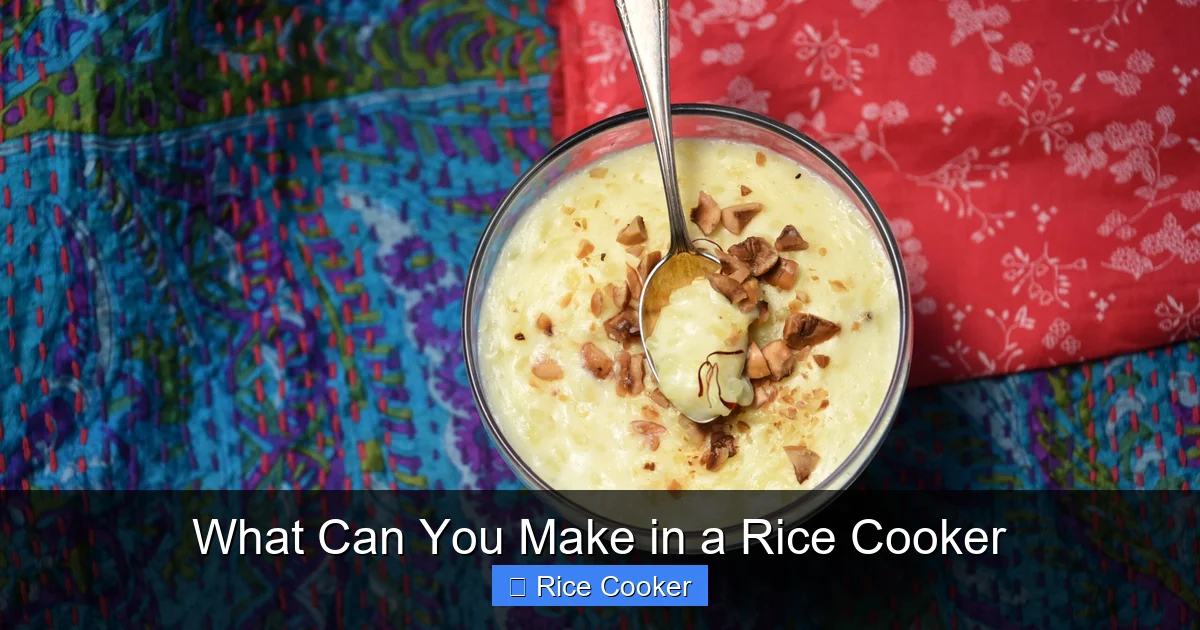
You can do so much more than just cook rice with your rice cooker! This versatile appliance transforms into a multi-functional kitchen powerhouse. From fluffy grains to rich desserts and even protein-packed meals, the rice cooker’s gentle, consistent heat unlocks flavors you never thought possible. Whether you’re meal prepping or whipping up weeknight dinners, this humble appliance proves its worth time and again.
Key Takeaways
- Beyond Rice: Your rice cooker can cook grains, beans, vegetables, meats, and even desserts with perfect results every time.
- Time-Saving Magic: Set it and forget it – many recipes require minimal active cooking time while the rice cooker handles the rest.
- Healthier Options: Steaming vegetables, poaching fish, and making whole grain porridge are all easier and tastier in a rice cooker.
- One-Pot Wonders: Create complete meals like jambalaya, risotto, or chicken and rice in a single pot without cleanup stress.
- Budget-Friendly: No need for expensive specialty cookers – your existing rice cooker can replace multiple appliances.
- Perfect Consistency: The controlled temperature ensures even cooking and prevents burning or undercooking.
Quick Answers to Common Questions
Can I cook pasta in a rice cooker?
Yes! Cook pasta in a rice cooker using a pasta-to-water ratio of about 1:4. Cook for 8-12 minutes depending on the pasta type. Drain any excess water after cooking for al dente results.
How do I prevent my rice cooker from burning food?
Always use the proper liquid-to-food ratio and avoid overfilling. Use a non-stick inner pot and clean it regularly. If burning occurs, add a tablespoon of oil or water to create steam that loosens stuck-on food.
Can I make yogurt in a rice cooker?
Absolutely! Use your rice cooker’s “keep warm” function to maintain the temperature needed for yogurt cultures to work. Add starter culture to milk, stir well, and let it sit in the rice cooker with the lid closed for 8-12 hours.
Is it safe to leave my rice cooker unattended while cooking?
Yes, that’s one of the main benefits of rice cookers! They automatically switch to “warm” mode once cooking is complete, so you can safely leave them unattended after starting the cooking cycle.
How do I clean my rice cooker thoroughly?
Unplug and cool completely before cleaning. Wash the inner pot with warm soapy water (most are dishwasher safe). Wipe the exterior with a damp cloth. Clean the heating plate with a soft brush or toothbrush to remove any residue.
📑 Table of Contents
- What Can You Make in a Rice Cooker?
- Cooking Grains and Cereals Beyond White Rice
- Vegetable Cooking and Steaming Mastery
- Protein Cooking Adventures
- One-Pot Meals That Save Time and Cleanup
- Desserts and Sweet Treats
- Breakfast Ideas Beyond Porridge
- Tips for Getting the Most Out of Your Rice Cooker
- Conclusion: Unlock the Full Potential of Your Kitchen Appliance
What Can You Make in a Rice Cooker?
Let’s be honest – when you bought that shiny new rice cooker, you probably had visions of perfectly fluffy white rice dancing in your head. And hey, that’s great! But here’s the secret most people don’t tell you: your rice cooker is actually one of the most versatile kitchen appliances you own. It’s not just for rice anymore. In fact, if you’re only using it for one dish, you’re missing out on a world of delicious possibilities.
The magic of a rice cooker lies in its ability to maintain a precise temperature while cooking. This gentle, consistent heat is perfect for a wide range of foods beyond just grains. Whether you’re a busy parent trying to get dinner on the table quickly, a health-conscious eater looking for nutritious meals, or just someone who loves experimenting in the kitchen, your rice cooker has got you covered. Think about it – you already have this appliance sitting in your kitchen, taking up space and collecting dust while you could be using it to create amazing meals. It’s time to unlock its full potential!
Cooking Grains and Cereals Beyond White Rice
If you think rice cookers are only for making plain old white rice, prepare to have your mind blown. These appliances are absolutely perfect for cooking all kinds of grains and cereals with consistent, professional results.
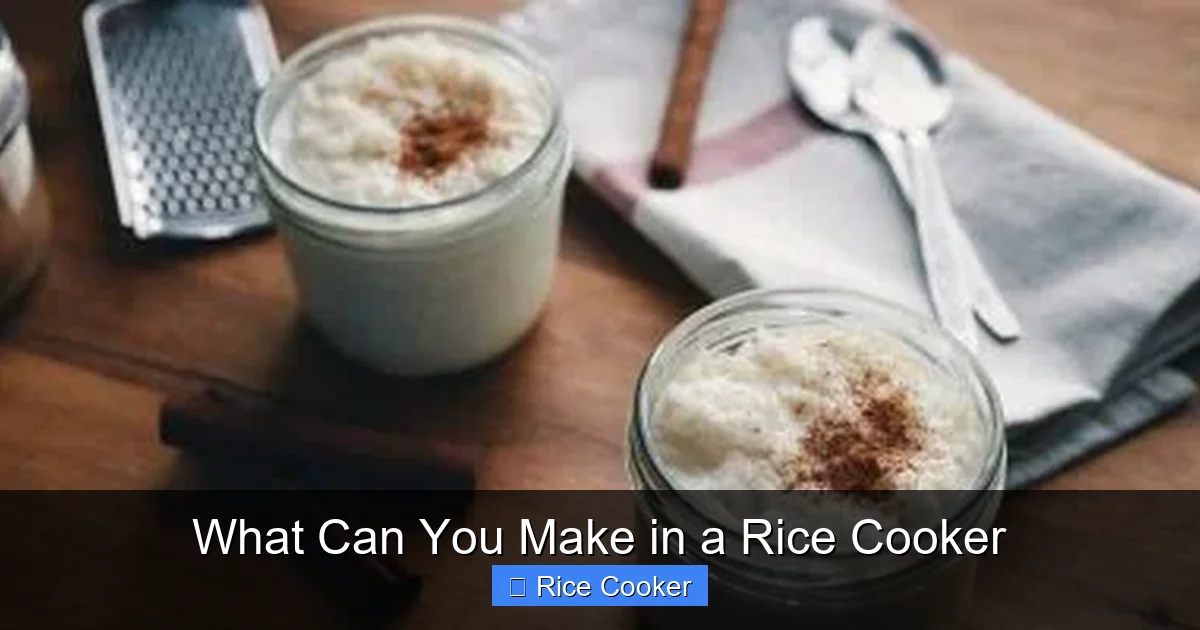
Visual guide about What Can You Make in a Rice Cooker
Image source: soyummy.com
Whole Grain Perfection
While white rice gets all the glory, whole grains deserve equal attention. Oats, quinoa, barley, farro, millet, and bulgur all cook beautifully in rice cookers. The key is understanding the different ratios and cooking times. For example, quinoa typically needs a 2:1 water-to-grain ratio and cooks in about 15 minutes, while oat groats might need up to an hour of cooking time.
Pro tip: Always rinse your whole grains before cooking to remove any bitterness or excess starch. For oats specifically, try steel-cut oats – they’ll turn out creamy and delicious without getting mushy.
Ancient Grains That Shine
Ancient grains like amaranth, teff, and sorghum aren’t just trendy buzzwords – they’re nutritional powerhouses that cook perfectly in rice cookers. Amaranth, for instance, becomes incredibly tender while developing a nutty flavor. Teff creates a dense, chewy texture ideal for porridge or as a base for grain bowls.
Here’s a simple guide for cooking these ancient gems:
- Amaranth: 2 cups water per 1 cup grain, cook 15-20 minutes
- Teff: 3 cups water per 1 cup grain, cook 25-30 minutes
- Sorghum: 2.5 cups water per 1 cup grain, cook 25-30 minutes
Breakfast Grains Made Easy
Start your day right with overnight grains cooked fresh in your rice cooker. Steel-cut oats, rolled oats, or muesli mix will transform from hard nuggets into creamy, warm breakfast bowls. Just add your ingredients to the inner pot, set the timer, and wake up to perfectly cooked oats every morning.
For extra flavor, try adding cinnamon, vanilla extract, or a splash of milk to your oat mixture before cooking. You can even incorporate fruits like applesaupe or berries for natural sweetness without adding sugar.
Vegetable Cooking and Steaming Mastery
Your rice cooker isn’t just for starches – it’s an excellent tool for cooking and steaming vegetables. The gentle steam and consistent heat preserve nutrients while ensuring even cooking.
Visual guide about What Can You Make in a Rice Cooker
Image source: soyummy.com
Steaming Vegetables Perfectly
Most rice cookers come with a steaming basket, making vegetable preparation incredibly easy. Steam broccoli, carrots, green beans, cauliflower, and Brussels sprouts until tender-crisp. This method locks in color, nutrients, and flavor better than boiling or roasting.
Steam timing guide:
- Broccoli & cauliflower: 6-8 minutes
- Carrots: 8-10 minutes
- Green beans: 7-9 minutes
- Asparagus: 4-6 minutes
Roasting Vegetables in the Rice Cooker
Yes, you read that right – you can roast vegetables in your rice cooker! Simply toss sliced potatoes, sweet potatoes, bell peppers, or zucchini with olive oil, salt, pepper, and your favorite herbs. Cook on the “brown” or “porcelain” setting for 20-30 minutes, stirring halfway through.
This method creates beautifully caramelized edges while keeping the centers tender. It’s especially great for small cuts of vegetables that tend to dry out in conventional ovens.
Mushroom Magic
Mushrooms cook wonderfully in rice cookers. Try sautéing them first with garlic and thyme, then finishing them in the rice cooker with a splash of white wine or vegetable broth. The result? Rich, deeply flavored mushrooms that elevate any dish.
For a meatless protein boost, combine cooked mushrooms with cooked lentils or chickpeas for a satisfying, nutrient-dense meal.
Protein Cooking Adventures
Rice cookers can handle proteins too! From fish to chicken to plant-based options, your appliance can create tender, flavorful proteins that practically fall off the bone.
Poaching Fish to Perfection
Fish fillets cook beautifully in a rice cooker using the poaching method. Place your seasoned fish in the inner pot with a splash of white wine, lemon slices, and herbs. Add just enough liquid to cover the bottom of the pot, then cook until the fish flakes easily with a fork.
This method works great for delicate fish like cod, halibut, tilapia, or salmon. The gentle, consistent heat prevents overcooking, resulting in moist, flaky fish every time.
Chicken That Falls Off the Bone
Who knew your rice cooker could make such tender chicken? Combine chicken pieces with aromatics like onions, garlic, bay leaves, and herbs. Add enough liquid to cover the chicken by about half an inch, then cook until the meat is fork-tender and easily separates.
Once cooked, you can shred the chicken for tacos, soups, or salads, or use it as the protein in rice bowls. The rice cooker infuses the chicken with flavor from the aromatics, creating a more complex taste than traditional methods.
Plant-Based Protein Power
Lentils, beans, and other legumes cook perfectly in rice cookers, often faster and more evenly than on the stovetop. Black beans, kidney beans, chickpeas, and lentils all benefit from the consistent heat distribution.
For a complete protein, try combining cooked lentils with brown rice – the rice cooker makes this combination effortless. The beans add fiber and protein while the rice provides carbohydrates for sustained energy.
One-Pot Meals That Save Time and Cleanup
One of the greatest benefits of using your rice cooker is the ability to create complete meals in a single pot. These one-pot wonders save time, reduce cleanup, and often result in more flavorful dishes due to the constant simmering action.
Risotto Without the Stirring
Yes, you can make creamy risotto in a rice cooker! Start by sautéing Arborio rice with onion and garlic in a bit of oil. Then add hot broth gradually, allowing the rice cooker to do the work of absorbing each batch before adding the next.
The rice cooker maintains a steady temperature that helps release the rice’s starches, creating that signature creamy texture without constant stirring. Finish with Parmesan cheese, fresh herbs, and a pat of butter for restaurant-quality results at home.
Jambalaya and Other Creole Delights
Create authentic Southern-style jambalaya with chicken, sausage, rice, and vegetables all cooking together. The rice cooker’s consistent heat helps the rice absorb the rich flavors of the broth while staying separate from the proteins.
Layer your ingredients strategically: start with liquid, then add rice, followed by proteins and vegetables. Season generously with Creole spices, and you’ll have a flavorful, filling meal with minimal effort.
Hearty Vegetarian Stews
Nothing beats a warm, comforting stew on a chilly evening. In your rice cooker, you can create deep, rich flavors as ingredients simmer together. Try a tomato-based stew with lentils, sweet potatoes, kale, and smoked paprika.
The rice cooker’s sealed environment concentrates flavors, creating a more intense taste experience than traditional stovetop methods. Plus, you can add tough vegetables like root vegetables that need longer cooking times without worrying about burning the bottom of the pot.
Desserts and Sweet Treats
Believe it or not, your rice cooker can also create delicious desserts. The gentle, consistent heat is perfect for custards, cakes, and even bread pudding.
Creamy Rice Pudding
Rice pudding is a classic comfort dessert that comes out perfectly in a rice cooker. Cook rice with milk, sugar, cinnamon, and a touch of vanilla until creamy and thickened. The rice cooker eliminates the need for constant stirring and ensures even cooking.
For variation, try adding dried fruits like raisins or apricots during the last few minutes of cooking. Serve warm with a dollop of whipped cream or a sprinkle of nutmeg.
Steamed Puddings
Using the steaming basket, you can create steamed puddings similar to English Christmas pudding. Mix your ingredients thoroughly, pour into ramekins or pudding molds, and place in the steaming basket with enough water below to create steam.
Steam for 45 minutes to 1 hour, checking occasionally to ensure there’s still water in the pot. The result is a moist, dense pudding with incredible depth of flavor.
Simple Fruit Desserts
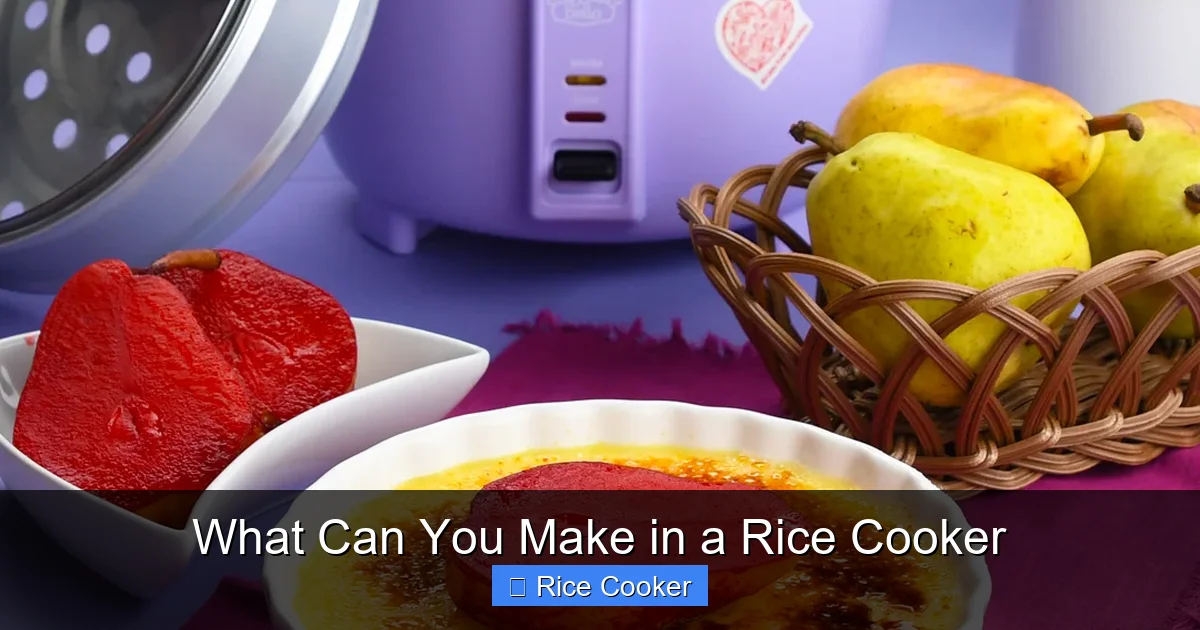
Cooking fruit in your rice cooker creates naturally sweet desserts. Try simmering apples with cinnamon sticks, cloves, and a bit of honey until soft and fragrant. Or cook pears with star anise and orange zest for an elegant dessert.
Add a scoop of vanilla ice cream to warm cooked fruit for an instant dessert that feels indulgent but is surprisingly simple to make.
Breakfast Ideas Beyond Porridge
Your rice cooker can revolutionize your morning routine with easy, healthy breakfasts that cook while you sleep.
Overnight Oats Revolution
Skip the jar of store-bought overnight oats and make yours fresh in the rice cooker. Combine oats, milk (or plant-based alternative), chia seeds, honey, and your favorite spices. Cook on the “warm” setting overnight, and wake up to perfectly textured oats.
Top with fresh berries, nuts, or a drizzle of maple syrup for a restaurant-quality breakfast at home.
Quiche-Like Egg Dishes
Create savory egg dishes similar to quiche but with less fuss. Whisk eggs with milk, cheese, and your favorite vegetables, pour into a greased dish, and cook in the rice cooker. The gentle heat creates a custardy texture without the risk of curdling.
Try combinations like spinach and feta, mushroom and onion, or ham and cheese for variety throughout the week.
Sweet Breakfast Bakes
Make banana bread, muffins, or even pancake batter in your rice cooker. The non-stick surface means no greasing required, and the consistent heat ensures even baking. Banana bread takes about 60 minutes on the “porcelain” setting and comes out moist and golden.
For pancakes, mix your batter in the rice cooker, then transfer to a greased skillet and cook like regular pancakes. The rice cooker handles the messy mixing part!
Tips for Getting the Most Out of Your Rice Cooker
To maximize your rice cooker’s potential and ensure consistent results, keep these tips in mind:
- Read Your Manual: Different models have unique features and settings. Understanding your specific rice cooker will help you use it effectively.
- Invest in Quality Accessories: A good steamer basket, measuring cups, and spatula designed for rice cookers can make a big difference.
- Clean Regularly: Clean the inner pot after each use to prevent buildup and maintain performance. Most parts are dishwasher safe.
- Don’t Overfill: Follow the maximum fill line for best results. Overfilling can lead to uneven cooking and overflow.
- Let It Rest: After cooking, let your rice cooker sit for 5-10 minutes with the lid closed. This allows steam to redistribute and results in better texture.
- Experiment Gradually: Start with simple recipes and gradually move to more complex dishes as you become comfortable with your appliance.
Remember, practice makes perfect. Don’t be discouraged if your first attempts aren’t exactly what you expected. Each cooking session with your rice cooker teaches you something new about how it handles different ingredients and temperatures.
Conclusion: Unlock the Full Potential of Your Kitchen Appliance
Your rice cooker is so much more than a device for cooking plain white rice. It’s a versatile, time-saving kitchen companion that can handle everything from breakfast to dessert with ease. By expanding your culinary horizons beyond basic rice cooking, you’ll discover a world of flavor possibilities while saving time and reducing cleanup.
The beauty of using your rice cooker for diverse dishes lies in its consistency and simplicity. Once you understand the basic principles of cooking times, liquid ratios, and ingredient combinations, you’ll find yourself reaching for this appliance more often. Whether you’re meal prepping for the week, cooking for picky eaters, or simply looking for convenient ways to incorporate more nutrition into your diet, your rice cooker has the answer.
So next time you’re planning dinner, don’t automatically reach for the stove or oven. Consider what your rice cooker can do instead. You might be surprised at the delicious, nutritious, and satisfying meals you can create with this humble kitchen appliance. Happy cooking!
Frequently Asked Questions
Can you make soup in a rice cooker?
Yes, you can make hearty soups in a rice cooker. Add ingredients like vegetables, broth, and proteins, then cook on the appropriate setting. The rice cooker will maintain a consistent simmer that helps develop flavors as ingredients cook together.
What’s the best way to cook quinoa in a rice cooker?
Use a 2:1 ratio of water to quinoa. Rinse the quinoa first to remove bitterness, then add it to the inner pot with water and a pinch of salt. Cook for about 15 minutes, then let it sit for 5 minutes before fluffing with a fork.
Can I use my rice cooker to proof bread dough?
Yes, the consistent warmth of your rice cooker works great for proofing dough. Set it to “warm” mode and place your dough inside with a bowl of water to maintain humidity. This creates ideal conditions for yeast activity.
How do I make fluffy oatmeal in a rice cooker?
Combine oats, milk, water, and salt in the inner pot using a 1:2 ratio of oats to liquid. Cook for 15-20 minutes, then let it sit for 5 minutes to thicken. Stir and serve with your favorite toppings like fruits, nuts, or honey.
Can I cook meatballs in a rice cooker?
Yes, meatballs cook beautifully in a rice cooker. Brown them first if desired, then place them in the pot with sauce or broth. Cook for 20-30 minutes depending on size, until the internal temperature reaches 165°F (74°C).
Is it possible to make popcorn in a rice cooker?
Yes, but it requires special care. Use high-quality popping corn and heat oil in the inner pot first. Cover and shake occasionally, watching carefully as the popping slows down to avoid burning. Don’t leave unattended.