Choosing between an electric kettle and a stove kettle depends on your lifestyle, kitchen setup, and priorities. Electric kettles heat water faster and use less energy, while stove kettles offer versatility and don’t require electricity. This guide breaks down the pros, cons, and best uses for each to help you decide.
Key Takeaways
- Speed: Electric kettles boil water significantly faster than stove kettles, often in under 5 minutes.
- Energy Efficiency: Electric kettles use less energy per boil, making them more eco-friendly and cost-effective over time.
- Convenience: Electric kettles offer automatic shut-off, temperature control, and cordless designs for easy pouring.
- Versatility: Stove kettles work on any heat source (gas, electric, induction) and can be used for cooking or heating other liquids.
- Durability: Stove kettles, especially stainless steel models, are often more durable and long-lasting with proper care.
- Power Dependency: Electric kettles require electricity, so they’re useless during power outages—stove kettles aren’t.
- Cost: Basic stove kettles are cheaper upfront, but electric kittles offer long-term savings on energy bills.
📑 Table of Contents
Introduction: The Great Kettle Debate
You’re standing in your kitchen, craving a hot cup of tea or a quick bowl of oatmeal. You reach for your kettle—but which one? Do you plug in your sleek electric kettle or place your trusty stovetop model on the burner? It’s a simple question with a surprisingly complex answer. The choice between an electric kettle and a stove kettle isn’t just about preference—it’s about efficiency, lifestyle, and how you use your kitchen.
Both types of kettles serve the same basic purpose: heating water. But they do it in very different ways, with distinct advantages and drawbacks. Electric kettles are modern, fast, and packed with features. Stove kettles are classic, reliable, and work without electricity. Whether you’re a busy professional, a tea enthusiast, or someone who values simplicity, understanding the differences can help you make the best choice for your home.
How Electric Kettles Work
Electric kettles are countertop appliances that use an internal heating element to boil water. When you fill the kettle and press the “on” button, electricity flows through the heating coil, rapidly warming the water. Most models are cordless, with a detachable base that connects to a power outlet. Once the water reaches boiling point, the kettle automatically shuts off—no need to stand over it or worry about it boiling dry.
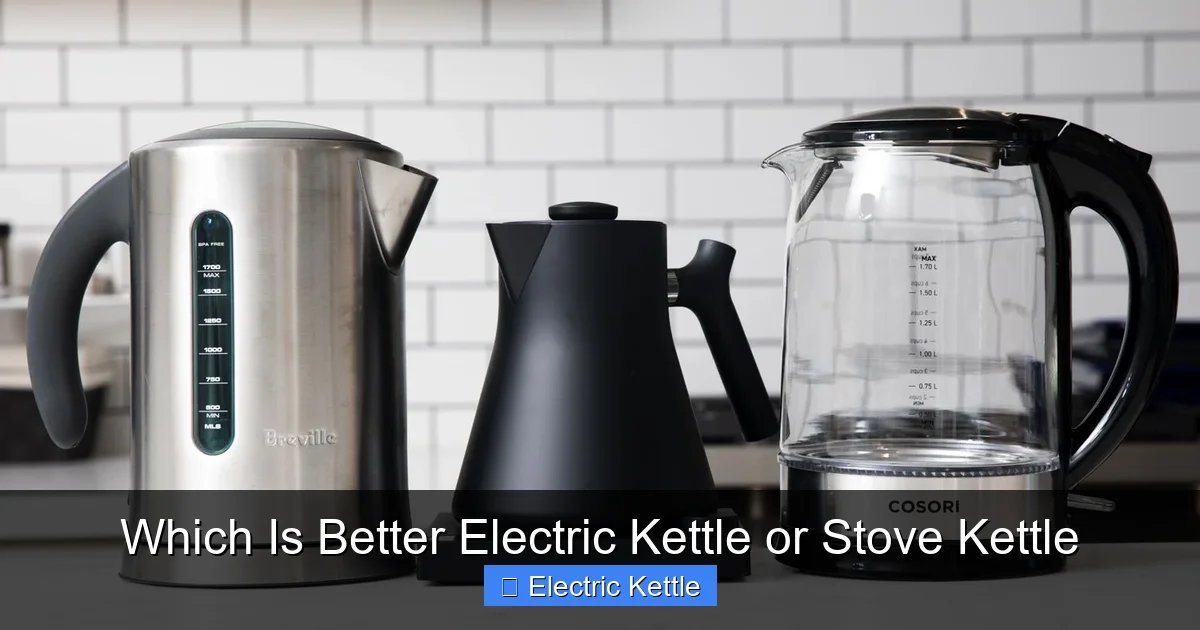
Visual guide about Which Is Better Electric Kettle or Stove Kettle
Image source: longroadhomeproject.com
Key Features of Electric Kettles
Modern electric kettles come with a range of features designed to make your life easier. Many have variable temperature settings, allowing you to choose the perfect heat for green tea, French press coffee, or baby formula. Some even have keep-warm functions that maintain the water temperature for up to an hour. LED indicators, water level markers, and ergonomic handles add to the convenience.
For example, the Breville BKE820XL IQ Electric Kettle offers six preset temperature options and a 20-minute keep-warm feature. Meanwhile, budget-friendly models like the Hamilton Beach 40880 still deliver fast boiling and auto shut-off without the frills. Whether you’re splurging or saving, there’s an electric kettle for every need.
Energy Source and Setup
Electric kettles require a nearby power outlet and a stable electrical supply. This makes them ideal for modern kitchens with ample counter space and outlets. However, they’re not practical during power outages or in off-grid settings. Setup is simple: plug in the base, fill the kettle, and press start. No flames, no waiting for the stove to heat up—just instant boiling power.
How Stove Kettles Work
Stove kettles, also known as stovetop kettles, are traditional vessels that sit directly on a gas, electric, or induction burner. They’re typically made of stainless steel, aluminum, or enamel-coated metal. When heat is applied, the water inside gradually warms until it reaches a rolling boil. Some models have a whistle that sounds when the water is ready, alerting you to turn off the heat.
Design and Materials
Stove kettles come in a variety of styles, from classic whistling kettles to modern minimalist designs. Stainless steel is the most popular material because it’s durable, rust-resistant, and conducts heat well. Enamel-coated kettles offer a pop of color and are easy to clean, but they can chip over time. Aluminum kettles are lightweight and heat quickly, but they may react with acidic liquids.
For instance, the OXO Brew Classic Tea Kettle features a loud whistle, a comfortable grip, and a wide base for even heating. The Le Creuset Enamel on Steel Kettle combines style and function with a vibrant exterior and excellent heat distribution. These kettles aren’t just tools—they’re kitchen staples that can last decades with proper care.
Heat Sources and Flexibility
One of the biggest advantages of stove kettles is their versatility. They work on any heat source: gas stoves, electric coils, induction cooktops, and even campfires. This makes them ideal for travelers, campers, or anyone who wants a backup option during power outages. You can also use a stove kettle to heat soup, sterilize baby bottles, or make instant noodles—something most electric kettles can’t do.
Speed and Efficiency Comparison
When it comes to speed, electric kettles have a clear advantage. On average, an electric kettle can boil 1 liter of water in 3 to 5 minutes, depending on the model and starting temperature. Stove kettles, by contrast, take 5 to 10 minutes or more, especially on lower heat settings or with larger volumes.
Why Electric Kettles Are Faster
Electric kettles are designed for efficiency. The heating element is submerged directly in the water, transferring heat more effectively than a flame or electric coil heating the bottom of a pot. This direct contact minimizes heat loss and maximizes energy transfer. Additionally, electric kettles often have higher wattage—typically 1500 to 3000 watts—compared to the lower output of most stovetops.
For example, if you’re making morning coffee and need hot water fast, an electric kettle can save you precious minutes. That might not seem like much, but over time, those saved minutes add up—especially if you boil water multiple times a day.
Energy Consumption: Which Is Greener?
Electric kettles are also more energy-efficient. Studies show that electric kettles use about 20–30% less energy per boil than stove kettles. This is because they heat water more directly and don’t lose as much heat to the surrounding air. Over a year, this efficiency can translate into noticeable savings on your electricity bill and a smaller carbon footprint.
However, the environmental impact also depends on your local energy grid. If your electricity comes from coal or other fossil fuels, the benefit may be reduced. But in areas with renewable energy sources like wind or solar, electric kettles are the greener choice.
Safety and Convenience
Safety is a major factor when choosing between kettle types. Electric kettles come with built-in safety features that make them hard to beat. Most have automatic shut-off when the water boils, preventing overheating or damage. Many also include boil-dry protection, which turns off the kettle if there’s no water inside. Some models even have child locks or cool-touch exteriors to prevent burns.
Stove Kettle Safety Considerations
Stove kettles require more attention. Since they don’t shut off automatically, you need to monitor them to avoid boiling dry or overheating. This can be risky if you get distracted—leaving a stove kettle unattended is a fire hazard. However, many modern stove kettles include whistles or visual indicators to alert you when the water is ready.
For families with young children, electric kettles with cool-touch handles and enclosed heating elements are generally safer. But if you’re careful and attentive, a stove kettle can be just as safe—especially if you use a timer or stay nearby while it heats.
Ease of Use and Maintenance
Electric kettles are incredibly user-friendly. Fill, press a button, and walk away. Cordless designs make pouring easy, and many models have wide openings for simple cleaning. However, mineral buildup from hard water can affect performance over time, so regular descaling is necessary.
Stove kettles are also easy to use but require more hands-on effort. You need to monitor the heat, listen for the whistle, and turn off the stove manually. Cleaning is straightforward—just wash with soap and water—but you’ll need to descale them too if you live in a hard water area.
Durability and Longevity
When it comes to durability, stove kettles often have the edge. High-quality stainless steel models can last 10 to 20 years or more with proper care. They’re less prone to electronic failure and don’t rely on complex internal components. Even if the whistle breaks, the kettle itself can still function.
Electric Kettle Lifespan
Electric kettles typically last 3 to 5 years, though some premium models can go longer. The heating element and electronic controls are the most common points of failure. Over time, mineral deposits can reduce efficiency, and seals may wear out, leading to leaks. However, many brands offer warranties and replacement parts, extending the life of your appliance.
For example, the Cuisinart CPK-17 PerfecTemp comes with a 3-year warranty and is known for its reliable performance. On the other hand, cheaper electric kettles may fail sooner due to lower-quality materials.
Maintenance Tips for Both Types
To maximize lifespan, clean your kettle regularly. Use a mixture of vinegar and water to remove limescale—fill the kettle, boil, let it sit for 30 minutes, then rinse thoroughly. For electric kettles, avoid submerging the base in water. For stove kettles, check the whistle mechanism and ensure the spout is clear of debris.
Cost and Value Over Time
Upfront cost is another important consideration. Basic stove kettles start as low as $15–$25, making them an affordable option. Electric kettles range from $30 for budget models to $100+ for high-end versions with advanced features. So, if you’re on a tight budget, a stove kettle might seem like the obvious choice.
Long-Term Savings
However, electric kettles can save you money over time. Their energy efficiency means lower electricity bills, and their speed reduces overall usage. If you boil water multiple times a day, those savings add up. Additionally, many electric kettles are built to last, offering good value for the price.
Consider this: if an electric kettle saves you 2 minutes per boil and you use it 3 times a day, that’s 6 minutes saved daily—over 37 hours a year. While that doesn’t directly save money, it does save time and energy. Plus, the convenience of automatic shut-off and temperature control can enhance your daily routine.
When to Choose Each Option
If you value speed, convenience, and energy efficiency, go for an electric kettle. It’s perfect for busy households, offices, or anyone who drinks a lot of tea or coffee. If you prefer simplicity, durability, and versatility—or live in an area with frequent power outages—a stove kettle is the better choice.
Conclusion: Which Is Better for You?
So, which is better: electric kettle or stove kettle? The answer depends on your needs. Electric kettles win in speed, efficiency, and convenience. They’re ideal for modern lifestyles where every minute counts. Stove kettles, on the other hand, offer reliability, versatility, and independence from electricity. They’re great for traditionalists, travelers, or anyone who wants a backup option.
Ultimately, the best kettle is the one that fits your kitchen, your routine, and your values. You might even find that having both makes sense—use the electric kettle for daily use and the stove kettle for camping or power outages. Whichever you choose, you’ll be one step closer to that perfect cup of tea.
Frequently Asked Questions
Which boils water faster: electric or stove kettle?
Electric kettles boil water significantly faster, typically in 3 to 5 minutes, while stove kettles take 5 to 10 minutes or more. This is due to the direct heating element and higher wattage in electric models.
Are electric kettles more energy-efficient?
Yes, electric kettles use about 20–30% less energy per boil than stove kettles because they heat water more directly and lose less heat to the environment.
Can I use a stove kettle on an induction cooktop?
Yes, as long as the stove kettle has a magnetic base (usually stainless steel), it will work on induction cooktops. Check the manufacturer’s specifications to be sure.
Do electric kettles need special maintenance?
Electric kettles require regular descaling to remove mineral buildup, especially in hard water areas. Use a vinegar-water solution monthly to keep them running efficiently.
Are stove kettles safe to leave unattended?
No, stove kettles should never be left unattended because they don’t have automatic shut-off. Always monitor them to prevent boiling dry or fire hazards.
Can I heat liquids other than water in a kettle?
Stove kettles can be used to heat soups, broths, or baby formula, but electric kettles are designed only for water. Using other liquids in an electric kettle can damage the heating element.