
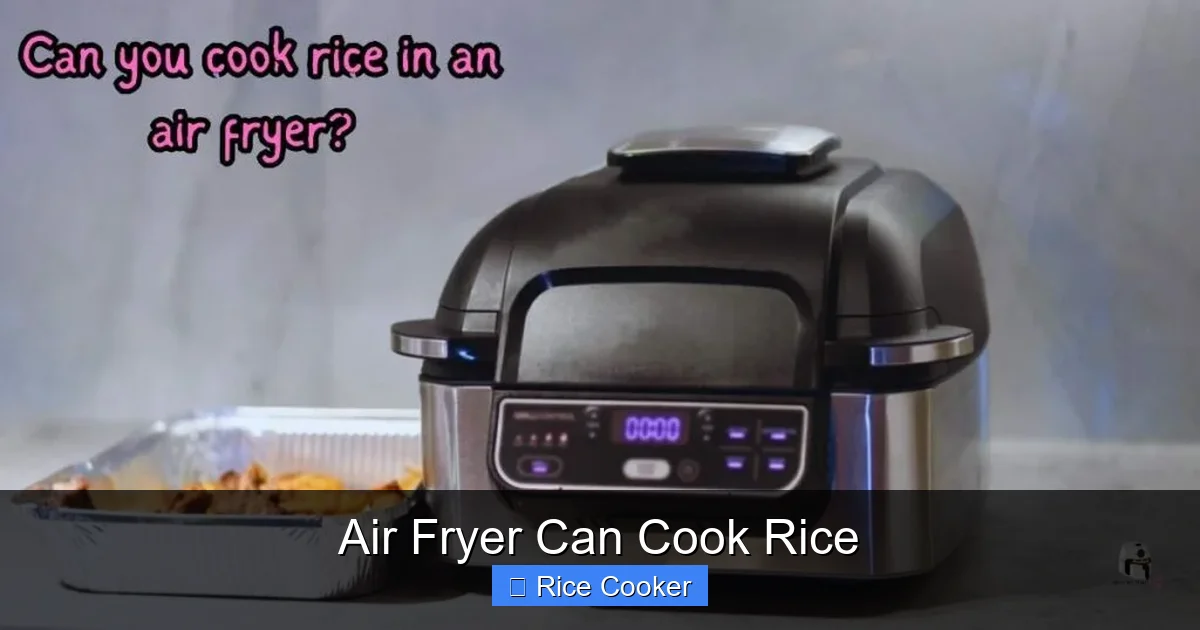
Yes, your air fryer can cook rice, and it might just become your new favorite kitchen tool. With the right technique, you can achieve fluffy, evenly cooked grains in a fraction of the time. This guide walks you through everything from water ratios to flavor boosts—so you’ll never reach for the stove again.
Have you ever wondered if your air fryer can do more than just crisp chicken wings and golden fries? Believe it or not, your air fryer can cook rice—and not just any rice, but fluffy, tender, and evenly cooked grains that rival traditional stovetop or electric rice cooker results. In fact, many home chefs are now turning to their air fryers for quick weekday dinners, side dishes, or even breakfast bowls. With the right technique, you can prepare everything from plain white rice to fragrant jasmine or even savory brown rice in minutes.
The idea might seem surprising at first—after all, air fryers are known for circulating hot air to create crispy textures, not steaming moist foods. But with a little know-how, you can harness the air fryer’s power to cook rice perfectly. Whether you’re short on time, trying to cut down on kitchen cleanup, or simply love experimenting with kitchen gadgets, learning how to cook rice in an air fryer is a game-changer. This comprehensive guide will walk you through everything you need to know—from choosing the right type of rice to mastering the perfect water-to-rice ratio and ensuring your grains come out light and separate every time.
Key Takeaways
- Air fryers can cook rice effectively when using the right amount of water and cooking method.
- Short-grain rice works best for air frying due to its starch content and ability to absorb moisture evenly.
- Pre-soaking rice improves texture and reduces cooking time in your air fryer.
- Use a heat-resistant container or silicone liner to prevent sticking and make cleanup easy.
- Don’t overfill the basket—leave space for steam to circulate for even cooking.
- Add seasonings or broth for flavor without compromising the rice’s structure.
- Experiment with different grains like quinoa or wild rice for variety.
📑 Table of Contents
- Can You Really Cook Rice in an Air Fryer?
- Choosing the Right Type of Rice for Air Frying
- How to Cook Rice in an Air Fryer: Step-by-Step Guide
- Tips for Perfect Air-Fried Rice Every Time
- Beyond Basic White Rice: Creative Air-Fryer Rice Recipes
- Common Mistakes to Avoid When Cooking Rice in an Air Fryer
- Is Cooking Rice in an Air Fryer Worth It?
- Final Thoughts: Embrace the Versatility of Your Air Fryer
Can You Really Cook Rice in an Air Fryer?
At first glance, cooking rice in an air fryer seems like a contradiction. After all, rice needs moisture and gentle, consistent heat to cook through, while air fryers are designed to dry out and crisp up food. So how does it work?
The secret lies in how air fryers generate heat and circulate air. While they don’t produce steam like a rice cooker or pot, they can still cook rice effectively by creating a microclimate of moisture inside the cooking chamber. When you add the right amount of water and cover the rice during cooking, the trapped steam helps soften the grains. The circulating hot air then evaporates excess moisture, leaving behind fluffy, non-sticky rice.
Many modern air fryers come with a “steam” or “bake” function, but even standard models can handle rice with a simple lid or aluminum foil cover. The key is controlling the temperature (usually between 320°F and 350°F) and monitoring the cooking time closely. Unlike boiling rice on the stove, where you risk overcooking or burning, the air fryer’s controlled environment allows for more precise results—especially when you follow the guidelines below.
Choosing the Right Type of Rice for Air Frying
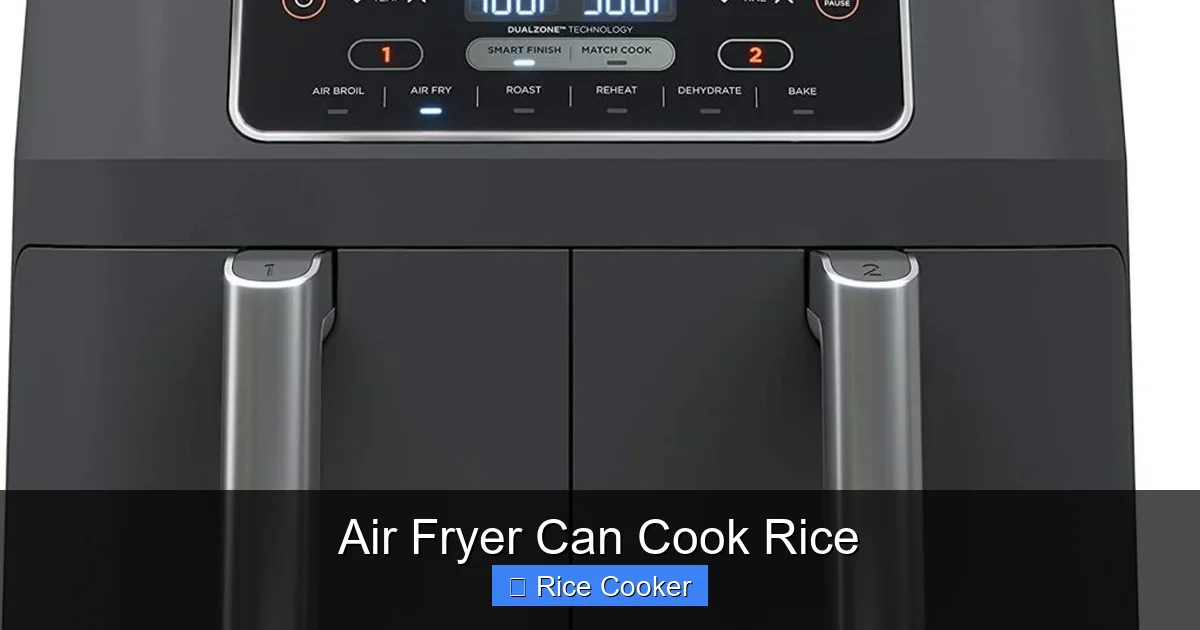
Visual guide about Air Fryer Can Cook Rice
Image source: airfryeryummyrecipes.com
Not all rice is created equal when it comes to air frying. The grain’s texture, starch content, and moisture absorption rate play a big role in how well it cooks. Here’s what to look for:
Short-Grain Rice: The Best Bet
Short-grain rice—like sushi rice or Arborio—is ideal for air frying. Its high starch content helps bind the grains together slightly during cooking, resulting in a creamy, tender texture. It also absorbs moisture evenly, which is essential in an air fryer where evaporation happens quickly. Plus, short-grain rice holds up well under the dry heat, preventing it from drying out or becoming mushy.
Medium-Grain Rice: A Solid Alternative
Medium-grain rice (such as Calrose or Texmati) is another great option. It’s slightly less sticky than short-grain but still produces satisfying results when cooked properly. It’s widely available and works well for everyday meals.
Avoid Long-Grain Rice for Now
Long-grain rice (like basmati or jasmine) can be tricky in an air fryer. Because it has lower starch content, it tends to dry out faster and may not cook evenly. However, with careful attention to water ratios and timing, some people have had success. Just be prepared for a longer trial-and-error process.
For beginners, we recommend starting with short- or medium-grain rice. Once you’re comfortable with the basics, you can experiment with other varieties.
How to Cook Rice in an Air Fryer: Step-by-Step Guide
Ready to try it yourself? Follow these simple steps for perfectly cooked rice every time:
Gather Your Supplies
You’ll need:
– A heat-resistant container or silicone baking dish that fits inside your air fryer basket (avoid metal containers unless they’re oven-safe and non-reactive)
– Measuring cups and spoons
– A knife and cutting board (for any added ingredients)
– Aluminum foil or a tight-fitting lid (if your container doesn’t seal well)
Measure the Rice and Water
Use a 1:1.25 to 1:1.5 ratio of rice to water. For example, if you’re using 1 cup of rice, use 1 to 1.25 cups of water. Adjust slightly based on your preferred texture—more water yields softer rice, less makes it firmer.
Wash and Soak (Optional but Recommended)
Rinse the rice under cold water until the water runs clear to remove excess starch. Then soak it for 20–30 minutes. Soaking softens the grains and helps them cook more evenly. After soaking, drain any excess water before adding fresh water for cooking.
Combine Ingredients
Place the rinsed (or soaked) rice in your container. Add water and any optional seasonings—like salt, a splash of soy sauce, or a bay leaf for flavor. Stir gently to combine.
Cover and Preheat
Securely cover the container with aluminum foil or a lid. If using foil, make sure it’s tightly sealed around the edges to trap steam. Preheat your air fryer to 340°F (170°C) for 5 minutes if possible—this ensures even cooking from the start.
Cook the Rice
Place the container in the air fryer basket. Cook for 20–25 minutes, checking halfway through. If the rice looks dry or the top starts browning too much, spray the surface lightly with water or add a tablespoon of additional liquid.
Let It Rest
Once done, turn off the air fryer and let the rice sit for 5–10 minutes with the lid on. This allows residual steam to finish cooking the rice and improves texture.
Fluff and Serve
Remove the container carefully (it will be hot!), fluff the rice with a fork, and serve immediately.
Tips for Perfect Air-Fried Rice Every Time
Even with the right recipe, small adjustments can make a big difference. Here are expert tips to help you nail it:
Use the Right Container
Choose a container that fits snugly in your air fryer without blocking airflow. Glass or ceramic dishes work well, but avoid plastic unless labeled oven-safe. Silicone baking molds are also excellent—they’re flexible, easy to clean, and won’t scratch the basket.
Don’t Overcrowd the Basket
Leave at least 1–2 inches of space around the container so hot air can circulate. Overcrowding leads to uneven cooking and soggy spots.
Monitor Closely After 15 Minutes
Unlike stovetop rice, air-fried rice can go from undercooked to overcooked quickly. Check after 15 minutes and continue cooking in 2-minute increments until done.
Add Flavor Without Compromising Texture
Instead of adding oil (which can make rice greasy), try infusing water with herbs, garlic slices, or a splash of broth. Remove solids before serving.
Experiment with Cooking Times
Different air fryer models vary in wattage and heating efficiency. Keep a log of your settings so you can adjust future batches.
Clean Up Is Easy
Most rice residue comes off with warm, soapy water. For stubborn bits, soak the container briefly before scrubbing.
Beyond Basic White Rice: Creative Air-Fryer Rice Recipes
Once you’ve mastered plain rice, why not get creative? Your air fryer opens up a world of possibilities:
Garlic Herb Rice
Add 2–3 minced garlic cloves and a sprig of thyme or rosemary to the water before cooking. Remove the herb sprig before serving.
Savory Brown Rice
Use brown rice with a 1:2 water ratio (1 cup rice, 2 cups water). Cook for 25–30 minutes. Brown rice takes longer due to its tougher outer bran layer.
Fragrant Jasmine Rice with Coconut Milk
Replace half the water with coconut milk and add a pinch of turmeric for color. Cook as usual—result: creamy, aromatic rice perfect for Thai or Indian dishes.
Stuffed Peppers with Rice
Cook rice first, then mix in diced vegetables and cooked sausage. Spoon into halved bell peppers, drizzle with olive oil, and air fry at 360°F for 15 minutes. A complete meal in one pan!
Rice Porridge (Congee)
Use a 1:6 ratio of rice to water. Cook slowly for 40–50 minutes until it reaches a porridge-like consistency. Great for breakfast or sick days.
These recipes prove that air frying isn’t just for crispy snacks—it’s a versatile tool for whole meals.
Common Mistakes to Avoid When Cooking Rice in an Air Fryer
Even experienced cooks slip up sometimes. Watch out for these pitfalls:
Using Too Little Water
This is the #1 cause of dry, hard rice. Stick to the recommended ratios and err on the side of slightly more water if unsure.
Not Covering the Rice
Without a lid or foil, the rice will lose moisture rapidly and cook unevenly. Always cover your container.
Skipping the Soak
While optional, soaking helps reduce cooking time and improves texture. Don’t skip it for brown or wild rice.
Opening the Fryer Too Often
Each time you open the door, heat escapes. Limit checks to once every 5 minutes after the initial cooking time.
Using Metal Containers That React with Acidic Ingredients
Avoid aluminum with tomato-based sauces or citrus-infused water—it can cause discoloration or off-flavors.
By avoiding these mistakes, you’ll save time, prevent frustration, and enjoy consistently great results.
Is Cooking Rice in an Air Fryer Worth It?
So, should you ditch the rice cooker and rely solely on your air fryer? Not necessarily—but it’s definitely worth having both tools in your arsenal. An air fryer offers speed, convenience, and versatility, especially when you’re cooking for one or two people. It’s also fantastic for making rice as part of a larger meal, like fried rice, stuffed vegetables, or grain bowls.
However, traditional rice cookers excel at making large batches of perfectly fluffy rice with minimal supervision. They’re also better for very long-grain varieties or delicate preparations like risotto.
That said, if you already own an air fryer and want to expand its use, learning to cook rice is a smart move. It adds another dimension to your cooking repertoire and reduces reliance on multiple appliances.
Plus, air-fried rice uses less energy than boiling on the stove and requires no constant stirring—just set it and forget it (mostly).
Final Thoughts: Embrace the Versatility of Your Air Fryer
In conclusion, your air fryer can cook rice—and doing so opens up a world of culinary possibilities. With the right techniques, ingredients, and a bit of patience, you can enjoy restaurant-quality rice right at home. Whether you’re preparing a simple side dish or building a gourmet bowl, the air fryer proves itself to be more than just a crispy-food machine.
So go ahead—grab your measuring cup, rinse that rice, and fire up your air fryer. Your taste buds (and your schedule) will thank you. And who knows? You might just discover that your air fryer is the unsung hero of your kitchen.
Frequently Asked Questions
Can I cook any type of rice in an air fryer?
While short- and medium-grain rice work best due to their starch content and moisture retention, some long-grain varieties can be made with careful attention to water ratios and cooking time. Experiment cautiously!
Do I need to soak the rice before air frying?
Soaking is optional but highly recommended, especially for brown or wild rice. It helps grains cook evenly and reduces total cooking time by softening the outer layers.
What’s the best container to use for cooking rice in an air fryer?
Glass, ceramic, or silicone containers are ideal. Avoid reactive metals like aluminum with acidic ingredients, and always ensure the container fits comfortably in your air fryer basket.
How do I prevent my rice from turning out dry?
Use the correct water-to-rice ratio (1:1.25 to 1:1.5), cover the container tightly, and monitor closely after 15 minutes. Add a splash of water if needed during cooking.
Can I add flavorings directly to the rice while cooking?
Absolutely! Try adding garlic slices, herb sprigs, a bay leaf, or a splash of broth or soy sauce. Remove solid flavorings before serving for best results.
How long does it take to cook rice in an air fryer?
Typically 20–25 minutes at 340°F (170°C) for white rice. Brown rice may take 25–30 minutes. Always check near the end of the estimated time and adjust as needed.