
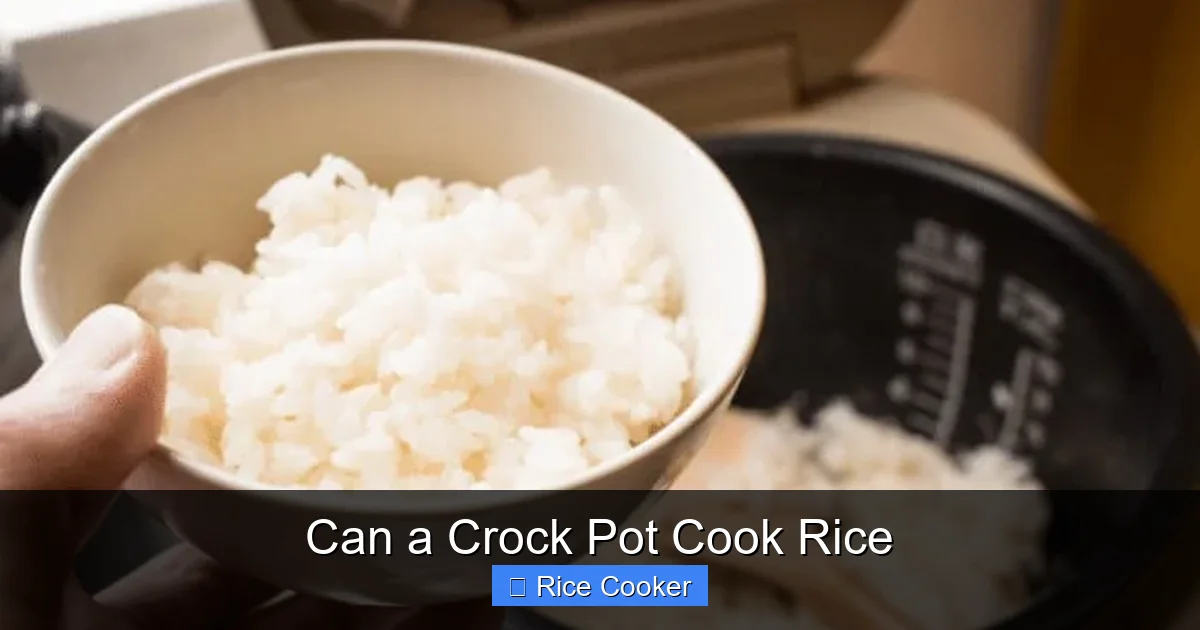
Can a Crock Pot cook rice? Absolutely! While not as common as using a dedicated rice cooker, your slow cooker is a surprisingly effective tool for cooking rice. With the right technique—using a 1:1 ratio of water to rice and setting it on low heat—you’ll get tender, flavorful results without babysitting the pot.
Key Takeaways
- Yes, a Crock Pot can cook rice: With proper ratios and timing, your slow cooker delivers consistently cooked grains.
- Use the right rice type: Long-grain white rice works best; avoid sticky or quick-cooking varieties.
- Follow the water-to-rice ratio: Stick to 1 cup water per 1 cup rice for ideal texture.
- Cook on LOW for 2–3 hours: High heat can overcook rice; low and slow ensures even absorption.
- Rest before serving: Let the rice sit covered for 5–10 minutes after cooking to finish steaming.
- Clean-up is easy: Most Crock Pots have removable stoneware that goes in the dishwasher.
- Great for meal prep: Cook large batches for bowls, salads, or takeout-style meals.
📑 Table of Contents
- Can a Crock Pot Cook Rice? The Simple Answer Is Yes!
- The Science Behind Slow-Cooked Rice
- Step-by-Step Guide: How to Cook Rice in a Crock Pot
- Tips for Perfect Crock Pot Rice Every Time
- Common Mistakes and How to Fix Them
- Beyond White Rice: Cooking Other Grains in Your Crock Pot
- Meal Prep Made Easy with Crock Pot Rice
- Comparing Crock Pot vs. Dedicated Rice Cooker
- Final Thoughts: Yes, You Should Try It!
Can a Crock Pot Cook Rice? The Simple Answer Is Yes!
You might be surprised to learn that your trusty Crock Pot isn’t just for stews, soups, and pulled pork. That humble countertop appliance tucked away in your cabinet? It’s fully capable of turning plain rice into something deliciously fluffy. Whether you’re prepping a weeknight dinner or making enough for leftovers, using a slow cooker to cook rice is not only possible—it’s actually quite reliable when done right.
Unlike traditional stovetop methods that require constant attention and risk burning the bottom, the Crock Pot’s gentle, consistent heat makes it ideal for absorbing liquids evenly. Think of it like a cozy, hands-off oven for your grains. No more watching the clock or stirring every few minutes. Just add rice, water, seasoning (if desired), and let the magic happen. And yes—this applies to both white and brown rice, though each needs slightly different attention.
In fact, many home cooks swear by their Crock Pot for rice because it frees up the stovetop during busy evenings. Plus, once the rice is done, you’ve got a hot plate ready to go with no scrubbing required—just lift out the stoneware insert and serve.
The Science Behind Slow-Cooked Rice
Visual guide about Can a Crock Pot Cook Rice
Image source: cookingtipsblog.com
Rice cooking boils down to one thing: controlled hydration. When you cook rice, starch granules in the grain absorb water and swell, eventually breaking down into a soft, edible texture. On the stove, this process happens quickly under direct flame, often requiring stirring to prevent sticking or uneven cooking.
But in a Crock Pot, the heat is indirect and steady. Water evaporates slowly, allowing the rice to absorb moisture gradually. This low-and-slow method reduces the chance of scorching and ensures every grain gets equal treatment. Because there’s no open flame, there’s also less risk of overcooking or creating a gummy mess—something that’s especially helpful if you’re new to rice cooking.
That said, not all rice is created equal. Short-grain or sushi rice tends to get mushy in a slow cooker due to its high amylopectin content (the sticky starch). But long-grain varieties like jasmine or basmati—or even standard American long-grain white rice—hold their shape beautifully when treated gently.
Why Choose a Crock Pot Over Other Methods?
Many people assume you need a special appliance just for rice. But here’s why the Crock Pot stands out:
- Hands-off convenience: Set it and forget it—perfect for multitasking.
- Consistent results: No more guessing whether your rice is underdone or burnt at the bottom.
- Energy efficient: Uses less electricity than keeping a pot on the stove all day.
- Multi-use versatility: Once rice is cooked, use the same pot for chili, curry, or casseroles.
- Easy cleanup: Stoneware inserts are typically dishwasher-safe.
Of course, dedicated rice cookers exist for a reason—they automate timing, temperature, and even keep the rice warm automatically. But for those who already own a Crock Pot (and who doesn’t?), repurposing it saves money and reduces clutter.
Step-by-Step Guide: How to Cook Rice in a Crock Pot
Ready to try it yourself? Follow these simple steps for foolproof results every time.
Gather Your Ingredients & Tools
You don’t need much:
- 1 cup uncooked long-grain white rice (rinsed)
- 1 cup water (plus extra if needed)
- Optional: pinch of salt, butter, or oil
- Crock Pot with stoneware insert
- Fine-mesh strainer (for rinsing)
Start by rinsing the rice under cold water until the water runs clear. This removes excess starch and prevents clumping.
Combine Rice and Water
Pour rinsed rice into the stoneware insert. Add water and optional seasonings. Stir gently to combine.
Set Cooking Time and Temperature
For most long-grain white rice:
- LOW setting: Cook for 2–3 hours
- HIGH setting: Not recommended—too fast, may result in uneven cooking
Avoid opening the lid frequently during cooking—this releases steam and extends cooking time unnecessarily.
Check Doneness After 2 Hours
After about 2 hours, check the rice. It should be tender with no hard kernels, and the liquid should be fully absorbed. If it’s still crunchy, cover and cook for another 15–30 minutes.
Let It Rest
Once done, turn off the Crock Pot and let the rice sit covered for 5–10 minutes. This final steaming phase helps fluff the grains and ensures even texture.
Fluff and Serve
Use a fork to gently fluff the rice before serving. Now enjoy it plain, with butter, herbs, or as part of a larger dish!
Tips for Perfect Crock Pot Rice Every Time
Even experienced cooks make mistakes—here’s how to avoid them.
Don’t Skip Rinsing
Rinsing removes surface starch that causes stickiness. Always rinse long-grain rice until water is clear.
Watch the Water Ratio Closely
Too little water = dry, chalky rice. Too much = mushy. Stick to 1:1 initially, then adjust next time based on results.
Avoid Lifting the Lid
Every time you open the lid, you lose 10–15 minutes of cooking time. Be patient!
Add Flavor Wisely
Instead of boiling water, try simmering it with garlic, bay leaves, or a splash of broth for extra depth.
Brown Rice Needs More Time
If using brown rice, increase water to 1¼ cups and cook on LOW for 3–4 hours. Brown rice takes longer to soften due to its bran layer.
Store Leftovers Properly
Cool completely, then store in an airtight container in the fridge for up to 5 days. Reheat with a splash of water to restore moisture.
Common Mistakes and How to Fix Them
Even seasoned kitchen warriors stumble. Here’s what usually goes wrong—and how to fix it.
Mushy or Sticky Rice
This often happens when too much water is used or the rice isn’t rinsed. Next time, measure carefully and rinse thoroughly.
Undercooked or Gritty Rice
Usually due to insufficient cooking time or old rice. Make sure your Crock Pot heats properly and consider replacing older rice stocks.
Rice Sticking to the Bottom
Some models have non-stick inserts, but even then, adding a teaspoon of oil or butter helps prevent adhesion.
Lid Leaks Steam
Ensure the lid fits snugly. Cracks or worn seals can cause inconsistent temperatures.
Rice Burns or Smells Burnt
This rarely happens with modern Crock Pots due to their ceramic construction, but if it does, double-check that you’re not using HIGH heat.
Beyond White Rice: Cooking Other Grains in Your Crock Pot
Once you master white rice, expand your repertoire!
Brown Rice
As mentioned earlier, brown rice needs more water and time. Try 1¼ cups water per 1 cup brown rice, cooked on LOW for 3–4 hours.
Couscous
Surprisingly, couscous can be made in a Crock Pot! Use 1 cup couscous with 1¼ cups water and 1 tsp butter. Cook on LOW for 15–20 minutes—no stirring needed.
Quinoa
Cook quinoa like rice: 1 cup quinoa + 2 cups water. Cook on LOW for 20–25 minutes. Rinse first to remove bitter saponins.
Oats for Overnight Oats (Not Exactly!)
While you can’t make true overnight oats in a slow cooker (that requires refrigeration), you *can* cook steel-cut oats on LOW for 2–3 hours for a hot, porridge-like breakfast.
Wild Rice Blend
Wild rice takes 4–6 hours on LOW. Combine with long-grain rice for variety and nutrition.
Meal Prep Made Easy with Crock Pot Rice
One of the biggest advantages of cooking rice in a Crock Pot is its scalability. Need 6 cups for taco Tuesday? No problem. Want to meal-prep lunches for the whole week? Even better.
Batch Cooking Tips
- Cook in multiples of 1 cup rice at a time.
- Freeze portions in ice cube trays for quick reheating later.
- Pair with proteins, veggies, and sauces to create balanced bowls.
Creative Uses
- Sushi rice (with vinegar-seasoned water)
- Biryani base (add spices before cooking)
- Risotto substitute (use Arborio rice and stir occasionally)
- Pilaf with dried fruit, nuts, and herbs
Comparing Crock Pot vs. Dedicated Rice Cooker
So when should you use which?
Crock Pot Advantages
- Already owned by most households
- Great for multi-dish meals (rice + stew)
- More affordable than buying a separate rice cooker
Rice Cooker Advantages
- Automated timing and warming functions
- Better for delicate grains like sushi or risotto
- Larger capacity options available
Ultimately, if you already have a Crock Pot and want to cook rice occasionally, there’s no need to buy another appliance. But if you cook rice daily or prefer precision, a rice cooker might be worth the investment.
Final Thoughts: Yes, You Should Try It!
At the end of the day, the question isn’t really “Can a Crock Pot cook rice?”—it’s “Why wouldn’t you?” With minimal effort and maximum payoff, your slow cooker proves itself a versatile kitchen hero. From fluffy white rice to hearty brown blends, it handles grains with grace.
Whether you’re cooking solo or feeding a family, the Crock Pot offers a stress-free way to get perfectly cooked rice every single time. So next time you reach for your rice cooker or open a box of instant rice, pause—grab that slow cooker instead. You might just discover your new favorite kitchen hack.
Frequently Asked Questions
Can you cook any type of rice in a Crock Pot?
Most long-grain varieties work well, including white rice, basmati, and jasmine. Brown rice needs more water and time. Avoid short-grain or sushi rice, as they tend to become too sticky.
How much water do I use for 1 cup of rice in a Crock Pot?
Use exactly 1 cup of water for every 1 cup of uncooked long-grain white rice. For brown rice, increase to 1¼ cups.
Do I need to soak the rice before cooking it in a Crock Pot?
No soaking is necessary. Rinsing the rice is sufficient to remove excess starch and improve texture.
Can I cook rice directly in the Crock Pot without a liner?
Modern Crock Pots come with removable stoneware inserts designed for this purpose. These are dishwasher-safe and prevent sticking. Never cook rice directly in the plastic exterior.
Is it safe to leave rice in the Crock Pot overnight?
It’s generally safe to keep cooked rice warm in the Crock Pot for up to 2 hours on the WARM setting. However, for food safety, refrigerate leftovers within 2 hours and reheat thoroughly.
Can I cook rice and other ingredients together in the Crock Pot?
Absolutely! Add vegetables, beans, or protein before starting. Just ensure everything reaches a safe internal temperature and that rice cooks through first.