
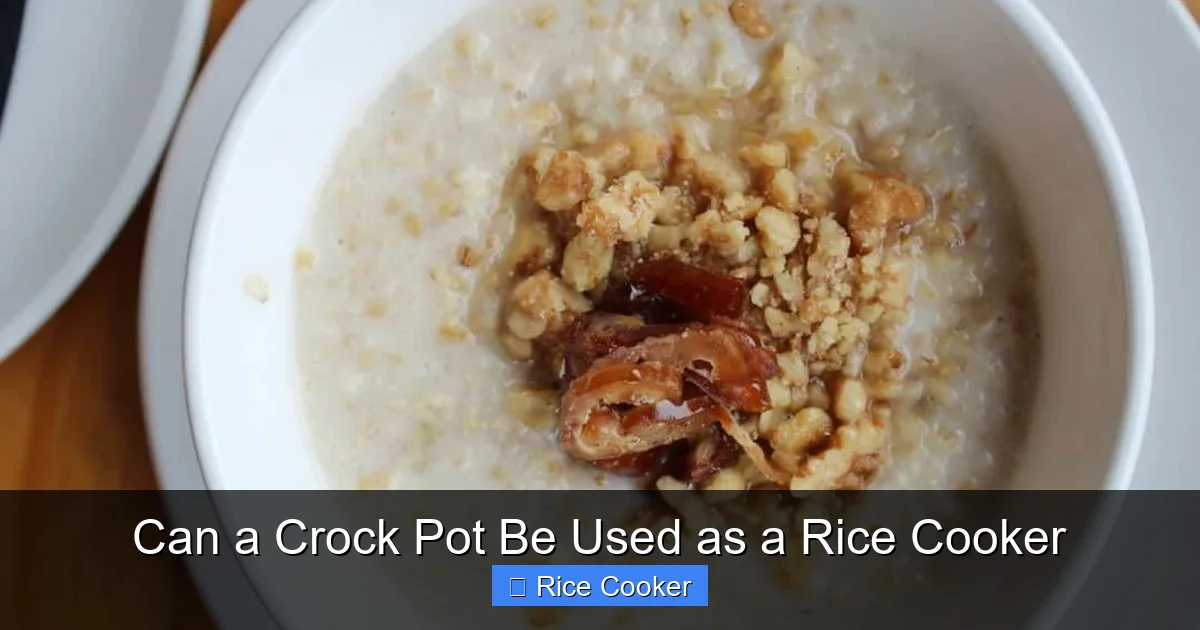
Can a crock pot be used as a rice cooker? Yes, but with caveats. While both appliances cook grains, their designs differ significantly. A slow cooker lacks precise temperature control and timing, which affects texture and consistency. With the right method, you can achieve decent rice—but it won’t match the foolproof performance of a dedicated rice cooker.
Key Takeaways
- Temperature Control: Crock pots maintain a low, steady heat ideal for stews and braises, but not for the precise boiling and steaming required for fluffy rice.
- Cooking Time: Rice typically takes longer in a slow cooker than in a rice cooker due to lower heat and lack of pressure or steam cycling.
- Rinse & Ratio Matters: Rinsing rice removes excess starch, and using the correct water-to-rice ratio (usually 1:2) is crucial for avoiding mushiness or dryness.
- Texture Variability: Results can range from slightly undercooked to overly soft, depending on rice type, pot size, and lid fit.
- Energy Efficiency: Slow cookers use less electricity over long durations, making them cost-effective for large batches or overnight cooking.
- Safety Considerations: Always ensure food stays above 140°F (60°C) to prevent bacterial growth, especially when cooking ahead.
- Alternatives Exist: For consistent results, consider multi-cookers or dedicated rice cookers if you cook rice frequently.
📑 Table of Contents
- Introduction: The Great Kitchen Appliance Swap
- Understanding How Rice Cookers Work
- How Crock Pots Function Differently
- Can You Actually Cook Rice in a Crock Pot?
- Types of Rice and Their Compatibility with Crock Pots
- Practical Tips for Better Results
- When Is It Worth Using a Crock Pot Instead?
- Comparing Cost, Performance, and Versatility
- Common Mistakes to Avoid
- Final Verdict: Should You Use a Crock Pot for Rice?
- Conclusion: Embrace Flexibility Without Sacrificing Quality
Introduction: The Great Kitchen Appliance Swap
Have you ever looked at your kitchen and thought, “I only have one appliance for this?” Maybe you own a trusty Crock-Pot® sitting on the counter, waiting for that Sunday roast or chili recipe. Or perhaps you just bought a rice cooker and realized you don’t actually need it—after all, rice is just rice, right? But here’s the thing: while both appliances do cook grain-based meals, they’re designed for very different purposes. So, can a crock pot be used as a rice cooker?
The short answer is yes—but not always well. Think of it like trying to bake a soufflé in a waffle iron. It might work once or twice, but you’ll quickly realize there’s a reason professionals use specific tools. In this article, we’ll explore how well crock pots handle rice, what makes rice cookers so effective, and when—if ever—it’s worth substituting one for the other. Whether you’re meal prepping for the week, running low on gadgets, or just curious about kitchen hacks, you’re about to learn everything you need to know.
Understanding How Rice Cookers Work
Before diving into whether your slow cooker can mimic a rice cooker, let’s first understand why rice cookers are so popular—and effective. Unlike stovetops or ovens, modern rice cookers use advanced technology to deliver consistent results every time.
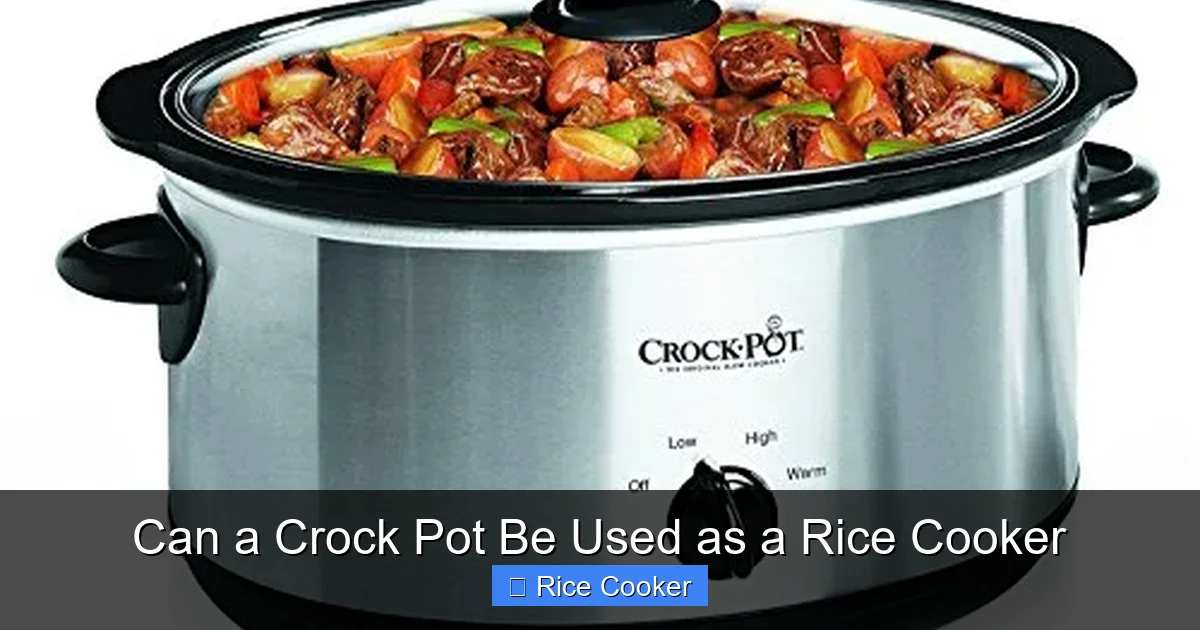
Visual guide about Can a Crock Pot Be Used as a Rice Cooker
Image source: m.media-amazon.com
The Science Behind Perfectly Cooked Rice
Most rice cookers operate using a combination of heat and moisture control. They begin by bringing water to a boil, then switch to a keep-warm setting once the rice is fully cooked. Some models even use fuzzy logic sensors to detect when the internal temperature changes—signaling that evaporation has stopped and the rice is done. This process ensures even cooking without scorching or drying out the grains.
Additionally, many rice cookers come with multiple settings for different types of rice—jasmine, basmati, brown, sushi-grade—each requiring slightly different temperatures and timings. The ability to adjust these variables is what separates a good rice cooker from a mediocre one.
Why People Love Rice Cookers
Beyond precision, rice cookers are beloved because they’re hands-off. Throw in rice and water, press a button, and walk away. No stirring, no watching the pot, no risk of burning. That convenience alone makes them a staple in busy households, dorm rooms, and professional kitchens alike.
How Crock Pots Function Differently
Now, let’s talk about your slow cooker. Also known as a Crock-Pot®, this appliance is built for long, gentle heat. Most models run between 170°F and 280°F, depending on the setting. Unlike rice cookers, crock pots don’t cycle through phases—they stay at one temperature until manually turned off.
The Limitations of Low-and-Slow Cooking
This steady, low heat works wonders for tough cuts of meat or beans that need hours to break down. But rice? Not so much. Rice needs to absorb water gradually while being exposed to higher initial heat to gelatinize its starches properly. Without that burst of boiling followed by controlled steaming, the outcome often leans toward gummy, undercooked, or unevenly textured results.
Water Evaporation Issues
Another challenge? Water loss. Crock pots lose moisture slowly over time, which means the rice may dry out before it’s fully cooked—or worse, the bottom layer becomes sticky and burnt while the top remains hard. Unlike rice cookers that seal tightly to retain steam, most crock pots have loose-fitting lids that allow too much evaporation.
Can You Actually Cook Rice in a Crock Pot?
Despite the differences, many home cooks have successfully made rice in their slow cookers—especially for dishes like risotto, pilafs, or one-pot meals where texture isn’t critical. But if you’re aiming for fluffy, separate grains like jasmine or white rice, you’ll likely be disappointed.
Basic Method: Boil Then Switch
One common workaround is to bring the rice and water to a boil on the stovetop first, then transfer everything to the crock pot on high for 30–45 minutes. This mimics the rice cooker’s initial boiling phase. However, even then, results vary widely based on rice variety, pot size, and ambient conditions.
Recommended Ratios and Timings
If you want to try, here’s a starting point:
- White rice: Use a 1:2 ratio (1 cup rice to 2 cups water)
- Brown rice: Try 1:2.5 or 1:3 (brown rice takes longer to soften)
- Cooking time: Start checking after 45 minutes; avoid lifting the lid frequently
Note: These are estimates—your mileage may vary!
Types of Rice and Their Compatibility with Crock Pots
Not all rice behaves the same way in a slow cooker. Some varieties naturally hold up better to low-and-slow cooking than others.
Best Options for Crock Pot Rice
- Basmati and Jasmine (Long-Grain): These tend to stay fluffier if rinsed well and cooked carefully. Still, expect softer texture than in a rice cooker.
- Arborio and Carnaroli (Short-Grain): Ideal for risotto! These release more starch and create a creamy consistency—perfect for slow simmering.
- Wild Rice Mixes: Often already parboiled or pre-soaked, so they respond better to extended cook times.
Worst Choices
- Sushi Rice: Too delicate; prone to clumping unless monitored closely.
- Instant White Rice: Designed for microwave or quick boil methods—slow cookers can make it gluey.
Practical Tips for Better Results
If you’re determined to use your crock pot for rice, here are some pro-level tricks to improve success rates.
Pre-Rinse Your Rice
Always rinse long-grain rice under cold water until the water runs clear. This removes surface starch that causes clumping. Skip this step, and you’ll end up with a sticky mess.
Use the Right Amount of Water
Too little water = dry, chalky rice. Too much = mush. Stick close to the standard ratios, but remember that crock pots absorb extra liquid over time, so you might start with slightly less water than usual.
Choose a Heavy-Duty Crock Pot
Larger, thicker-bodied models distribute heat more evenly. Smaller pots can cause hot spots, leading to uneven cooking.
Try Adding a Layer of Grease
A teaspoon of oil or butter helps prevent sticking and adds subtle flavor. It also improves heat conduction slightly.
Don’t Lift the Lid!
Every time you open the lid, heat escapes and cooking slows down. Plan accordingly and check only once or twice during the process.
Consider Using the “Warm” Setting After Cooking
If the rice isn’t quite done but looks close, switch to warm and let it sit covered for 10–15 minutes. This gives residual heat time to finish the job without overcooking.
When Is It Worth Using a Crock Pot Instead?
There are real advantages to making rice in a slow cooker—even if it’s not perfect.
Meal Prep and Batch Cooking
Want 10 servings of rice ready by noon? Set your crock pot overnight on warm, then reheat portions throughout the day. Just be sure to store leftovers safely below 40°F (4°C).
Hands-Off Convenience
If you’re tired of standing over the stove, a slow cooker lets you add rice along with other ingredients—like diced veggies, herbs, or spices—for a complete meal in one pot.
Energy Savings
Slow cookers use roughly 1/3 the energy of an oven or stovetop over long periods. If you’re already using it for soup or stew, adding rice saves time and power.
For Specific Recipes
Dishes like Spanish rice, Mexican arroz rojo, or Cajun jambalaya rely on slow-cooked flavors. In those cases, slight variations in rice texture are acceptable—and sometimes even preferred.
Comparing Cost, Performance, and Versatility
Let’s break down the practical side: should you buy a rice cooker or stick with what you have?
Cost Comparison
A basic rice cooker ranges from $20–$50, while a quality crock pot costs $50–$100+. So, if you already own a slow cooker, there’s no added expense. But if you’re choosing between the two, consider frequency of use.
Performance Trade-Offs
| Feature | Crock Pot | Rice Cooker |
|---|---|---|
| Consistency | Variable | High |
| Cooking Speed | Slow (1–2 hrs) | Fast (20–45 mins) |
| Hands-On Time | Minimal (after prep) | None |
| Multiple Settings | Low/High/Warm | Jasmine, Brown, Sushi, etc. |
| Steam Retention | Poor | Excellent |
Versatility Factor
Crock pots excel at meats, soups, and casseroles. Rice cookers shine at grains, but many now include steamer baskets for vegetables or eggs. Multi-functional devices like Instant Pots blur the line—but that’s a whole other topic!
Common Mistakes to Avoid
Even experienced cooks stumble when adapting recipes. Here’s what to watch out for.
Skipping the Rinse
This is #1. Unrinsed rice leads to clumpy, pasty results—no matter how careful you are with timing or water levels.
Using Too Much Liquid
Remember: slow cookers evaporate less quickly than stovetops, but they still lose moisture. Overestimating liquid can leave you with soupy rice.
Ignoring Rice Type Differences
Brown rice needs more water and time. Wild rice varies by brand. Don’t assume all “rice” follows the same rules.
Opening the Lid Frequently
Each peek disrupts the thermal environment. Plan your tasting check early—maybe after 30 minutes—and minimize interruptions.
Neglecting Stirring
While rice cookers self-stir via steam cycles, crock pots need occasional gentle folding to prevent sticking—especially if you’ve added fats or sauces.
Final Verdict: Should You Use a Crock Pot for Rice?
After weighing the pros and cons, here’s my honest take: Yes, you can use a crock pot as a rice cooker—but only in specific situations and with realistic expectations.
If you rarely cook rice and mostly use your slow cooker for stews or roasts, it’s fine to experiment occasionally. But if you eat rice daily—especially jasmine, basmati, or sushi varieties—you’ll appreciate the precision of a dedicated rice cooker. The difference in texture, consistency, and ease of use is noticeable enough to justify the investment for frequent users.
That said, don’t dismiss the crock pot entirely. For certain recipes, like risotto, pilaf, or one-pot dinners, it’s not just acceptable—it’s ideal. And if you’re meal prepping or want to maximize energy efficiency, leveraging both appliances smartly will save you time and money in the long run.
Conclusion: Embrace Flexibility Without Sacrificing Quality
Kitchen hacks are fun, and improvisation is part of cooking. But knowing when to reach for the right tool makes all the difference. A crock pot can handle rice, but it wasn’t designed for it. Like a Swiss Army knife versus a chef’s knife, each has strengths and weaknesses.
So next time you’re wondering, “Can a crock pot be used as a rice cooker?”—remember: it depends on your goals. Want fluffy, separate grains? Go with the rice cooker. Need a lazy, hands-off method for a hearty dish? The crock pot might surprise you.
At the end of the day, the best kitchen is one that adapts—not just to recipes, but to your lifestyle. Whether you’re using a slow cooker, rice cooker, or both, what matters most is enjoying the process and savoring every bite.
Frequently Asked Questions
Is it safe to cook rice in a slow cooker?
Yes, it’s generally safe as long as the rice reaches a proper internal temperature and is consumed within a few hours or stored correctly. However, because slow cookers don’t cycle through boiling and steaming phases like rice cookers, there’s a higher chance of undercooked or unevenly textured rice.
What’s the best rice to cook in a crock pot?
Short-grain rice like Arborio works well for creamy risottos, while long-grain options such as basmati or jasmine can be made if rinsed thoroughly and monitored closely. Brown rice is possible but requires more water and longer cooking times.
Do I need to rinse rice before putting it in a slow cooker?
Absolutely. Rinsing removes excess starch that causes clumping. Skipping this step almost guarantees mushy or sticky results, especially with long-grain varieties.
How long does rice take to cook in a crock pot?
It typically takes 45 minutes to 1.5 hours on high, depending on rice type and pot size. White rice usually cooks faster than brown or wild rice. Always check for doneness before serving.
Can I add other ingredients to rice while cooking it in a slow cooker?
Yes! This is one advantage of using a crock pot. You can toss in diced tomatoes, onions, garlic, or spices to create flavorful one-pot meals like Mexican rice or herb-infused pilafs.
Will my rice stay warm in a slow cooker after cooking?
Yes, most crock pots have a “warm” setting that maintains food at around 140–160°F (60–71°C), which is safe for holding cooked rice for up to 2 hours—long enough for a meal service.