
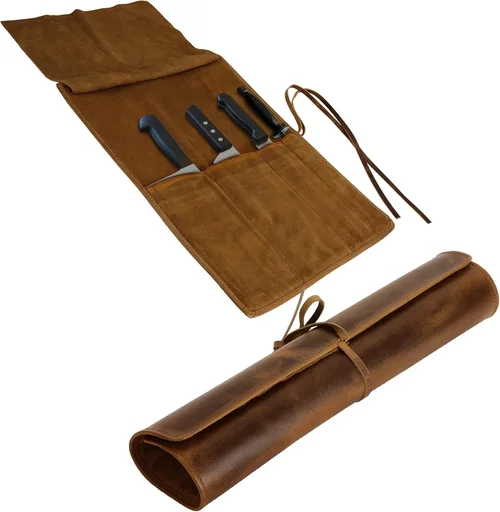
Whether you’re a professional chef jetting off to a pop-up dinner in Tokyo, a culinary instructor teaching knife skills across state lines, or a passionate home cook who refuses to leave your trusted blades behind on vacation, one thing is certain: your knives deserve protection. And not just any old bag will do. Enter the kitchen knife roll — a compact, organized, and secure way to transport your most essential tools. But with dozens of options flooding the market, each boasting different materials, designs, and price points, choosing the right knife roll can feel overwhelming. That’s where this guide comes in.
This comprehensive buying guide is designed to cut through the noise and deliver expert-level insights tailored specifically for traveling chefs. Whether you’re a line cook, sous chef, culinary student, or foodie on the move, we’ll walk you through everything you need to know to make a smart, informed decision. You’ll learn how to evaluate build quality, understand material differences, assess portability features, and avoid common pitfalls that lead to buyer’s remorse. We’ve tested, compared, and analyzed the top knife rolls on the market in 2026, so you don’t have to. By the end of this article, you’ll have a clear roadmap to finding the perfect knife roll that fits your lifestyle, budget, and professional needs.
The market for kitchen knife rolls has evolved significantly in recent years. What once was a niche product for culinary professionals has now expanded to include stylish, functional options for travelers, campers, and even home cooks who value organization. From rugged canvas rolls with reinforced stitching to sleek leather cases with magnetic closures, the variety is staggering. But not all knife rolls are created equal. Some prioritize style over function, while others sacrifice durability for affordability. This guide will help you navigate the landscape, identify what truly matters, and invest in a roll that will protect your knives — and your craft — for years to come.
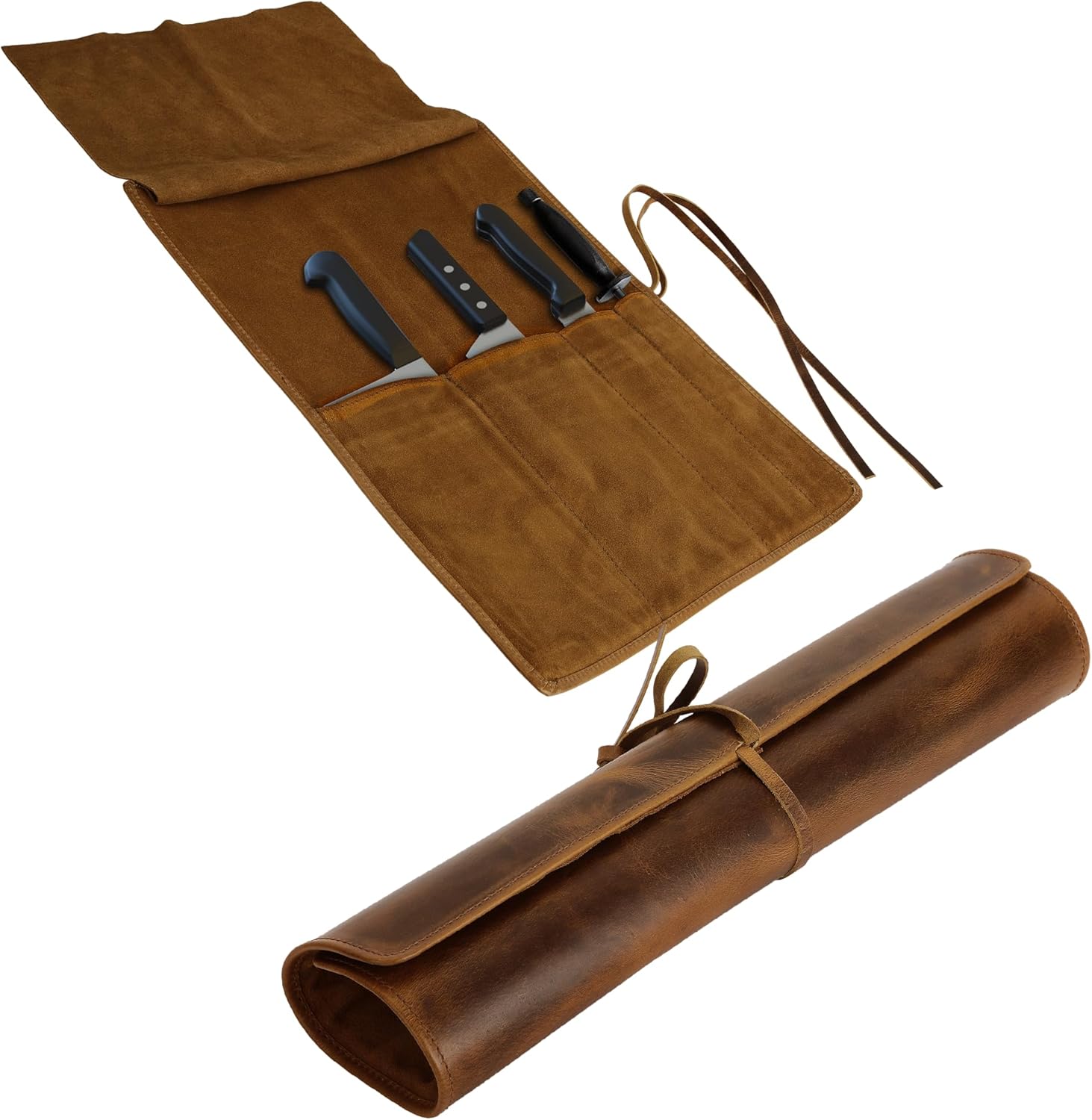
What to Look for When Buying a Kitchen Knife Roll
1. Build Quality & Durability
When it comes to protecting high-value kitchen tools, durability isn’t optional — it’s essential. A knife roll is only as good as the materials and construction used to make it. Look for rolls constructed from heavy-duty fabrics like 1680D ballistic nylon, waxed canvas, or full-grain leather. These materials resist abrasion, tearing, and moisture, which is crucial when traveling through airports, train stations, or outdoor environments. Reinforced stitching, especially along stress points like handles and closures, is a must. Double or triple stitching ensures the roll won’t come apart under the weight of multiple knives.
Hardware also plays a critical role. Zippers should be YKK or equivalent — known for their reliability and smooth operation. Avoid flimsy plastic zippers that can break under pressure. Buckles, clasps, and D-rings should be made from corrosion-resistant metals like stainless steel or brass. A well-built knife roll should feel substantial in your hands, not flimsy or lightweight in a cheap way. Remember, this isn’t just a storage solution — it’s a protective case for tools that can cost hundreds or even thousands of dollars.
2. Knife Capacity & Organization
The number of knives a roll can hold is important, but equally critical is how those knives are organized. Most professional knife rolls accommodate 6 to 12 knives, with dedicated slots for chef’s knives, paring knives, utility knives, bread knives, and specialty blades like boning or fillet knives. Look for rolls with individual, snug-fitting sleeves or elastic loops that prevent blades from shifting during transport. This reduces the risk of chipping or dulling edges.
Beyond knife slots, consider additional storage features. Pockets for sharpening steels, kitchen shears, peelers, or even a small cutting board can add significant value. Some premium rolls include zippered mesh compartments for utensils or spice kits. A well-organized roll not only protects your tools but also saves time when setting up at a new location. For traveling chefs who work in pop-up kitchens or food trucks, quick access is everything.
3. Portability & Weight
A knife roll should make travel easier, not harder. Weight is a major factor — especially if you’re carrying it through terminals, up stairs, or on long walks to a venue. A lightweight roll (under 3 pounds when empty) is ideal for frequent travelers. However, don’t sacrifice durability for lightness. Some ultra-lightweight rolls use thin nylon that wears out quickly.
Portability also includes how the roll is carried. Most feature a single handle, but dual handles or a detachable shoulder strap offer more versatility. For chefs who commute by bike or motorcycle, a roll with a secure shoulder strap is a game-changer. Look for padded handles and ergonomic design to reduce hand fatigue. Some models even include trolley sleeves that slide over luggage handles — a small detail that makes a big difference during long trips.
4. Closure & Security
How a knife roll closes is more important than it might seem. A secure closure prevents accidental openings and protects your knives from falling out. The most common options are zippers, Velcro straps, buckles, and magnetic clasps. Zippers offer the best protection against dust and moisture but can fail if low quality. Velcro is convenient but wears out over time and can snag fabric. Buckles are durable but slower to open and close.
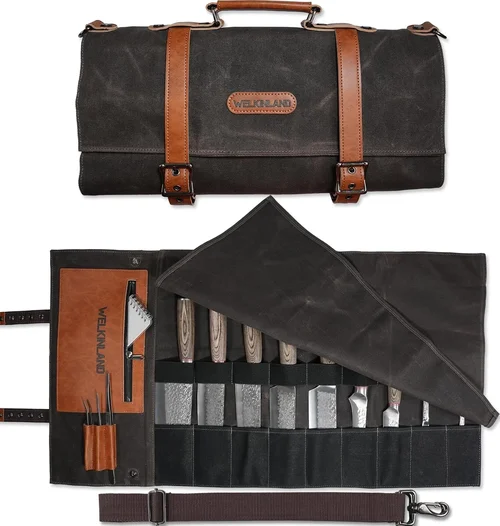
Magnetic closures are gaining popularity in premium rolls. They offer quick access and a sleek look, but ensure the magnets are strong enough to hold the roll shut under weight. For maximum security, consider rolls with dual closure systems — for example, a zipper with a buckle flap. This layered approach ensures your knives stay put, even if one mechanism fails.
5. Material & Weather Resistance
Your knife roll will face a variety of environments — from humid kitchens to rainy commutes. Choosing a material with weather resistance is crucial. Waxed canvas and treated nylon repel water and resist mold, making them ideal for outdoor or travel use. Leather, while stylish and durable, can absorb moisture if not properly treated. Look for rolls with water-resistant coatings or linings.
UV resistance is another factor, especially if you’re traveling to sunny climates. Prolonged exposure to sunlight can fade colors and weaken fabrics. High-quality rolls often use UV-stabilized materials to prevent degradation. If you’re a chef who works at outdoor events or farmers’ markets, a weather-resistant roll isn’t a luxury — it’s a necessity.
6. Size & Dimensions
Size matters — but not in the way you might think. A roll that’s too large becomes cumbersome; one that’s too small forces you to leave essential tools behind. Most standard knife rolls measure between 18 and 24 inches in length when rolled up, with widths ranging from 6 to 10 inches. This size fits comfortably in overhead bins, under airplane seats, or in the back of a car.
Consider the unfolded dimensions as well. A roll that’s 24 inches long when open can accommodate longer knives like slicing or carving blades. If you carry a 10-inch chef’s knife or a large cleaver, ensure the roll has enough length. Also, check the thickness when rolled — a bulky roll may not fit in tight spaces. Compact designs with efficient layouts offer the best balance of capacity and portability.
7. Aesthetics & Professional Appearance
While function comes first, appearance matters — especially for chefs who represent a brand or work in client-facing roles. A sleek, professional-looking knife roll enhances your image and shows attention to detail. Leather rolls, in particular, convey craftsmanship and sophistication. They age beautifully, developing a rich patina over time.
Color options also play a role. Black and navy are classic and hide stains well, while earth tones like olive or tan offer a more rustic appeal. Some brands offer custom embroidery or monogramming, allowing you to personalize your roll. For chefs who teach classes or appear on camera, a visually appealing roll can be part of your signature look.
8. Brand Reputation & Warranty
Not all knife roll brands are created equal. Established names like Wüsthof, Victorinox, and Mercer Culinary have built reputations on quality and reliability. These brands often offer better customer service, longer warranties, and consistent manufacturing standards. However, newer brands like Roll’n’Go and KnifeRoll Co. are gaining traction with innovative designs and competitive pricing.
Always check the warranty. A good knife roll should come with at least a one-year warranty against defects in materials and workmanship. Premium brands may offer two to five years. Some even provide repair services or replacement parts. A strong warranty is a sign the manufacturer stands behind their product — and that’s worth paying for.
Different Types of Kitchen Knife Rolls

Common Buying Mistakes to Avoid
❌ Mistake: Prioritizing Price Over Quality
Why it’s bad: Cheap knife rolls often use thin fabric, weak zippers, and minimal padding. They may save you $30 upfront but can lead to damaged knives, broken closures, or the need for replacement within months. Knives are expensive investments — protecting them with a subpar roll is false economy.
What to do instead: Treat your knife roll as a long-term investment. Spend a little more for durable materials and solid construction. A $100 roll that lasts five years is better value than a $40 roll that fails in six months.
❌ Mistake: Ignoring Knife Fit and Protection
Why it’s bad: A roll with loose or poorly designed slots can allow knives to shift, rub against each other, or even fall out. This leads to chipped edges, dull blades, and potential injury.
What to do instead: Choose a roll with snug, individual sleeves or elastic loops. Test the fit with your actual knives before committing. Some rolls offer adjustable dividers for custom layouts.
❌ Mistake: Overlooking Closure Security
Why it’s bad: A roll that opens accidentally can spill sharp blades onto the floor — a serious safety hazard. Weak Velcro or flimsy buckles are common culprits.
What to do instead: Opt for dual closure systems or high-quality zippers. If using a buckle, ensure it’s metal and securely fastened. Test the closure under weight.
❌ Mistake: Choosing Based on Looks Alone
Why it’s bad: A stylish roll that lacks functionality will frustrate you over time. Leather may look great but can be heavy and less water-resistant than treated nylon.
What to do instead: Balance aesthetics with practicality. Choose a design that reflects your style but also meets your performance needs. Read reviews from other chefs to see how it holds up in real use.
❌ Mistake: Not Considering Travel Frequency
Why it’s bad: A heavy, bulky roll might be fine for occasional use but becomes a burden for daily commuters or frequent flyers.
What to do instead: Match the roll to your travel habits. Frequent travelers should prioritize lightweight, compact designs with shoulder straps. Occasional users can afford more robust, feature-rich options.
❌ Mistake: Skipping the Warranty Check
Why it’s bad: Without a warranty, you’re on your own if the roll fails. Repairs can be costly, and some brands don’t offer support.
What to do instead: Always check the warranty terms. Look for brands that offer at least one year of coverage and responsive customer service.
❌ Mistake: Buying Without Testing
Why it’s bad: Online photos don’t show how a roll feels in hand or how well it fits your knives. You might end up with a roll that’s too small, too stiff, or poorly balanced.
What to do instead: If possible, visit a kitchen supply store to handle different models. If buying online, choose retailers with generous return policies.
Budget Guidelines: How Much Should You Spend?
Entry-Level ($30 – $60): These rolls are ideal for beginners, students, or occasional travelers. Expect basic nylon or polyester construction, minimal padding, and simple closures. While functional, they may lack durability and long-term reliability. Brands like KitchenAid and generic Amazon sellers offer options in this range. Great for testing the waters, but not recommended for daily professional use.
Mid-Range ($60 – $120): This is the sweet spot for most traveling chefs. Rolls in this tier offer better materials (like 1680D nylon or waxed canvas), reinforced stitching, and improved organization. Brands like Victorinox, Mercer, and Roll’n’Go deliver excellent value here. You’ll find features like padded handles, multiple pockets, and reliable zippers. These rolls balance cost, quality, and functionality.
Premium ($120 – $250): Designed for professionals and serious enthusiasts, premium rolls use high-end materials like full-grain leather or ballistic nylon. Expect superior craftsmanship, elegant design, and advanced features such as magnetic closures, trolley sleeves, and custom embroidery. Brands like Wüsthof, Hedley & Bennett, and KnifeRoll Co. dominate this space. These rolls are built to last decades with proper care.
Luxury ($250+): At this level, you’re paying for exclusivity, artisanal construction, and brand prestige. Hand-stitched leather, custom fittings, and limited-edition designs are common. These rolls are as much a statement piece as a functional tool. Ideal for chefs who value craftsmanship and want a roll that reflects their personal brand.
Expert Tips for Getting the Best Deal
1. Buy During Culinary Sales Events: Look for discounts during Black Friday, Cyber Monday, and back-to-school seasons. Many kitchen supply retailers offer 20-30% off knife rolls during these periods. Sign up for newsletters to get early access.
2. Shop at Specialty Retailers: Stores like Williams Sonoma, Sur La Table, and Chef’s Armoury often have exclusive models and better customer service than big-box retailers. They may also offer in-store testing.
3. Consider Refurbished or Open-Box Deals: Some brands sell refurbished rolls at a discount. These are often inspected and come with warranties. Check manufacturer websites or authorized dealers.
4. Read Verified User Reviews: Look for reviews from verified purchasers, especially those with photos. Pay attention to comments about durability, zipper quality, and real-world use.
5. Check Return Policies: Choose retailers with at least a 30-day return window. This gives you time to test the roll with your knives and return it if it doesn’t meet expectations.
6. Bundle with Knife Purchases: Some knife manufacturers offer discounts when you buy a roll with a knife set. This can save you $20-50 overall.
7. Invest in Care Products: For leather rolls, buy a conditioner to maintain suppleness. For fabric rolls, a waterproofing spray can extend lifespan. These small investments protect your larger one.
8. Join Chef Communities: Online forums like ChefTalk or Reddit’s r/chefknives often have members selling gently used rolls at a discount. You can find high-end models for half the retail price.

Frequently Asked Questions
Q: Can I bring a knife roll on a plane?
A: Yes, but with restrictions. Knives with blades longer than 2.36 inches (6 cm) must be packed in checked luggage. Smaller blades (like paring or utility knives) may be allowed in carry-on if securely stored and declared. Always check TSA guidelines before flying. A knife roll makes it easier to organize and declare your tools.
Q: How do I clean my knife roll?
A: For fabric rolls, wipe with a damp cloth and mild soap. Air dry completely. For leather, use a leather cleaner and conditioner every few months. Avoid soaking or machine washing, as this can damage materials and weaken stitching.
Q: Will a knife roll protect my knives from damage?
A: A quality roll with individual sleeves and padding significantly reduces the risk of chipping and dulling. However, it won’t protect against extreme impacts (like being dropped from height). Always handle your roll with care.
Q: Can I fit a cleaver in a standard knife roll?
A: Most standard rolls accommodate chef’s knives up to 10 inches, but cleavers are wider and heavier. Look for rolls with extra-wide slots or modular designs. Some brands offer specialized cleaver sleeves.
Q: Are leather knife rolls worth the extra cost?
A: If you value durability, aesthetics, and long-term use, yes. Leather rolls age beautifully and offer excellent protection. However, they’re heavier and require more maintenance than fabric rolls. Choose based on your priorities.
Q: How many knives can a typical roll hold?
A: Most hold 6-12 knives, depending on size and layout. Compact rolls may fit only 4-6, while expandable models can hold 15 or more. Always check the product specs and measure your knives.
Q: Can I use a knife roll for other tools?
A: Absolutely. Many chefs use their rolls for sharpening steels, peelers, thermometers, and even small spice kits. Look for rolls with extra pockets or mesh compartments for versatility.
Q: What’s the difference between a knife roll and a knife bag?
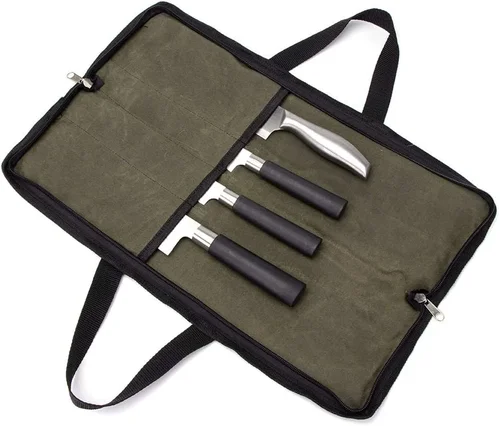
A: A knife roll unfolds flat and rolls up, offering organized slots. A knife bag is typically a zippered pouch with dividers. Rolls are better for protection and organization; bags are more compact but less secure.
Q: How long should a good knife roll last?
A: With proper care, a mid-range roll should last 3-5 years. Premium leather rolls can last 10+ years. Signs of wear include frayed stitching, broken zippers, or stretched fabric.
Q: Can I customize my knife roll?
A: Some brands offer monogramming or custom layouts. You can also modify rolls with aftermarket dividers or labels. Check with the manufacturer for options.
Our Final Recommendations
Best for Budget-Conscious Buyers: Victorinox 7-Pocket Knife Roll – At under $60, this roll offers excellent value with durable nylon, secure zippers, and a compact design. Ideal for students and occasional travelers.
Best Overall Value: Roll’n’Go Pro Series – Priced around $90, this roll combines waxed canvas, reinforced stitching, and a trolley sleeve. It’s lightweight, weather-resistant, and holds up to 10 knives with room for extras.
Best Premium Option: Wüsthof Leather Knife Roll – Crafted from full-grain leather with hand-stitched details, this $220 roll is a masterpiece. It offers superior protection, elegant design, and a lifetime warranty. Perfect for professionals.
Best for Beginners: Mercer Culinary 6-Pocket Roll – Simple, affordable ($50), and reliable. Great for those new to knife rolls who want to test the concept without a big investment.
Best for Advanced Users: KnifeRoll Co. Modular System – At $180, this customizable roll lets you configure slots, add pockets, and expand as your collection grows. Ideal for chefs with diverse tool sets.
Conclusion: Making the Right Choice
Choosing the right kitchen knife roll isn’t just about finding a place to store your blades — it’s about protecting your craft, your investment, and your peace of mind. Whether you’re a globe-trotting chef or a weekend warrior in the kitchen, the right roll will keep your tools safe, organized, and ready for action. Throughout this guide, we’ve covered the essential factors: build quality, capacity, portability, security, and budget. We’ve compared types, highlighted common mistakes, and offered expert tips to help you navigate the market with confidence.
Remember, the best knife roll is the one that fits your lifestyle. A busy line cook might prioritize durability and quick access, while a culinary instructor may value aesthetics and extra storage. Don’t rush the decision. Take time to assess your needs, read reviews, and test options when possible. And when you find the right one, treat it well — a quality knife roll, like a good knife, can serve you faithfully for years.
Your knives are an extension of your skill. They deserve a home that reflects that. Invest wisely, travel safely, and keep cooking with confidence.