
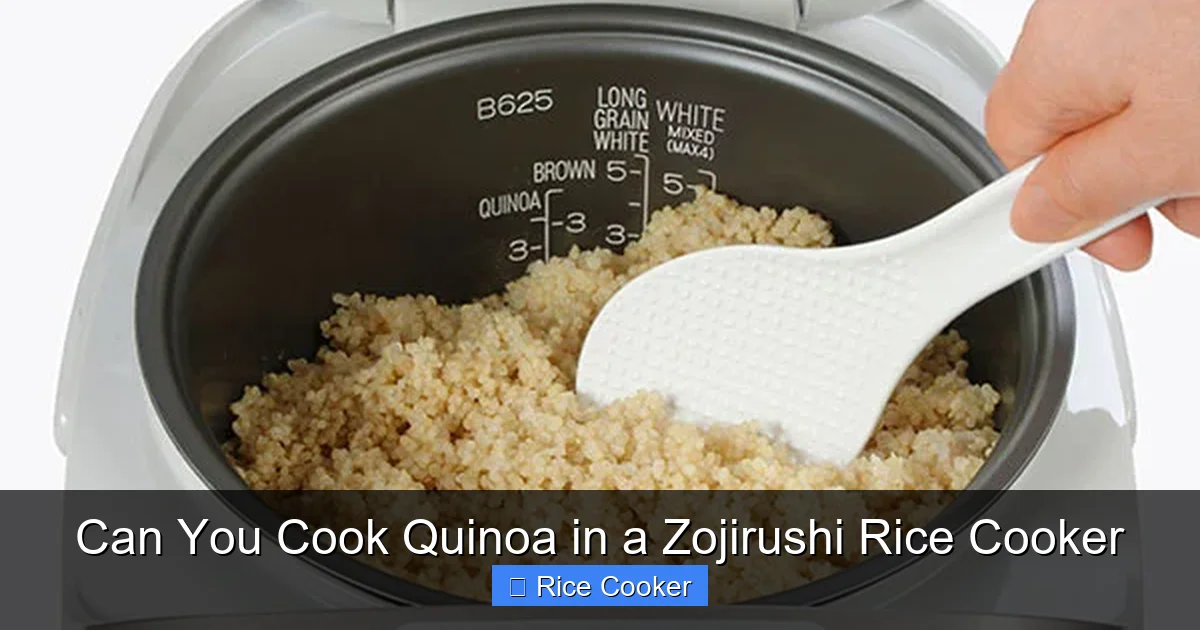
Absolutely! You can easily cook perfect quinoa in your Zojirushi rice cooker with just a few simple adjustments. This versatile kitchen tool handles quinoa beautifully, delivering fluffy, nutty grains that rival stovetop results. Whether you’re meal-prepping or whipping up a quick side dish, your Zojirushi makes it foolproof and delicious.
Key Takeaways
- Zojirushi rice cookers are fully compatible with quinoa — no special equipment needed.
- Use a 1:2 ratio of quinoa to water for ideal texture and don’t skip rinsing the quinoa first.
- Soaking quinoa overnight improves digestibility and cooking consistency.
- Most Zojirushi models have a “White Rice” or “Mixed Rice” setting that works perfectly for quinoa.
- Let the quinoa rest after cooking — this helps achieve that airy, non-sticky result.
- Cleaning is easy — just rinse the inner pot and use warm, soapy water as usual.
- Experiment with flavors by adding herbs, spices, or broth during cooking for extra taste.
Quick Answers to Common Questions
Can I use flavored quinoa mixes in my Zojirushi?
Yes, but read labels carefully. Some pre-seasoned varieties contain added oils or thickeners that may affect texture. Plain quinoa gives the most control over taste and consistency.
Do I need to adjust the water ratio for different quinoa types?
Most white and red quinoa varieties follow the same 2:1 ratio. Black or tri-color quinoa may absorb slightly more liquid, so add an extra ¼ cup if needed and test after resting.
Will my Zojirushi burn quinoa?
Unlikely. Zojirushi models prevent burning through precise temperature control and automatic shutoff. However, using too little water or overcrowding the pot can cause sticking — always follow guidelines.
Can I cook quinoa in the same pot as rice?
No — quinoa and rice require different soaking and cooking times. Always use separate pots to avoid cross-contamination of textures and flavors.
Is quinoa safe to eat raw?
Technically yes, but raw quinoa contains phytic acid and saponins that reduce nutrient absorption and create bitterness. Always cook it thoroughly for optimal safety and taste.
📑 Table of Contents
- Cooking Quinoa in Your Zojirushi Rice Cooker: A Foolproof Guide
- Why Use a Zojirushi for Quinoa?
- How to Cook Quinoa in a Zojirushi Rice Cooker
- Tips for Fluffier, Better-Tasting Quinoa
- Can All Zojirushi Models Handle Quinoa?
- Creative Ways to Serve Your Quinoa
- Maintenance & Cleaning Tips
- Final Thoughts: Why This Method Works So Well
Cooking Quinoa in Your Zojirushi Rice Cooker: A Foolproof Guide
Ever wondered if that sleek, dependable Zojirushi rice cooker you rely on for fluffy white rice could do more? The short answer? Yes — and it’s easier than you think. Cooking quinoa in a Zojirushi isn’t just possible; it’s actually one of the best ways to get consistently perfect results. No splattering, no constant stirring, and definitely no burnt bottoms. Just plug it in, press a button, and walk away while your quinoa cooks itself into tender, golden perfection.
Quinoa has earned its spot as a pantry staple for good reason. Packed with protein, fiber, and essential amino acids, it’s both nutritious and incredibly versatile. Whether you’re building salads, making grain bowls, or simply enjoying a warm breakfast porridge, quinoa delivers. But traditional stovetop methods often require attention and timing — and let’s be honest, who wants to stand over a pot all day? That’s where your Zojirushi shines. With its advanced heating technology and precise temperature control, it turns quinoa from a tricky grain into an effortless, hands-off success.
Why Use a Zojirushi for Quinoa?
If you’re new to cooking quinoa, you might be surprised by how finicky it can seem. Unlike rice, quinoa needs to be rinsed thoroughly to remove saponins — those bitter-tasting compounds that coat the seeds. And if you don’t rinse enough or cook it too long, you end up with mush instead of fluffy bites. Plus, getting the water-to-quinoa ratio right is crucial. Too much water leads to soggy grains; too little leaves them hard and undercooked.
Visual guide about Can You Cook Quinoa in a Zojirushi Rice Cooker
Image source: metrocookingdallas.com
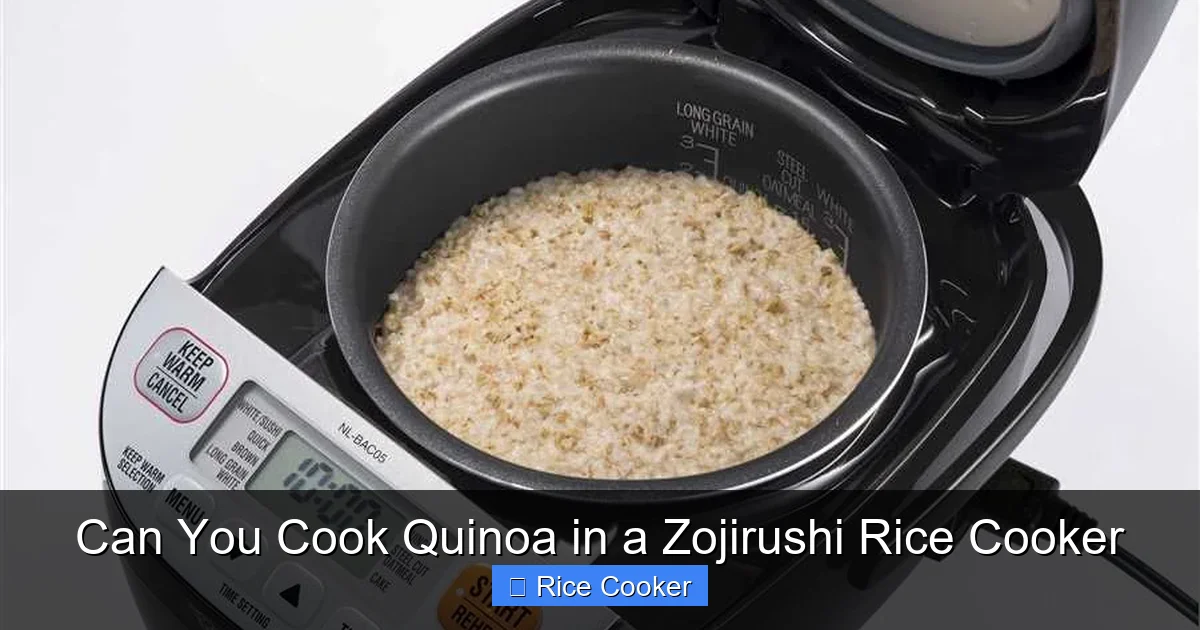
Enter your Zojirushi. This smart appliance handles all those variables automatically. It measures water accurately, maintains steady heat, and knows exactly when your quinoa is done. No guesswork. No babysitting. Just set it and forget it — then enjoy restaurant-quality quinoa at home.
The Science Behind Perfect Quinoa
Understanding why your Zojirushi works so well starts with knowing how quinoa behaves. When heated, quinoa releases starches and absorbs liquid gradually. If the temperature fluctuates or the water evaporates unevenly, you risk uneven texture. But Zojirushi models use induction heating (on newer models) or fuzzy logic (on older ones), which means they adjust power levels constantly to keep things even. That’s why your quinoa comes out light and separate every time — even if you’re not watching.
Another key factor is resting time. After the cycle finishes, most Zojirushi units keep the pot warm for several minutes before switching off. This allows residual steam to finish cooking the quinoa gently without overdoing it. Think of it like letting bread rise — patience pays off.
How to Cook Quinoa in a Zojirushi Rice Cooker
Ready to try it yourself? Follow these simple steps for foolproof quinoa every single time:
Visual guide about Can You Cook Quinoa in a Zojirushi Rice Cooker
Image source: recipes.net
Gather Your Ingredients & Tools
- 1 cup uncooked quinoa
- 2 cups water or low-sodium vegetable broth (for flavor)
- Fine-mesh strainer
- Measuring cup
- Zojirushi rice cooker with removable inner pot
- Optional: salt, butter, or olive oil
Start by placing your quinoa in a fine-mesh strainer. Rinse under cold running water for at least 30 seconds — you should see the water turn cloudy as the bitter coating washes away. Keep rinsing until it runs clear. This step is non-negotiable; skipping it will leave your quinoa tasting soapy.
Measure Accurately
The magic number is 2:1 — two parts liquid to one part quinoa. So for one cup of dry quinoa, use two cups of water or broth. If you’re making a larger batch, scale accordingly. Avoid eyeballing measurements; precision matters here.
Add Everything to the Inner Pot
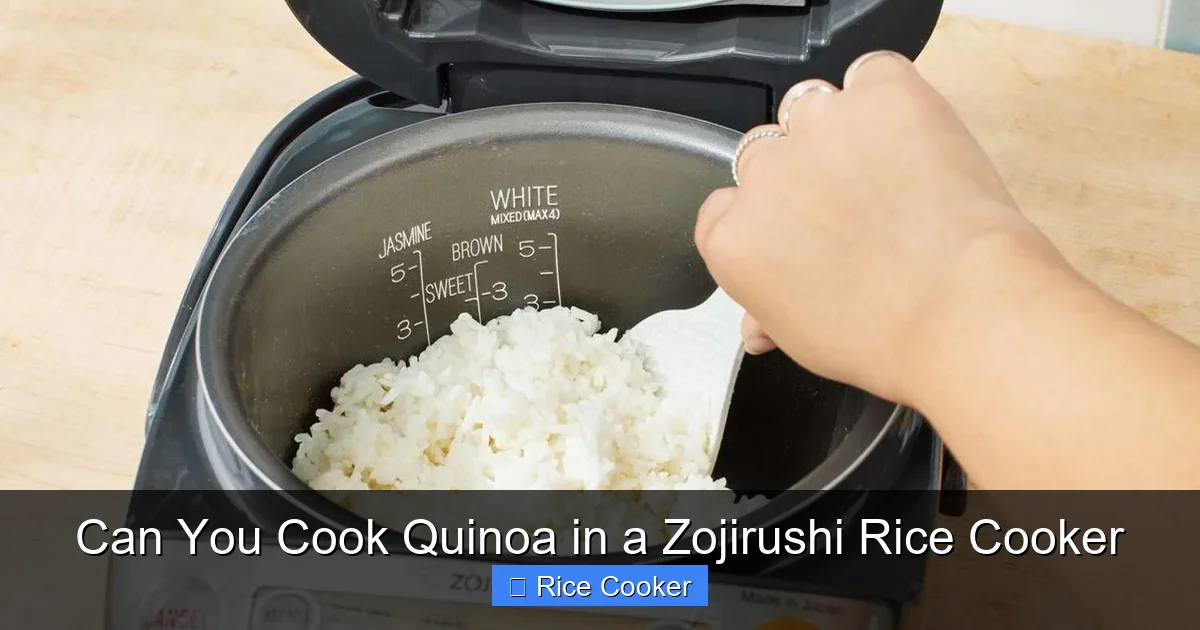
Place the rinsed quinoa into your Zojirushi’s inner pot. Add your measured liquid, plus any optional seasonings (like a pinch of salt or a splash of olive oil). Give it a gentle stir with a fork to distribute evenly.
Select the Right Setting
Almost all Zojirushi models come with multiple settings. For plain quinoa, choose the “White Rice” mode. If your model has a “Mixed Rice” or “Multigrain” setting, that also works great — just note it may take slightly longer. Avoid the “Quick Cook” or “Sushi Rice” options unless you’ve adjusted ratios accordingly.
Press Start and Wait
Close the lid, plug in your machine, and hit start. The indicator light will change color when cooking begins. Total cycle time usually ranges from 15–20 minutes, depending on your model and quinoa variety.
Let It Rest
Once the cycle completes, let the quinoa sit sealed for 5–10 minutes. This final steam phase ensures maximum fluffiness and prevents clumping. Then open the lid, fluff gently with a fork, and serve.
Tips for Fluffier, Better-Tasting Quinoa
Want to level up your quinoa game? Try these pro tips:
- Rinse thoroughly — again, this removes bitterness and prevents gummy texture.
- Toast the quinoa lightly before adding water. Sauté dry quinoa in a pan for 1–2 minutes until fragrant. This boosts nuttiness and reduces cooking time slightly.
- Use broth instead of water — chicken, vegetable, or even miso broth adds depth without extra effort.
- Add acid at the end — a squeeze of lemon juice or vinegar brightens the flavor and balances richness.
- Store properly — cooled quinoa keeps in the fridge for up to 5 days. Reheat with a splash of water to restore moisture.
Common Mistakes to Avoid
Even with a reliable appliance like the Zojirushi, mistakes happen. Here’s what to watch out for:
- Not rinsing enough — always rinse until water runs clear.
- Using old or clumpy quinoa — buy fresh, vacuum-sealed packages and store in a cool, dark place.
- Overfilling the pot — never exceed ⅔ full to allow expansion during cooking.
- Skipping the rest period — rushing this step leads to uneven texture.
Can All Zojirushi Models Handle Quinoa?
Great question! The short answer is yes — but there are minor differences based on model type. Most standard Zojirushi rice cookers (like the NPR series or newer SR series) handle quinoa without issue. Their default “White Rice” setting adjusts heat and timing appropriately for quinoa’s starch structure.
However, some specialty models — such as compact ones designed only for sushi rice or mini units with limited capacity — may not distribute heat evenly across larger volumes. In those cases, stick to half-cup batches. Also, avoid using non-stick spray on the inner pot; just wipe with a damp cloth after cooking.
One exception worth noting: very old Zojirushi models without fuzzy logic might cook quinoa inconsistently. If yours is pre-2000 vintage, consider testing a small batch first. But honestly, even those older models usually work fine — it’s more about technique than age.
Comparing Zojirushi to Other Methods
You might be wondering: Is cooking quinoa in a Zojirushi better than boiling it on the stove? Absolutely, in most scenarios. Stovetop requires constant monitoring, stirring, and timing. One slip-up, and you’ve got glue-like clumps. With a Zojirushi, you get consistent results every time — even if you’re multitasking or cooking for a crowd.
That said, if you love the ritual of simmering grains on the stove (or want to make quinoa soup), go ahead! But for everyday meals, the rice cooker wins on convenience and reliability.
Creative Ways to Serve Your Quinoa
Plain quinoa is delicious, but it’s even better when you jazz it up. Here are fun ideas to inspire your next meal:
- Quinoa Buddha Bowls: Layer cooked quinoa with roasted veggies, avocado, chickpeas, and tahini dressing.
- Breakfast Porridge: Cook quinoa with milk, cinnamon, and maple syrup. Top with berries and nuts.
- Stuffed Peppers: Mix quinoa with ground turkey, onions, and tomatoes. Stuff into bell peppers and bake.
- Quinoa Salad: Combine with cucumber, cherry tomatoes, feta, and olives. Dress with lemon vinaigrette.
- Baked Goods: Substitute quinoa flour in muffins or pancakes for added protein.
Pro tip: Cook extra quinoa and freeze portions in ice cube trays. Pop out cubes to add to soups, stews, or smoothies later.
Maintenance & Cleaning Tips
After enjoying perfect quinoa, cleaning your Zojirushi is just as easy. Remove the inner pot and wash it with warm, soapy water. Never submerge the entire unit or use abrasive scrubbers — this can damage the nonstick coating. Rinse thoroughly and dry completely before storing.
For stubborn residue, soak the pot in hot water with a drop of dish soap for 10 minutes before wiping clean. Some users swear by baking soda paste for tough spots, but it’s rarely needed.
Also, remember to wipe the exterior and lid with a damp cloth. Check the vent holes occasionally to ensure they’re not blocked by food particles — this affects performance over time.
Final Thoughts: Why This Method Works So Well
At the heart of it all, your Zojirushi transforms quinoa from a fussy ingredient into something anyone can master. Its automated controls eliminate human error, while its consistent heat delivery ensures every grain cooks evenly. Whether you’re a beginner or a seasoned cook, this method saves time, reduces cleanup, and guarantees satisfaction.
Plus, once you’ve perfected quinoa in your rice cooker, you’ll likely find yourself reaching for it more often. It’s nutritious, quick, and pairs with almost anything. And honestly, isn’t that what we all want from our kitchen gadgets?
So go ahead — ditch the stovetop drama. Grab your Zojirushi, measure your ingredients, and let science do the rest. Before you know it, you’ll be serving up restaurant-worthy quinoa that impresses family, friends, and even yourself.
Frequently Asked Questions
What is the best water-to-quinoa ratio for a Zojirushi?
Use 2 cups of liquid per 1 cup of dry quinoa. This ratio ensures perfectly fluffy grains without being soggy or dry.
How long does quinoa take to cook in a Zojirushi?
Most cycles complete in 15–20 minutes, followed by a 5–10 minute rest. Exact time varies slightly by model and quinoa variety.
Should I rinse quinoa before cooking in my Zojirushi?
Yes — always rinse until water runs clear. This removes bitter saponins and prevents gummy texture.
Can I cook quinoa overnight using the warm function?
While possible, prolonged warming can dry out quinoa. Best to cook it fresh and serve immediately, or store cooled portions in the fridge.
Does the Zojirushi work with instant quinoa?
Instant quinoa is pre-cooked and meant for quick recipes. It won’t produce the same texture as regular quinoa in a rice cooker.
Can I add salt or spices during cooking?
Absolutely. Add a pinch of salt or your favorite herbs directly to the water for infused flavor.