
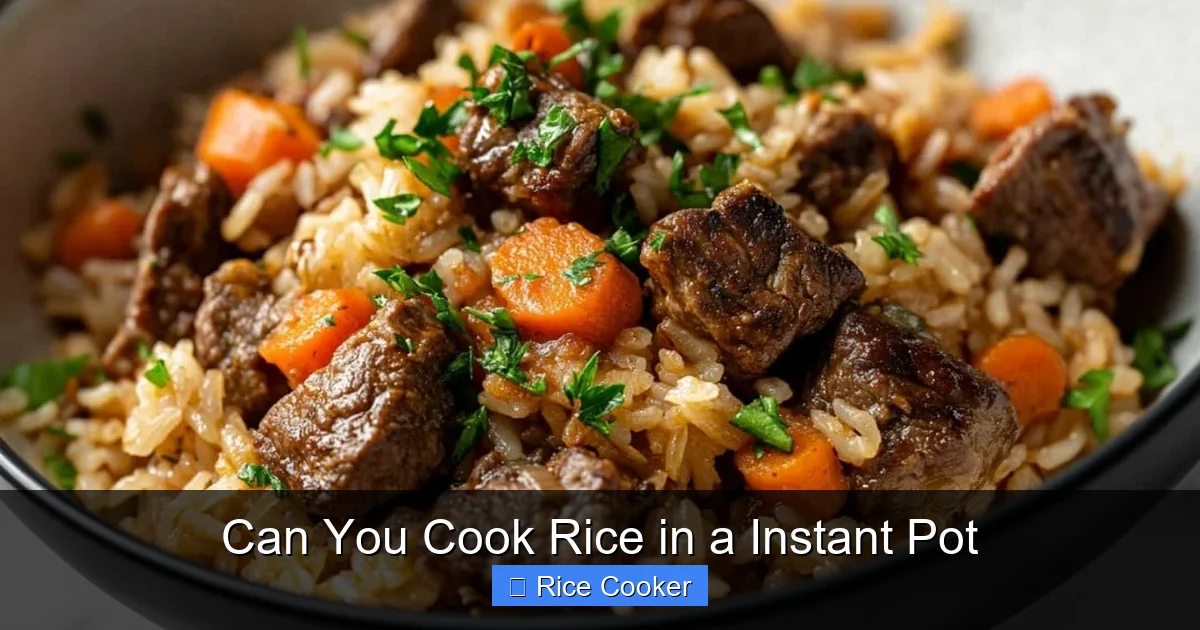
You can definitely cook rice in an Instant Pot, and it’s one of the most popular uses for this versatile kitchen appliance. Whether you’re making fluffy white rice, nutty brown rice, or even sushi rice, the Instant Pot delivers consistent results with minimal effort. With the right water-to-ratios and cooking times, you’ll never go back to the stovetop again.
Key Takeaways
- Instant Pot is ideal for cooking all types of rice: white, brown, jasmine, basmati, arborio, and more—each with slightly different settings.
- Water-to-rice ratios vary by grain type: generally 1:1 for white rice, 1.25:1 for brown rice, and adjust based on desired texture.
- Use the Manual/Pressure Cook setting: no need for constant stirring; the sealed environment cooks rice evenly and efficiently.
- Natural release vs. quick release affects texture: natural release helps prevent mushiness, while quick release speeds things up.
- Pro tips include rinsing rice and using a trivet or steamer basket: these small steps improve flavor and reduce sticking.
- Troubleshooting common issues like undercooked or mushy rice is easy: just adjust water levels, cooking time, or release method.
- Cooking rice in an Instant Pot saves time and energy: perfect for busy weeknights or meal prep.
Quick Answers to Common Questions
How much water do I use for 1 cup of rice in an Instant Pot?
For most white rice, use 1 cup of water per 1 cup of rice. Brown rice needs slightly more—about 1.25 cups of water per cup of rice.
Do I need to soak rice before cooking in an Instant Pot?
Soaking is optional but helpful, especially for brown or wild rice. It reduces cooking time and improves texture. Just drain well before adding to the pot.
Can I cook other grains in my Instant Pot?
Yes! Quinoa, barley, millet, and farro all work well. Adjust water ratios and cooking times accordingly—typically 1.5:1 to 2:1 water-to-grain.
Is it safe to leave the Instant Pot unattended while cooking rice?
Absolutely. Once the cooking cycle starts, the Instant Pot is sealed and self-contained. Just make sure the lid is properly locked and the pressure valve is set correctly.
How do I clean my Instant Pot after cooking rice?
Remove the inner pot and wash it with warm, soapy water. Avoid abrasive scrubbers on the non-stick surface. Wipe the lid and rim with a damp cloth—never submerge it in water.
📑 Table of Contents
Can You Cook Rice in an Instant Pot?
If you’ve ever stood over a pot of boiling water, watching the rice boil over and wondering why it’s so much harder than it seems, you’re not alone. Cooking rice perfectly requires precision—too little water and it’s dry; too much and it becomes soupy. But what if there was a way to skip the constant babysitting and still get restaurant-quality rice? Enter the Instant Pot.
The Instant Pot has revolutionized home cooking since its debut, combining the functions of a pressure cooker, slow cooker, rice cooker, steamer, sauté pan, and yogurt maker into one sleek appliance. And yes—you can absolutely cook rice in an Instant Pot. In fact, it’s one of the most beloved uses among home chefs. Not only does it save time, but it also delivers consistently fluffy, tender, and flavorful results with minimal effort.
In this comprehensive guide, we’ll walk you through everything you need to know about cooking rice in your Instant Pot—from basic techniques to advanced tips, troubleshooting, and creative recipes. Whether you’re a beginner or a seasoned cook, you’ll find value in learning how to master this essential skill.
Why Cook Rice in an Instant Pot?
A Time-Saver for Busy Lives
One of the biggest reasons people turn to the Instant Pot for rice is convenience. Unlike traditional stovetop rice, which requires constant attention and stirring, the Instant Pot does all the work for you. Once you add your ingredients and set the timer, you can walk away. No more hovering over the stove, worried about burning or boiling over. This makes it perfect for busy weekdays when you want a hot, healthy meal ready in under 30 minutes.

Visual guide about Can You Cook Rice in a Instant Pot
Image source: veronikaskitchen.com
Consistent Results Every Time
Because the Instant Pot uses pressure cooking, the heat is distributed evenly throughout the liquid and grains. This means less chance of unevenly cooked rice—no more clumps or dry patches. Whether you’re making a simple side dish or a complex risotto-style meal, consistency is key, and the Instant Pot delivers.
Energy-Efficient Cooking
Pressure cooking uses less energy than boiling rice on the stove. The sealed environment traps steam, so heat circulates efficiently, reducing both cooking time and electricity usage. That’s good news for your wallet and the planet.
Versatility Beyond Plain White Rice
While many people start with plain white rice, the Instant Pot can handle a wide variety of rice types—including brown, jasmine, basmati, wild rice, arborio (for risotto), and even colored or specialty varieties like black rice or red rice. You can also cook rice with beans, vegetables, herbs, or spices to infuse extra flavor.
Choosing the Right Rice for Your Instant Pot
Not all rice is created equal, and selecting the right type depends on your recipe and personal preference. Here’s a quick breakdown of popular rice varieties and how they perform in the Instant Pot:
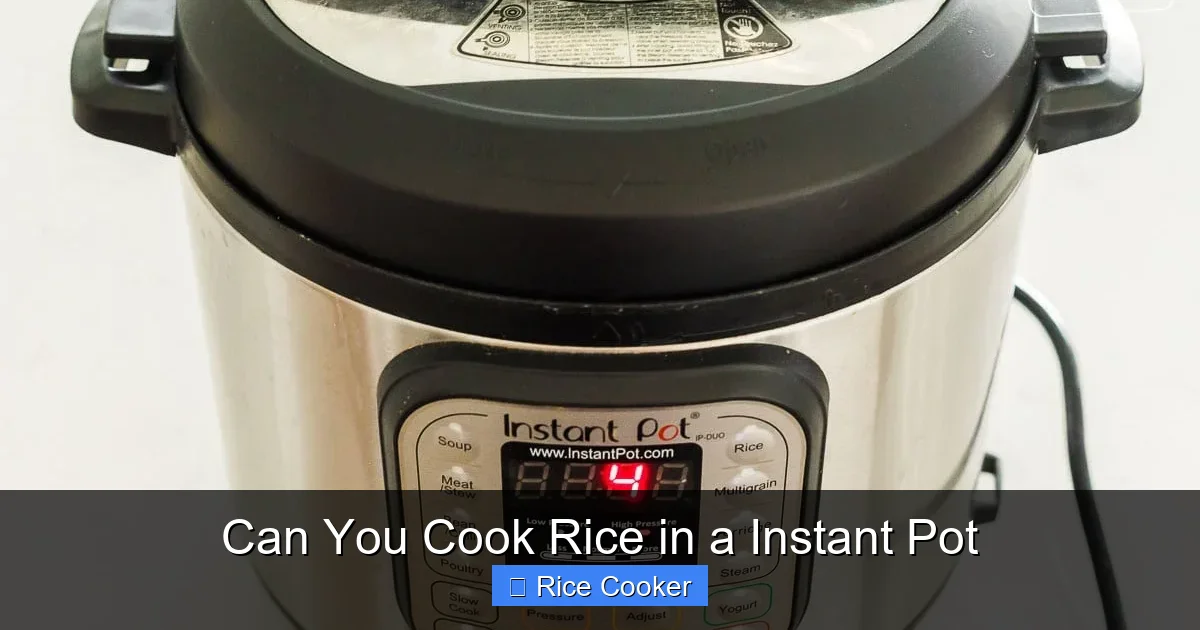
Visual guide about Can You Cook Rice in a Instant Pot
Image source: favfamilyrecipes.com
White Rice
Short-grain white rice is the most commonly cooked type in the Instant Pot. It’s soft, slightly sticky, and great for dishes like fried rice, rice bowls, or as a base for curries. Long-grain white rice (like jasmine or basmati) also works well and tends to stay separate and fluffy.
Brown Rice
Brown rice takes longer to cook due to its higher fiber content and hull. It’s chewier and nuttier in flavor, making it ideal for salads, pilafs, or grain bowls. While it requires more water and time, the Instant Pot handles it beautifully without overcooking.
Jasmine and Basmati Rice
These aromatic long-grain varieties are perfect for Asian-inspired dishes. Jasmine rice has a floral scent and slightly sticky texture, while basmati is lighter and fluffier, often used in Indian cuisine. Both cook quickly in the Instant Pot and maintain their distinct flavors.
Arborio Rice
Used primarily for risotto, Arborio rice has a high starch content that creates a creamy texture when stirred slowly. While the Instant Pot isn’t typically used for traditional risotto (which requires stirring), you can make a creamier version by using the sauté function before pressure cooking.
Wild Rice and Specialty Varieties
Wild rice blends or black/red rice can also be cooked in the Instant Pot, though they may require slight adjustments in water and time. These grains often take longer and benefit from soaking beforehand to reduce cooking time and improve texture.
Basic Steps to Cook Rice in an Instant Pot
Ready to get started? Follow these simple steps for foolproof rice every time:
- Rinse your rice: Place rice in a fine-mesh strainer and rinse under cold water until the water runs clear. This removes excess starch and prevents clumping.
- Add water and rice: Use a measuring cup or scale to measure the correct ratio. Start with 1 cup of uncooked rice and follow the recommended water amounts below.
- Close and seal the lid: Make sure the pressure valve is set to “Sealing” and the lid is fully locked.
- Select the Manual/Pressure Cook setting: Choose the appropriate time based on rice type (see chart below).
- Let it cook, then release naturally: Allow the pot to depressurize on its own (natural release) for best results, especially for white rice.
- Fluff and serve: Use a fork to gently fluff the rice before serving.
Recommended Water-to-Rice Ratios
| Rice Type | Water Ratio | Cooking Time (Manual) | Release Method |
|---|---|---|---|
| White Rice (short/long grain) | 1:1 (e.g., 1 cup rice : 1 cup water) | 4 minutes | Natural (10–15 min) |
| Brown Rice | 1.25:1 (e.g., 1 cup rice : 1.25 cups water) | 15 minutes | Quick or Natural |
| Jasmine Rice | 1:1 | 4 minutes | Natural |
| Basmati Rice | 1:1.1 | 4 minutes | Natural |
| Arborio Rice (risotto style) | 1.5:1 | Sauté first, then 6 minutes | Natural |
| Wild Rice Blend | 2:1 | 22 minutes | Quick |
Note: Adjust ratios slightly based on altitude and desired consistency. Higher altitudes may require more water and longer cooking times.
Advanced Tips for Perfect Rice
Soaking Rice Improves Texture
For certain grains like brown rice or wild rice, soaking for 20–30 minutes before cooking can reduce cooking time and improve tenderness. Just drain thoroughly before adding to the pot.
Using a Trivet or Steamer Basket
Want to cook rice without it touching the bottom? Place a trivet or steamer basket inside the Instant Pot, add water to the inner pot (not the rice), then place the rice container on top. This prevents burning and allows for steaming instead of direct contact—ideal for delicate or sticky grains.
Adding Flavor Enhancements
Enhance your rice by adding a pinch of salt, a bay leaf, garlic cloves, or even a pat of butter during cooking. For savory dishes, try sautéing onions or garlic in the pot before adding rice and water.
Adjusting for Altitude
At higher elevations, water evaporates faster and pressure builds differently. You may need to increase cooking time by 1–2 minutes or add an extra tablespoon of water per cup of rice.
Storing and Reheating Leftovers
Cooked rice stores well in the fridge for up to 5 days. To reheat, add a splash of water and microwave or steam in the Instant Pot for 2–3 minutes until warm through.
Troubleshooting Common Rice Problems
Mushy Rice
This usually happens when too much water is used or the release is too quick. Try reducing water by 1–2 tablespoons per cup of rice and allow a longer natural release (at least 10 minutes).
Undercooked Rice
If your rice is still hard in the center, it may not have been undercooked enough. Add another minute of pressure cooking, but avoid overdoing it—rice continues to cook after release.
Rice Sticking to the Bottom
To prevent scorching, always use the minimum recommended water and consider using a non-stick inner pot. A light coating of oil can also help.
Boiling Over
Even with the right water ratio, rice can boil over if too much is added or if the pot isn’t vented properly. Use a smaller amount of rice or switch to a larger pot. Also, ensure the float valve isn’t blocked.
Rice Too Dry
Too little water leads to dry, crumbly rice. Always double-check your measurements and consider adding an extra teaspoon of water per cup if needed.
Creative Ways to Use Instant Pot Rice
Rice Bowls and Grain Bowls
Start with perfectly cooked brown rice or quinoa in your Instant Pot, then top with roasted veggies, grilled chicken, avocado, and tahini dressing. It’s a complete, healthy meal in one bowl.
Fried Rice
Cook rice the night before and refrigerate overnight. Next day, sauté it in sesame oil with scrambled eggs, peas, carrots, soy sauce, and green onions. The Instant Pot gives you perfectly separated grains—no clumping!
Risotto-Style Creamy Rice
While traditional risotto requires constant stirring, you can create a creamy version by sautéing Arborio rice briefly, then adding broth gradually during pressure cooking. The result is rich, velvety, and hands-off.
Stuffed Peppers or Rice Puddings
Fill bell peppers with a mixture of rice, ground meat, tomatoes, and spices, then cook them together in the Instant Pot for a hearty one-pot meal. Or make a sweet rice pudding with milk, cinnamon, and raisins.
Overnight Rice Pudding
Combine rice, milk, sugar, cinnamon, and vanilla in the Instant Pot. Set to slow cook on low overnight for a comforting breakfast or dessert.
Conclusion
Cooking rice in an Instant Pot is not only possible—it’s arguably easier and more reliable than using the stovetop. With the right techniques, ratios, and a few pro tips, you can enjoy perfectly cooked rice every single time. Whether you’re preparing a simple side dish or building a gourmet meal, the Instant Pot proves itself as a kitchen powerhouse.
From white to brown, short to long grain, and everything in between—your Instant Pot can handle it all. So next time you reach for a box of rice, remember: you don’t need another appliance. Just your Instant Pot, some water, and a little know-how will do the trick. Happy cooking!
Frequently Asked Questions
What type of rice is best for an Instant Pot?
All types of rice can be cooked in an Instant Pot, including white, brown, jasmine, basmati, and arborio. Each has slightly different water ratios and cooking times.
Can I cook rice and vegetables together in my Instant Pot?
Yes! Add chopped vegetables like carrots, peas, or broccoli along with the rice and water. They’ll cook simultaneously, creating a complete one-pot meal.
Why is my rice still hard after pressure cooking?
Hard rice usually means insufficient water or cooking time. Try increasing water by 1–2 tablespoons and adding 1–2 minutes to the pressure cook time.
Can I cook rice in the Instant Pot without a trivet?
Yes, most people cook rice directly in the inner pot. Just ensure you use enough water to prevent burning, especially for longer grains like brown rice.
Does the Instant Pot make rice puffier than a regular pot?
Not necessarily “puffier,” but the pressure-cooking method produces more uniform, tender grains with less risk of drying out or forming clumps.
Can I cook rice for sushi in my Instant Pot?
Yes, but you’ll need to rinse the sushi rice very thoroughly and use a precise 1:1.2 water ratio. Let it rest covered for 30 minutes after cooking for best results.