
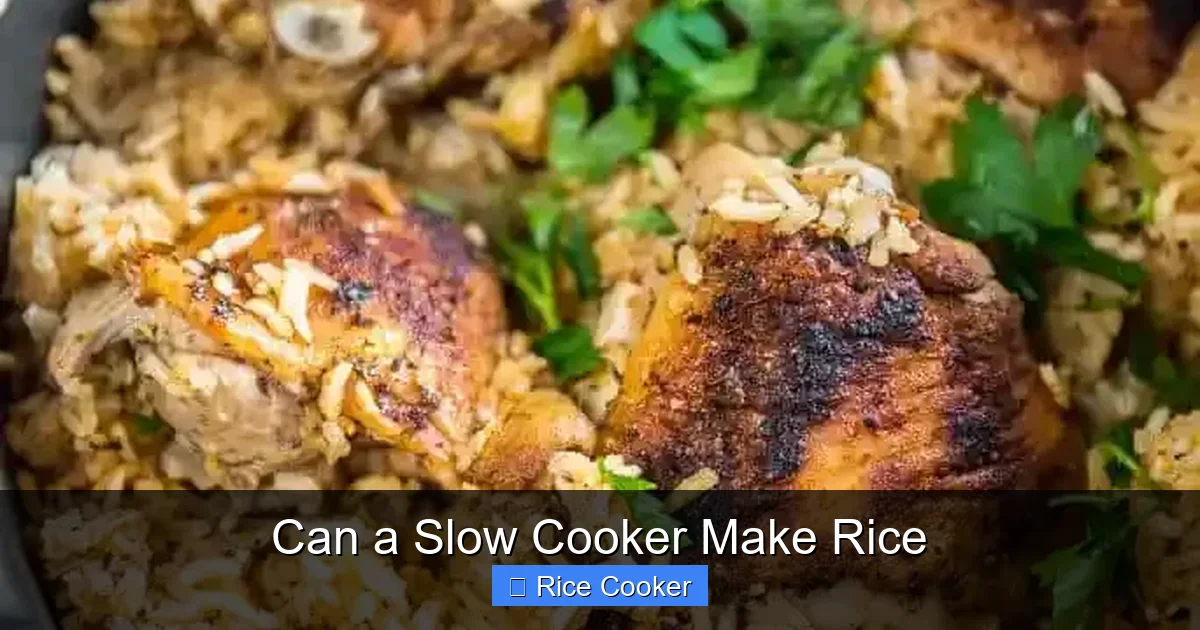
Can a slow cooker make rice? Absolutely! With the right water-to-rice ratio and low heat, your slow cooker can produce fluffy, perfectly cooked grains—no rice cooker needed. Whether you’re meal prepping or just want hands-off cooking, this method is simple and foolproof.
Key Takeaways
- Rice can be made in a slow cooker: It’s not just for stews and soups. A slow cooker works well for rice when used correctly.
- Use the right ratio: The standard is 1:1.5 (rice to water) for long-grain varieties like jasmine or basmati.
- Pre-soaking helps: Soaking rice for 30 minutes before cooking improves texture and reduces cooking time.
- Don’t lift the lid: Opening the slow cooker releases steam, which can affect doneness.
- Fluff and rest: Let rice sit for 5–10 minutes after cooking to finish steaming and achieve fluffiness.
- Best rice types: Long-grain white rice works best; avoid sticky or short-grain rice like sushi rice.
- Clean-up is easy: Use a non-stick insert or line it with parchment paper to prevent sticking.
📑 Table of Contents
- Introduction: Can Your Slow Cooker Really Make Rice?
- How Does a Slow Cooker Work for Rice?
- Step-by-Step Guide: Making Perfect Rice in a Slow Cooker
- Tips and Tricks for Better Results
- Troubleshooting Common Issues
- Variations and Creative Uses
- Slow Cooker vs. Rice Cooker: Which Is Better?
- Frequently Asked Questions
- Conclusion: Embrace the Power of Your Slow Cooker
Introduction: Can Your Slow Cooker Really Make Rice?
Have you ever stood at the counter, rice pot bubbling on the stove, wondering if there’s an easier way? Or maybe you’re in the middle of making chili and realize you forgot to prep the rice—yet again. Enter: the humble slow cooker. That appliance you love for tender pulled pork or creamy mac and cheese might just be your new go-to for fluffy, golden-brown rice too.
So, can a slow cooker make rice? The short answer? Yes—absolutely. But like any good recipe, success depends on technique. Unlike a rice cooker designed specifically for grains, a slow cooker cooks food over hours, using gentle, consistent heat. This method works best with certain types of rice and careful attention to water ratios and timing. No more burnt bottoms or mushy batches. Just tender, evenly cooked grains that absorb flavors beautifully.
In this article, we’ll walk through everything you need to know—from the science behind why it works, to step-by-step instructions, pro tips, and even troubleshooting common mistakes. Whether you’re cooking for one or feeding a family, you’ll learn how to turn your slow cooker into a rice-making powerhouse.
How Does a Slow Cooker Work for Rice?
Before diving into recipes, let’s talk about what makes slow cookers unique. Unlike stovetop cooking, where heat transfers quickly and you must monitor closely, slow cookers operate on low, steady temperatures—usually between 190°F and 205°F. This slow, moist environment allows starches in rice to gelatinize gradually, resulting in a soft but distinct grain structure.
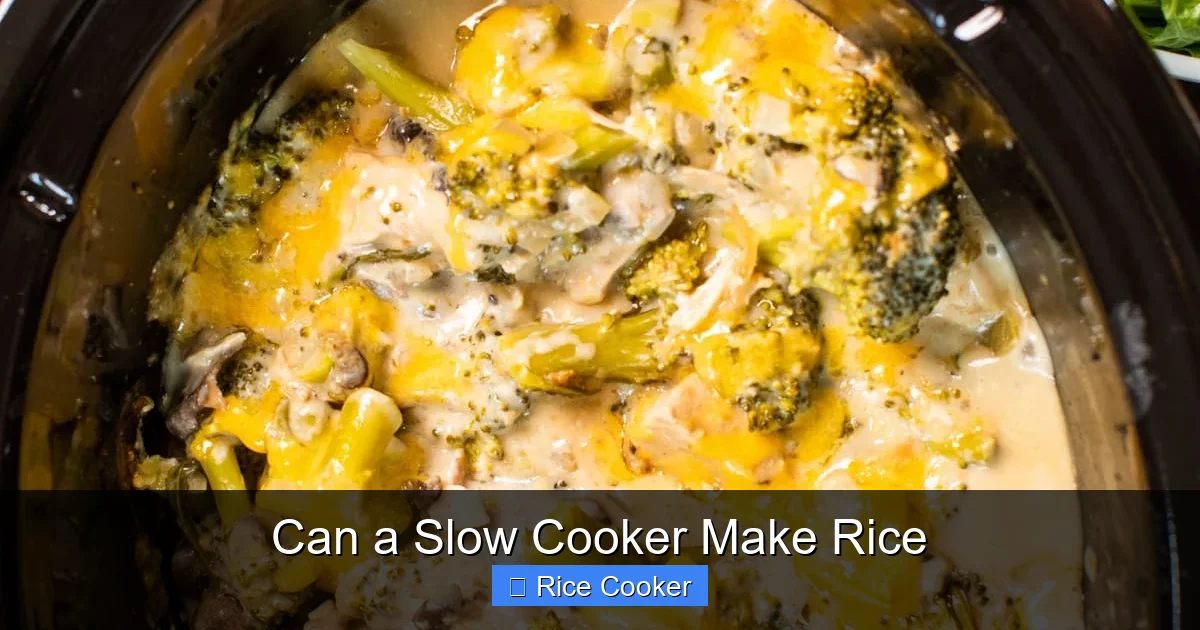
Visual guide about Can a Slow Cooker Make Rice
Image source: themagicalslowcooker.com
The Science Behind Slow-Cooked Rice
When rice absorbs water and heat, its starches swell and gel. On the stove, you see this happen rapidly under direct flame. In a slow cooker, the process unfolds over 2–4 hours. Because the heat is indirect and consistent, the rice cooks evenly from edge to center. Plus, the sealed lid traps moisture, preventing evaporation—so you don’t risk drying out your grains.
This method also helps preserve nutrients and keeps the rice from scorching, thanks to the non-reactive ceramic insert. However, because slow cookers don’t have precise temperature control like rice cookers, timing becomes critical. Undercooking leads to gritty rice; overcooking turns it mushy.
Why Not All Rice Is Created Equal
Not every variety shines in a slow cooker. Long-grain white rice—like Jasmine or Basmati—is ideal. These types have lower starch content and longer kernels, so they remain separate and fluffy instead of clumping together.
Avoid short-grain or glutinous rice (like sushi rice) unless you’re aiming for a sticky dish such as risotto or mochi. Even then, results vary widely depending on brand and age of the rice. For everyday meals, stick with long-grain whites.
Step-by-Step Guide: Making Perfect Rice in a Slow Cooker
Ready to try it yourself? Follow these simple steps for foolproof results every time.
Gather Your Ingredients and Tools
- 1 cup long-grain white rice (rinsed)
- 1.5 cups water (or broth for extra flavor)
- Slow cooker with non-stick insert
- Fine-mesh strainer (optional, for rinsing)
- Wooden spoon or spatula
Step 1: Rinse the Rice
Washing removes excess starch that can cause clumping. Place rice in a bowl, cover with cold water, swirl gently, and drain. Repeat 2–3 times until the water runs clear. This step is especially important if your rice feels slightly chalky.
Step 2: Combine Rice and Liquid
Add rinsed rice and water (or vegetable/chicken broth) to the slow cooker insert. Stir once to combine. If using salt or spices, add them now—they’ll infuse into the rice as it cooks.
Step 3: Cook on Low or High?
For most home slow cookers, cook on LOW for 2.5 to 3 hours. HIGH will work but may shorten time to 1.5–2 hours—be cautious not to overcook. Avoid setting it to WARM unless you’re serving immediately after cooking.
Step 4: Let It Rest
Once done, turn off the slow cooker and let the rice sit, covered, for 5–10 minutes. This final steaming stage ensures even texture and prevents sogginess.
Step 5: Fluff and Serve
Use a fork to gently fluff the rice. Add butter, herbs, or a squeeze of lime for brightness. Serve alongside grilled chicken, curry, or stir-fry.
Tips and Tricks for Better Results
Even experienced cooks make mistakes—but with these pro tips, you’ll avoid common pitfalls and elevate your slow-cooked rice game.
Soak Before You Cook
Letting rice soak for 30 minutes before cooking helps hydrate the grains fully. This reduces cooking time and yields softer, more uniform results. Just drain well before adding to the slow cooker.
Use the Right Water Ratio
The golden rule: 1 part rice to 1.5 parts liquid. Adjust slightly based on altitude or rice brand. At higher elevations, you may need a bit more water due to lower boiling points.
Line the Insert for Easy Cleanup
To prevent sticking, place parchment paper or a silicone baking mat inside the insert. This makes cleanup a breeze and protects the non-stick coating.
Avoid Peeking During Cooking
Every time you open the lid, heat escapes. Since slow cookers rely on steady steam buildup, frequent opening can throw off the internal environment. Set a timer and resist temptation!
Add Flavor Infusions
Instead of plain water, try:
- Vegetable broth for savory meals
- Coconut milk for Thai-inspired dishes
- Bay leaves or garlic cloves for aromatic base notes
These additions enhance taste without complicating the process.
Double or Triple the Batch
Slow cookers are perfect for meal prep. Cook a large batch on Sunday and refrigerate for up to 5 days. Reheat gently in a saucepan with a splash of water to restore fluffiness.
Troubleshooting Common Issues
What if your rice comes out too dry, too wet, or chewy? Don’t worry—these issues are fixable with simple adjustments.
Rice Is Too Dry or Crunchy
This usually means insufficient liquid or undercooked rice. Next time, increase water by ¼ cup and extend cooking time by 15–30 minutes. Test doneness early by tasting a few grains.
Rice Is Mushy or Sticky
Overcooked! Reduce cooking time by 15 minutes next batch. Also, ensure you’re using fresh rice—old rice holds water differently. Store rice in an airtight container away from light and humidity.
Rice Sticks to the Bottom
This happens when moisture evaporates too much. Always use the correct ratio, don’t lift the lid unnecessarily, and consider lining the insert with parchment paper.
Grains Are Unevenly Cooked
Stirring once mid-way through cooking can help distribute heat. Alternatively, use a wider slow cooker insert to allow better circulation around the edges.
Variations and Creative Uses
Once you master basic rice, experiment! The slow cooker adapts beautifully to flavored and textured versions.
Herbed Rice Pilaf
After cooking, fold in chopped parsley, diced onions, and toasted almonds. Season with thyme and lemon zest for a Mediterranean twist.
Red Rice (Spanish-Style)
Use 1 cup red rice, 2 cups broth, ½ tsp smoked paprika, and a pinch of saffron. Cook on low for 3 hours. Serve with chorizo or roasted vegetables.
Jasmine Rice with Coconut Milk
Replace water with equal parts coconut milk and water. Add a pandan leaf (available in Asian markets) for floral aroma. Great with curries.
Browned Rice Base
For gumbo or jambalaya, brown the rice in the slow cooker insert with oil before adding liquid. This adds depth and nuttiness.
Slow Cooker vs. Rice Cooker: Which Is Better?
You might wonder: should I invest in a rice cooker instead? Both appliances do the job, but they differ in design and performance.
Speed and Precision
Rice cookers typically cook rice in 20–40 minutes using rapid heating elements. They often include multiple settings (white/brown, quick, warm). Slow cookers take longer—usually 2.5–4 hours—but offer hands-off convenience for whole meals.
Texture Comparison
Slightly different textures emerge. Rice cookers yield lighter, fluffier grains due to faster gelatinization. Slow cookers produce creamier, more absorbent rice—ideal for pilafs or stuffing.
Energy Efficiency
Both use minimal electricity. Slow cookers consume less power than ovens or stoves but run longer. Rice cookers are efficient for single servings.
Cost and Versatility
A quality rice cooker costs $50–$150. A slow cooker ranges from $30–$100 but handles soups, roasts, and desserts too. If you already own a slow cooker, why buy another appliance?
Final Verdict
If you value speed and perfect consistency, go with a rice cooker. If you prefer versatile, multi-use kitchenware and don’t mind longer cooking times, your slow cooker is ready to shine.
Frequently Asked Questions
Can I use brown rice in a slow cooker?
Yes, but adjust ratios and time. Use 1 cup brown rice to 2 cups liquid and cook on LOW for 3–4 hours. Brown rice takes longer due to its bran layer. Rinse first to remove surface oils.
Do I need to add oil or butter?
Not required, but a teaspoon of oil or butter per cup of rice prevents sticking and adds richness. Optional for dietary preferences.
Can I cook rice overnight?
Absolutely. Set it on LOW before bedtime. Rice will be ready when you wake up. Just ensure you don’t exceed 8 hours to avoid mushiness.
Is it safe to leave rice in the slow cooker on WARM?
Only if you’re serving it immediately after cooking. Leaving cooked rice on WARM for more than 2 hours risks bacterial growth. Refrigerate leftovers within 1 hour.
What if I don’t have a non-stick insert?
Use parchment paper or a silicone liner to protect the stoneware. Alternatively, transfer rice to a greased baking dish and cover tightly with foil before placing in the slow cooker.
Can I cook rice directly in the crock without an insert?
Most modern slow cookers have removable inserts. If yours doesn’t, line the bottom with parchment and proceed carefully to avoid burning.
Conclusion: Embrace the Power of Your Slow Cooker
So, can a slow cooker make rice? The evidence—and your taste buds—say yes. With the right technique, patience, and a few smart tricks, your slow cooker transforms from a soup-and-chili machine into a full-fledged grain station. No more last-minute panic over forgotten side dishes. No more burnt pots or inconsistent results. Just perfectly cooked, aromatic rice that pairs beautifully with whatever you’re serving.
Whether you’re preparing for busy weekdays, hosting friends, or simply craving comfort food, slow-cooked rice delivers. It’s hands-off, energy-efficient, and surprisingly versatile. Try it once, and you’ll likely find yourself reaching for your slow cooker more often—not just for rice, but for everything else.
Remember: practice makes perfect. Your first batch might need tweaks, and that’s okay. Keep notes on ratios, times, and flavors. Soon, you’ll have your own signature method. And who knows? Maybe one day, you’ll impress guests by telling them you made everything—including the rice—in the same pot.
Now grab that slow cooker, rinse some rice, and get cooking. Your future self (and your dinner guests) will thank you.
Frequently Asked Questions
Can I use brown rice in a slow cooker?
Yes, but adjust ratios and time. Use 1 cup brown rice to 2 cups liquid and cook on LOW for 3–4 hours. Brown rice takes longer due to its bran layer. Rinse first to remove surface oils.
Do I need to add oil or butter?
Not required, but a teaspoon of oil or butter per cup of rice prevents sticking and adds richness. Optional for dietary preferences.
Can I cook rice overnight?
Absolutely. Set it on LOW before bedtime. Rice will be ready when you wake up. Just ensure you don’t exceed 8 hours to avoid mushiness.
Is it safe to leave rice in the slow cooker on WARM?
Only if you’re serving it immediately after cooking. Leaving cooked rice on WARM for more than 2 hours risks bacterial growth. Refrigerate leftovers within 1 hour.
What if I don’t have a non-stick insert?
Use parchment paper or a silicone liner to protect the stoneware. Alternatively, transfer rice to a greased baking dish and cover tightly with foil before placing in the slow cooker.
Can I cook rice directly in the crock without an insert?
Most modern slow cookers have removable inserts. If yours doesn’t, line the bottom with parchment and proceed carefully to avoid burning.