

Betta fish can eat small amounts of cooked rice occasionally, but it should not be a regular part of their diet. While rice provides some carbohydrates and energy, bettas are carnivorous and thrive on protein-rich foods like bloodworms and pellets. Always cook rice plain—no salt, oil, or seasoning—and offer only tiny portions to avoid digestive issues. Think of rice as an occasional treat, not a staple.
Key Takeaways
- Cooked rice is safe in moderation: Plain, unseasoned cooked rice can be given to bettas as an occasional treat without harm.
- Bettas are carnivores: Their primary nutritional needs come from animal-based proteins; rice alone doesn’t meet those requirements.
- Portion control matters: Offer only one or two grains at a time to prevent bloating or swim bladder problems.
- Avoid seasonings and additives: Never feed rice with salt, butter, spices, or oils—these can be toxic to bettas.
- Cook rice properly: Boil rice until soft and fully cooked, then cool before feeding to ensure easy digestion.
- Rice isn’t nutritionally complete: It lacks essential vitamins and minerals bettas need, so use it only as a supplement.
- Watch for digestive upset: If your betta shows signs of discomfort after eating rice, discontinue and consult a vet.
📑 Table of Contents
- Understanding Betta Fish Nutrition
- The Science Behind Rice and Betta Digestion
- Is Cooked Rice Safe for Betta Fish?
- Preparing Rice for Your Betta: Step-by-Step Guide
- Potential Risks of Feeding Rice to Betta Fish
- Best Practices for Feeding Betta Fish
- Final Thoughts: Should You Feed Rice to Your Betta?
Understanding Betta Fish Nutrition
Bettas are more than just colorful, graceful swimmers—they’re delicate creatures with specific dietary needs shaped by thousands of years of evolution. Native to warm, slow-moving waters in Southeast Asia, bettas have adapted to eat live prey like insects, insect larvae, and small crustaceans. This means their bodies are built to process high-protein meals, not plant matter or grains. While they may nibble on algae or plant flakes if offered, their digestive systems aren’t designed to thrive on carbohydrates.
That said, bettas are opportunistic feeders. In the wild, they might encounter fallen seeds or organic debris that includes small amounts of plant material. But even then, it’s not their main food source. When keeping bettas as pets, we must replicate their natural diet as closely as possible to support their health, longevity, and vibrant colors. So when someone asks, “Can betta fish eat cooked rice?” the answer isn’t a simple yes or no—it’s about balance, moderation, and understanding what their bodies truly need.
The Science Behind Rice and Betta Digestion
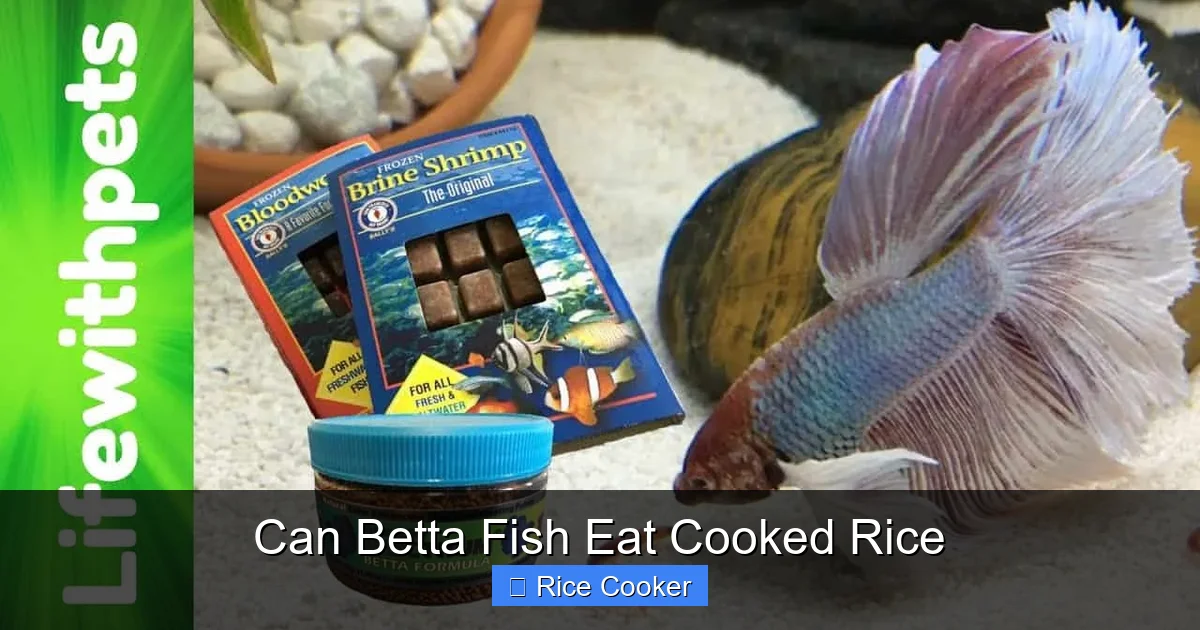
Visual guide about Can Betta Fish Eat Cooked Rice
Image source: petfood.guide
Cooked rice is essentially starch—a complex carbohydrate made of long chains of glucose molecules. For humans and many animals, this is a quick energy source. But bettas? Not so much. Their short digestive tracts and specialized enzymes are optimized for breaking down protein and fat, not processing large amounts of carbohydrates. Feeding too much rice can lead to bloating, constipation, or even swim bladder disease, which affects buoyancy and causes the fish to float or sink abnormally.
However, a small amount of well-cooked, plain rice isn’t inherently harmful. Think of it like giving your dog a piece of bread—it might enjoy it, but it’s not ideal for regular meals. The key is preparation and portion size. Raw or uncooked rice can expand in a betta’s stomach, causing blockages. That’s why it’s crucial to cook the rice thoroughly until soft and cool it completely before offering it.
How Bettas Process Food Differently
Unlike herbivores or omnivores, bettas lack certain digestive enzymes needed to efficiently break down plant starches. Their stomachs produce proteases (enzymes that digest proteins) in abundance, but amylases (starch-digesting enzymes) are present in much smaller quantities. This means while they *can* metabolize a little starch, doing so regularly stresses their system.
Additionally, bettas have a single-chambered stomach and rely heavily on gut motility—the movement of food through their digestive tract. When fed low-fiber, high-carb foods like rice, this motility slows down. The result? Undigested particles sit in the gut longer, creating an environment where harmful bacteria can multiply, leading to infections or foul-smelling feces.
Is Cooked Rice Safe for Betta Fish?
Yes—but with major caveats. Plain, cooked white or brown rice is not toxic to bettas, and a tiny bit won’t hurt them. However, it should never replace their primary diet of high-quality betta pellets, freeze-dried bloodworms, daphnia, or brine shrimp. Rice lacks essential amino acids, fatty acids, vitamins (especially B12), and minerals like iron and calcium that bettas require daily.
If you choose to give rice, here’s how to do it safely:
– Use plain rice: No salt, sugar, garlic, onions, or any other seasonings.
– Cook thoroughly: Boil until very soft—like porridge consistency.
– Cool completely: Hot food can scald delicate fish tissues.
– Offer sparingly: One or two grains per feeding, once or twice a month max.
– Remove uneaten pieces: After 5–10 minutes, take out any remaining rice to prevent water pollution.
Think of rice as a novelty snack, not a nutrient powerhouse. It’s okay to share a bite during training or bonding moments, but don’t make it routine.
Common Misconceptions About Rice Feeding
Many beginners assume that because rice is a common human food and appears in some fish diets (like in goldfish mixes), it’s safe for all aquarium fish. But bettas are not goldfish! Goldfish are omnivores and actually benefit from some plant matter in their diet. Bettas, however, are obligate carnivores—meaning their survival depends on meat.
Another myth is that “natural” or “organic” rice is better. While organic rice avoids pesticides, it still doesn’t add nutritional value for bettas. And brown rice, though healthier for humans due to its fiber content, is even harder for bettas to digest because of its outer bran layer. Stick to plain white rice for simplicity and safety.
Preparing Rice for Your Betta: Step-by-Step Guide
If you decide to treat your betta to a bit of rice, proper preparation is essential. Here’s a foolproof method:
Step 1: Choose the Right Rice
Opt for plain white rice—avoid instant, seasoned, or flavored varieties. Brown rice is less ideal due to its fibrous husk, which can be difficult for bettas to break down.
Step 2: Rinse Before Cooking
Rinse 1–2 tablespoons of rice under cold water to remove excess starch. This helps prevent clumping and makes the rice softer.
Step 3: Boil Thoroughly
Bring water to a boil, add rinsed rice, reduce heat, and simmer for 15–20 minutes. The goal is completely soft, mushy rice—like baby cereal.
Step 4: Cool Completely
Let the rice cool to room temperature (or slightly below). Never feed hot rice—it can damage your betta’s mouth or esophagus.
Step 4: Portion Correctly
Use tweezers or your fingers to place just 1–2 grains into the tank. Larger pieces can cause choking or impaction.
Step 5: Monitor and Remove
Wait 5–10 minutes. If your betta ignores it or hasn’t eaten it, remove the leftover rice with a net to avoid fouling the water.
Alternative Treatments You Can Offer
While rice is acceptable occasionally, there are far better treats that align with your betta’s natural diet:
– Freeze-dried bloodworms: High in protein and highly appealing.
– Brine shrimp: A classic live or frozen treat rich in nutrients.
– Daphnia: Tiny freshwater crustaceans that boost coloration.
– Mosquito larvae (blackworms): Excellent for growth and appetite stimulation.
– Vegetable matter (optional): Blanched zucchini or cucumber slices can be offered weekly as a fiber supplement.
These options provide the protein, fats, and micronutrients your betta needs to stay active, colorful, and healthy.
Potential Risks of Feeding Rice to Betta Fish
Even with careful preparation, rice carries risks if mishandled. The most common issue is impaction or bloating. Uncooked rice expands significantly when it absorbs moisture in the stomach, potentially blocking the digestive tract. Even cooked rice, if overfed or left uneaten, can contribute to poor water quality as it decomposes.
Another concern is nutritional imbalance. Relying on rice as a treat too frequently can displace more beneficial foods in your betta’s diet. Over time, this may lead to deficiencies in taurine, vitamin A, or essential fatty acids—all critical for eye health, immune function, and scale development.
Lastly, some bettas simply lose interest in rice after tasting it once. Since bettas often prefer moving prey, static food like rice may not engage their hunting instincts, making it a less effective enrichment tool compared to live or frozen alternatives.
Signs Your Betta May Have Eaten Too Much Rice
Keep an eye on your betta after introducing rice. Watch for these warning signs:
– Lethargy or reduced activity: A normally energetic fish becoming sluggish may indicate digestive strain.
– Distended abdomen: Swollen belly suggests bloating or gas buildup.
– Floating or sinking abnormally: This points to swim bladder issues, possibly caused by undigested food.
– Foul-smelling feces: Changes in stool odor can signal bacterial overgrowth due to poor digestion.
– Lack of appetite: If your betta stops eating altogether after rice, it may be struggling with indigestion.
If you notice any of these symptoms, stop feeding rice immediately and consider fasting your betta for 24–48 hours. Resume feeding only bland, easily digestible foods like boiled chicken or specialized regurgitation-safe options if recommended by a vet.
Best Practices for Feeding Betta Fish
To keep your betta happy and healthy, follow these feeding guidelines:
Feed once or twice daily: Bettas have small stomachs—only what fits in their head at one time. Overfeeding is a common mistake that leads to obesity and water pollution.
Use high-quality pellets: Look for brands with real fish meal as the first ingredient and minimal fillers like corn or wheat.
Rotate treats: Vary protein sources weekly to ensure balanced nutrition. Rotate between bloodworms, brine shrimp, and daphnia.
Maintain clean water: Uneaten food decays quickly, releasing ammonia. Always remove leftovers within 5–10 minutes.
Observe behavior: Healthy bettas are curious, responsive, and maintain consistent color. Any sudden changes warrant attention.
Consult a vet if unsure:: Avian and aquatic veterinarians can provide tailored advice for unusual symptoms or dietary questions.
Remember, variety is key—but so is consistency. Stick to a routine that prioritizes protein, avoids unnecessary carbs, and respects your betta’s evolutionary biology.
Final Thoughts: Should You Feed Rice to Your Betta?
So, can betta fish eat cooked rice? Absolutely—but only as a rare, tiny treat. It’s not dangerous in small doses, but it’s far from ideal. Your betta’s body is built for meat, not grains. Prioritize foods that match their carnivorous nature, and reserve rice for special occasions or when you’re trying to encourage picky eaters (though even then, better options exist).
The bottom line? Don’t stress about feeding rice. Focus on providing a balanced, protein-rich diet using reputable pellets and nutritious live or frozen foods. With proper care, your betta will reward you with stunning colors, playful antics, and years of companionship.
And who knows? Maybe someday your betta will gently tap on the glass when they see you preparing that bowl of rice—just to say “maybe next time.”
Frequently Asked Questions
Can betta fish eat raw rice?
No, raw rice should never be fed to betta fish. It can expand inside their stomach, causing blockages or impaction. Always cook rice thoroughly until soft before offering it.
How often can I feed my betta cooked rice?
Limit rice to once every few weeks, and offer only one or two grains at a time. It should never become a regular part of their diet.
What happens if a betta eats too much rice?
Overfeeding rice can cause bloating, constipation, or swim bladder disease due to poor digestion. Signs include lethargy, floating/sinking issues, or a distended belly.
Is brown rice safer than white rice for bettas?
Brown rice is not recommended because its outer bran layer is hard for bettas to digest. White rice, cooked until very soft, is easier on their system.
Can I mix rice with betta food pellets?
It’s best not to mix rice with commercial pellets. Pellets are formulated for optimal nutrition, and adding rice dilutes their effectiveness.
Will bettas eat rice if I drop it in the tank?
Some bettas may nibble on rice, especially if they’re hungry or curious. But many prefer moving food like bloodworms or live daphnia.