

Birds can technically eat small amounts of plain cooked rice, but cooked rice with salt is unsafe due to the sodium content. Salt can dehydrate birds and harm their kidneys, especially in species sensitive to high salt intake. Always offer rice without seasonings and in moderation to support your pet bird’s long-term health.
Key Takeaways
- Salt is toxic to birds: Even small amounts can cause dehydration, kidney damage, and neurological issues in avian species.
- Plain rice is safer: Unseasoned, cooked white or brown rice can be offered occasionally as a treat, but only if cooled and unflavored.
- Cooking method matters: Boiled rice without oil, butter, or broth is the safest option—avoid fried or sautéed rice.
- Portion control is key: Treats like rice should make up no more than 10% of a bird’s diet to avoid nutritional imbalance.
- Watch for symptoms of salt poisoning: Lethargy, vomiting, drooling, or difficulty breathing may indicate overexposure—seek vet help immediately.
- Offer alternatives: Fresh fruits, vegetables, and whole grains are better, healthier options for your bird’s diet.
- Know your bird’s needs: Different species have varying tolerances; always research your specific bird’s dietary requirements.
📑 Table of Contents
Can Birds Eat Cooked Rice with Salt?
You’re probably wondering whether that leftover bowl of rice from dinner is safe to share with your feathered companion. After all, rice is a staple in many kitchens, and birds seem curious about human food. But when it comes to cooked rice with salt, the answer isn’t simple. While plain rice can be an occasional treat, adding salt changes everything. Let’s break down what really happens when birds consume salty rice and why it matters for their health.
Birds have delicate physiological systems that aren’t built to handle the same diets we enjoy. What seems harmless to us—like a pinch of salt on rice—can be dangerous or even life-threatening to them. Their bodies process nutrients differently, and their kidneys are particularly sensitive to excess sodium. So, before you toss a bite of your meal to your parrot or finch, consider whether it’s truly safe.
This article will guide you through the facts, risks, and safe alternatives so you can make informed decisions about feeding your bird. Whether you’re a new owner or a seasoned aviculturist, understanding your bird’s dietary limits helps ensure they live long, happy lives.
The Risks of Salt for Birds
Sodium chloride, commonly known as table salt, is essential for humans in small amounts—but not for birds. In fact, most wild and domestic birds have evolved to get their sodium from natural sources like insects, seeds, and minerals found in soil or water. When they consume processed foods, especially those with added salt, their bodies struggle to cope.
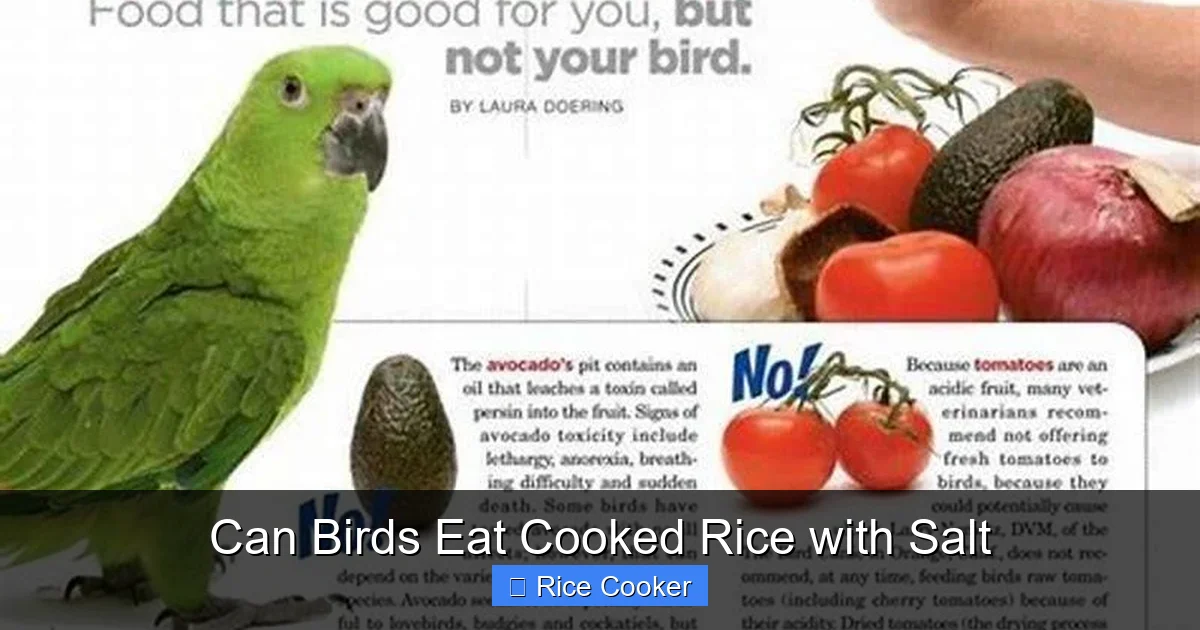
Visual guide about Can Birds Eat Cooked Rice with Salt
Image source: diyseattle.com
Why Salt Is Harmful
Birds lack the ability to efficiently excrete excess sodium. Unlike mammals, they don’t have sweat glands and rely heavily on their kidneys and cloaca to regulate fluids. High salt intake forces these organs to work overtime, which can lead to dehydration, kidney failure, and even death in severe cases.
For example, a single teaspoon of table salt contains about 2,300 milligrams of sodium. For a small bird like a budgie weighing just 40 grams, this amount could be lethal. That’s far less than the average serving of salted rice someone might eat!
Common Symptoms of Salt Poisoning
If your bird has consumed too much salt, watch for these warning signs:
- Lethargy or weakness
- Drooling or difficulty swallowing
- Fluffed-up feathers (a sign of illness)
- Diarrhea or vomiting
- Poor balance or seizures
These symptoms usually appear within hours of ingestion. If you suspect exposure, remove any contaminated food immediately and contact an avian veterinarian right away. Early intervention can save your bird’s life.
Is Plain Cooked Rice Safe for Birds?
Now that we’ve established why salt is dangerous, let’s talk about plain rice—specifically, cooked rice without salt, oil, or seasonings. Yes, birds can safely eat small portions of plain white or brown rice, but only under certain conditions.
Types of Rice That Are OK
Both white and brown rice can be fed to birds, though brown rice is slightly better due to its higher fiber and nutrient content. However, remember that rice should never be a main part of their diet. It lacks essential proteins, vitamins, and fats that birds need daily.
Here’s how to prepare it safely:
- Boil rice in plain water—no salt, butter, or broth.
- Avoid instant or pre-seasoned rice mixes.
- Cook until soft, then cool completely before offering.
- Offer only once every few weeks as a treat.
How Much Rice Is Too Much?
A good rule of thumb is the “10% treat rule.” This means treats—including rice—should never exceed 10% of your bird’s total diet. For instance, if your bird eats 100 grams of pellets per day, no more than 10 grams should come from non-essential foods like rice.
Also, monitor your bird’s behavior after feeding rice. Some birds may experience mild digestive upset if introduced to new foods too quickly. Gradual introduction helps prevent issues.
What About Other Seasonings?
Salt isn’t the only concern when it comes to human food. Many common seasonings used in cooking—garlic, onion, herbs, spices, and oils—are also harmful to birds. These substances can cause anemia, liver damage, or gastrointestinal distress.
Unsafe Additives in Rice
Even seemingly innocent ingredients can be risky:
- Garlic and onion: Contain compounds that destroy red blood cells.
- Butter or oil: Adds unnecessary fat and can lead to obesity.
- Broth or stock: Often high in salt and artificial flavors.
- Spices like cumin, paprika, or chili powder: Can irritate a bird’s digestive tract.
When in doubt, stick to plain, unseasoned grains. Your bird will thank you!
Safe Feeding Practices
If you still want to share rice with your bird, follow these guidelines to keep them healthy:
Step-by-Step Guide to Serving Rice
- Prepare plain rice: Boil white or brown rice in water for 15–20 minutes. Do not add salt, butter, or spices.
- Cool completely: Serve at room temperature to avoid burns.
- Cut into small pieces: Especially important for smaller birds like finches or canaries.
- Offer sparingly: One teaspoon-sized portion per week is plenty.
- Remove uneaten portions: Prevent spoilage and mold growth.
Best Times to Offer Rice
Rice works well as an occasional reward during training or as a change of pace from pellets. Avoid feeding it right before or after meals when your bird may feel full.
Also, consider your bird’s overall diet. If they’re already getting a balanced commercial mix, there’s little need for extra carbs. Focus instead on fresh produce like leafy greens, carrots, or apples.
Alternatives to Salted Rice
Instead of risking your bird’s health with salty leftovers, try these nutritious alternatives:
Healthy Bird-Friendly Foods
- Fresh fruits: Apples (without seeds), berries, melon, and banana slices.
- Vegetables: Broccoli, zucchini, sweet potato, and bell peppers.
- Whole grains: Cooked quinoa, oats, or millet—plain and unsalted.
- Nuts and seeds: Sunflower seeds, pumpkin seeds, or almonds (in moderation).
These options provide vitamins, minerals, and fiber without the risks of processed ingredients.
Meal Ideas for Your Bird
Try mixing small amounts of plain cooked grains with chopped veggies or fruit for a balanced snack. For example:
- ½ teaspoon cooked brown rice + 1 tsp diced carrot + 1 piece apple slice
- 1 tbsp cooked quinoa + ½ tsp chopped broccoli
Always introduce new foods slowly and observe for any adverse reactions.
Special Considerations for Different Bird Species
Not all birds have the same dietary needs. Some species are more sensitive to certain foods than others.
Parrots vs. Finches
Large parrots like cockatiels or macaws can handle slightly larger portions of safe grains, but still avoid salt. Smaller finches, however, are more fragile—even tiny amounts of salt can be harmful. Stick to seed-based diets for finches unless advised otherwise by a vet.
Psittacines and Seed-Eaters
Many popular pets—parakeets, conures, lovebirds—are classified as psittacines. They benefit from a varied diet including pellets, fresh produce, and occasional grains. Never assume a food is safe just because another bird tolerated it.
Veterinary Advice
When in doubt, consult an avian specialist. They can assess your bird’s age, weight, and health status to recommend appropriate foods. Remember, what works for one bird may not work for another.
Conclusion: Keep It Simple and Safe
In short, birds should never eat cooked rice with salt. The added sodium poses serious health risks and can lead to dehydration, organ damage, or worse. While plain rice is acceptable in very limited quantities, it’s far better to focus on species-appropriate, nutrient-rich foods.
Your bird relies on you to provide safe, balanced nutrition. By avoiding processed human foods and sticking to proven dietary guidelines, you’re giving them the best chance at a long, vibrant life. If you do choose to share rice, make sure it’s plain, cooked, and given only as a rare treat.
Remember: a healthy bird is a happy bird. And a happy bird sings louder, plays more, and bonds stronger with their human companions. So skip the salt—and give your feathered friend something truly nourishing to enjoy.
Frequently Asked Questions
Can baby birds eat salted rice?
No, baby birds are even more vulnerable to salt toxicity than adults. Their developing kidneys cannot handle excess sodium, making salted rice extremely dangerous. Always provide only plain, unseasoned foods designed for young birds.
How much plain rice can I feed my bird?
Limit plain rice to no more than 10% of your bird’s total diet. For most small birds, this means a teaspoon-sized portion once every one to two weeks. Overfeeding can lead to obesity and nutritional deficiencies.
What should I do if my bird ate salted rice?
Act quickly. Remove any remaining food, offer fresh water, and contact an avian veterinarian immediately. Symptoms of salt poisoning can progress rapidly, so early treatment is critical for survival.
Is brown rice better than white rice for birds?
Brown rice contains more fiber, vitamins, and minerals than white rice, making it a slightly better choice. However, both should be offered only as occasional treats and must always be plain and unsalted.
Can I cook rice in broth for my bird?
No, broth often contains salt, onions, garlic, and other harmful additives. Even low-sodium versions are not suitable for birds. Stick to boiling rice in plain water to ensure safety.
Are there any benefits to feeding rice to birds?
Plain rice provides carbohydrates and some energy, but it lacks essential amino acids and fatty acids that birds need. Therefore, it offers minimal nutritional value and should not replace their regular diet.