
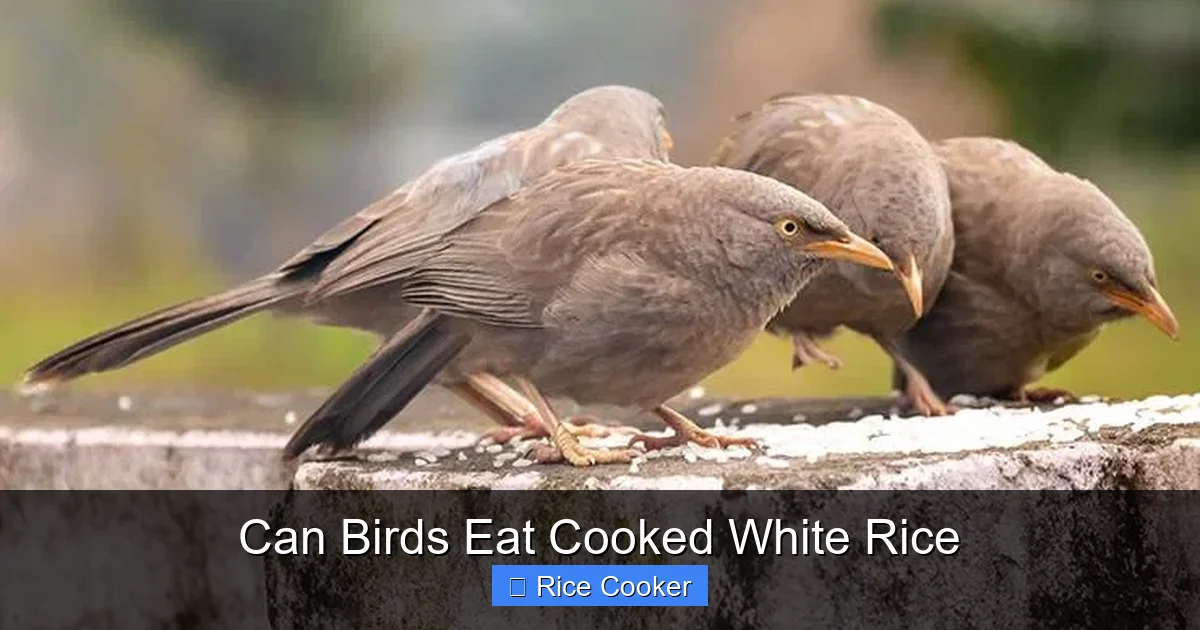
Can birds eat cooked white rice? Absolutely! Cooked white rice is safe for most bird species and makes a great occasional treat or emergency food source. It’s rich in carbohydrates, easy to digest, and helps keep birds energized. However, moderation is key—too much rice lacks essential nutrients and can lead to imbalances. Always offer it plain, without salt, butter, or seasonings. With the right approach, cooked white rice can be a helpful part of your bird’s diet.
Have you ever wondered whether that leftover bowl of plain white rice from dinner could go toward your feathered friend’s next snack? If you’re a bird owner—whether you have a talkative parrot, a chirpy canary, or a curious finch—you’ve probably asked yourself this question more than once. After all, birds are naturally omnivorous in the wild, meaning they enjoy both plant matter and small insects. So when it comes to human foods, especially simple staples like rice, curiosity runs high.
Cooked white rice is one of those kitchen leftovers that often ends up in the compost—but what if we told you it might actually make a healthy, safe treat for your bird? Yes, you read that right: cooked white rice can be a surprisingly good option for many bird species. But before you start tossing every leftover grain into the cage, let’s dive deep into everything you need to know about feeding cooked white rice to birds.
From understanding its nutritional profile to learning how to serve it safely, we’ll cover all the bases so you can feel confident making informed choices. Whether your bird has a sensitive stomach, you’re dealing with an unexpected situation, or you just want to add some variety to their diet, this guide will give you practical, science-backed answers.
So grab a cup of coffee (or maybe a seed cracker), sit back, and let’s explore whether cooked white rice belongs in your bird’s menu.
Key Takeaways
- Safety First: Cooked white rice is non-toxic and safe for most common pet birds like parrots, cockatiels, and finches when served plain.
- Nutritional Value: Rice provides carbohydrates for energy, small amounts of fiber, and trace minerals, though it lacks many essential vitamins and proteins found in seed mixes.
- Digestibility Matters: Well-cooked rice is soft and easy for birds to digest, making it ideal during illness or molting when they need gentle foods.
- Avoid Additives: Never feed birds seasoned, fried, or buttered rice—salt, oils, and spices can harm their sensitive digestive systems.
- Use as Occasional Treat: While beneficial, rice should not replace a balanced diet. Offer it 1–2 times per week max.
- Proper Serving Tips: Cool rice before offering, remove uneaten portions quickly, and consider mixing with other safe grains for variety.
- Emergency Food Source: In survival situations, clean, uncooked rice can provide short-term sustenance, but always cook it first if possible.
📑 Table of Contents
- The Science Behind Bird Nutrition
- Is Cooked White Rice Safe for All Birds?
- What Makes Rice Good (and Sometimes Bad) for Birds?
- How to Properly Serve Cooked White Rice to Your Bird
- When Rice Becomes More Than Just a Treat
- Alternatives and Complements to Rice
- Common Myths About Feeding Birds Rice
- Final Thoughts: Rice as Part of a Happy, Healthy Bird Life
The Science Behind Bird Nutrition
Before we get into the nitty-gritty of rice, it’s important to understand what birds actually need to stay healthy. Unlike humans, birds have highly specialized diets depending on their species, habitat, and natural behaviors. For example, seed-eating birds like canaries thrive on high-fat seeds, while nectar-loving hummingbirds require constant sugar intake. Even within the same family, dietary needs can vary wildly.
Most pet birds—especially tropical species like parrots and cockatoos—are omnivores by nature. This means they evolved to eat fruits, vegetables, grains, seeds, and sometimes small invertebrates. Their digestive systems are designed to break down complex carbohydrates efficiently, which is where grains like rice come into play.
Rice, particularly white rice, is almost entirely composed of starch—a type of carbohydrate that breaks down easily into glucose. Glucose is the primary fuel source for birds, powering everything from flight to brain function. That’s why energy-dense foods are crucial during breeding seasons or periods of high activity.
However, while carbohydrates are vital, they aren’t enough on their own. Birds also need protein (for feather growth and muscle repair), healthy fats (for insulation and hormone production), vitamins (like A, D, E, and B-complex), and minerals (such as calcium and iron). These nutrients are typically found in a well-rounded commercial pellet diet or a mix of fresh produce.
This brings us to an important point: cooked white rice alone cannot sustain a bird long-term. It lacks sufficient protein and certain vitamins. But as a supplemental food or emergency backup, it’s perfectly safe and even beneficial when used responsibly.
Is Cooked White Rice Safe for All Birds?
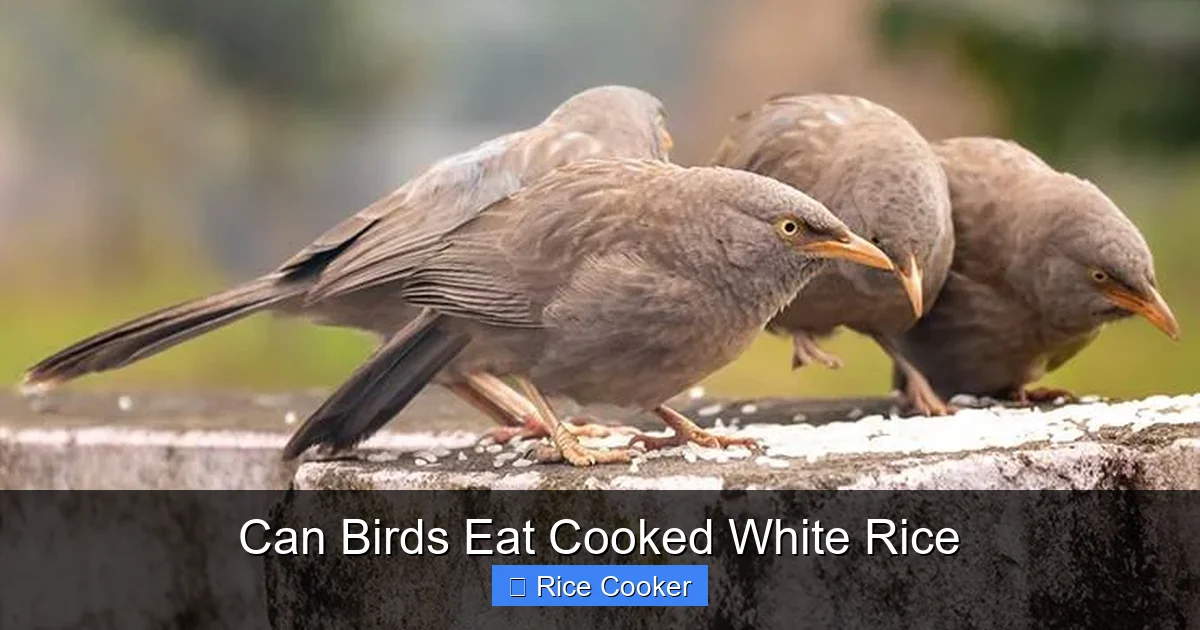
Visual guide about Can Birds Eat Cooked White Rice
Image source: birdbonica.com
Not all birds are created equal when it comes to diet, and rice is no exception. Generally speaking, **cooked white rice is safe for most common pet birds**, including budgies, cockatiels, lovebirds, finches, and even larger parrots like macaws or cockatoos. These species can handle small amounts of plain cooked rice without issue.
However, there are a few exceptions and considerations to keep in mind:
– **Seed-only diets**: Birds fed exclusively on sunflower seeds or millet may lack the gut flora needed to process new foods like rice. Introducing rice too quickly can cause digestive upset.
– **Young or elderly birds**: Juvenile birds still developing their digestive systems, or older birds with slower metabolisms, may struggle with sudden changes in food texture or composition.
– **Health conditions**: Birds recovering from illness, surgery, or stress may benefit from soft, easily digestible foods like rice—but only under veterinary guidance.
If you’re unsure whether your specific bird can tolerate rice, consult an avian veterinarian first. They can assess your bird’s overall health and recommend appropriate dietary adjustments.
Also, avoid feeding rice to waterfowl like ducks or geese unless they’re in a controlled environment. Wild birds have different nutritional requirements and may not respond well to domestically prepared meals.
In short: yes, cooked white rice is safe for most pet birds—but always introduce it gradually and monitor for any adverse reactions.
What Makes Rice Good (and Sometimes Bad) for Birds?
At first glance, rice seems like a bland, unremarkable food. But when you look closer, it actually offers several advantages—and a few potential downsides—for our avian companions.
The Benefits of Cooked White Rice
- Easy Digestion: Once fully cooked, white rice becomes soft and mushy, making it ideal for birds with sensitive crops or those healing from injury.
- Quick Energy Source: The high carbohydrate content gives birds an immediate boost of energy—perfect for fledglings, molting adults, or birds under stress.
- Hydration Helper: When mixed with water or broth (unsalted!), rice can help rehydrate dehydrated birds, especially after travel or illness.
- Calming Effect: Some bird owners report that offering warm rice porridge calms anxious birds, possibly due to its soothing texture and familiarity to wild foraging behaviors.
Potential Drawbacks
- Limited Nutrient Profile: While rice contains some B vitamins and trace minerals, it’s notably low in protein, fat, vitamin A, and calcium—all essential for optimal health.
- Risk of Overfeeding: Regularly replacing nutrient-rich foods with rice can lead to malnutrition over time.
- Choking Hazard (Uncooked): Raw or partially cooked rice expands when exposed to moisture, posing a choking risk if swallowed whole.
The key takeaway? Rice isn’t a substitute for a balanced diet—it’s a supplement. Think of it like giving your bird a multivitamin once in a while, not replacing their main meal.
How to Properly Serve Cooked White Rice to Your Bird
Now that we’ve established rice is safe and beneficial in moderation, how do you serve it correctly? Follow these best practices to ensure your bird gets the most out of this treat without any risks.
Choose Plain, Unseasoned Rice Only
Never feed your bird rice that’s been cooked with salt, garlic, onion, herbs, or sauces. These ingredients are toxic to birds and can cause serious health problems, including kidney damage or neurological issues. Stick to plain boiled rice with absolutely nothing added.
If you’re cooking rice yourself, use minimal water and avoid oil or butter. You can lightly steam it until tender—just don’t overcook it into a gluey paste.
Cool It Down Before Offering
Hot food can burn a bird’s crop (the pouch near the throat where food is stored temporarily). Always let rice cool completely before placing it in the cage or dish. A quick tip: test the temperature by dipping your finger in—if it’s too hot for you, it’s too hot for your bird.
Portion Control Is Essential
A good rule of thumb is no more than 1–2 tablespoons of cooked rice per day for small birds (like finches or canaries), and up to 1/4 cup for medium to large parrots. Remember, this should complement—not replace—their regular diet.
For multi-bird households, serve rice separately so each bird gets its fair share. Uneaten portions should be removed within 30 minutes to prevent spoilage.
Mix It Up for Better Nutrition
To boost the nutritional value, try mixing a small amount of rice with other bird-safe foods:
– Diced mashed sweet potato
– Steamed broccoli florets
– Chopped apples (without seeds)
– A pinch of crushed eggshell (for calcium)
This creates a balanced “porridge” that mimics natural foraging experiences.
Store Leftovers Safely
Any unused rice should be refrigerated immediately in an airtight container and used within 24 hours. Reheat gently before serving if needed, but never microwave with metal containers or leave at room temperature for extended periods.
When Rice Becomes More Than Just a Treat
While occasional servings of plain white rice are fine, there are special situations where rice plays a critical role in a bird’s care.
Post-Surgery or Illness Recovery
Birds recovering from anesthesia, infection, or injury often lose their appetite and struggle to eat solid foods. Soft, easy-to-swallow options like mashed rice mixed with electrolyte solutions or mashed banana can help maintain hydration and energy levels during recovery. Always follow your vet’s instructions closely.
Molting Season Support
During molting—when birds shed and regrow feathers—they need extra protein and calories. While rice alone won’t meet these needs, blending it with scrambled egg (well-cooked), cottage cheese, or pureed legumes can create a nutrient-packed mash that supports healthy feather development.
Emergency Food Source
In rare cases—like natural disasters or unexpected travel—clean, uncooked white rice can serve as a temporary food supply. Birds can nibble on it dry for short periods, but it must be cooked before prolonged consumption to avoid digestive blockages. Again, this is only a stopgap measure; seek professional help as soon as possible.
Training and Bonding Tool
Some bird trainers use rice-based treats to encourage positive behaviors. For instance, offering a tiny bit of cooled rice on your finger can build trust during handling sessions. Just ensure the rice isn’t contaminated with oils or seasonings from human hands.
Alternatives and Complements to Rice
While cooked white rice is versatile and safe, it shouldn’t dominate your bird’s diet. Here are some healthier, more nutritionally complete alternatives and ways to pair rice with other foods:
- Cooked quinoa: Higher in protein and fiber than rice, plus it contains all nine essential amino acids.
- Steamed oats: Great for sustained energy and digestion; add a splash of almond milk (unsweetened) for extra richness.
- Mashed lentils or chickpeas: Excellent plant-based protein sources that work well mixed with rice.
- Birdseed blends: Look for organic, pesticide-free mixes with millet, wheat, and buckwheat—these mimic natural foraging diets.
- Fresh fruits and veggies: Carrots, peas, berries, and leafy greens provide vitamins and antioxidants that rice lacks.
You can even create DIY “bird porridge” by combining cooked rice with mashed pumpkin, grated zucchini, and a sprinkle of ground flaxseed. This homemade blend offers better nutrition than store-bought options and lets you control exactly what goes into your bird’s meals.
Always introduce new foods slowly and watch for signs of allergies or discomfort, such as loose droppings, lethargy, or refusal to eat.
Common Myths About Feeding Birds Rice
Despite its popularity, several myths surround feeding rice to birds. Let’s clear them up once and for all:
- Myth: Rice causes bloating or gas.
Truth: Plain, well-cooked rice doesn’t produce gas in birds. Any digestive discomfort usually stems from improper preparation or overfeeding. - Myth: All types of rice are equally safe.
Truth: Brown rice is richer in fiber and nutrients but harder to digest for some birds. White rice is gentler on the system, making it preferable for beginners or sensitive eaters. - Myth: Birds love rice because it tastes sweet.
Truth: Rice is mostly starch—it doesn’t taste sweet to birds. Their preference likely comes from its soft texture and similarity to natural seeds or grains they forage. - Myth: You can feed leftover restaurant rice.
Truth: Restaurant meals often contain garlic, onions, MSG, or oils harmful to birds. Always stick to home-prepared, plain rice.
Understanding these facts helps dispel fear and promotes responsible feeding habits.
Final Thoughts: Rice as Part of a Happy, Healthy Bird Life
So, can birds eat cooked white rice? The answer is a resounding yes—with caveats. When offered plain, cooled, and in moderation, cooked white rice can be a safe, energizing, and even comforting food for many birds. It shines during recovery periods, acts as a useful training aid, and provides a familiar grain base that satisfies natural foraging instincts.
But remember: variety is the spice of life—even for birds. Relying solely on rice risks nutritional gaps that could affect your bird’s coat, immune system, or longevity. Instead, use rice as a complement to a diverse diet rich in pellets, fresh produce, proteins, and safe treats.
Whether you’re dealing with a picky eater, preparing for a stressful event, or simply looking to spoil your feathered companion, cooked white rice has a place in your toolkit. Just keep it simple, safe, and smart.
And who knows? Maybe one day your parrot will chirp excitedly when they see you reach for the rice pot—because after all, a happy bird starts with a happy meal.
Frequently Asked Questions
Can wild birds eat cooked white rice?
Yes, but only in moderation and without additives. Wild birds may scavenge plain cooked rice in urban areas, but it shouldn’t replace their natural diet of seeds, insects, and plants.
How much cooked white rice can I feed my parrot daily?
Limit it to about 1–2 tablespoons per day for small to medium parrots, and no more than 1/4 cup for large parrots. Always ensure it’s part of a balanced diet.
Is brown rice better than white rice for birds?
Brown rice has more fiber and nutrients, but it’s harder to digest for some birds. White rice is gentler and easier to process, making it safer for most pets.
Can baby birds eat rice?
Only after they’ve started eating solid foods, typically around 3–4 weeks old. Start with very small, cooled portions and monitor closely for digestive issues.
Should I rinse rice before cooking for my bird?
No, rinsing removes surface starch that helps with texture and prevents clumping. Cook rice normally and serve plain.
Can I mix rice with bird-safe vegetables?
Absolutely! Combine cooked rice with steamed carrots, peas, or sweet potatoes to create a nutritious, varied meal that supports overall health.