
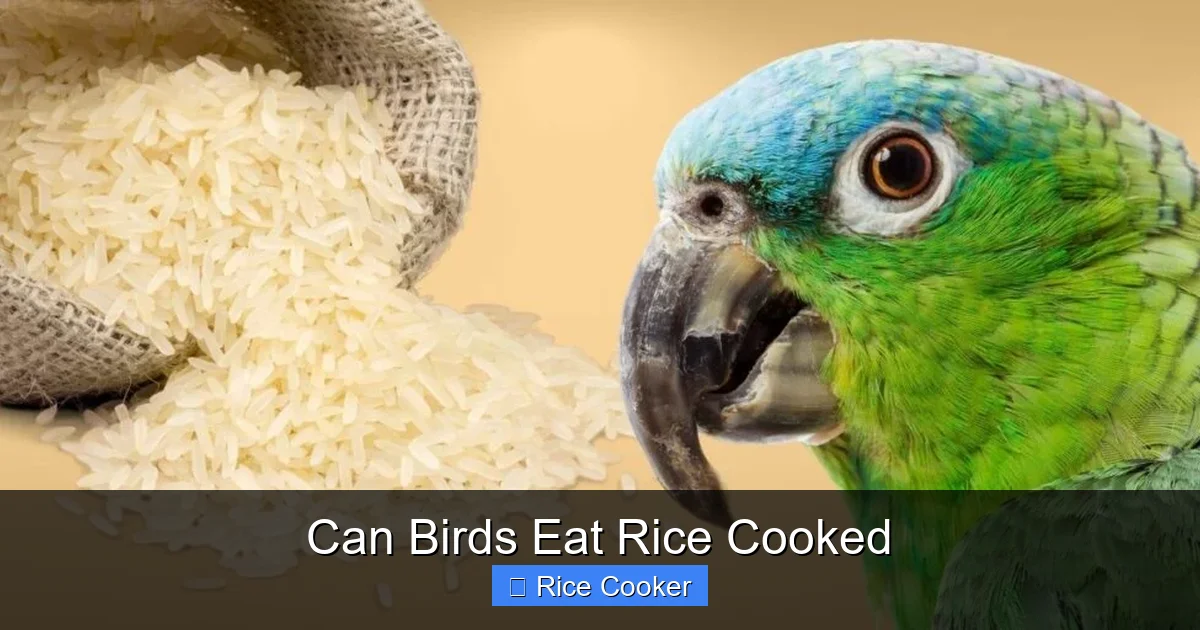
Can birds eat rice cooked? Yes, but with important caveats. While plain cooked rice is not toxic to most birds and can even be a helpful source of energy, it should only be offered occasionally and prepared correctly. Rinsed, cooled rice without seasonings or oils is safest. Avoid uncooked rice—it can expand in a bird’s digestive tract. Always prioritize fresh, whole foods like seeds, fruits, and vegetables as primary nutrition.
Key Takeaways
- Yes, birds can eat cooked rice, but only if it’s plain, cooled, and rinsed—never seasoned or fried.
- Uncooked rice poses serious risks, including intestinal blockages due to expansion when hydrated inside a bird’s body.
- Rice provides carbohydrates and energy, making it useful during cold weather or recovery from illness.
- Always cook rice without salt, oil, or spices, as these additives are harmful to avian health.
- Feed rice in moderation—it should never replace a balanced diet of seeds, pellets, fruits, and greens.
- Smaller birds like finches may struggle with large grains, so consider mashing or soaking rice for easier digestion.
- Monitor your bird after feeding rice; any signs of discomfort, regurgitation, or lethargy warrant veterinary attention.
Quick Answers to Common Questions
Can birds eat uncooked rice?
No, birds should never eat uncooked rice. It can expand in their digestive tract and cause dangerous blockages or bloating.
Is brown rice better than white rice for birds?
Brown rice offers more fiber and nutrients, but it must be cooked thoroughly. White rice is often easier to digest for smaller birds.
How much cooked rice should I feed my bird?
Offer no more than a teaspoon-sized portion per meal, and limit rice to once or twice a week at most.
Can I add flavor to cooked rice for my bird?
Absolutely not. Avoid salt, oil, herbs, spices, or sauces—all of which are toxic to birds.
What should I do if my bird eats raw rice?
Contact an avian veterinarian immediately. Do not induce vomiting unless instructed by a professional.
📑 Table of Contents
- Can Birds Eat Rice Cooked? The Complete Guide for Bird Owners
- The Safety of Cooked Rice for Birds
- Nutritional Benefits of Cooked Rice for Birds
- Practical Tips for Feeding Cooked Rice to Birds
- Species-Specific Considerations
- Myths vs. Facts About Birds and Rice
- Signs Your Bird May Have Eaten Too Much Rice
- Alternatives to Rice: Healthier Grain Options
- Conclusion: Yes, But…
Can Birds Eat Rice Cooked? The Complete Guide for Bird Owners
If you’re a bird owner—whether you have a backyard flock or a beloved pet parrot—you’ve likely wondered about what foods are safe and beneficial for your feathered companions. One common question that comes up frequently is: can birds eat rice cooked? It sounds simple, but the answer involves more than just tossing some leftover dinner onto the cage tray. Let’s dive into everything you need to know about feeding cooked rice to birds, from safety concerns to nutritional benefits and best practices.
Birds have highly specialized diets depending on their species, size, and natural habitat. What works for a cockatiel might not be suitable for a finch, and vice versa. However, many domesticated birds—especially those kept as pets—enjoy variety in their meals. Cooked rice, particularly plain white or brown rice, can fit into a healthy diet when given responsibly. But before you start serving up a bowl of jasmine rice, let’s break down the science, myths, and practical tips behind this age-old query.
The Safety of Cooked Rice for Birds
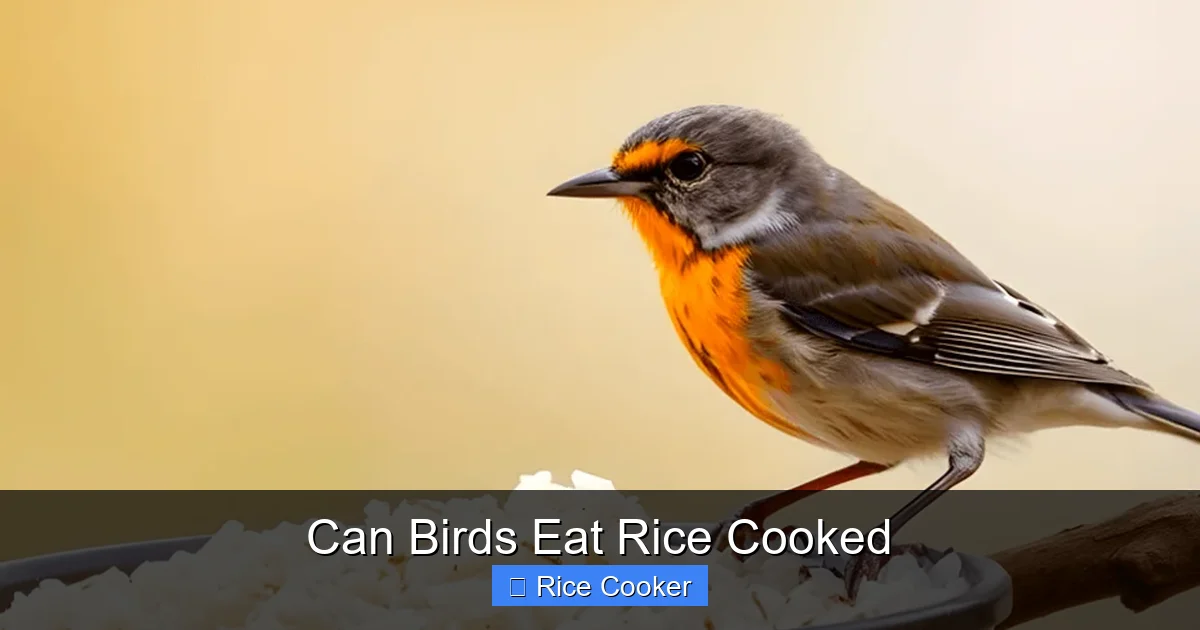
So, can birds eat rice cooked? The short answer is yes—but with clear guidelines. Plain, well-cooked rice without any added ingredients is generally safe for most bird species. In fact, many bird owners use cooked rice as an emergency food source during power outages or when fresh feed runs low. Its high carbohydrate content provides quick energy, which can be crucial in survival situations.
Visual guide about Can Birds Eat Rice Cooked
Image source: birdsspotter.com
However, safety doesn’t mean unlimited access. Rice should never be fed raw. Uncooked rice contains starches that expand dramatically when exposed to moisture—even within a bird’s digestive system. This expansion can lead to severe bloating or even fatal blockages. That’s why it’s essential to always serve rice that has been thoroughly cooked until soft and fully gelatinized.
What Makes Rice Safe (or Dangerous) for Birds?
Cooked rice becomes safe because the heat breaks down the grain’s structure, making it digestible. When rice is boiled until tender, the starch molecules soften and become easily broken down by enzymes in a bird’s gut. This process also eliminates potential bacterial contaminants that could exist in raw grains.
In contrast, raw rice remains dense and compact. If swallowed by a bird, it can absorb moisture from the digestive tract and swell up to several times its original volume. This phenomenon is similar to how rice puffs in boiling water, except it happens internally—without relief. For small birds like budgies or lovebirds, this risk is especially concerning due to their limited stomach capacity.
Additionally, certain types of rice carry higher risks than others. Wild rice, for example, has a harder outer shell and may not cook evenly. Brown rice, while nutritious, takes longer to soften and might leave remnants that retain some crunchiness. For these reasons, many experts recommend starting with plain white rice when introducing cooked grains to your bird’s diet.
Nutritional Benefits of Cooked Rice for Birds
Beyond safety, cooked rice offers several nutritional advantages—when fed appropriately. Carbohydrates are the primary fuel source for most birds, especially during periods of increased activity or colder temperatures. Unlike fats or proteins, carbs provide immediate energy without overburdening the liver or kidneys.
Visual guide about Can Birds Eat Rice Cooked
Image source: petsfoodsafety.com
Brown rice, in particular, contains fiber, B vitamins, and trace minerals like magnesium and selenium. These nutrients support metabolic function, feather health, and immune resilience. While birds don’t require large amounts of fiber compared to herbivores, moderate intake can aid digestion when combined with other fibrous foods like leafy greens.
That said, rice alone cannot fulfill a bird’s dietary needs. It lacks sufficient protein, fat, vitamins A and D, and calcium—all critical components for long-term health. Overreliance on rice can lead to malnutrition, weak bones, poor plumage, and reproductive issues. Therefore, cooked rice should complement—not replace—a varied, species-appropriate diet.
When Is Cooked Rice Most Beneficial?
There are specific scenarios where offering cooked rice makes sense:
- During illness or recovery: Birds under stress often lose their appetite. Soft, easily digestible foods like cooked rice can help maintain caloric intake without taxing the digestive system.
- Cold weather conditions: Extra energy helps birds stay warm. A small portion of rice can supplement their regular diet during winter months.
- Emergency situations: If your automatic feeder fails or you run out of fresh seed mix, cooked rice can sustain a bird temporarily—though not indefinitely.
- Weaning baby birds: Hand-reared chicks may benefit from mashed rice mixed with egg yolk or commercial formula until they transition to solid foods.
Each of these uses underscores the importance of moderation. Even in emergencies, rice should be one part of a broader strategy involving hydration, warmth, and veterinary care.
Practical Tips for Feeding Cooked Rice to Birds
Now that we’ve established that can birds eat rice cooked, let’s talk about how to do it right. Preparation matters more than you might think. Here’s a step-by-step guide to safely incorporating cooked rice into your bird’s menu:
1. Choose Plain, Unseasoned Rice
Avoid any rice that includes salt, butter, garlic, onion, or other flavorings. Many human dishes contain ingredients toxic to birds—even in small amounts. Stick to plain white or brown rice cooked in unsalted water.
2. Rinse Thoroughly After Cooking
Excess starch can clump together and form hard masses in a bird’s crop. Rinsing the cooked rice removes surface starch and prevents compaction. Use cool running water or drain off excess liquid after draining.
3. Cool Before Serving
Hot food can burn delicate tissues in a bird’s mouth or esophagus. Allow rice to cool completely—ideally to room temperature—before placing it in the dish or mixing with other foods.
4. Offer Small Portions
A teaspoon-sized amount per meal is plenty for most small birds. Larger parrots can handle slightly more, but still no more than 10% of their daily caloric intake should come from supplemental grains like rice.
5. Mix With Other Foods
Combine rice with chopped vegetables, mashed fruit, or softened pellets to create balanced mini-meals. This approach ensures your bird gets a full spectrum of nutrients while enjoying the texture and taste of cooked grains.
6. Clean Dishes Immediately
Birds are sensitive to mold and bacteria. Remove uneaten rice within 30 minutes to prevent spoilage. Wash feeding dishes with hot, soapy water daily.
Species-Specific Considerations
Not all birds respond the same way to cooked rice. Their size, metabolism, and digestive anatomy play major roles in determining suitability. Let’s explore how different common pet birds interact with this staple:
Small Seed-Eaters (Budgies, Finches, Canaries)
These tiny birds have fast metabolisms and narrow crops. They may find whole grains difficult to swallow or digest. For them, soaking or mashing rice into a paste makes it much safer and easier to consume. You can also mix it with millet spray or crushed seeds for added appeal.
Medium Parrots (Cockatiels, Conures)
With larger beaks and stronger digestive systems, cockatiels can manage small pieces of cooked rice. Offer diced or flaked rice alongside pellets, veggies, and occasional fruits. Monitor closely for any signs of distress.
Large Parrots (African Greys, Macaws, Cockatoos)
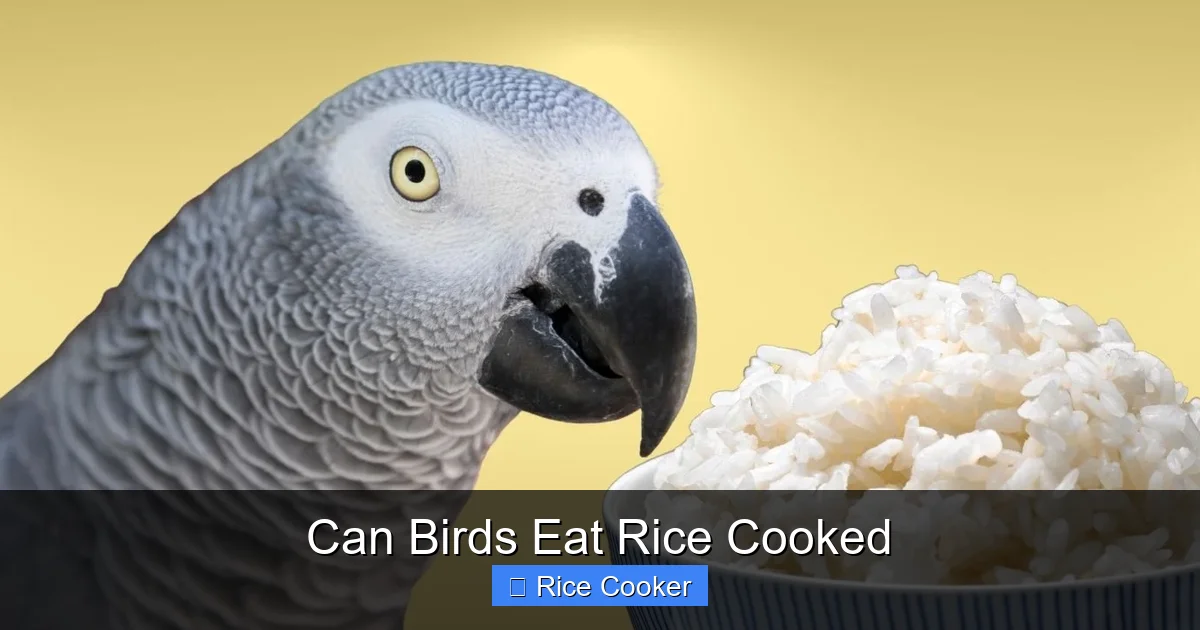
These intelligent, powerful eaters enjoy exploring new textures. Whole grains like rice can be fun to manipulate and peck at. Just ensure they’re fully cooked and free of debris. Some owners even hide rice kernels inside foraging toys as enrichment.
Waterfowl and Backyard Birds
Wild birds such as sparrows, doves, and even ducks will readily consume spilled cooked rice in gardens. However, avoid feeding wild birds regularly—overfeeding can disrupt natural foraging behaviors and attract predators. If you do offer rice, keep portions minimal and scatter widely.
Remember: even within species, individual preferences vary. Some birds may turn up their beaks at rice entirely, while others devour it eagerly. Observe your bird’s reaction and adjust accordingly.
Myths vs. Facts About Birds and Rice
Over time, several myths have grown around feeding birds rice. Let’s debunk a few common misconceptions:
Myth #1: Raw Rice Kills Birds
Fact: While raw rice can cause blockages, it doesn’t “explode” or kill instantly. The danger lies in gradual swelling leading to obstruction. Prompt veterinary intervention may save affected birds.
Myth #2: All Cooked Rice Is Equal
Fact: Brown rice has more fiber and nutrients but requires longer cooking. Instant or pre-cooked rice may contain preservatives or sodium. Always check labels if buying commercially prepared varieties.
Myth #3: Rice Should Be Fed Daily
Fact: Regular consumption can displace nutrient-dense foods. Limit rice to once or twice weekly at most, and always rotate with other safe options.
Myth #4: Leftover Restaurant Rice Is Safe
Fact: Fried rice, chow mein, or biryani often include onions, garlic, MSG, or excessive oil—all harmful to birds. Never feed restaurant leftovers.
Myth #5: Rice Hydration Is Safe
Fact: Soaking raw rice in water outside the body doesn’t predict internal behavior. Only fully cooked rice is safe for ingestion.
Understanding these distinctions helps you make informed choices and avoid unnecessary risks.
Signs Your Bird May Have Eaten Too Much Rice
Even with careful preparation, overfeeding rice can upset your bird’s digestive balance. Watch for these warning signs:
- Drooping wings or lethargy—indicating low energy or discomfort
- Sitting hunched over—suggesting abdominal pain
- Vomiting or regurgitation—possibly due to crop impaction
- Loose droppings or diarrhea—signs of digestive imbalance
- Loss of appetite—your bird refusing its usual foods
If you notice any of these symptoms after feeding rice, remove the food immediately and consult an avian veterinarian. Early treatment improves outcomes significantly.
Alternatives to Rice: Healthier Grain Options
If you’re looking to diversify your bird’s grain intake beyond rice, consider these nutritious alternatives:
- Quinoa: High in protein and complete amino acids; cooks quickly and stays fluffy.
- Oats: Rich in fiber and B vitamins; soak overnight for softer texture.
- Barley: Offers sustained energy and supports gut health; cook until very soft.
- Couscous: Lightweight and easy to digest; great for picky eaters.
- Millet: Naturally sweet and appealing to many birds; often used as training treats.
Rotating between these grains adds variety and ensures broader nutrient coverage. Plus, they reduce monotony in your bird’s diet—which can boost overall happiness and engagement.
Conclusion: Yes, But…
To directly answer the question—yes, birds can eat rice cooked—as long as it’s prepared properly and fed in moderation. It’s not a dietary staple, but it can play a helpful role in emergencies, recovery, or as an occasional treat. The key is knowledge: knowing how to cook it safely, recognizing your bird’s limits, and understanding when to say no.
Never assume all grains are equal. Just because rice is human-safe doesn’t automatically make it ideal for birds. Prioritize whole, unprocessed foods, maintain a balanced diet, and always err on the side of caution. When in doubt, consult your avian vet—they’re the best resource for personalized advice.
By treating your feathered friend with care, curiosity, and common sense, you’ll build trust and support their lifelong health. And who knows? Maybe one day, you’ll share a perfectly steamed cup of jasmine rice together—on the condition that it’s cooled, clean, and seasoned only with love.
Frequently Asked Questions
===
Can pet birds eat cooked rice every day?
No, cooked rice should not be fed daily. It lacks essential nutrients and can displace more balanced foods in your bird’s diet.
Is it safe to feed wild birds cooked rice?
Occasionally, yes—but only plain, cooled rice scattered lightly. Avoid regular feeding, as it can harm natural foraging instincts.
Should I rinse cooked rice before giving it to my bird?
Yes, rinsing removes excess starch that could clump and cause digestive issues in birds with sensitive crops.
Can baby birds eat cooked rice?
Yes, but only if mashed into a soft paste and mixed with other nutrients like egg yolk or commercial hand-feeding formulas.
Are there any birds that shouldn’t eat rice at all?
Most birds can tolerate small amounts of cooked rice, but extremely young, sick, or debilitated birds should avoid grains until cleared by a vet.
Will cooked rice help a sick bird regain strength?
It can provide temporary calories during recovery, but always consult a veterinarian first. Rice alone won’t address underlying illness.