
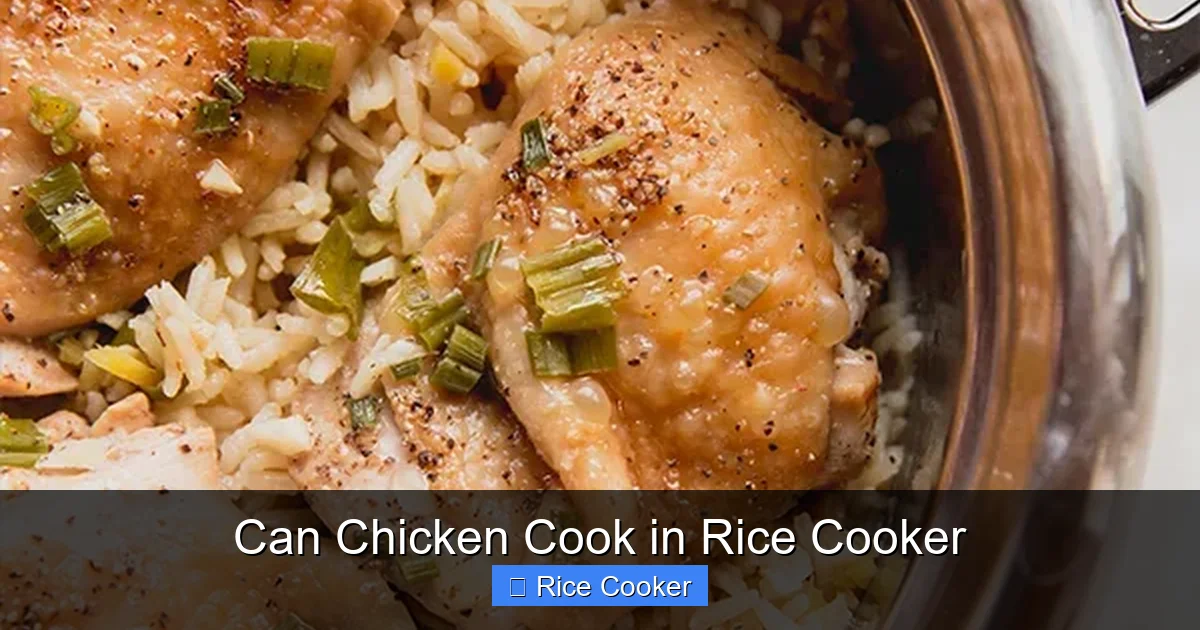
You absolutely can cook chicken in a rice cooker—and it’s easier than you think! This versatile kitchen tool transforms plain poultry into tender, juicy meals with little hands-on time. Whether you’re making shredded chicken tacos, one-pot dinners, or batch-cooking for the week, your rice cooker is a secret weapon. No special equipment needed—just chicken, liquid, and flavor.
Key Takeaways
- Rice cookers are surprisingly versatile: Beyond steaming rice, they can cook whole chicken breasts, thighs, or shredded chicken perfectly.
- Hands-off convenience: Once ingredients are added, most of the cooking happens automatically—ideal for busy schedules.
- Juicy results with proper liquids: Using broth, stock, or sauces instead of water keeps chicken moist and adds deep flavor.
- Safe food handling matters: Always ensure internal temperature reaches 165°F (74°C) to avoid foodborne illness.
- Meal prep friendly: Cook large batches and store portions for quick lunches or dinners throughout the week.
- Customize flavors easily: Add spices, herbs, soy sauce, or marinades directly into the cooker for bold taste.
- Cleanup is simple: Most parts are dishwasher-safe, and minimal oil means less mess.
📑 Table of Contents
- Can Chicken Cook in a Rice Cooker? Yes—Here’s How
- Why Use a Rice Cooker for Chicken?
- What Types of Chicken Can Be Cooked in a Rice Cooker?
- Essential Tools & Ingredients
- Step-by-Step Guide: Cooking Chicken in a Rice Cooker
- Delicious Rice Cooker Chicken Recipes
- Troubleshooting Common Issues
- Safety Tips When Cooking Chicken
- Tips for Perfect Every Time
- Beyond Chicken: Other Proteins & Meals
- Conclusion
- FAQS
Can Chicken Cook in a Rice Cooker? Yes—Here’s How
If you own a rice cooker, you already have a powerful, multitasking kitchen appliance on your countertop. Sure, it’s famous for turning plain white rice into fluffy perfection, but its talents go way beyond grains. One surprising yet effective use? Cooking chicken. That’s right—you can prepare tender, juicy, and flavorful chicken using just your trusty rice cooker. No oven, no stovetop, no complicated steps. Just chicken, liquid, seasonings, and one press of a button.
Cooking chicken in a rice cooker isn’t just possible—it’s practical, energy-efficient, and perfect for home cooks who want delicious meals without the fuss. Whether you’re meal prepping for the week, making a quick dinner after work, or experimenting with global flavors like Thai curry or Mexican fajitas, your rice cooker can handle it. In this guide, we’ll walk you through everything you need to know: safety tips, recipe ideas, troubleshooting, and why this method might become your new favorite way to cook chicken.
Why Use a Rice Cooker for Chicken?
Before we dive into recipes, let’s talk about why cooking chicken in a rice cooker makes so much sense. First off, rice cookers are designed to maintain consistent heat over long periods—perfect for slowly cooking proteins until they’re fork-tender. Unlike boiling (which can dry out chicken), the sealed environment traps moisture and steam, resulting in juicier meat.
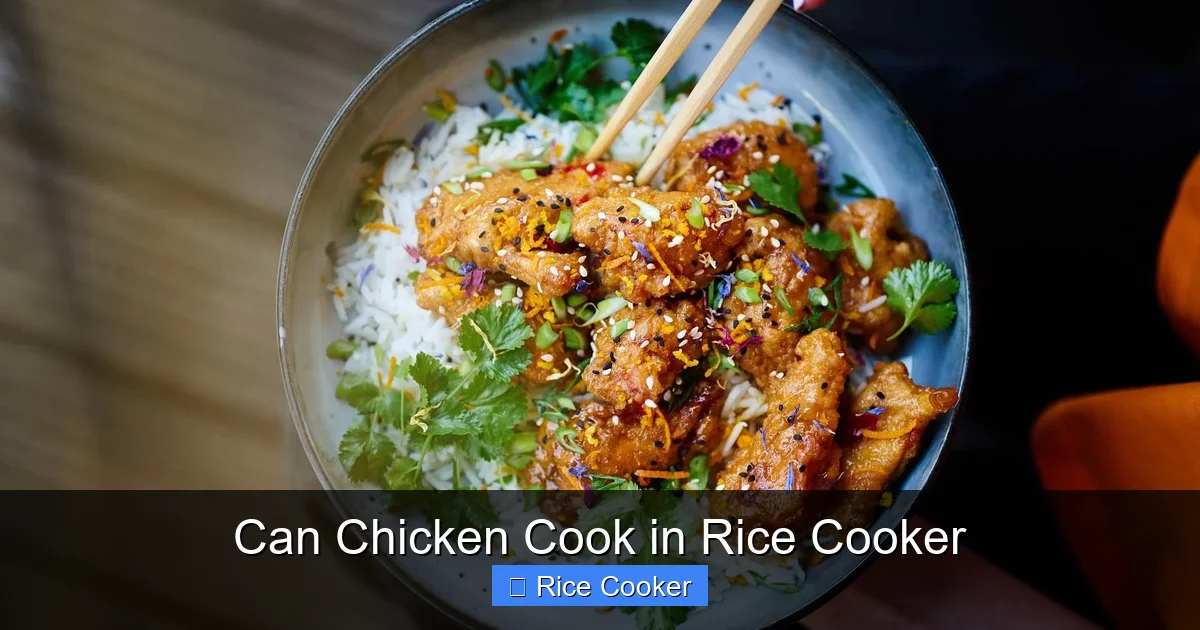
Visual guide about Can Chicken Cook in Rice Cooker
Image source: ricecookeradvice.com
Another big advantage? Convenience. You add your ingredients in the morning, hit “cook,” and come back hours later to a fully cooked meal. No babysitting required. Plus, since there’s no direct flame or high heat, you reduce the risk of burning or drying out your protein. And let’s not forget cleanup—most rice cooker inner pots are nonstick and dishwasher-safe, meaning fewer dishes piled up in the sink.
The Science Behind It
When you place chicken in a covered pot with liquid and heat it slowly, the collagen in the connective tissue breaks down into gelatin. This process softens the meat and locks in moisture. The rice cooker’s automatic switch from “heat” to “warm” mode ensures steady, even cooking without overcooking. As a result, even lean cuts like chicken breast stay moist and flavorful.
What Types of Chicken Can Be Cooked in a Rice Cooker?
Almost any cut works! Here’s a quick breakdown:
- Chicken Breasts: Best for lean, low-fat meals. Boneless, skinless breasts cook evenly and are great for salads or stir-fries.
- Chicken Thighs: More forgiving than breasts—they stay juicy even if slightly overcooked. Perfect for soups, stews, or shredded dishes.
- Whole Chicken Pieces: Drumsticks, wings, and legs cook well too. Ideal for bone-in, skin-on preparations that benefit from extra fat rendering.
- Shredded Chicken: Cook whole breasts or thighs, then shred them manually or with an electric mixer for tacos, sandwiches, or casseroles.
- Ground Chicken: While less common, ground chicken can be browned directly in the rice cooker before adding liquids and other ingredients.
Pro tip: Remove any excess fat from the chicken before cooking to keep your final dish healthier and prevent greasy residue.
Essential Tools & Ingredients
You don’t need fancy equipment. A standard rice cooker with a removable inner pot is all you need. Here’s what to gather:
- Airtight rice cooker (preferably one with a glass lid so you can monitor progress)
- Inner cooking pot (nonstick or stainless steel)
- Fresh chicken (any cut as noted above)
- Liquid base (water, broth, coconut milk, tomato sauce, etc.)
- Seasonings (salt, pepper, garlic powder, paprika, etc.)
- Optional add-ins (vegetables, noodles, rice, beans)
- Chicken Broth: Adds richness and depth—great for soups or one-pot meals.
- Coconut Milk: Creates creamy, Southeast Asian–style curries or braised dishes.
- Tomato-Based Sauces: Perfect for Italian-inspired chicken stew or Mexican mole.
- Beer or Wine: For adult versions, deglaze the pan and simmer off alcohol before adding chicken.
- Boneless breasts: 20–25 minutes
- Bone-in thighs: 30–35 minutes
- Whole chicken pieces (wings/drumsticks): 35–40 minutes
- Wash hands before and after handling raw chicken.
- Use separate utensils for raw and cooked meat to avoid cross-contamination.
- Clean the inner pot thoroughly after each use—bacteria love hiding in crevices.
- Store leftovers promptly in airtight containers within 2 hours of cooking.
- Reheat thoroughly—leftovers should reach 165°F again before eating.
- Trim visible fat from chicken before cooking to reduce grease.
- Don’t overcrowd—give each piece room to cook evenly.
- Use a trivet or rack (if your model has one) to elevate chicken above liquid for better browning.
- Add vegetables early so they soften alongside the chicken.
- Flavor while cooking—don’t wait until serving. Marinate briefly or add spices directly.
- Experiment with textures—some prefer shredded chicken for salads; others like whole pieces for presentation.
- Pork chops or tenderloin (similar timing)
- Fish fillets (reduce cook time to 10–15 minutes)
- Eggs (hard-boiled in “Steam” mode)
- Vegetable-only meals (like lentil soup or bean chili)
Choosing the Right Liquid
The liquid you use plays a huge role in flavor and texture. Water alone will work, but it won’t infuse much taste. Instead, opt for:
Step-by-Step Guide: Cooking Chicken in a Rice Cooker
Ready to try it? Follow these simple steps for foolproof results every time.
Step 1: Prep Your Ingredients
Pat dry your chicken pieces with paper towels. Season generously with salt, pepper, and your favorite spices. If using bone-in pieces, consider lightly browning them in a hot pan first for extra flavor (optional but recommended).
Step 2: Add Liquid and Chicken
Place the seasoned chicken in the inner pot. Pour in ½ to 1 cup of liquid—enough to create steam but not drown the chicken. Too much liquid may dilute flavors; too little risks sticking or drying out.
Step 3: Set the Mode
Most modern rice cookers have multiple settings. For chicken, use the “Steam” or “Slow Cook” function if available. If not, simply press “Cook” and let the machine do its thing. On older models, this mimics “white rice” mode—still effective.
Step 4: Let It Cook
Cooking times vary:
After the cycle ends, check the internal temperature with a meat thermometer—it should read at least 165°F (74°C). If not, return to “cook” mode for another 5–10 minutes.
Step 5: Rest and Serve
Let the chicken rest for 5–10 minutes after cooking. This allows juices to redistribute, keeping the meat moist when sliced or shredded. Then serve as-is, over rice, in a bowl, or stuffed into tortillas.
Delicious Rice Cooker Chicken Recipes
Now for the fun part—recipes! These ideas prove how versatile your rice cooker truly is.
Classic Herb-Roasted Chicken
Perfect for beginners. Combine 2 boneless chicken breasts, 1 cup chicken broth, 1 tbsp olive oil, 1 tsp dried thyme, ½ tsp rosemary, and a pinch of salt. Cook on “Steam” mode for 20 minutes. Shred and serve with mashed potatoes or quinoa.
Thai Coconut Chicken Curry
In the inner pot, layer 1 lb chicken thighs, 1 can coconut milk, 1 tbsp red curry paste, 1 chopped red bell pepper, and 1 cup jasmine rice. Add water until rice is submerged. Cook on “Rice” mode. Stir once halfway through. Garnish with cilantro and lime.
Mexican Chicken Fajita Bowl
Sear 1 lb sliced chicken breast in a bit of oil. Add 1 cup beef or vegetable broth, 1 packet fajita seasoning, 1 diced onion, and 1 diced bell pepper. Cook on “Steam” for 25 minutes. Serve over brown rice with avocado and salsa.
Garlic Butter Chicken with Rice
Melt 2 tbsp butter in the inner pot. Add 1 lb chicken thighs, 1 minced garlic clove, ½ tsp paprika, and ¾ cup water. Cover and cook on “White Rice” setting for 30 minutes. Fluff rice gently and mix into chicken.
One-Pot Chicken and Veggie Stew
Layer 1 lb chicken chunks, 1 cup chopped carrots, 1 cup potatoes, 1 cup green beans, 1 cup chicken broth, and 1 tsp bay leaf. Cook on “Steam” for 35 minutes. Discard bay leaf before serving.
Troubleshooting Common Issues
Even with the best intentions, things can go wrong. Here’s how to fix them.
Chicken Is Dry
This usually means it cooked too long or lacked enough liquid. Next time, reduce cook time by 5 minutes and increase liquid slightly. Also, avoid overfilling the pot—too much chicken competes for space and steam.
Sticky or Burnt Bottom
Always use some liquid! Even a splash prevents sticking. Scrubbing burnt residue? Soak the pot in warm soapy water immediately after use. Most nonstick surfaces clean easily this way.
Undercooked Chicken
Check temperature first! If it’s still pink near the bone, return to “cook” mode until 165°F is reached. Never skip the thermometer—it’s the only reliable way to confirm safety.
Too Much Steam Buildup
If your rice cooker vents are constantly releasing steam, ensure the lid seal is intact. Worn gaskets lose effectiveness over time and can affect cooking performance.
Safety Tips When Cooking Chicken
Food safety is non-negotiable. Follow these guidelines:
Tips for Perfect Every Time
Want consistent results? Try these pro tips:
Beyond Chicken: Other Proteins & Meals
Once you master chicken, expand your repertoire! Your rice cooker can also handle:
Think of your rice cooker as a pressure cooker alternative—gentler on proteins but still fast and efficient.
Conclusion
Cooking chicken in a rice cooker isn’t just a clever trick—it’s a game-changer for home cooks everywhere. With minimal effort, maximum flavor, and zero guesswork, this method delivers restaurant-quality results on a daily basis. Whether you’re feeding a family, meal prepping for busy days, or exploring new cuisines, your rice cooker proves itself as more than just a grain steamer.
Remember: safety comes first, patience pays off, and creativity opens doors. Start simple with herb-roasted chicken, then branch out into international flavors. Before long, you’ll wonder how you ever lived without this multitasking marvel. So go ahead—grab those chicken thighs, fire up your rice cooker, and enjoy the delicious simplicity of one-pot cooking.
FAQS
How long does it take to cook chicken in a rice cooker?
Boneless chicken breasts typically take 20–25 minutes, while bone-in thighs need 30–35 minutes. Always verify with a meat thermometer—internal temperature must reach 165°F (74°C).
Do I need to add water when cooking chicken in a rice cooker?
Yes, you need liquid to generate steam and prevent sticking. Use broth, coconut milk, or sauce instead of plain water for extra flavor.
Can I cook frozen chicken in a rice cooker?
It’s possible but not recommended. Frozen chicken takes much longer to cook and may not reach safe internal temperatures evenly. Always thaw completely first.
Is it safe to leave chicken in a rice cooker after it switches to “warm” mode?
Only if the chicken has already reached 165°F. Leaving it on “warm” for extended periods increases bacterial growth risk. Cook thoroughly first, then reheat if needed later.
Can I cook rice and chicken together in the same pot?
Absolutely! Add rice before or after the chicken, depending on your recipe. Just ensure enough liquid is present for both grains and protein to cook properly.
What’s the best way to shred rice cooker chicken?
Once cooled slightly, use two forks or an electric mixer. Pull apart along the grain of the meat for fluffy, uniform shreds perfect for tacos, sandwiches, or salads.
Frequently Asked Questions
What is can chicken cook in rice cooker?
can chicken cook in rice cooker is an important topic with many practical applications.