
Can chickens eat cooked rice? Absolutely! Cooked rice is safe, nutritious, and a tasty addition to your chicken’s diet when given in moderation. It provides carbohydrates for energy and complements their natural foraging habits.
Always serve plain, cooled rice without seasoning or oil. Avoid uncooked rice—it expands in the digestive tract and can cause blockages. With proper preparation, rice becomes a wholesome snack that supports your flock’s health and happiness.
Key Takeaways
- Safety First: Chickens can safely consume cooked rice, but only when it’s plain, cooled, and free of additives like salt, butter, or spices.
- Nutritional Benefits: Rice offers carbohydrates, fiber, and small amounts of protein and vitamins, making it a healthy supplement to their regular feed.
- Avoid Raw Rice: Never give chickens uncooked rice—it can expand inside their digestive system and lead to serious health issues.
- Moderation Matters: Treats like rice should make up no more than 10% of a chicken’s total diet to prevent nutritional imbalances.
- Hydration Is Key: Always provide fresh water alongside rice, especially if feeding larger portions or dry grains.
- Ideal for All Ages: Both chicks and adult chickens can enjoy cooked rice, though texture may need adjusting for younger birds.
- Cooking Tips: Steam or boil rice without oil or seasoning; let it cool before serving to avoid burns or choking hazards.
Quick Answers to Common Questions
Can baby chicks eat cooked rice?
Yes, but only after they’ve been eating starter feed for at least two weeks. Mash the rice finely and mix it with warm water or electrolyte solution to soften it further. Avoid large chunks to prevent choking.
Does rice help with egg production?
Not directly. Eggs require calcium, protein, and specific vitamins found in layer feeds. Rice provides energy and fiber, which indirectly supports overall health—but it won’t boost laying on its own.
How much rice is too much?
No more than 10% of a chicken’s total diet should come from treats like rice. For a typical hen eating ¼ cup of feed daily, that’s about 1–2 teaspoons of rice per bird at a time.
Can I feed rice every day?
It’s better to rotate treats weekly. Offering rice daily increases the risk of boredom, overeating, and nutritional gaps. Mix in fruits, veggies, and grains to keep things interesting.
Will rice attract pests?
Yes—if left out in open containers or scattered too liberally, rice can draw ants, rodents, or flies. Store uneaten portions in sealed bins and clean up any spills promptly.
📑 Table of Contents
- Can Chickens Eat Cooked Rice? The Truth You Need to Know
- The Basics: What Makes Rice Safe (or Not) for Chickens
- Nutritional Value of Cooked Rice for Chickens
- How Often Should You Feed Rice to Chickens?
- Practical Tips for Feeding Rice to Your Flock
- Common Misconceptions About Rice and Chickens
- Alternatives to Rice: What Else Can Chickens Eat?
- Conclusion: Rice Is a Smart, Safe Treat for Chickens
Can Chickens Eat Cooked Rice? The Truth You Need to Know
If you’re raising backyard chickens—whether for eggs, meat, or just the joy of caring for these feathered friends—you’ve probably wondered about what they can and can’t eat. One common question that pops up time and again is: Can chickens eat cooked rice? The short answer is yes—but with some important caveats. Let’s dive deep into why cooked rice is generally safe, how to prepare it properly, and how to avoid potential pitfalls.
Rice isn’t just human food; many homesteaders and poultry keepers include it in their flock’s diet. But before you start tossing leftover dinner plates into the coop, it helps to understand both the benefits and risks involved. After all, your chickens rely on you for balanced nutrition, and every meal counts toward their overall health and productivity.
The Basics: What Makes Rice Safe (or Not) for Chickens
Chickens are omnivores by nature. That means they’ll happily munch on seeds, bugs, greens, grains, and even scraps from your kitchen table—as long as those scraps aren’t harmful. Cooked rice fits neatly into this category. Unlike raw grains, which can pose serious digestive risks, properly prepared rice is gentle on a chicken’s system.
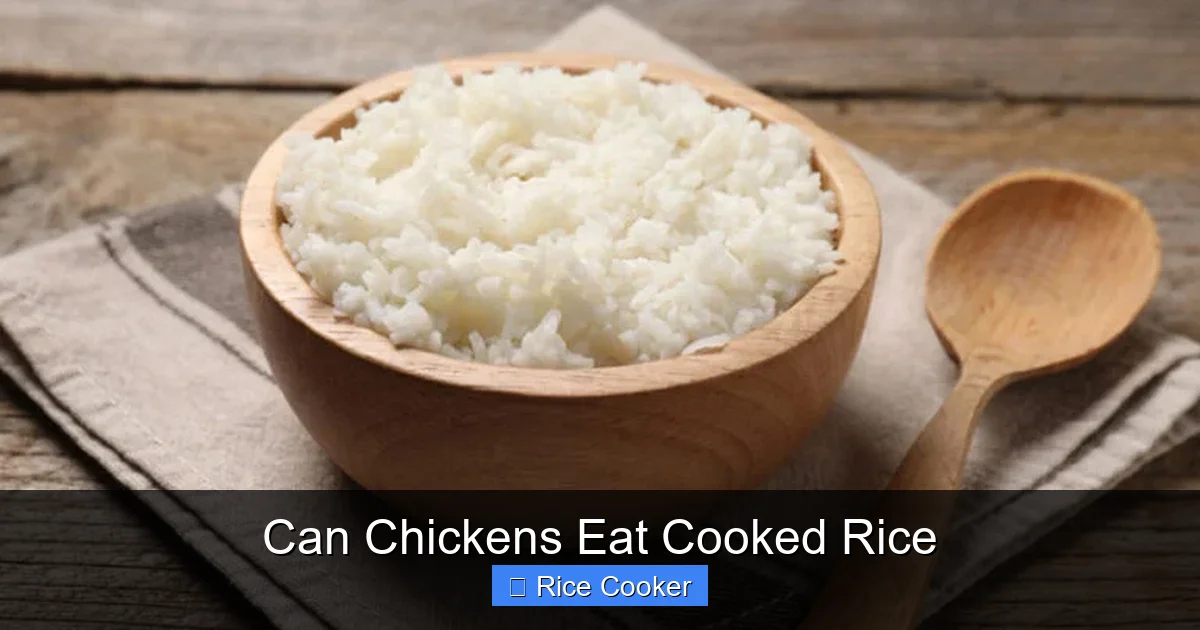
Visual guide about Can Chickens Eat Cooked Rice
Image source: theorganicwayfarm.com
Why Uncooked Rice Is Dangerous
Here’s a critical point: never feed chickens uncooked rice. Why? Because when uncooked rice comes into contact with moisture in the digestive tract, it swells dramatically—sometimes doubling or tripling in size. This expansion can create a blockage in the crop or intestines, potentially leading to discomfort, illness, or even death.
This risk applies to all types of rice—white, brown, jasmine, basmati—and other grains like oats or barley. So while your chickens might love the crunchy texture, resist the temptation to scatter a handful of dry rice into their run.
The Right Way to Serve Rice
To keep your flock safe, always serve cooked rice. Whether you’re using a rice cooker or boiling it on the stove, the key steps are simple:
- Cook rice without added fats, oils, or seasonings.
- Let it cool completely before offering it to chickens.
- Serve in small portions—no more than a few tablespoons per bird at a time.
Using a rice cooker makes this process even easier. Just add water and rice, press “cook,” and you’ve got perfectly fluffy grains ready to share with your hens. Plus, many modern rice cookers come with settings for brown rice, which adds extra nutrients!
Nutritional Value of Cooked Rice for Chickens
Beyond being safe, cooked rice offers several nutritional advantages for your chickens. While it shouldn’t replace commercial layer feed or starter rations, it’s a welcome supplement that supports energy levels, digestion, and general well-being.
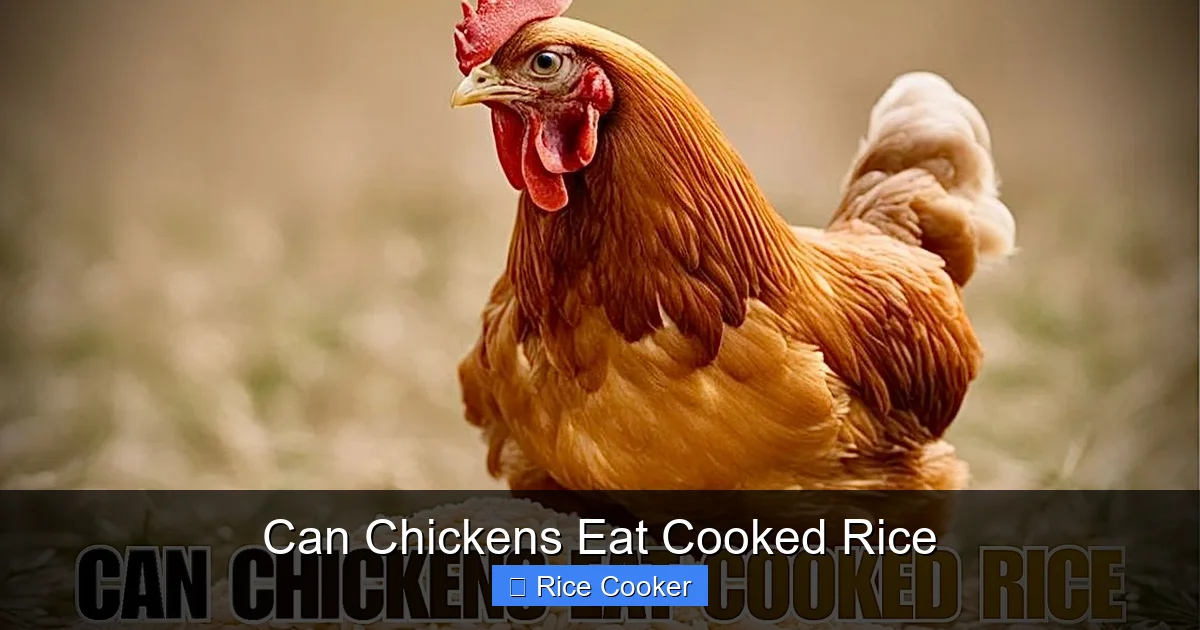
Visual guide about Can Chickens Eat Cooked Rice
Image source: theorganicwayfarm.com
Carbohydrates for Energy
Rice is primarily composed of carbohydrates—specifically starch—which gives chickens quick bursts of energy. This is especially helpful during colder months or after molting, when birds need extra fuel to stay warm and regrow feathers.
Fiber and Digestion
Brown rice, in particular, contains more fiber than white rice. Fiber aids in digestion and helps maintain gut health, preventing issues like impaction or sour crop. Chickens naturally peck at roughage, so adding fibrous foods like cooked brown rice supports their instinctual behaviors.
Trace Vitamins and Minerals
While not a powerhouse nutrient source, rice does contain small amounts of B vitamins (like niacin and thiamine), iron, and magnesium. These micronutrients play roles in metabolism, feather development, and immune function.
Protein Content (Minimal but Helpful)
Plain cooked rice has very little protein—usually around 2–3% depending on the type. However, when combined with legumes like lentils or beans (also safe in moderation), rice can form a more complete amino acid profile. Still, remember: protein needs are best met through insect larvae, sunflower seeds, or high-quality feed.
How Often Should You Feed Rice to Chickens?
As with any treat, balance is everything. Experts recommend limiting treats—including cooked rice—to no more than 10% of a chicken’s daily caloric intake. This ensures they still get the full spectrum of nutrients from their main feed while enjoying variety.
A good rule of thumb: offer rice once or twice a week as a special snack. Think of it like giving your dog an occasional biscuit—it’s fun, satisfying, but not meant to be the main course.
For example, if you have a flock of six hens, a single tablespoon of cooked rice per bird per day would be excessive. Instead, try scattering half a tablespoon across the run one morning and saving the rest for another day. Variety matters more than volume!
Practical Tips for Feeding Rice to Your Flock
Ready to start sharing rice with your chickens? Here are some tried-and-true tips to make the experience safe, enjoyable, and beneficial for your birds.
Use a Rice Cooker for Consistency
A rice cooker simplifies the cooking process and delivers consistent results every time. Most models automatically switch to “warm” mode once done, letting you store leftovers for later use. Just remember to rinse out the pot thoroughly after each batch to prevent mold growth.
Mix With Other Foods
Don’t serve rice in isolation. Chickens thrive on diversity. Try mixing cooked rice with chopped vegetables (like carrots or zucchini), cracked corn, or even a bit of fermented feed for enhanced probiotics. This mimics their natural foraging environment and boosts nutrient absorption.
Watch for Choking Hazards
Even cooled rice can pose a risk if served in large chunks. Chickens have tiny gullets and can choke on oversized pieces. Break rice into smaller grains or mash it slightly for younger chicks or older hens with weaker beaks.
Store Leftovers Safely
Any uneaten rice should be refrigerated within two hours of cooking to prevent bacterial growth. Use airtight containers and label them with dates. Discard anything older than three days—even if it looks fine.
Monitor Your Birds’ Reactions
Introduce rice slowly and observe how your flock responds. Some birds may gobble it down eagerly; others might ignore it entirely. If you notice loose droppings, lethargy, or decreased egg production after feeding rice, cut back immediately and consult a vet.
Common Misconceptions About Rice and Chickens
There are plenty of myths floating around online—some well-intentioned, others downright dangerous. Let’s clear up a few of the most common misunderstandings.
Myth #1: “All Grains Are Equal”
Not true! While both rice and wheat are safe when cooked, raw versions of either can cause bloating. Also, some grains like avocado pits or green potatoes contain toxins that chickens can’t metabolize. Stick to plain, cooked staples and skip the risky stuff.
Myth #2: “More Rice = Healthier Chickens”
Overfeeding rice leads to obesity, fatty liver disease, and poor egg quality. Remember: treats are treats, not substitutes for balanced feed. A happy chicken doesn’t need a calorie surplus—just variety and enrichment.
Myth #3: “Seasoned Rice Is Fine”
Never add salt, garlic, onion, or butter to rice meant for chickens. These ingredients are toxic or indigestible for birds. Plain is always best.
Alternatives to Rice: What Else Can Chickens Eat?
While rice is a solid choice, it’s worth knowing what other foods your chickens enjoy—and which ones should stay off the menu.
Safe Grain Options
- Oats (steel-cut or rolled)
- Barley (cooked)
- Quinoa (rinsed to remove saponins)
- Lentils and chickpeas (soaked and cooked)
Vegetable Scraps
- Carrot tops, lettuce, spinach, broccoli stems
- Apple cores (remove seeds first—they contain cyanide)
- Pumpkin seeds (great for deworming!)
Avoid These Foods
- Raw potatoes and green tomato plants (contain solanine)
- Onions and garlic (cause anemia)
- Caffeine and chocolate (toxic)
- Avocado pits and skins (persin toxin)
Conclusion: Rice Is a Smart, Safe Treat for Chickens
So, can chickens eat cooked rice? Yes—absolutely, and with confidence. When prepared correctly and fed in moderation, rice is a nutritious, digestible, and enjoyable addition to your flock’s diet. It supports energy needs, encourages natural foraging behaviors, and adds culinary variety without compromising safety.
The key takeaway? Always serve plain, cooled, cooked rice—never raw, seasoned, or processed varieties. And don’t forget hydration: pair rice with clean water to help your chickens process the starch efficiently.
Whether you’re using a trusty rice cooker or repurposing last night’s dinner leftovers, incorporating rice into your chicken care routine is a win-win. Your birds will thank you with brighter plumage, stronger eggs, and cheerful clucks all around the coop.
Frequently Asked Questions
Is cooked white rice safe for chickens?
Yes, plain cooked white rice is safe and easily digestible for chickens. Just ensure it’s cooled and unseasoned before serving.
Can chickens eat leftover restaurant rice?
Only if it’s plain, cooked, and hasn’t been mixed with sauces, oils, or spices. Leftover fried rice or garlic-seasoned dishes are unsafe due to added ingredients.
Do chickens prefer white or brown rice?
Most chickens enjoy both, but brown rice offers more fiber and nutrients. Some flocks may find white rice easier to swallow, especially older birds.
How do I know if my chicken ate too much rice?
Signs include bloating, lethargy, reduced appetite, or diarrhea. Offer fresh water and remove access to treats immediately. Consult a vet if symptoms persist.
Can I feed rice to roosters?
Yes, roosters can eat cooked rice just like hens. However, males typically eat less than females since they’re often kept separate or fed lower-protein diets.
Should I soak rice before cooking for chickens?
Soaking isn’t necessary—standard cooking methods work fine. Soaking may reduce cooking time slightly but doesn’t affect nutritional value or safety.