
Can chickens have cooked rice? Absolutely—cooked rice is a safe and nutritious snack for chickens when fed in moderation. It provides carbohydrates, fiber, and essential nutrients that support energy and digestion. However, always serve plain, cooled rice without seasoning or additives to keep your flock healthy and happy.
Chickens are curious creatures with surprisingly diverse diets—especially when it comes to what they scavenge in the yard or find in the kitchen. One common question among backyard chicken keepers is: Can chickens have cooked rice? The short answer is yes, but with important caveats. Cooked rice can be a nutritious and enjoyable addition to your flock’s menu when prepared and served correctly. In this comprehensive guide, we’ll walk you through everything you need to know about feeding cooked rice to chickens, from safety and nutrition to practical feeding tips. Whether you’re new to raising chickens or a seasoned homesteader, this article will help you make informed decisions that keep your birds healthy and thriving.
Many people assume that because humans eat rice daily, it must be good for chickens too. But poultry nutrition isn’t as simple as copying our own diets. Chickens have different digestive systems, nutritional needs, and sensitivities. While cooked rice is generally safe, it’s not without potential risks if not handled properly. We’ll explore why moderation matters, what types of rice work best, and how to introduce it safely into your coop’s routine. Plus, we’ll debunk myths like “chickens love leftover takeout” and explain exactly what’s safe (and unsafe) to share with your feathered friends.
Key Takeaways
- Cooked rice is safe for chickens when served plain and unseasoned—no salt, oil, or spices.
- It offers energy and nutrients, including complex carbohydrates, B vitamins, and some protein from the grain.
- Serve in moderation to avoid digestive upset—rice should be a treat, not a staple.
- Cool before feeding to prevent burns or respiratory issues from steam.
- Mix with other foods to balance nutrition and encourage variety in their diet.
- Avoid raw or uncooked rice—it can expand in a chicken’s stomach and cause blockages.
- Monitor your flock after feeding for signs of discomfort or unusual behavior.
Quick Answers to Common Questions
Can chickens eat rice every day?
No, rice should only be fed occasionally—about 2–3 times per week—as a treat. Daily feeding can lead to nutritional imbalances and digestive issues.
Is brown rice better than white rice for chickens?
Brown rice offers more fiber and nutrients, making it a healthier long-term option. White rice is easier to digest and ideal for chickens needing quick energy, such as during molting.
What happens if a chicken eats raw rice?
Raw rice can expand in a chicken’s stomach or crop, potentially causing blockages or impactions. Always feed only fully cooked rice.
Can I mix rice with other foods for my chickens?
Yes! Combine rice with vegetables, insects, or cracked grains to create a nutritious mash. Mixing enhances palatability and balances nutrition.
How do I store cooked rice for chickens?
Store plain cooked rice in an airtight container in the refrigerator for up to 4 days or freeze for longer storage. Thaw frozen portions before serving.
📑 Table of Contents
- Is Cooked Rice Safe for Chickens?
- Nutritional Benefits of Cooked Rice for Chickens
- How to Serve Cooked Rice to Chickens
- Potential Risks and How to Avoid Them
- Cooking Methods That Work Best
- Alternatives and Complementary Foods
- Real-Life Examples and Success Stories
- Conclusion: Rice Can Be Part of a Healthy Flock Diet
Is Cooked Rice Safe for Chickens?
Before offering any human food to your chickens, it’s essential to understand whether it’s truly safe. Cooked rice passes the safety test—when prepared correctly. Unlike raw rice, which can swell up to eight times its size in a chicken’s crop and potentially cause blockages, fully cooked rice is easily digestible. Once the starch has been broken down during cooking, the rice becomes soft and safe for poultry digestion.
However, safety doesn’t just depend on how the rice was cooked—it also depends on what else was added. Never feed chickens rice that contains butter, oil, salt, garlic, onions, or any other seasoning. These ingredients can be toxic or harmful to birds. Stick to plain, cooled white or brown rice that’s been boiled without additives. Even small amounts of salt can raise blood pressure in chickens, while fats can lead to obesity and liver problems over time.
Another common misconception is that leftover restaurant rice—often mixed with gravy, soy sauce, or fried meat—is okay. Unfortunately, these items contain high levels of sodium, fat, and artificial flavorings that disrupt a chicken’s natural diet. Always opt for fresh, plain rice that’s been rinsed and cooked with water only. Think of it like giving your chicken a wholesome, homemade meal rather than processed leftovers.
Why Raw Rice Is Dangerous
While cooked rice is fine, raw rice poses serious risks. When raw rice absorbs water in the stomach, it swells dramatically, potentially causing gastric torsion or crop impaction. This condition can be fatal if not treated immediately. Chickens don’t chew their food thoroughly, so swallowing large amounts of dry rice increases the chance of this dangerous expansion. That’s another reason why cooked rice is the only acceptable form for poultry consumption.
Nutritional Benefits of Cooked Rice for Chickens
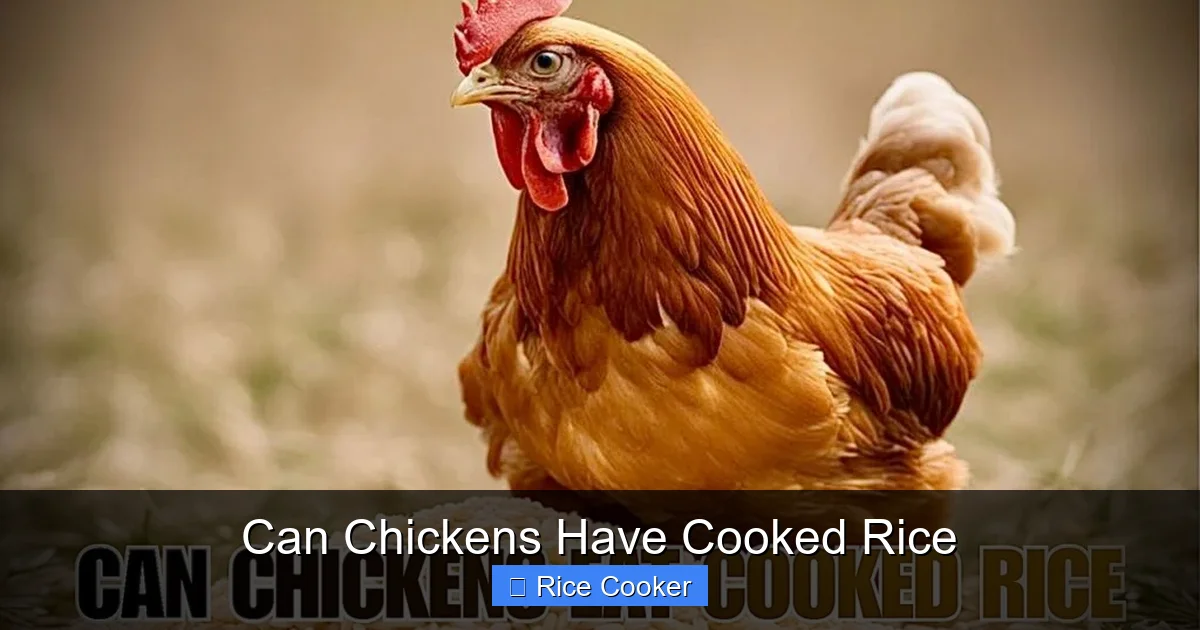
Visual guide about Can Chickens Have Cooked Rice
Image source: theorganicwayfarm.com
Cooked rice isn’t just safe—it’s actually beneficial when included as part of a balanced diet. While chickens primarily need protein, calcium, and healthy fats, carbohydrates from grains like rice provide steady energy and support overall metabolic function. Brown rice, in particular, offers more fiber and micronutrients than white rice, making it a slightly better choice for long-term health.
One of the key nutrients in rice is thiamine (vitamin B1), which helps chickens convert food into usable energy. A deficiency in B vitamins can lead to lethargy, poor feather quality, and reduced egg production. Rice also contains small amounts of magnesium, phosphorus, and iron—minerals that support bone strength, nerve function, and oxygen transport in the blood.
Fiber content varies between white and brown rice. Brown rice has more insoluble fiber, which aids in digestion and helps maintain regular droppings. For chickens prone to constipation or impacted crops, adding a little brown rice to their diet can promote gut motility. However, too much fiber at once can slow digestion, so introduce it gradually and mix with other foods.
Protein content in rice is relatively low compared to legumes or insects, but it still contributes to total dietary intake. Combined with other protein sources like mealworms, sunflower seeds, or supplemental pellets, rice helps round out a well-balanced diet. Just remember: rice alone won’t meet all your chicken’s nutritional needs—it’s best used as a supplement or occasional treat.
White vs. Brown Rice: Which Is Better?
Both white and brown rice are safe and nutritious options, but they offer different benefits:
– White rice: Easier to digest, higher in readily available carbohydrates, ideal for molting chickens needing quick energy.
– Brown rice: Contains more fiber, vitamins, and minerals; supports sustained energy and digestive health.
For most flocks, alternating between the two provides variety and balanced nutrition. If your chickens are underweight or recovering from illness, start with white rice for easier assimilation. Once they regain strength, switch to brown rice to boost their nutrient intake.
How to Serve Cooked Rice to Chickens
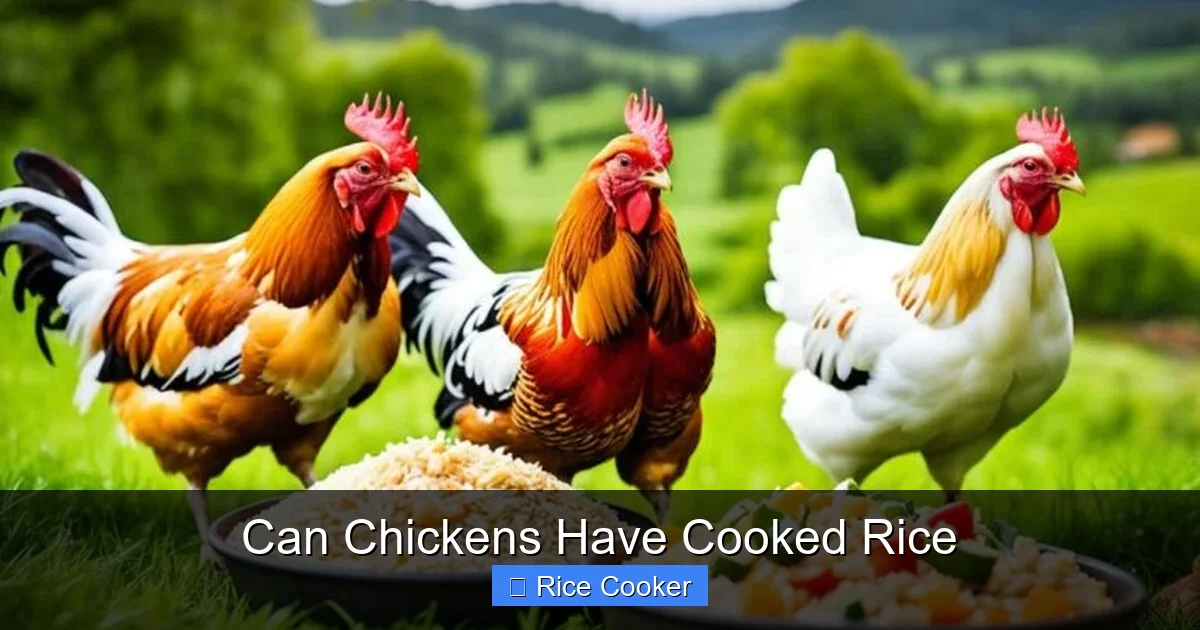
Visual guide about Can Chickens Have Cooked Rice
Image source: bestfarmanimals.com
Feeding cooked rice isn’t rocket science, but there are best practices to follow for maximum safety and enjoyment:
1. **Cool the rice completely** before placing it in the coop. Hot or warm rice releases steam that can irritate chickens’ respiratory tracts.
2. **Use a clean container**—never reuse food bowls from human meals without washing them first.
3. **Start with small portions**, especially if introducing rice for the first time. Observe your birds for 24 hours to ensure no adverse reactions.
4. **Mix with other foods** like chopped vegetables, cracked corn, or mealworms to create a varied, appealing mash.
5. **Avoid moldy or spoiled rice**, which can harbor harmful bacteria like salmonella. Discard any rice that smells off or appears clumpy.
You can scatter rice directly onto the ground or place it in a shallow dish for easy access. Free-range chickens will happily peck at scattered grains, mimicking their natural foraging behavior. Indoor coop birds may prefer a flat surface where they can dig and scratch around the rice.
Practical Feeding Tips
– Feed rice as a treat 2–3 times per week, not daily. Overfeeding can displace more nutritious foods like layer pellets or fresh greens.
– Combine rice with protein-rich snacks such as black soldier fly larvae, dried peas, or scrambled eggs (cooled) for a complete meal.
– If using rice as a base for scratch grains, limit total scratch to no more than 10% of daily intake to prevent malnutrition.
– Store leftover cooked rice in an airtight container in the fridge for up to 4 days. Reheat gently before serving—never microwave with metal or leave near open flames.
Remember, chickens enjoy variety. Rotating treats keeps them engaged and prevents boredom-related pecking or cannibalism. Try mixing rice with oats, quinoa, or even mashed sweet potatoes for exciting new flavors.
Potential Risks and How to Avoid Them
Even though cooked rice is generally safe, improper handling can lead to health issues. Here are the main concerns and how to prevent them:
– Salt poisoning: Avoid seasoned rice entirely. Salt disrupts fluid balance and can cause seizures or death.
– Obesity and fatty liver syndrome: Feeding greasy or fried rice introduces unhealthy fats. Stick to plain, boiled versions.
– Digestive upset: Overfeeding rice can dilute stomach acids needed to process proteins and vitamins. Balance with grit and probiotics if necessary.
– Mold exposure: Store rice properly and discard anything that smells sour or shows green/black spots.
Always wash your hands and tools after handling human food to reduce cross-contamination risk. Chickens are susceptible to diseases like avian influenza, so hygiene matters more than with pets like dogs or cats.
Signs Your Chicken May Be Having Trouble Digesting Rice
Watch for these symptoms after introducing rice:
– Diarrhea or unusually soft droppings
– Reduced appetite or lethargy
– Swollen vent area or difficulty walking
– Regurgitation or reverse peristalsis
If you notice any of these signs, stop feeding rice immediately and consult a poultry veterinarian. Most issues resolve quickly once the offending food is removed, but early intervention improves outcomes.
Cooking Methods That Work Best
Not all ways of preparing rice are equally safe or nutritious. Here’s how to cook rice the right way for chickens:
– **Boil with water only**: Simmer white or brown rice in plain water until tender. Drain excess liquid if needed.
– **Steam lightly**: Instead of boiling, steaming preserves more nutrients and reduces starch breakdown.
– **Avoid pressure cooking**: While safe, pressure-cooked rice may become too soft and lose texture appeal.
– **No added oils or sauces**: Even “healthy” olive oil can upset a chicken’s metabolism long-term.
After cooking, let the rice sit uncovered for 5–10 minutes to cool. This step also allows excess moisture to evaporate, preventing sogginess that discourages pecking.
Batch Cooking for Convenience
Backyard farmers often prepare large batches of plain rice on weekends and store portions in the fridge or freezer. Label containers clearly and use within 4 days (refrigerated) or freeze for up to 2 months. Thaw frozen rice slowly in cold water before serving to maintain texture.
This method saves time and ensures consistent quality—especially helpful during busy seasons when you can’t spare time for daily prep.
Alternatives and Complementary Foods
While rice is a great treat, it shouldn’t replace core components of a chicken’s diet. Focus on these essentials:
– **Layer feed or chick starter pellets**: Provide complete nutrition tailored to age and purpose.
– **Fresh greens**: Kale, spinach, lettuce, and herbs add vitamins A, C, and K.
– **Insects and worms**: Mealworms, crickets, and earthworms supply high-quality protein.
– **Calcium sources**: Oyster shells, crushed eggshells, or dark leafy greens support strong eggshells.
Rice fits best as an occasional supplement rather than a primary food source. Think of it like dessert—enjoyable, but not filling the whole plate.
Other grain-based treats include:
– Cooked oatmeal (unsweetened)
– Scrambled eggs (cooled)
– Cooked lentils or beans (soaked first)
– Crushed crackers or bread (in moderation)
Always rotate treats to avoid dependency on one type of food and to expose chickens to a wider range of nutrients.
Real-Life Examples and Success Stories
Many homesteaders report positive experiences feeding cooked rice to their flocks. Sarah T., a backyard chicken enthusiast from Oregon, started giving her hens plain brown rice after noticing they loved scavenging spilled grains. “They go wild for it,” she says. “I mix it with pumpkin puree and sprinkle in some dried herbs for extra vitamins.”
Another keeper, James R., uses rice as part of a molting recovery plan. “My girls lost feathers last winter and seemed sluggish. I added white rice to their diet for three weeks, and they bounced back faster than expected.” He notes that combining rice with extra protein and calcium made a noticeable difference.
Conversely, Lisa M. learned the hard way about overindulgence. “I kept feeding my rooster leftover takeout rice with soy sauce,” she recalls. “He got bloated and stopped laying. After switching to plain boiled rice and cutting back, he recovered fully.” Her story underscores the importance of preparation and portion control.
These anecdotes highlight both the benefits and pitfalls of feeding rice. With proper knowledge and care, most flocks adapt well and enjoy the treat.
Conclusion: Rice Can Be Part of a Healthy Flock Diet
To wrap things up: yes, chickens can have cooked rice—but only when done right. Plain, cooled, and unseasoned rice offers energy, fiber, and trace nutrients that complement a balanced diet. It’s a safe and satisfying treat that many birds adore, especially when introduced gradually and mixed with other wholesome foods.
Just remember: moderation is key. Treats like rice should never outweigh nutritionally dense staples such as pellets, fresh produce, and protein sources. And always prioritize cleanliness and proper storage to avoid contamination or spoilage.
By following these guidelines, you’ll keep your chickens happy, healthy, and full of life. Whether you’re feeding a few backyard birds or managing a larger coop, a little plain rice can go a long way toward enriching their lives—without compromising their well-being.
Frequently Asked Questions
Can chickens eat fried rice?
No, fried rice contains oils, salt, and sometimes onions or garlic, which are harmful to chickens. Only plain, boiled rice is safe.
How much cooked rice should I feed my chickens?
Offer small portions—about the size of a golf ball per bird—2–3 times weekly. Monitor their response and adjust accordingly.
Will cooked rice affect egg production?
In moderation, cooked rice won’t hurt egg production and may even provide energy. However, overfeeding or poor-quality rice can stress the body and reduce output.
Can baby chicks eat cooked rice?
Not until they’re at least 6–8 weeks old and eating starter feed. Their sensitive digestive systems can’t handle grains until they develop fully.
Does cooked rice spoil quickly?
Yes, plain cooked rice lasts about 4 days in the fridge. Discard any rice that smells sour, feels slimy, or shows mold.
Can I give my chickens leftover boiled rice from dinner?
Only if it’s plain, cooled, and free of seasonings or grease. Rinse it briefly before serving to remove any traces of salt or oil.