
Can cook rice be frozen? Absolutely — and doing it the right way makes all the difference. Freezing cooked rice is a smart strategy to reduce waste, save time, and keep meals ready-to-eat. Whether you’re meal prepping or leftovers are piling up, this simple method helps preserve taste and texture while keeping your kitchen organized.
Have you ever opened your fridge to find a pot of leftover rice staring back at you, wondering, “Can I freeze this?”? If so, you’re not alone. Cooked rice is one of those versatile staples that often ends up either getting eaten quickly or tossed out due to uncertainty about storage. The good news? Cooked rice can absolutely be frozen, and when done correctly, it stays safe, delicious, and perfect for future meals. In fact, freezing rice is one of the most efficient ways to meal prep, cut down on waste, and have go-to sides ready when you need them.
Whether you just made a big batch of jasmine rice for dinner or accidentally cooked more than anyone could eat, knowing how to freeze rice properly can transform your kitchen routine. From choosing the right container to mastering the reheat, this guide walks you through everything you need to know about freezing cooked rice like a pro. Let’s dive in.
Key Takeaways
- Yes, cooked rice can be safely frozen — it’s a great way to extend shelf life and reduce food waste.
- Proper storage technique matters — use airtight containers or freezer bags and avoid overfilling to ensure even freezing.
- Thawing and reheating are easy — just microwave with a splash of water or steam in the oven for best results.
- Freezing affects texture slightly — rice may become firmer after thawing, but proper prep and reheating keep it tender.
- Label and date your containers — this helps track freshness and ensures you use the oldest batches first.
- Not all rice types freeze well — stick to short- or medium-grain rice; avoid sticky or highly seasoned varieties.
- Freezing preserves nutrients — when done correctly, frozen rice retains most of its vitamins and minerals.
Quick Answers to Common Questions
Can you freeze cooked rice from the rice cooker?
Absolutely! Just let it cool completely before transferring to freezer-safe containers. The rice cooker itself isn’t involved in freezing, but its output can be stored effectively.
How do I prevent frozen rice from getting hard?
Store rice in small portions, seal tightly, and add a bit of water or oil before freezing. Reheat with steam or a splash of liquid to restore softness.
Can I freeze rice that’s already mixed with other ingredients?
Only if the mix is simple and stable. Plain rice freezes best. Avoid mixes with dairy, mayonnaise, or heavy sauces that can separate or spoil.
Is frozen rice safe to eat?
Yes, if handled properly. Cooked rice can be safely frozen and reheated multiple times, as long as it’s cooled, sealed, and thawed/reheated correctly.
How long does frozen rice last in the freezer?
Up to 6 months for safety, but best quality lasts 1–3 months. Label containers and rotate stock to use older batches first.
📑 Table of Contents
Why Freeze Cooked Rice?
Freezing isn’t just for ice cream or frozen berries — it works wonders for cooked rice too. But why bother? Here are some compelling reasons:
First, it reduces food waste. According to the USDA, millions of pounds of rice are thrown away each year simply because people don’t know how to store leftovers. By freezing your rice, you extend its shelf life from a few days to several months. Second, it saves time. Imagine having perfectly cooked rice waiting in your freezer, ready to be transformed into fried rice, rice bowls, or casseroles with minimal effort. Third, freezing preserves nutrients. While some vitamins degrade during cooking, freezing slows down further oxidation, helping retain what’s left.
Another benefit? Consistency. When you freeze rice in small portions, you avoid the common pitfalls of overcooking or drying out large batches later. Plus, if you use a rice cooker regularly, you’ll soon appreciate how freezing turns leftovers into an asset rather than a hassle.
How Long Can You Keep Frozen Rice?
The magic number here is up to 6 months. Most experts agree that frozen cooked rice remains safe and retains quality for six months. Beyond that, while it won’t necessarily spoil (thanks to freezing), the texture may start to degrade, becoming mushy or chalky when reheated.
That said, optimal freshness lasts 1–3 months. For best results, aim to use your frozen rice within this window. Always label your containers with the date so you can rotate stock easily. Think of it like a pantry inventory system — first in, first out.
Best Practices Before Freezing Cooked Rice
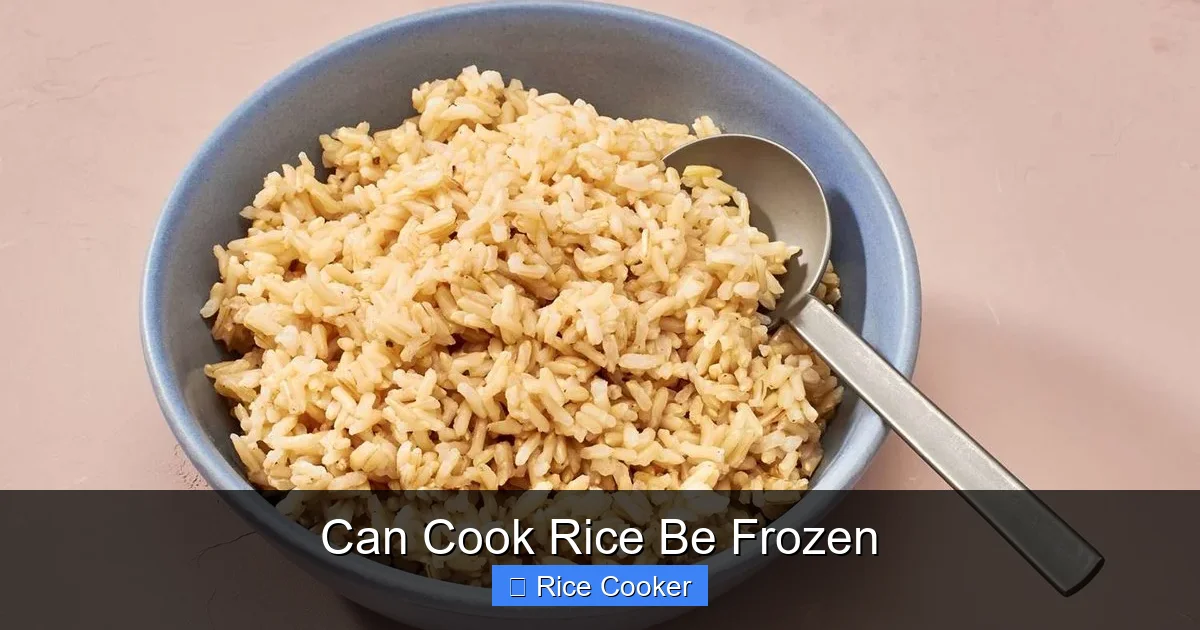
Visual guide about Can Cook Rice Be Frozen
Image source: recipes.net
You wouldn’t throw meat into the freezer without cooling it first, and the same rule applies to rice. Here’s how to prepare your rice for freezing like a champ:
Let It Cool Completely
Never place hot rice directly into a freezer-safe container. Doing so raises the internal temperature of your freezer, potentially affecting other items and reducing its efficiency. Instead, spread the rice out on a baking sheet or shallow dish and let it cool at room temperature for 30–60 minutes. This step also prevents clumping and helps maintain individual grains.
Portion It Out
Divide your cooled rice into meal-sized portions — think 1 cup per container. Why? Because when you thaw only what you need, you minimize waste and avoid repeated freeze-thaw cycles, which can compromise texture. Use muffin tins lined with parchment paper for easy cube removal, or opt for reusable silicone freezer trays designed specifically for grains.
Choose the Right Container
Not all containers are created equal. Avoid glass unless it’s labeled as freezer-safe and has a wide mouth to allow airflow. Instead, choose:
– Airtight plastic containers with tight-fitting lids
– Heavy-duty freezer bags (lay flat to save space)
– Silicone freezer molds
If using bags, squeeze out excess air before sealing. This prevents freezer burn — a dry, leathery spot that forms when moisture escapes and refreezes.
Add a Moisture Barrier (Optional)
Some home cooks swear by placing a piece of wax paper between layers of rice to prevent sticking. While not essential, it can make thawing easier. Alternatively, sprinkle a tiny bit of oil or water on top before sealing to help retain moisture during freezing.
Step-by-Step: How to Freeze Cooked Rice Properly
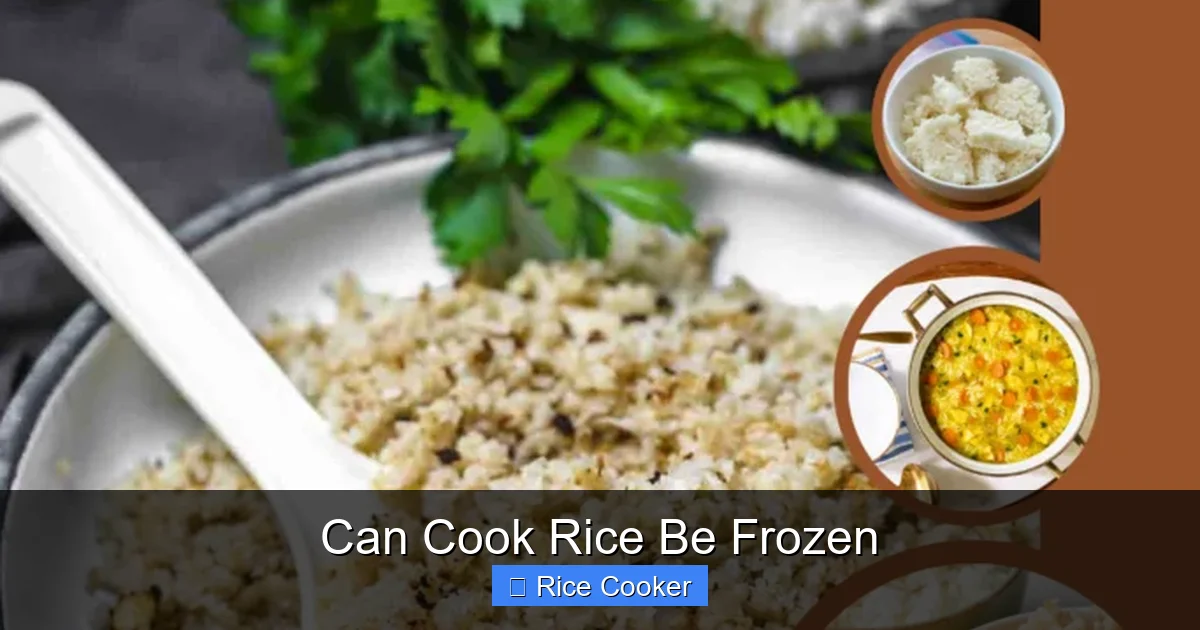
Visual guide about Can Cook Rice Be Frozen
Image source: canyourefreeze.com
Ready to freeze? Follow these simple steps:
1. **Cool the rice** — spread it thinly on a baking sheet and let it sit until no longer warm to the touch.
2. **Portion into containers** — fill each container about ¾ full to allow expansion during freezing.
3. **Seal tightly** — ensure lids are secure or bags are vacuum-sealed.
4. **Label and date** — write the contents and date with a permanent marker.
5. **Place in the freezer** — lay bags flat or stack containers neatly for efficient storage.
Once frozen solid (usually within 2–4 hours), transfer bagged rice to a larger container or stackable trays to maximize freezer real estate.
Common Mistakes to Avoid
Even experienced cooks slip up sometimes. Watch out for these errors:
– **Freezing rice still warm** — leads to uneven freezing and potential bacterial growth in the center.
– **Overfilling containers** — causes cracks and spills when frozen.
– **Skipping labels** — forgets what’s inside or how long it’s been there.
– **Using non-freezer-safe materials** — like regular glass jars or thin plastic bags that tear.
Avoiding these pitfalls ensures your rice stays fresh, safe, and ready to enjoy.
How to Thaw and Reheat Frozen Rice
The secret to great frozen rice lies not just in storage, but in how you bring it back to life. Here’s how to do it right:
Thawing Methods
You have two main options:
– **Refrigerator thawing** — move the container to the fridge overnight. This is slow but gentle, preserving texture and flavor.
– **Cold water bath** — submerge sealed bags in cold water for 15–30 minutes until fully defrosted. Change the water every 10 minutes for faster results.
Avoid microwaving to thaw — it can cook the outside before the inside thaws.
Reheating Like a Pro
Once thawed, rice needs moisture to regain its fluffy texture. Try these methods:
**Microwave Method:**
Place rice in a microwave-safe bowl, add a tablespoon of water, cover with a damp paper towel, and heat in 30-second intervals until steaming.
**Oven/Stovetop Method:**
Spread rice on a baking sheet, cover tightly with foil, and bake at 300°F (150°C) for 15 minutes, stirring halfway. Or simmer gently on the stove with a lid.
**Steam Method (Best for Fluffiness):**
Put rice in a steamer basket over boiling water for 5–10 minutes. The steam revives moisture without overcooking.
Fluff and Season
After reheating, fluff with a fork and taste. Add salt, herbs, or a drizzle of oil if needed. Frozen rice absorbs flavors beautifully — try tossing it with soy sauce, sesame oil, or chili flakes for instant Asian-inspired goodness.
Which Types of Rice Freeze Best?
Not all rice varieties behave the same when frozen. Here’s the breakdown:
Short-Grain Rice (e.g., sushi rice, arborio)
These stickier rices tend to clump more after freezing, but they reheat well if handled carefully. Ideal for risotto, rice pudding, or Japanese dishes.
Medium-Grain Rice (e.g., calrose, bomba)
Balanced texture and moderate stickiness make this variety a reliable choice for freezing. Great for pilafs and grain bowls.
Long-Grain Rice (e.g., basmati, jasmine, white)
The winner for freezing! Long-grain rice holds its shape better post-thaw and rarely becomes mushy. Perfect for stir-fries, curries, and salads.
Avoid These Types
– **Highly seasoned rice** (like curry or fried rice) — salt and oils can separate during freezing.
– **Rice mixed with dairy or eggs** — these ingredients curdle or spoil faster when frozen.
– **Instant or quick-cook rice** — altered starches may break down unpredictably.
Stick to plain, freshly cooked rice for the best results.
Creative Ways to Use Frozen Rice
Freezing rice opens up endless possibilities. Don’t just reheat it plain — turn it into something new:
Rice Bowls & Grain Salads
Combine reheated rice with roasted veggies, beans, avocado, and tahini dressing for a quick lunch.
Fried Rice
Sauté frozen rice with scrambled eggs, peas, carrots, and soy sauce. The slightly firmer texture actually works better than fresh rice!
Stuffed Peppers or Veggie Cups
Mix rice with cheese, spices, and diced vegetables, then bake in bell peppers or zucchini boats.
Mushroom Risotto
Use frozen short-grain rice as a base — just add warm broth slowly while stirring until creamy.
Rice Pudding
Simmer frozen rice with milk, cinnamon, and sugar for a comforting dessert.
The key is to let your creativity run wild. Frozen rice is a blank canvas.
Food Safety Tips for Frozen Rice
Safety first! Even though rice can be frozen safely, bacteria like *Bacillus cereus* can survive cooking and reactivate during improper reheating. Follow these guidelines:
– **Never leave rice at room temperature for more than 2 hours** — especially in warm climates (>90°F).
– **Reheat thoroughly** — ensure internal temperature reaches 165°F (74°C).
– **Don’t refreeze thawed rice** — once thawed, treat it like fresh food and consume within 1–2 days.
– **Trust your senses** — if it smells off, tastes strange, or shows signs of mold, toss it.
When in doubt, throw it out. Better safe than sorry!
Final Thoughts: Freeze It, Save It, Love It
So, can cook rice be frozen? Without a doubt — yes, absolutely. With just a few mindful steps, you can transform everyday leftovers into convenient, nutritious meals months down the line. Freezing rice isn’t about preservation alone; it’s about empowerment. Empowerment to reduce waste, save money, and simplify mealtime.
Next time you open your rice cooker, remember: every grain has potential. Portion it, freeze it, and let it work for you. Your future self will thank you — especially on those nights when you’re too tired to cook from scratch.
Frequently Asked Questions
Can I freeze rice immediately after cooking?
No, always let rice cool to room temperature before freezing. Placing hot rice in the freezer raises its temperature and risks contamination.
Does freezing ruin the taste of rice?
Not if done properly. While texture may change slightly, most people find frozen rice tastes nearly identical when reheated with care.
Can I freeze rice with butter or oil added?
Yes, but add it just before freezing. Oils can separate, so stir well and store in airtight containers to maintain consistency.
How do I know if frozen rice has gone bad?
If it develops an off smell, slimy texture, or mold, discard it immediately. Otherwise, it should be safe to eat within 6 months.
Can I freeze rice for more than 6 months?
While technically safe, quality declines after 6 months. Texture and flavor may suffer, so aim to use it within that timeframe.
Should I freeze rice in single servings?
Yes! Single-serving portions make thawing easier and reduce waste. Use muffin tins or silicone trays for quick, portioned cubes.