
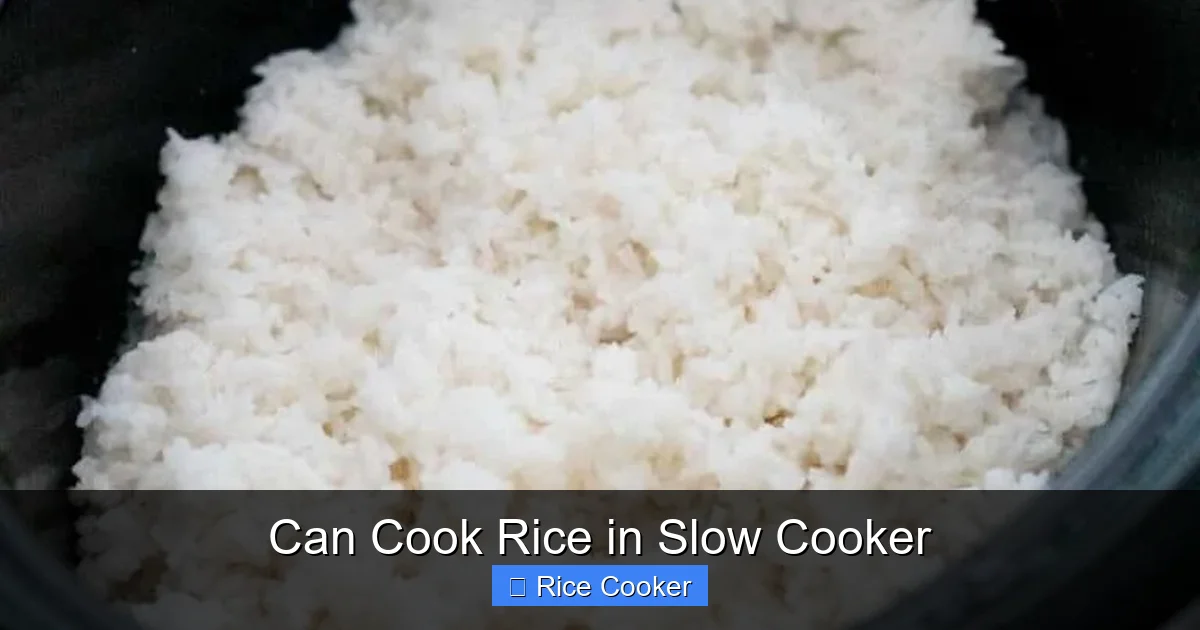
Can you cook rice in a slow cooker? Absolutely! With the right water-to-rice ratio and a few simple steps, your slow cooker can produce fluffy, delicious rice without any guesswork. Whether you’re meal prepping or just want a hands-off method, this versatile kitchen tool works surprisingly well for cooking rice. In this guide, we’ll walk you through everything from basic white rice to more complex grains like jasmine and brown rice, plus pro tips to avoid mushy or undercooked results.
Key Takeaways
- Rice can be successfully cooked in a slow cooker: It’s not just for soups and stews—your slow cooker is perfect for making tender, fluffy rice with minimal effort.
- Use the right water-to-rice ratio: Generally, 1:1.5 to 1:2 (rice to water) works best, depending on the type of rice.
- Don’t skip the resting step: Leting the rice sit for 10–15 minutes after cooking helps it firm up and absorb excess moisture.
- Adjust for altitude and cook time: High-altitude cooking may require slightly less water, and longer cook times can affect texture.
- Experiment with flavors: Add broth, herbs, or spices to elevate plain rice into a flavorful side dish or main course.
- Clean-up is easy: Use a non-stick slow cooker liner or line the insert with parchment paper for effortless cleanup.
Key Takeaways
- Understanding can cook rice in slow cooker: Provides essential knowledge
Quick Answers to Common Questions
Can I cook instant rice in a slow cooker?
Yes, but it’s not recommended. Instant rice is designed for short cook times and can become mushy in a slow cooker. Stick to regular long-grain rice for best results.
Do I need to soak rice before slow cooking?
Not for white rice—rinse it instead. For brown or wild rice, a brief soak (30 minutes) can reduce cook time and improve texture, but it’s optional.
Why is my slow cooker rice too wet?
You likely used too much water or opened the lid too often. Try reducing water by 1/4 cup next time and resist peeking during cooking.
Can I add vegetables to slow cooker rice?
Absolutely! Carrots, peas, or corn kernels add color and nutrition. Add them during the last hour of cooking so they don’t turn to mush.
Is slow cooker rice safe to eat?
Yes, as long as you follow food safety guidelines—don’t leave cooked rice at room temperature for more than 2 hours, and store leftovers promptly.
📑 Table of Contents
- Can You Really Cook Rice in a Slow Cooker? Yes, and It’s Amazing!
- The Science Behind Cooking Rice in a Slow Cooker
- Best Types of Rice for Slow Cooker Cooking
- How to Cook Rice in a Slow Cooker: Step-by-Step Guide
- Common Mistakes to Avoid
- Creative Ways to Use Slow Cooker Rice
- Slow Cooker vs. Rice Cooker: Which Is Better?
- Final Tips for Perfect Slow Cooker Rice Every Time
Can You Really Cook Rice in a Slow Cooker? Yes, and It’s Amazing!
Have you ever been in the middle of preparing dinner, realized you forgot to start the rice on the stove, and panicked about how to salvage the meal? Or maybe you just want something that cooks while you’re at work or relaxing at home—without babysitting the pot? If so, your slow cooker might be the unsung hero you didn’t know you needed.
Cooking rice in a slow cooker isn’t a new trick—it’s a game-changer for busy families, meal preppers, and anyone who loves the convenience of “set it and forget it” cooking. Unlike traditional stovetop methods that require constant attention to prevent burning or sticking, a slow cooker gently simmers rice over hours, allowing it to cook evenly and absorb just the right amount of moisture. The result? Fluffy, tender grains with no scorched bottoms and minimal cleanup.
But before you rush to dump uncooked rice into your Crock-Pot, there are a few key things to know. Not all slow cookers are created equal, and different types of rice behave differently when exposed to low, steady heat. That’s why this guide will walk you through the science, the ratios, and the best practices so you never have to wonder, “Can cook rice in slow cooker” again—because now you’ll know exactly how.
The Science Behind Cooking Rice in a Slow Cooker
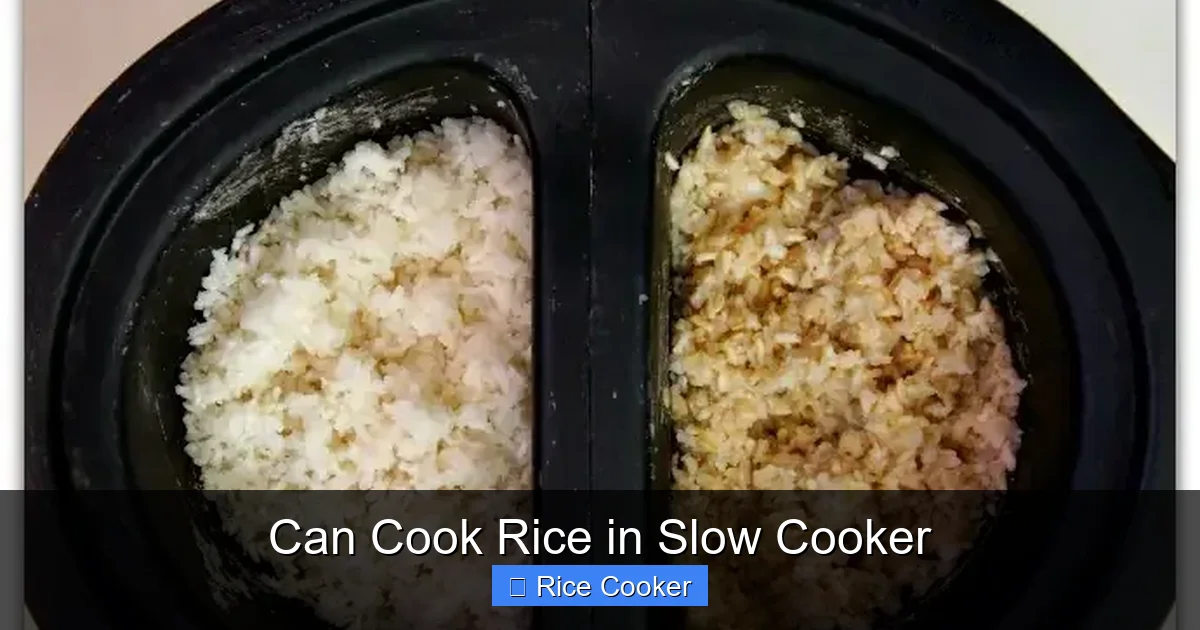
Visual guide about Can Cook Rice in Slow Cooker
Image source: 365daysofcrockpot.com
So, why does rice cook so well in a slow cooker? It all comes down to heat distribution and moisture control. When you boil rice on the stovetop, high heat quickly evaporates water, which can lead to uneven cooking—some grains stay hard, others get mushy. In contrast, a slow cooker maintains a consistent, gentle temperature (usually around 190–200°F), allowing the starch in rice to break down gradually and absorb water evenly.
Rice contains starch, primarily amylose and amylopectin. When heated with water, these starches swell and gelatinize, turning the raw grain into something soft and palatable. A slow cooker’s low-and-slow approach ensures this process happens uniformly, without the risk of scorching or drying out. Plus, because the lid traps steam, humidity builds up inside, creating a mini-vapor environment that mimics the effect of a rice cooker.
However, not all rice is the same. White rice, like jasmine or basmati, has less fiber and cooks faster than brown rice, which needs more time and liquid. Wild rice, arborio, and other specialty grains have unique textures and absorption rates. Understanding these differences helps you adjust cooking times and ratios for perfect results every time.
Best Types of Rice for Slow Cooker Cooking
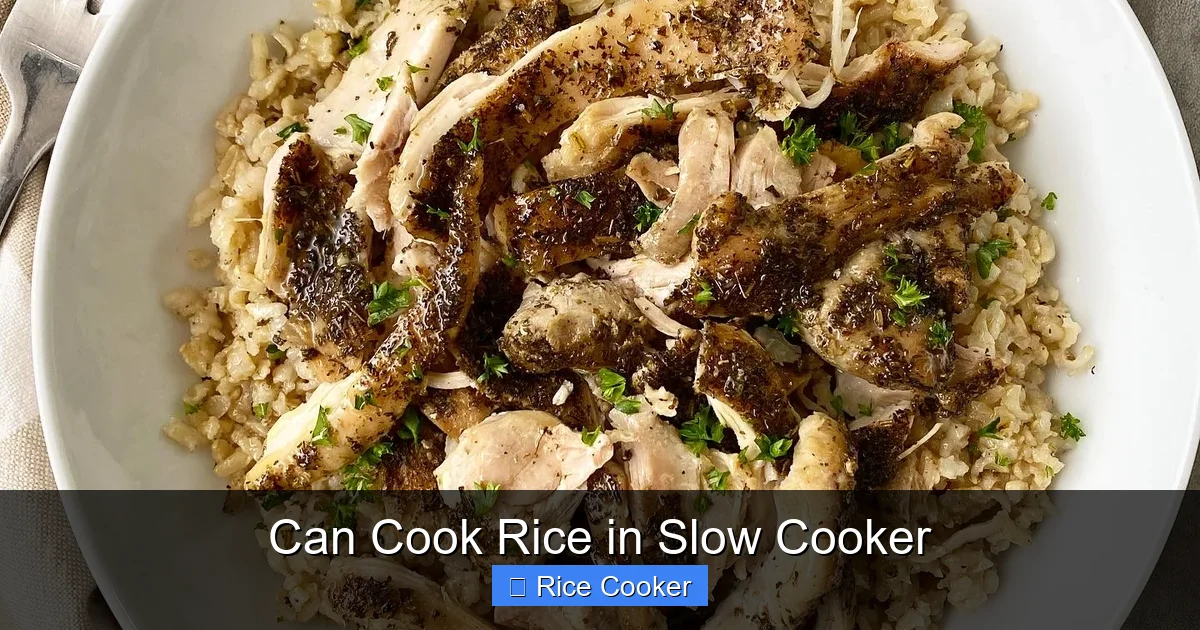
Visual guide about Can Cook Rice in Slow Cooker
Image source: fitslowcookerqueen.com
While most rice varieties can be cooked in a slow cooker, some work better than others. Here’s a breakdown of the top contenders:
White Rice (Jasmine, Basmati, Long-Grain)
These are the easiest to cook and yield the fluffiest results. Jasmine rice, in particular, becomes wonderfully fragrant in a slow cooker, almost like steaming over a wok. Because white rice has had its bran and germ removed, it absorbs water quickly and doesn’t require long soaking times.
Brown Rice
Brown rice takes longer due to its higher fiber content, but it’s still totally doable. You’ll need to increase the water ratio slightly and extend the cook time. Some people soak brown rice overnight before cooking to speed up the process.
Wild Rice
This nutty, chewy grain requires the longest cook time—often 3–4 hours on low. It also benefits from a bit of fat (like butter or oil) to help it cook evenly.
Arborio and Short-Grain Rice
Perfect for risottos, these rices release more starch when stirred, creating a creamy texture. However, they need constant stirring on the stovetop. In a slow cooker, they can become too soft unless monitored closely.
For beginners, we recommend starting with white rice. Once you master the basics, you can experiment with other grains.
How to Cook Rice in a Slow Cooker: Step-by-Step Guide
Ready to try it yourself? Follow these simple steps for foolproof rice every time.
Gather Your Ingredients
You’ll need:
– 1 cup uncooked rice (white, brown, or wild)
– 1.5 to 2 cups water or broth (depending on rice type)
– Optional: salt, butter, oil, or seasonings
Prepare the Rice
Rinse white rice under cold water until the water runs clear. This removes excess starch and prevents gunkiness. For brown or wild rice, a quick rinse is enough—no need to soak unless desired.
Add Everything to the Slow Cooker
Place rinsed rice in the insert. Pour in water or broth. Add a pinch of salt and a teaspoon of butter or oil if desired (this helps prevent sticking). Stir once to combine.
Cook on Low or High?
For white rice: Cook on LOW for 2–3 hours or HIGH for 1–1.5 hours.
For brown rice: LOW for 3–4 hours, HIGH for 2–2.5 hours.
For wild rice: LOW for 3.5–4 hours.
Let It Rest
Once done, turn off the slow cooker and let the rice sit, covered, for 10–15 minutes. This allows residual heat to finish cooking and firms up the texture.
Fluff and Serve
Use a fork to fluff the rice gently. Add extra butter, herbs, or spices if you like.
Pro tip: Never lift the lid during cooking—each time you open it, you lose heat and moisture, which can extend cook time.
Common Mistakes to Avoid
Even with the best intentions, a few common errors can ruin your slow cooker rice.
Mistake #1: Using Too Much or Too Little Water
Too little = dry, chalky rice. Too much = soggy, mushy mess. Stick to tested ratios and adjust only if needed based on your specific slow cooker model.
Mistake #2: Not Rinsing the Rice
Skipping this step leads to sticky, clumpy rice. Always rinse white rice thoroughly.
Mistake #3: Opening the Lid Frequently
Each time you lift the lid, steam escapes. For every 15 minutes of opening, add 5–10 minutes to cook time.
Mistake #4: Overcooking Brown Rice
Brown rice can become tough if left too long. Check it halfway through by tasting a grain.
Mistake #5: Not Letting It Rest
Rushing to serve without letting the rice rest results in uneven texture. Patience pays off!
Creative Ways to Use Slow Cooker Rice
Plain rice is great—but why stop there?
Infuse Flavors with Broth
Instead of water, use chicken, vegetable, or beef broth. Add garlic, onion powder, or bay leaves for extra depth.
Make Fried Rice
Cook rice ahead, cool completely, then stir-fry in a pan with soy sauce, egg, and veggies. Works best with day-old rice.
Bake Rice Pudding
Combine cooked rice with milk, sugar, cinnamon, and raisins. Cook on LOW for another hour for a warm dessert.
Serve with Curries and Stews
Slow cooker rice pairs beautifully with Indian, Thai, or Mexican dishes. Serve it as a side or mix it into casseroles.
Try Coconut Rice
Add coconut milk instead of water and a splash of lime juice for a tropical twist.
With endless possibilities, your slow cooker becomes more than just a soup maker—it’s a rice-making powerhouse.
Slow Cooker vs. Rice Cooker: Which Is Better?
You might be wondering: if I already have a rice cooker, do I really need to use my slow cooker for rice? Great question!
Rice cookers are designed specifically for rice—they maintain precise temperatures, have built-in timers, and often feature keep-warm functions. They’re ideal for one-pot meals and consistent results.
But slow cookers offer flexibility. You can cook rice alongside beans, meat, or vegetables in the same pot. They’re also great for large batches and meal prep. Plus, many people don’t own a dedicated rice cooker.
That said, if you want the fluffiest, most reliable rice every single time, a rice cooker wins. But if you’re short on time, love multi-tasking, or just want a backup method, your slow cooker is ready to shine.
Final Tips for Perfect Slow Cooker Rice Every Time
– **Use a non-stick liner** to avoid scrubbing stuck-on rice later.
– **Measure carefully**: Volume can vary between brands.
– **Test doneness halfway** through for brown or wild rice.
– **Store leftovers** in an airtight container for up to 5 days.
– **Reheat with a splash of water** to restore moisture.
With these tips, you’ll never second-guess whether you can cook rice in a slow cooker again. It’s not magic—it’s science, patience, and a little kitchen intuition.
Frequently Asked Questions
What’s the best water-to-rice ratio for slow cooker rice?
For white rice, use 1 cup rice to 1.5 cups water. For brown rice, increase to 2 cups water. Adjust based on your slow cooker’s size and model.
Can I cook rice in a slow cooker on the high setting?
Yes, but it may take less time and could result in slightly firmer texture. High works well for white rice (1–1.5 hours), but low is gentler overall.
How do I prevent rice from sticking to the slow cooker?
Use a non-stick liner, add a teaspoon of oil or butter, and avoid lifting the lid frequently. Also, ensure proper water levels.
Can I cook rice in a slow cooker without a lid?
No—the lid traps steam, which is essential for even cooking. Removing it causes moisture loss and extends cook time significantly.
How long does slow cooker rice last in the fridge?
Freshly cooked rice keeps well in an airtight container for up to 5 days. Reheat with a splash of water or broth to restore moisture.
Can I cook rice and beans together in a slow cooker?
Yes! Beans like black or pinto rice work great. Soak dried beans first, then cook with rice using slightly more water than usual.