

Can you steam eggs in a rice cooker? Absolutely! This simple kitchen trick lets you make tender, custard-like steamed eggs using just your rice cooker and a heat-safe bowl. It’s quick, mess-free, and perfect for breakfast or meal prep. With the right technique, you can achieve restaurant-quality results at home—no special equipment required.
Have you ever stood over a pot of boiling water, worried about timing while trying to multitask in the kitchen? Or maybe you’re tired of scrambling eggs that turn out too dry or runny? If so, there’s a clever kitchen hack that might just change your breakfast game: steaming eggs in a rice cooker. Yes, you read that right—your trusty rice cooker isn’t just for grains anymore!
Using a rice cooker to steam eggs is not only possible but also surprisingly effective. It’s an underappreciated feature that turns an everyday appliance into a versatile cooking tool. Whether you’re making fluffy scrambled eggs or delicate custard-like steamed eggs, the rice cooker can deliver consistent results with minimal effort. Plus, it frees up your stovetop for other dishes. In this guide, we’ll walk you through everything you need to know—from basic techniques to creative recipes—so you can master steaming eggs in your rice cooker like a pro.
Key Takeaways
- Yes, you can steam eggs in a rice cooker: It’s a practical, energy-efficient method that produces soft, creamy eggs without constant attention.
- Use the inner pot and a heat-safe bowl: The rice cooker acts as a built-in steamer when paired with a properly fitted container.
- Control cooking time carefully: Steaming eggs takes about 10–15 minutes; overcooking leads to rubbery results.
- Add flavor enhancers like salt or sesame oil: These improve texture and taste without affecting the steaming process.
- Clean-up is easy: Most parts are dishwasher-safe, making post-cooking cleanup simple and fast.
- Ideal for meal prep and on-the-go meals: Steamed egg cups store well in the fridge and reheat beautifully.
- Safety first: Always use a lid or cover to prevent condensation from dripping into the bowl and ensure even heating.
📑 Table of Contents
Why Steam Eggs in a Rice Cooker?
Before diving into the “how,” let’s talk about the “why.” Why would anyone choose to steam eggs instead of frying, scrambling, or poaching them? And why use a rice cooker specifically?
Steaming is one of the healthiest cooking methods available. Unlike frying, which adds extra fat, steaming preserves nutrients and keeps eggs light and tender. Eggs retain their moisture, resulting in a silky texture that’s hard to beat. They’re also lower in calories and saturated fat, making them ideal for people watching their intake.
Now, why a rice cooker? Because it’s already in your kitchen! Most modern rice cookers come with multiple functions—like warming, delay timers, and even slow cooking modes—making them far more than just grain processors. When used correctly, they provide even, gentle heat that mimics a low simmer, perfect for delicate foods like eggs.
Additionally, steaming in a rice cooker means less mess. No splattering grease, no babysitting a pan on the stove, and no risk of burning. Once you set it up, the rice cooker does the work for you. That’s efficiency, convenience, and cleanliness all rolled into one.
What You Need to Get Started
You don’t need fancy gadgets or expensive accessories to steam eggs in a rice cooker. In fact, most of what you’ll use is already part of the machine itself. Here’s what you’ll need:
– A standard electric rice cooker (preferably one with a non-stick inner pot)
– A heat-safe bowl or cup that fits inside the inner pot
– Fresh eggs (preferably at room temperature for easier peeling later)
– Water (about ½ to ¾ inch deep in the inner pot)
– Optional: cheesecloth, paper towel, or a small lid to cover the egg container
– Optional: seasonings like salt, pepper, or soy sauce
The key is choosing the right bowl. It must be able to sit upright inside the rice cooker without tipping over. Glass Pyrex bowls work great because they conduct heat evenly and are oven-safe. Avoid metal containers unless they’re specifically designed for use in rice cookers—some may react with acidic ingredients or cause uneven heating.
Once you have these items ready, you’re all set to begin. No preheating required. Just plug in your rice cooker, add water, place the bowl inside, crack your eggs into it, and let science take over.
Choosing the Right Container
Not all containers are created equal when it comes to steaming eggs. The container needs to be stable, heat-resistant, and allow steam to circulate freely around the eggs. Here are some popular options:
– **Glass measuring cups**: These often have wide mouths and sturdy bases, making them ideal for holding liquid or semi-solid mixtures.
– **Small ceramic bowls**: Look for ones with shallow sides so steam can reach the top of the eggs.
– **Heatproof silicone cups**: Flexible yet durable, these are great for portion control and easy removal.
– **Specialized egg cups**: Some brands sell tiny silicone molds made specifically for steaming eggs in rice cookers. These are reusable and produce uniform shapes.
Avoid plastic containers unless labeled as microwave-safe and oven-safe—many plastics can warp or release harmful chemicals when heated.
Also, consider using a double layer of cheesecloth or a damp paper towel underneath the eggs. This helps absorb excess moisture and prevents the yolks from breaking apart during cooking.
Step-by-Step Guide to Steaming Eggs
Ready to give it a try? Follow these simple steps to steam perfect eggs in your rice cooker:
Step 1: Prepare Your Rice Cooker Base
Fill the inner pot with about ½ to ¾ inch of cold water. Don’t fill it higher than halfway—too much water risks overflowing when the rice cooker switches to warm mode. Make sure the water level won’t touch the bottom of your egg container once placed inside.
Step 2: Set Up the Egg Container
Place your chosen bowl or cup in the center of the inner pot. Ensure it stands straight and doesn’t wobble. If needed, balance it against the sides or use a small trivet underneath.
Step 3: Crack the Eggs
Carefully crack 1–2 eggs into the container. For whole eggs, break each shell gently and pour into the bowl. For scrambled-style eggs, whisk them lightly first with a pinch of salt.
Step 4: Cover the Container
To keep steam contained and prevent condensation droplets from falling back into the eggs, cover the bowl with a lid, plate, or even aluminum foil. Poke a few small holes in the cover if using foil so excess vapor can escape.
Step 5: Start Cooking
Plug in your rice cooker and press “Cook.” Most rice cookers will cycle through heating phases automatically. Since there’s no grain involved, it won’t switch to “warm” until the water boils away—but don’t worry, modern models usually detect when cooking is complete and shut off safely.
Step 6: Monitor and Time It Right
For soft-set eggs (like French toast consistency): cook for 8–10 minutes.
For medium-set (creamy but firm): 10–12 minutes.
For firm, custard-like eggs: 12–15 minutes.
Pro tip: Use a timer! Rice cookers vary by model, and timing is crucial. Overcooked eggs become rubbery and tough.
Step 7: Let Them Rest
Once the rice cooker stops, let the eggs sit covered for another 2–3 minutes. This allows residual heat to finish cooking gently and improves texture.
Step 8: Serve Immediately or Store
Remove the container carefully (use oven mitts if needed), drain any excess water, and serve. Or transfer to airtight containers and refrigerate for up to 3 days. Reheat gently in the microwave or by placing the container back in the rice cooker with a splash of water.
Troubleshooting Common Issues
Even with the best technique, things don’t always go smoothly. Here’s how to fix common problems:
– **Eggs are too runny**: Undercooked. Increase cooking time by 1–2 minutes next time.
– **Eggs are rubbery**: Overcooked or stirred too vigorously while steaming. Try whisking less and cooking slightly shorter.
– **Water leaked into the eggs**: Poor sealing or container instability. Double-check your setup and ensure the cover is tight.
– **Uneven cooking**: Move the container closer to the center of the pot for better heat distribution.
– **Smell of burnt rice**: Unlikely, since no rice is present—but if your model has a “keep warm” function that runs too long, unplug after cooking ends.
Creative Ways to Use Steamed Eggs
Once you’ve mastered the basics, the possibilities expand! Steamed eggs are incredibly versatile. Here are some fun ideas to try:
Steamed Egg Cups (Perfect for Meal Prep)
Make individual portions by dividing whisked eggs (with milk or broth) among small ramekins or silicone molds. Add diced ham, spinach, or mushrooms before steaming. Refrigerate overnight and reheat in the rice cooker for a protein-packed breakfast on busy mornings.
Silky Custard with Flavor Infusions
Whisk eggs with a splash of cream or coconut milk, then add miso paste, turmeric, or fresh herbs like chives or parsley. Steam until set—this makes a beautiful, nutrient-rich dish that pairs well with toast or rice.
Steamed Egg with Tofu (A Plant-Based Powerhouse)
Crumbled silken tofu mixed with beaten eggs creates a velvety, high-protein alternative. Season with garlic powder, green onions, and a dash of black pepper. Steam for 10 minutes for a savory side dish.
Japanese Tamagoyaki-Inspired Steamed Egg
Roll steamed egg mixture into logs using a bamboo mat or silicone mold. Drizzle with mirin or tamari after cooking for an authentic Japanese flavor.
Benefits Beyond Taste
Beyond delicious results, steaming eggs in a rice cooker offers several hidden advantages:
– **Energy efficient**: Uses less power than running a stovetop burner.
– **Reduces kitchen clutter**: No extra pots or pans needed.
– **Safe for kids and seniors**: Gentle cooking method reduces risk of burns.
– **Great for batch cooking**: Make dozens at once for weekly lunches.
– **Adaptable to dietary needs**: Naturally gluten-free, dairy-free (unless adding milk), and customizable for vegan diets (use aquafaba or flaxseed gel).
Safety Tips and Best Practices
While steaming eggs in a rice cooker is generally safe, a few precautions will help avoid accidents:
– Never leave the rice cooker unattended during operation.
– Always unplug after use and allow cooling before cleaning.
– Check manufacturer guidelines—some models aren’t rated for steaming non-rice foods.
– Use oven mitts when handling hot containers.
– Keep children and pets away from the appliance while it’s in use.
Also, remember that rice cookers aren’t designed for high-heat searing or frying—stick to gentle steaming methods.
Frequently Asked Questions
How long does it take to steam eggs in a rice cooker?
It typically takes 10–15 minutes depending on desired texture. Soft-set eggs need about 8–10 minutes, while firmer custard-style eggs require 12–15 minutes. Always check with a toothpick—if it comes out clean, they’re done.
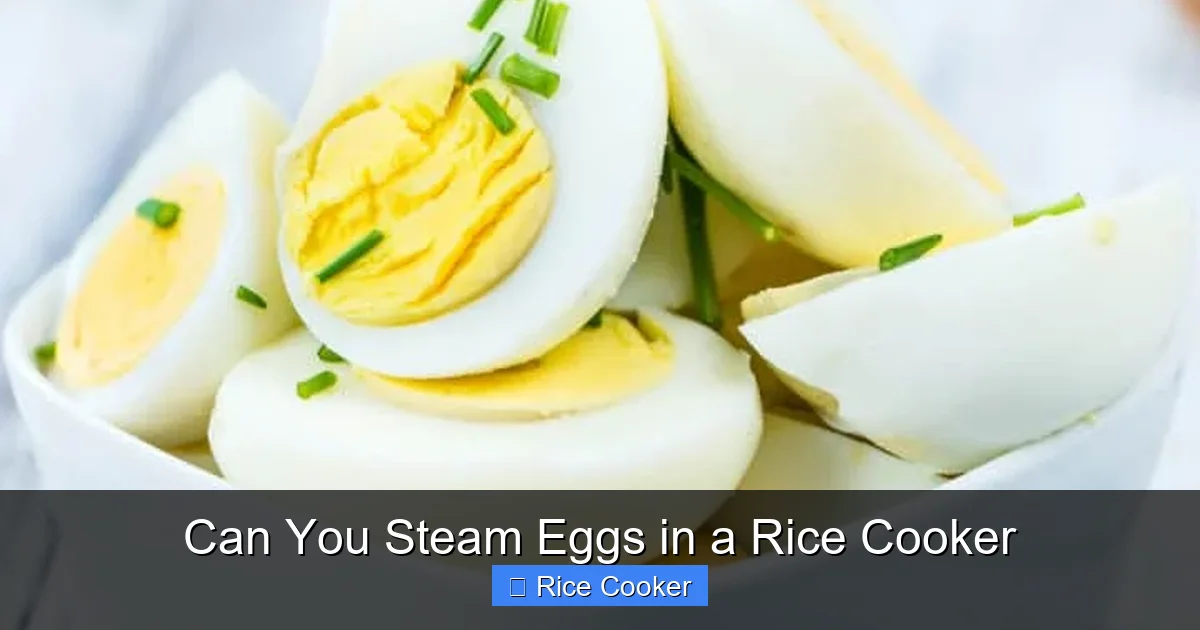
Visual guide about Can You Steam Eggs in a Rice Cooker
Image source: foodsguy.com
Can I steam more than two eggs at once?
Yes, but space matters. Place containers at least an inch apart to allow steam circulation. Avoid overcrowding the inner pot. Two large bowls or four small ramekins usually fit comfortably.
Do I need to add anything to the eggs besides salt?
Not necessarily. But adding a splash of milk, cream, or broth makes them richer and softer. You can also infuse flavors with garlic, ginger, or soy sauce before steaming.
Will my rice cooker smell like rice afterward?
Unlikely, since no rice was cooked. However, if you’ve used strong-flavored ingredients like fish sauce or curry paste, residue might linger. Run a cycle with vinegar and water to deodorize if needed.
Can I reuse the same container for multiple batches?
Absolutely—just wash thoroughly between uses. Glass and ceramic containers are easiest to clean. Avoid scratching the surface, especially if using abrasive sponges.
Are steamed eggs healthier than fried eggs?
Yes! Steaming requires no added oil, preserving the natural fats in eggs while minimizing calorie intake. It also retains more vitamins and minerals compared to high-heat frying.
Final Thoughts
So, can you steam eggs in a rice cooker? The answer is a resounding yes—and it might just become your new favorite kitchen shortcut. This method combines simplicity, safety, and superior results, all while making clever use of everyday appliances. Whether you’re feeding a family, meal-prepping for the week, or experimenting with global flavors, steaming eggs in a rice cooker opens up a world of culinary possibilities.
Give it a try tonight. Crack an egg, grab a bowl, and let your rice cooker do the rest. Before you know it, you’ll be serving up restaurant-quality steamed eggs—flawlessly tender, beautifully flavored, and utterly stress-free. And who knew such a humble kitchen gadget could be so versatile? Now that you’ve discovered this secret, your mornings will never be the same. Happy cooking!
Frequently Asked Questions
How long does it take to steam eggs in a rice cooker?
It typically takes 10–15 minutes depending on desired texture. Soft-set eggs need about 8–10 minutes, while firmer custard-style eggs require 12–15 minutes. Always check with a toothpick—if it comes out clean, they’re done.
Can I steam more than two eggs at once?
Yes, but space matters. Place containers at least an inch apart to allow steam circulation. Avoid overcrowding the inner pot. Two large bowls or four small ramekins usually fit comfortably.
Do I need to add anything to the eggs besides salt?
Not necessarily. But adding a splash of milk, cream, or broth makes them richer and softer. You can also infuse flavors with garlic, ginger, or soy sauce before steaming.
Will my rice cooker smell like rice afterward?
Unlikely, since no rice was cooked. However, if you’ve used strong-flavored ingredients like fish sauce or curry paste, residue might linger. Run a cycle with vinegar and water to deodorize if needed.
Can I reuse the same container for multiple batches?
Absolutely—just wash thoroughly between uses. Glass and ceramic containers are easiest to clean. Avoid scratching the surface, especially if using abrasive sponges.
Are steamed eggs healthier than fried eggs?
Yes! Steaming requires no added oil, preserving the natural fats in eggs while minimizing calorie intake. It also retains more vitamins and minerals compared to high-heat frying.