

Can cooked rice be eaten the next day? Absolutely—if handled correctly. When stored in the refrigerator within two hours of cooking and reheated thoroughly, leftover rice is safe and delicious. The key lies in temperature control and avoiding contamination, especially from Bacillus cereus, a bacteria that can grow on improperly cooled rice. With simple steps like using airtight containers and microwaving until steaming hot, you can enjoy your meal without worry.
Have you ever wondered whether that bowl of leftover rice from last night’s dinner is still good to eat tomorrow? Or maybe you’re planning to cook a big batch of rice for meal prep and want to know if it’ll hold up over several days. You’re not alone. Cooked rice is one of the most common leftovers in kitchens worldwide, but there’s often confusion about its safety and quality when eaten later.
The short answer? Yes, cooked rice can absolutely be eaten the next day—and many times beyond—if handled properly. But it’s not just about tossing it in the fridge and forgetting it. How you store, cool, and reheat your rice plays a huge role in whether you end up with a tasty meal or a stomachache. In this guide, we’ll walk you through everything you need to know about eating cooked rice the next day: from food safety basics to practical tips for reheating like a pro.
So whether you’re using a rice cooker, stovetop, or even a slow cooker, let’s dive into the science (and simplicity) behind safe, delicious leftover rice.
Key Takeaways
- Safety First: Cooked rice can be eaten the next day but must be cooled and refrigerated promptly to prevent bacterial growth.
- Proper Storage: Store rice in shallow, airtight containers to cool quickly and reduce spoilage risk.
- Reheating Matters: Always reheat rice to at least 165°F (74°C) to kill any potential bacteria.
- Watch for Signs: Discard rice if it smells off, feels slimy, or has an unusual color.
- Freezing Option: Freeze rice for longer storage—up to 6 months—and thaw safely before reheating.
- Meal Prep Friendly: Cooking extra rice ahead saves time and works great for busy weekdays.
- Use Fresh Ingredients: Avoid adding dairy or mayonnaise-based sauces to rice, as they increase spoilage risk.
📑 Table of Contents
Understanding Rice Safety: The Role of Bacillus Cereus
You might have heard warnings about eating rice because it can cause food poisoning. While this sounds scary, it usually comes down to one specific type of bacteria: Bacillus cereus. This spore-forming bacterium is naturally present in soil and can get into uncooked rice during growing or processing.
When rice is cooked, these spores are killed by heat. But here’s the catch: if the warm rice isn’t cooled quickly enough and sits at room temperature for too long, the surviving bacteria can multiply—especially in the ideal temperature range between 40°F and 140°F (the “danger zone”). These bacteria produce toxins that can lead to vomiting or diarrhea if consumed.
That’s why timing matters. If you leave cooked rice out for more than two hours (or one hour if it’s above 90°F/32°C), you’re inviting trouble. But don’t panic! With proper cooling and refrigeration, cooked rice can be safely eaten the next day—and often for several more days.
How to Store Cooked Rice Safely
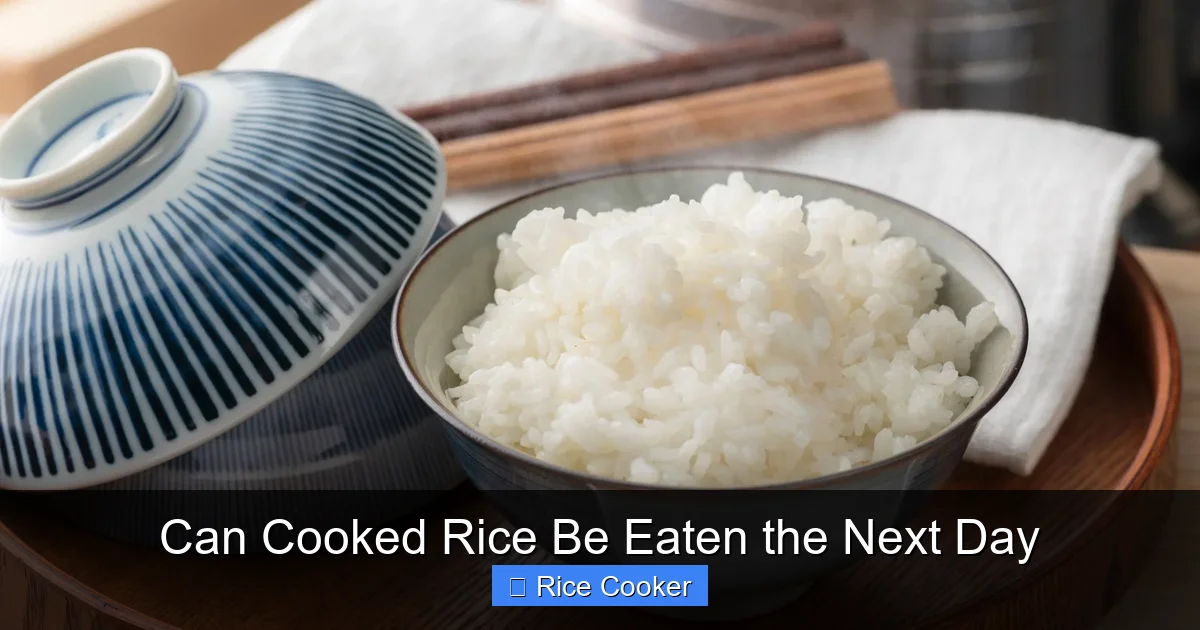
Visual guide about Can Cooked Rice Be Eaten the Next Day
Image source: thedailymeal.com
Storing cooked rice correctly is your first line of defense against foodborne illness. Here’s what to do:
Cool It Fast
After cooking, spread the rice out in a wide, shallow container or divide it into smaller portions. The goal is to reduce its internal temperature from hot to below 40°F as quickly as possible—ideally within two hours. Using ice baths or placing the container in front of a fan can speed up cooling.
Use Airtight Containers
Once cooled, transfer the rice to airtight containers or resealable plastic bags. This prevents moisture loss, keeps odors out, and reduces exposure to other foods or contaminants in the fridge.
Label and Date
Write the date on the container so you remember how long it’s been stored. Cooked rice stays safest in the refrigerator for up to 4–6 days. After that, the risk of bacterial growth increases significantly.
Avoid Cross-Contamination
Never reuse the same utensils or plates that touched raw rice without washing them first. Also, keep rice-covered containers away from raw meats, eggs, or unwashed vegetables.
By following these steps, you’ll maximize both safety and freshness—making it easy to enjoy your rice the next day (or even later).
Reheating Cooked Rice Without Ruining It
Many people assume that leftover rice tastes best when eaten cold—like in salads or sushi. But if you prefer it warm, reheating is simple and safe when done right. Just remember: thorough heating kills bacteria, but it doesn’t restore lost texture.
Microwave Method (Quick & Easy)
Place the rice in a microwave-safe dish. Add a splash of water or broth to prevent drying out. Cover with a damp paper towel or vented lid to trap steam. Heat on high for 30 seconds, stir, then microwave in 20–30 second intervals until steaming hot throughout.
Stovetop Method (Best Flavor)
Heat a skillet over medium-low heat. Add a bit of oil or butter, sprinkle in some water or stock, and stir the rice frequently. Cover and let it simmer for 5–7 minutes, stirring occasionally, until heated through.
Oven Method (For Large Batches)
Spread rice evenly on a baking sheet lined with parchment. Drizzle with a little oil or water, cover tightly with foil, and bake at 300°F (150°C) for 15–20 minutes. Stir halfway through.
No matter which method you choose, always check that the center of the rice reaches at least 165°F (74°C). Use a food thermometer for accuracy.
Can You Eat Cold Leftover Rice?
Yes! Eating cold leftover rice is not only safe—it’s actually how many Asian cuisines prepare dishes like fried rice or rice bowls. Cold rice holds its shape better and absorbs flavors from sauces or toppings.
To enjoy cold rice:
– Let it cool completely after cooking.
– Store it properly in the fridge.
– Serve with fresh ingredients like vegetables, proteins, or pickled items.
Just avoid mixing cold rice with perishable items like mayo-based salads or dairy-heavy sauces unless you plan to eat it within a few hours.
Freezing Rice for Long-Term Storage
Want to save rice for weeks—not just days? Freezing is your best friend. Properly frozen rice can stay safe for up to 6 months.
How to Freeze Rice
Portion rice into freezer-safe containers or zip-top bags. Leave a small headspace for expansion. Label each with the date. For best results, freeze rice within 24 hours of cooking.
Thawing Tips
Thaw overnight in the refrigerator or use the defrost setting on your microwave. Never thaw at room temperature.
Reheating Frozen Rice
Treat thawed rice exactly like regular leftover rice—heat it thoroughly until steaming. Adding a tablespoon of water per cup helps revive dryness.
Freezing also makes rice perfect for grab-and-go meals, school lunches, or emergency food supplies.
Signs Your Rice Has Gone Bad
Even with proper storage, rice won’t last forever. Watch for these warning signs:
– **Off smell**: Sour, rancid, or ammonia-like odor.
– **Unusual texture**: Slimy, mushy, or overly sticky.
– **Mold spots**: White, green, or black fuzzy patches.
– **Strange color**: Discoloration (e.g., yellow or gray).
– **Bitter taste**: Especially after reheating.
If any of these occur, toss the rice immediately—even if it looks fine. When in doubt, throw it out.
Common Myths About Leftover Rice
Let’s clear up some misconceptions:
**Myth #1: “Rice always causes food poisoning.”**
False. Only if mishandled. Proper cooling and refrigeration eliminate most risks.
**Myth #2: “You must boil rice before eating it again.”**
Not true. Boiling isn’t necessary; thorough microwaving or stovetop heating is sufficient.
**Myth #3: “All types of rice spoil faster.”**
Actually, white rice dries out quicker but resists bacterial growth better than brown rice, which has higher fat content and shorter shelf life.
**Myth #4: “Leftover rice should never be reheated more than once.”**
While repeated reheating isn’t ideal for texture, it’s safe if done properly each time.
Stay informed—and skeptical of outdated advice!
Tips for Meal Preppers and Busy Families
Cooking extra rice ahead of time is a game-changer for anyone juggling work, kids, or social plans. Here’s how to make it work:
– **Batch cook on weekends**: Make a large pot of rice and portion it into containers for the week.
– **Mix in veggies or protein**: Turn plain rice into stir-fry, burrito fillings, or grain bowls.
– **Use different seasonings**: Try garlic-infused rice, coconut milk rice, or turmeric-spiced versions for variety.
– **Pair with quick sides**: Keep chopping tools ready for veggie sticks, hard-boiled eggs, or canned beans.
With a rice cooker doing the heavy lifting, you’ll save time, reduce waste, and always have a reliable base for meals.
Frequently Asked Questions
Is it safe to eat rice that’s been left out overnight?
No, rice left out overnight enters the “danger zone” (40°F–140°F), where bacteria like Bacillus cereus can multiply rapidly. Always refrigerate cooked rice within two hours.
Can you eat rice 3 days old?
Yes, if stored properly in the fridge and showing no signs of spoilage. Most cooked rice remains safe for 4–6 days when sealed and cooled quickly.
How do you reheat rice without drying it out?
Add a splash of water or broth before reheating. Cover with a damp paper towel or lid to trap steam, which keeps rice moist during microwaving.
Should I wash my hands after touching cooked rice?
Yes. Wash hands thoroughly with soap and water to prevent cross-contamination, especially if you’ve handled raw rice or other foods.
Can brown rice be eaten the next day?
Absolutely. Brown rice can be safely eaten the next day when refrigerated properly, though it has a shorter shelf life than white rice due to higher oil content.
Does freezing rice destroy its nutritional value?
No significant nutrient loss occurs when rice is frozen correctly. It preserves vitamins and minerals almost as well as fresh-cooked rice.