
Reheating cooked rice in the microwave is not only possible but also a quick and safe way to enjoy leftovers. With the right techniques—like adding moisture and using short intervals—you can avoid dry, rubbery results. This guide walks you through best practices to preserve flavor, texture, and food safety.
Key Takeaways
- Safety First: Reheating rice properly kills bacteria like Bacillus cereus that can grow if rice is left at room temperature too long.
- Add Moisture: Always add a splash of water, broth, or sauce before microwaving to prevent the rice from drying out.
- Use Short Intervals: Microwave in 30-second bursts, stirring between each, to heat evenly without overcooking.
- Cover It: Use a vented lid or damp paper towel to trap steam and retain moisture during reheating.
- Check Temperature: Ensure the internal temperature reaches at least 165°F (74°C) for food safety.
- Store Properly: Refrigerate leftover rice within 2 hours and consume within 4–6 days.
- Fluff After Reheating: Fluff with a fork to restore softness and separate grains.
📑 Table of Contents
- Can Cooked Rice Be Reheated in Microwave?
- Understanding Rice Safety and Reheating Risks
- Best Practices for Reheating Rice in the Microwave
- Alternative Methods Compared to Microwaving
- Enhancing Flavor and Texture When Reheating
- Storage Tips for Future Reheating Success
- Conclusion: Yes, You Can Safely Reheat Rice in the Microwave
Can Cooked Rice Be Reheated in Microwave?
If you’ve ever opened your fridge to find a container of leftover rice from last night’s dinner, you’re probably wondering: Can I really reheat cooked rice in the microwave? The short answer? Absolutely! But doing it the wrong way could leave you with sticky clumps, dry grains, or—worse—a food safety risk. Let’s break down everything you need to know about reheating rice in the microwave so you can enjoy it safely and deliciously every time.
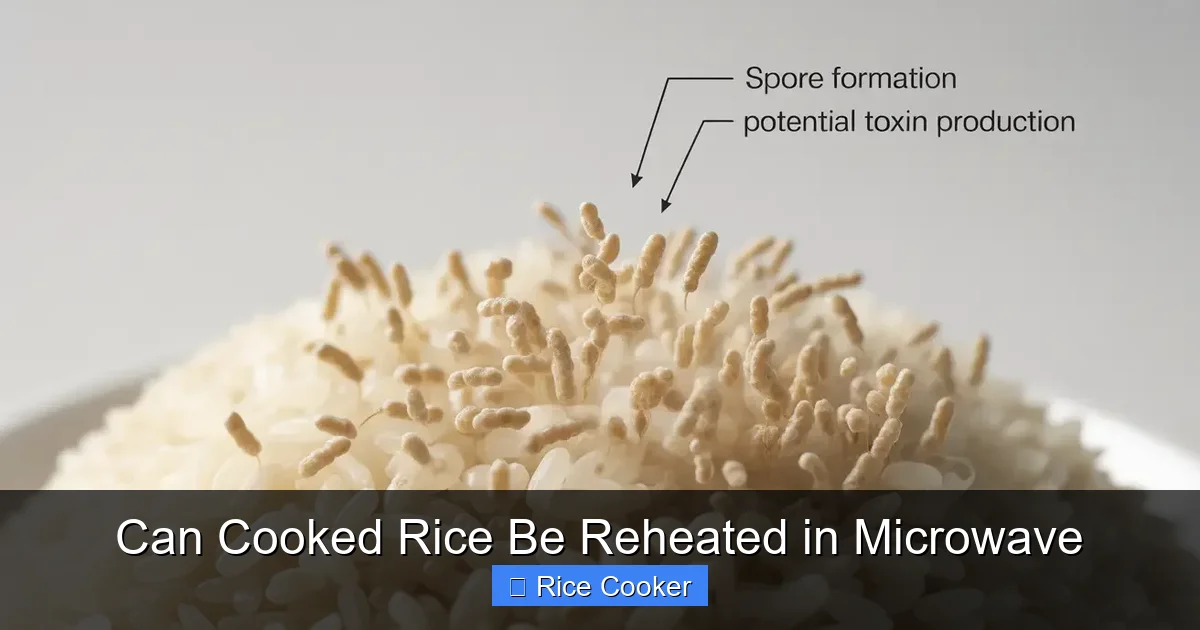
Rice is one of the most common leftovers in households around the world. Whether it’s plain white rice, jasmine, basmati, or even brown rice, many people store it for later use. However, there’s a persistent myth that reheating rice causes food poisoning. That’s not entirely true—but it does come with important caveats. The real issue isn’t the reheating process itself, but how the rice was stored and handled before refrigeration. When rice is cooled slowly at room temperature, bacteria like Bacillus cereus can multiply and produce toxins that aren’t destroyed by reheating. So while microwaving is safe when done correctly, improper storage makes any reheating method risky.
In this article, we’ll walk you through the safest, tastiest way to reheat cooked rice using your microwave. From storage tips to timing and temperature control, we’ve got you covered. Whether you’re warming up a single serving or a whole batch, these steps will help you avoid common pitfalls and turn cold, stiff rice into something warm, fluffy, and satisfying.
Understanding Rice Safety and Reheating Risks
The Science Behind Rice and Food Poisoning
You might have heard warnings about eating reheated rice because of potential foodborne illness. But what’s really going on? The culprit is a bacterium called Bacillus cereus, which naturally lives in soil and can contaminate raw rice. During cooking, the heat kills most of these bacteria. However, if cooked rice is left to cool at room temperature—especially between 40°F and 140°F (the “danger zone”)—any surviving spores can begin to grow again. These spores then release toxins that can cause vomiting or diarrhea if ingested.
Visual guide about Can Cooked Rice Be Reheated in Microwave
Image source: i.ytimg.com
Importantly, these toxins are heat-stable, meaning they don’t get destroyed when you reheat the rice. That’s why simply microwaving rice won’t eliminate the risk if the original contamination occurred due to improper cooling or storage. But here’s the good news: if you refrigerate rice within two hours of cooking and reheat it thoroughly, the live bacteria are killed during reheating, and the risk drops dramatically.
How Long Is Rice Safe to Keep?
According to the USDA, cooked rice should be refrigerated within two hours of cooking. Once chilled, it’s generally safe to eat for 4 to 6 days. Beyond that, the risk of bacterial growth increases significantly. Freezing rice extends its shelf life to 1 month, though the texture may change slightly upon thawing and reheating.
To maximize safety and quality:
- Store rice in an airtight container.
- Avoid leaving it uncovered or exposed to air.
- Label containers with the date to track freshness.
Why Microwaving Can Be Safe—When Done Right
Microwaves are actually excellent tools for reheating rice safely because they generate high heat quickly and evenly. Unlike ovens or stovetops, which take longer and may result in uneven heating, microwaves can bring rice to a rolling boil internally in just a few minutes. This rapid heating helps kill any remaining bacteria that might have developed during storage.
However, microwaves have limitations: they don’t always heat uniformly, especially in thick containers or large portions. Cold spots can harbor bacteria, so proper stirring and timing are essential. That’s why following a structured reheating method—like using short intervals and checking frequently—is so important.
Best Practices for Reheating Rice in the Microwave
Step-by-Step Guide to Perfectly Reheated Rice
Ready to transform your cold rice into something delicious? Follow these simple steps:
- Transfer to a microwave-safe dish: Use a shallow bowl or plate instead of a deep container. This allows heat to reach the center more efficiently.
- Add moisture: Sprinkle 1–2 tablespoons of water, broth, or sauce over the rice. This prevents drying and adds flavor.
- Cover loosely: Place a lid on top or cover with a damp paper towel. This traps steam and keeps the rice moist.
- Microwave in 30-second bursts: Start with 1 minute total, then stir well. Continue in 30-second increments until hot throughout.
- Check temperature: Use a food thermometer to ensure the internal temp hits 165°F (74°C). If unsure, give it another 15 seconds.
- Fluff and serve: Use a fork to fluff the rice gently before serving.
Common Mistakes to Avoid
Even experienced home cooks make these errors when reheating rice:
- Not adding moisture: Dry rice reheats into a tough, chewy mess.
- Microwaving too long at once: Overheating causes scorching and uneven texture.
- Using a deep container: Heat doesn’t penetrate deeply enough, leading to cold centers.
- Skipping stirring: Uneven heating leaves some parts undercooked or mushy.
- Eating rice that’s been left out overnight: Never reheat rice that sat at room temperature for more than two hours.
Tips for Different Types of Rice
Not all rice is created equal when it comes to reheating. Here’s how to handle different varieties:
- White rice: Most forgiving and quickest to reheat. Tends to stay fluffy if handled carefully.
- Brown rice: Higher in fiber and oil content, so it can dry out faster. Add extra liquid and consider covering tightly.
- Jasmine or basmati: Long-grain rice benefits from a light spray of water to revive aroma and texture.
- Sushi rice: Best reheated with a touch of rice vinegar and sugar to maintain savoriness.
Alternative Methods Compared to Microwaving
Stovetop vs. Microwave: Which Is Better?
Many people prefer the stovetop for reheating rice because it offers better control over texture. A nonstick skillet with a little butter or oil lets you crisp the bottom slightly while keeping the inside tender. However, this method takes longer and requires constant attention. The microwave wins in speed and convenience, especially for small servings or busy weeknights.
If you’re reheating a large quantity, the oven is another option—though it’s less efficient and may dry out the rice. Ultimately, the microwave strikes the best balance between safety, speed, and ease.
Air Fryer Reheating (Bonus Tip!)
For those with an air fryer, this appliance can give rice a nice, warm exterior without overcooking the inside. Simply place rice in a single layer, spritz with water, cover with foil, and reheat at 320°F (160°C) for 3–4 minutes. It’s great for fried rice or rice salads!
Enhancing Flavor and Texture When Reheating
Add Sauces and Seasonings
Plain reheated rice can taste bland. Boost flavor by mixing in:
- Butter or olive oil
- Garlic powder or soy sauce
- Coconut milk (for curries or Asian dishes)
- Fresh herbs like cilantro or parsley
These additions not only improve taste but also help retain moisture during reheating.
Revive Old Rice with Steam
If your rice has become stiff after being stored too long, try placing it in a steamer basket over boiling water for 5–7 minutes. Then transfer to the microwave for final heating. This method restores tenderness without overcooking.
Storage Tips for Future Reheating Success
Proper Cooling Before Refrigeration
Don’t rush to put hot rice in the fridge. Let it cool to room temperature within 1–2 hours. Using a shallow container speeds up this process. Never cover hot rice tightly—it traps steam and promotes bacterial growth.
Freezing Leftover Rice
For long-term storage, freeze rice in portion-sized bags or containers. Thaw overnight in the refrigerator before reheating. Note that frozen rice may absorb more liquid when reheated, so add extra water as needed.
Conclusion: Yes, You Can Safely Reheat Rice in the Microwave
So, can cooked rice be reheated in the microwave? The answer is a confident yes—provided you follow food safety guidelines and use the right technique. With a few simple steps—adding moisture, using short intervals, and ensuring thorough heating—you can enjoy delicious, safe, and satisfying reheated rice every time.
Remember, the key isn’t just the reheating method, but how you handled the rice before it went into the fridge. Store it promptly, keep it cold, and reheat it hot. By doing so, you’ll avoid unnecessary risks and keep your meals convenient without sacrificing quality.
Whether you’re warming up last night’s dinner or repurposing rice for a new dish, mastering the art of microwave reheating will save you time and reduce waste. Next time you open that container of leftover rice, don’t hesitate—your microwave is ready to work its magic!
Frequently Asked Questions
Is it safe to reheat rice in the microwave?
Yes, it’s safe as long as the rice was stored properly (refrigerated within 2 hours) and reheated to at least 165°F (74°C). Microwaving kills any bacteria that may have grown during storage.
How long should I microwave rice for reheating?
Start with 1 minute, then continue in 30-second intervals, stirring between each. Total time usually ranges from 1.5 to 3 minutes depending on portion size and microwave power.
Do I need to add water when reheating rice in the microwave?
Yes! Adding 1–2 tablespoons of water, broth, or sauce prevents dryness and helps create steam, making the rice fluffier and more palatable.
Can I reheat rice more than once?
It’s not recommended. Each reheating cycle increases the risk of bacterial growth and reduces quality. Consume rice within 4–6 days of initial cooking, and only reheat once.
What if my rice is stuck together after reheating?
Try adding a teaspoon of oil or butter and fluffing vigorously with a fork. You can also sprinkle a little water and microwave for 10–15 seconds to loosen the grains.
How do I know if my rice is fully reheated?
Check that the internal temperature reaches 165°F (74°C). If using a thermometer, insert it into the center of the rice. If you don’t have one, ensure it’s steaming hot throughout and no longer feels cool in the middle.