
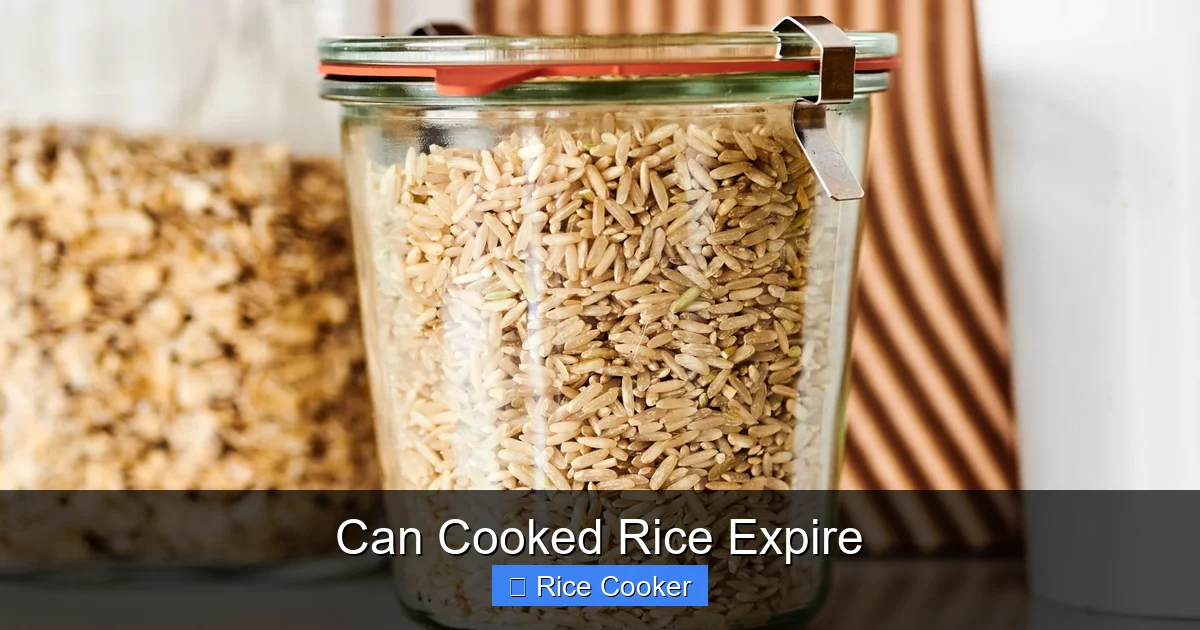
Cooked rice does spoil over time, especially when not stored properly. While it may seem harmless, eating expired cooked rice can lead to foodborne illness due to bacterial growth like Bacillus cereus. Knowing how to store, refrigerate, and safely reheat rice is essential for both flavor and health.
Have you ever wondered whether cooked rice can actually go bad? If so, you’re not alone. Many people treat leftover rice like it’s immune to spoilage—after all, it’s just cooked grains, right? But here’s the truth: cooked rice can expire, and ignoring that fact could put your health at risk. Whether you’re using a rice cooker, stovetop, or microwave, understanding how to handle and store cooked rice is key to avoiding foodborne illness and reducing waste.
In this comprehensive guide, we’ll explore everything you need to know about the shelf life of cooked rice, why it spoils, how to store it safely, and what to do when you’re unsure if it’s still good. We’ll also share practical tips for using your rice cooker wisely and preventing common mistakes that lead to wasted food. By the end, you’ll feel confident every time you open the fridge to find a bowl of leftover rice.
—
Key Takeaways
- Understanding can cooked rice expire: Provides essential knowledge
📑 Table of Contents
- Why Does Cooked Rice Spoil?
- How Long Can Cooked Rice Last in the Refrigerator?
- Can You Freeze Cooked Rice?
- Signs That Cooked Rice Has Gone Bad
- Best Practices for Storing Cooked Rice
- Reheating Cooked Rice Safely
- Can You Eat Rice That’s Been Left Out Overnight?
- Tips for Preventing Spoilage in the First Place
- Does Type of Rice Matter?
- What About Rice Cooker Safety?
- Final Thoughts: Stay Safe, Save Money
Why Does Cooked Rice Spoil?
Cooked rice spoils because of the presence of a bacteria called Bacillus cereus. This bacterium is naturally found in soil and grains. When rice is cooked, the starches become more accessible to bacteria. If the rice is left at room temperature after cooking, these spores can begin to grow and multiply.
One of the most dangerous aspects of Bacillus cereus is its ability to produce heat-resistant toxins. Even if you reheat the rice to boiling, some toxins may remain, which can cause food poisoning. Symptoms often appear within 6 to 12 hours and include nausea, vomiting, stomach cramps, and diarrhea.
Unlike raw rice, which has a long shelf life, cooked rice becomes a breeding ground for bacteria quickly—especially if exposed to warm environments. That’s why proper cooling and storage are so important.
—
How Long Can Cooked Rice Last in the Refrigerator?
Visual guide about Can Cooked Rice Expire
Image source: a-us.storyblok.com
The general rule of thumb is that cooked rice should be stored in the refrigerator within two hours of cooking. Once refrigerated, it stays safe to eat for 3 to 5 days, depending on how it was stored. For example, if you leave a pot of rice sitting on the counter overnight, bacteria will have already started multiplying.
To maximize freshness and safety, transfer the rice to an airtight container immediately after cooking. Glass or BPA-free plastic containers work well. Make sure the container is sealed tightly to prevent exposure to air and moisture, which can speed up spoilage.
It’s also helpful to cool the rice quickly before refrigeration. Placing the container in an ice bath or spreading it thinly in a shallow dish helps it lose heat faster. This reduces the time it spends in the “danger zone” (between 40°F and 140°F), where bacteria thrive.
—
Can You Freeze Cooked Rice?
Absolutely! Freezing cooked rice is one of the best ways to extend its shelf life. When properly frozen, cooked rice can last up to 1 month without losing much quality. In fact, freezing can help preserve nutrients and prevent the development of off-flavors.
To freeze rice, let it cool completely first. Then, portion it into meal-sized amounts and place each portion into a freezer-safe bag or container. Remove as much air as possible from the bags before sealing. Label them with the date so you can track how long they’ve been stored.
When you’re ready to use the rice, thaw it in the refrigerator overnight or reheat it directly from frozen. Reheat to an internal temperature of at least 165°F to ensure safety.
Freezing also makes rice perfect for batch cooking—ideal for busy weeks when you want quick, healthy meals.
—
Signs That Cooked Rice Has Gone Bad
Knowing when rice has spoiled isn’t always obvious. Sometimes, it looks and smells normal but is still unsafe. Here are some clear signs to watch for:
- Unpleasant smell – Fresh rice should have a neutral or slightly nutty aroma. A sour, foul, or rancid smell means it’s gone bad.
- Change in texture – If the rice feels slimy, sticky, or unusually soft, it may be contaminated with bacteria or mold.
- Mold growth – White, green, or black spots indicate mold, which should never be consumed.
- Sour taste – If the rice tastes off, tangy, or bitter, toss it immediately.
- Cloudiness in water – When reheating, if the water around the rice appears milky or cloudy, it’s likely spoiled.
Even if the rice passes visual and olfactory tests, it’s wise to err on the side of caution. When in doubt, throw it out.
—
Best Practices for Storing Cooked Rice
Proper storage is the single most important factor in keeping cooked rice safe. Here’s how to do it right:
Use an Airtight Container
Avoid leaving rice uncovered in the refrigerator. Exposure to air introduces moisture and bacteria. An airtight container minimizes oxidation and keeps odors out.
Cool Quickly
As mentioned earlier, rapid cooling reduces bacterial growth. Use a wide-mouth container or divide large portions into smaller ones.
Label and Date Everything
Always write the date on your containers. This helps you keep track of how long the rice has been stored and ensures you use it before it goes bad.
Avoid Cross-Contamination
Never reuse the same spoon or utensil that touched raw ingredients unless it’s washed first. Bacteria from other foods can transfer to your rice.
Store in the Coldest Part of the Fridge
Keep your rice near the back of the refrigerator, away from the door, where temperatures fluctuate less.
—
Reheating Cooked Rice Safely
Reheating rice properly is crucial to kill any potential bacteria. The safest method is to bring the rice to a rolling boil for at least one minute. If you’re using a microwave, stir the rice, add a splash of water to prevent drying, cover it loosely, and heat in 1-minute intervals until steaming hot throughout.
Avoid reheating rice multiple times. Each cycle increases the risk of contamination. Instead, only reheat what you plan to eat immediately.
Also, don’t rely on visual cues alone. Rice may look hot on the outside but still be cold inside. Use a food thermometer to confirm it reaches 165°F.
—
Can You Eat Rice That’s Been Left Out Overnight?
This is a common question—and the answer is generally no. Rice left out at room temperature for more than two hours (or one hour if it’s above 90°F) should be discarded. Bacteria like Bacillus cereus can start producing toxins within minutes of entering the danger zone.
Even if the rice looks fine, consuming it could lead to food poisoning. Symptoms usually appear within 6 to 12 hours, making it easy to blame anything else—like a new restaurant meal—when the real culprit was stale rice.
If you’re serving rice at a picnic or event, keep it chilled until ready to eat. Use insulated coolers with ice packs, and reheat thoroughly when serving.
—
Tips for Preventing Spoilage in the First Place
Prevention is always better than dealing with spoiled food. Here are some simple habits to adopt:
- Don’t overcook rice – Excess moisture encourages bacterial growth. Cook only what you need.
- Use a rice cooker with timer – Many modern rice cookers allow you to set a delay, so rice is ready when you are—no standing around waiting.
- Practice portion control – Cook smaller batches to reduce leftovers and waste.
- Store immediately after use – Don’t let cooked rice sit out. Transfer it to the fridge right away.
- Clean your rice cooker regularly – Residue and old grains can harbor bacteria. Wipe the interior and exterior weekly.
By following these tips, you’ll not only keep your rice safer but also make your kitchen routine more efficient.
—
Does Type of Rice Matter?
While all types of cooked rice—white, brown, jasmine, basmati, sushi, etc.—can spoil, there are slight differences in shelf life:
– White rice tends to dry out faster but resists mold better.
– Brown rice has more oil content, making it more prone to rancidity. Store it in the fridge or freezer even if used within a week.
– Sushi rice is stickier and more moist, so it spoils faster. Always consume within 24–48 hours.
– Instant rice has a shorter shelf life due to added preservatives and moisture retention.
Regardless of type, the same storage principles apply. Keep it cool, dry, and sealed.
—
What About Rice Cooker Safety?
Your rice cooker is more than just a cooking appliance—it’s a tool for food safety when used correctly. Modern rice cookers often have warming functions that keep rice at a steady 150–160°F. However, this temperature isn’t enough to kill bacteria. In fact, prolonged warming can encourage bacterial growth if the rice was previously in the danger zone.
After the cooking cycle ends, turn off the warmer function and move the rice to the refrigerator within 2 hours. Some models come with steam vents or lids that trap moisture, increasing the risk of condensation and bacterial buildup. Clean these parts regularly to prevent mold.
Using a rice cooker also helps with consistency and portion control, reducing the chance of overcooking and wasting rice.
—
Final Thoughts: Stay Safe, Save Money
Understanding that cooked rice can expire is more than just a kitchen tip—it’s a matter of food safety. With a little attention to timing, storage, and reheating, you can enjoy leftover rice without worry. The key is acting fast: refrigerate within two hours, store in airtight containers, and reheat thoroughly.
Not only does this protect your health, but it also saves money by minimizing food waste. Plus, knowing how to handle rice properly gives you peace of mind during meal prep, hosting, or even emergency situations.
Remember: when it comes to cooked rice, when in doubt, throw it out. Your body will thank you.
—
Frequently Asked Questions
Can I eat rice that’s been in the fridge for a week?
Most likely not. Cooked rice should be eaten within 3–5 days. After a week, even if it looks okay, the risk of bacterial contamination increases significantly. When in doubt, discard it.
Is it safe to reheat rice more than once?
No, it’s not recommended. Each reheating cycle raises the risk of bacterial growth and nutrient loss. Only reheat what you plan to eat immediately.
Can I leave cooked rice in my rice cooker overnight?
It’s not ideal. The warmer setting keeps rice at a temperature that promotes bacterial growth. Turn it off after cooking and store it in the fridge within 2 hours.
Does freezing ruin the taste of rice?
Not if done correctly. Frozen rice can stay fresh and flavorful for up to a month. Just make sure it’s cooled, portioned, and sealed well before freezing.
Can I eat rice straight from the package if it’s unopened?
Yes, uncooked rice is shelf-stable when stored in a cool, dry place. Uncooked white rice can last years, while brown rice lasts 6–8 months due to higher oil content.
How can I tell if rice has caused food poisoning?
Symptoms like nausea, vomiting, diarrhea, and stomach cramps usually appear 6–12 hours after eating contaminated rice. If you suspect food poisoning, contact a healthcare provider.