
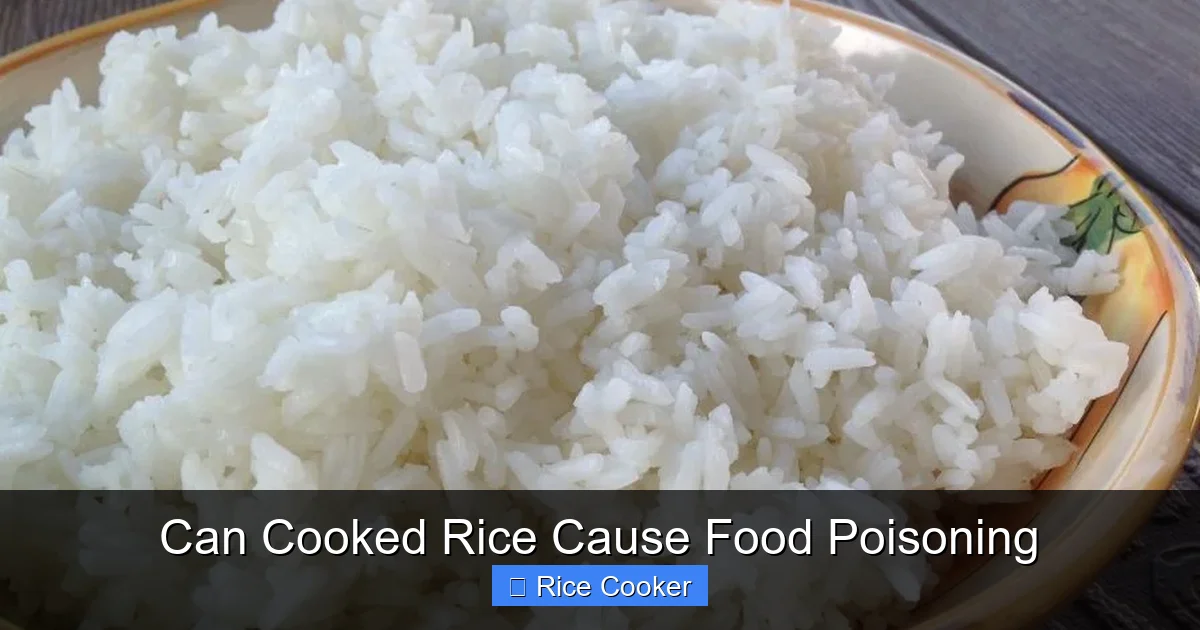
Cooked rice can indeed cause food poisoning if not stored or reheated properly, primarily due to Bacillus cereus bacteria. This common kitchen concern affects millions annually, but simple prevention methods can keep you safe. Understanding the risks helps you enjoy rice meals without worry.
Can Cooked Rice Cause Food Poisoning?
We’ve all been there—cooking a big pot of rice for dinner, only to find ourselves with leftovers the next day. That fluffy, fragrant rice becomes a staple in our meal planning, offering convenience and nutrition. But what happens when that same rice starts to make us feel unwell? Can cooked rice cause food poisoning?
The short answer is yes, absolutely. While rice itself isn’t inherently dangerous, cooked rice can become a breeding ground for harmful bacteria that cause illness. This is particularly true when proper handling and storage procedures aren’t followed. The problem isn’t the rice grain itself, but rather the conditions under which it’s kept after cooking.
Understanding why cooked rice can lead to food poisoning requires looking at the biology behind it. Certain bacteria, specifically Bacillus cereus, are naturally present in soil and grains. These bacteria produce spores that can survive the cooking process. When cooked rice is left at room temperature, these spores can germinate, grow, and produce toxins that cause illness.
This comprehensive guide will walk you through everything you need to know about preventing rice-related food poisoning. We’ll cover the science behind it, practical storage tips, reheating techniques, and signs to watch for. Whether you’re using a traditional pot on the stove or a modern rice cooker, these principles apply universally.
What Makes Cooked Rice Dangerous
The primary concern with cooked rice is the presence of Bacillus cereus bacteria. This bacterium is fascinating because it produces two types of toxins: one that causes vomiting (emetic toxin) and another that causes diarrhea (enterotoxin). Both toxins are heat-stable, meaning they survive cooking and reheating.
When rice is cooked, any Bacillus cereus spores present in the raw grains become activated by the moisture and warmth. If the cooked rice is then left at room temperature, these spores can multiply rapidly. The optimal temperature for bacterial growth is between 40°F and 140°F (4°C to 60°C), commonly known as the “danger zone” for food.
The problem compounds because the toxins produced by Bacillus cereus don’t alter the appearance, smell, or taste of the rice. You might eat perfectly normal-looking rice that contains enough toxins to make you sick. This makes rice different from many other potentially contaminated foods where spoilage is obvious.
Risk Factors for Rice-Related Illness
Several factors increase the likelihood of cooked rice causing food poisoning:
Age plays a significant role. Children under five, adults over 65, pregnant women, and people with weakened immune systems are more susceptible to foodborne illnesses. Their bodies may not have the same ability to fight off bacterial infections or tolerate toxins.
Climate matters too. In warmer environments (above 70°F/21°C), bacteria multiply much faster. What might be safe in a cool climate could be dangerous in a hot one. This is why food safety guidelines often differ based on regional temperatures.
The type of rice also influences risk. Brown rice, being less processed, may contain more spores than white rice. However, both types carry the same potential for contamination if handled improperly. Instant rice mixes can be particularly risky because they’re designed to be ready quickly, often skipping proper cooling steps.
How Long Is Cooked Rice Safe to Eat
The general rule of thumb is that cooked rice should be consumed within 3-4 days when refrigerated properly. However, this timeline assumes ideal storage conditions. Many people store rice for much longer without realizing the increased risk.
Refrigeration slows bacterial growth but doesn’t stop it completely. Even at 40°F (4°C), Bacillus cereus can continue to multiply, albeit more slowly. After seven days in the refrigerator, the risk of food poisoning increases significantly. Freezing rice extends its shelf life considerably—up to six months—but proper thawing and reheating procedures are essential.
For maximum safety, it’s best to follow the “first in, first out” principle with rice. Use older rice before newer batches, and clearly label containers with dates. This simple practice can prevent the accidental consumption of rice that has been sitting too long.
Proper Storage Techniques for Cooked Rice
The key to preventing rice-related food poisoning lies in proper storage. The most critical step is rapid cooling. Bacteria multiply fastest when rice sits at room temperature for extended periods. Here’s how to handle cooked rice safely:
After cooking, spread the rice thinly across a large, shallow container. A wide-mouth bowl or baking dish works well because it exposes more surface area to air circulation. Avoid using deep pots or original cooking vessels, as they trap heat and moisture.
Use an ice bath for faster cooling. Place the container in a larger bowl filled with ice water, stirring occasionally. This can reduce the temperature from hot to cold in under an hour, compared to several hours at room temperature. Some people use special cooling racks designed specifically for cooked rice.
Once cooled below 40°F (4°C), transfer the rice to airtight containers. Glass or BPA-free plastic containers work best, as they’re non-porous and easy to clean. Label each container with the date and contents. Store in the refrigerator immediately.
For bulk rice storage, consider dividing into smaller portions. This way, you only need to reheat what you’ll actually eat, reducing waste and maintaining quality. Smaller portions also help ensure thorough reheating throughout the entire serving.
Rice Cooker-Specific Storage Tips
If you regularly use a rice cooker, you’re probably familiar with the convenience it offers. However, the same food safety principles apply. Modern rice cookers vary in design, but most have specific considerations for storage:
Check your rice cooker’s manual for recommended storage methods. Some models have specialized containers that fit directly onto the unit, allowing for safer cooling. Others may require transferring rice to different containers.
Avoid leaving rice in the rice cooker after it switches to “warm.” Most rice cookers maintain temperatures between 140°F and 190°F (60°C to 88°C), which falls squarely in the danger zone for bacterial growth. This means rice can remain in the cooker for up to four hours before becoming unsafe.
Some rice cookers have built-in timers that automatically switch to “warm” mode. Be aware of how long your rice stays in this mode. If you’re using the warm setting overnight, the rice may develop harmful bacteria even while maintaining temperature.
Consider investing in a rice cooker with multiple settings. Some advanced models offer “cool” or “quick-cool” functions that help bring rice down to safer temperatures more efficiently. These features can significantly reduce your risk of food poisoning.
Safe Reheating Methods for Rice
When it comes time to eat your stored rice, proper reheating is crucial. While reheating doesn’t destroy all toxins, it does kill most bacteria and makes the remaining toxins less effective.
The safest method is to reheat rice thoroughly until it reaches an internal temperature of 165°F (74°C). This can be achieved by bringing the rice to a rolling boil in a saucepan or using the microwave with careful attention.
For microwave reheating, place rice in a microwave-safe dish, add a tablespoon of water, and cover loosely with a lid or damp paper towel. Heat on high for 1-2 minutes, stir, then check the temperature. Repeat until the rice is steaming hot throughout. Stirring ensures even heating and prevents cold spots where bacteria could survive.
Using a stovetop is often preferred because it allows better control over the reheating process. Add a small amount of water to prevent drying out, cover the pan, and bring to a boil while stirring occasionally. Let it simmer for 2-3 minutes to ensure thorough heating.
Never reheat rice more than once. Each reheating cycle increases the risk of bacterial regrowth and texture degradation. If you have leftover reheated rice, refrigerate it immediately and consume within 1-2 days.
Recognizing Symptoms of Rice-Related Food Poisoning
Bacillus cereus causes two distinct types of illness, each with different timing and symptoms:
The emetic type (vomiting) typically occurs 1-6 hours after eating contaminated rice. Symptoms include sudden nausea, vomiting, and sometimes abdominal cramps. This form is often mistaken for stomach flu and usually resolves within 24 hours without medical treatment.
The diarrheal type occurs 6-16 hours after consumption and includes watery diarrhea, abdominal cramps, and sometimes fever. This form can last 1-2 days and may require hydration and rest. In severe cases, medical attention might be necessary, especially for vulnerable individuals.
It’s important to note that symptoms can vary widely between individuals. Some people experience mild discomfort while others suffer severe illness. The severity often depends on the amount of toxins consumed and individual health factors.
Preventing Future Incidents
Learning from past experiences is crucial for preventing future food poisoning incidents. If you suspect you’ve had rice-related illness, pay attention to the timing and circumstances. Did you eat rice that had been sitting out? Was it reheated properly? These details can help identify patterns.
Keep a food journal for a few weeks, noting what you eat, when you eat it, and how you handle leftovers. This practice can reveal habits that contribute to food safety risks. For example, you might discover you frequently leave rice on the counter overnight.
Educate family members about proper rice handling, especially children who might not understand the importance of food safety. Make it a household routine to check rice containers for freshness before reheating.
Consider investing in a food thermometer. While it might seem excessive for rice, having a reliable thermometer can give you confidence in your reheating process and help prevent illness.
Advanced Rice Safety Strategies
For those who frequently prepare large quantities of rice or work in commercial kitchens, additional safety measures are worth considering:
Temperature monitoring devices can help track when rice enters and exits the danger zone. Some professional kitchens use data loggers to monitor storage conditions continuously.
Modified atmosphere packaging (MAP) technology creates protective gas environments around food, slowing bacterial growth. While not commonly available for home use, it’s worth researching if you have specific concerns about long-term storage.
Cold chain management involves maintaining consistent cold temperatures throughout the storage process. This includes using insulated containers for transport and ensuring refrigerator temperatures stay at or below 40°F (4°C).
Batch processing strategies can reduce overall risk. Instead of cooking rice once and storing it, consider preparing smaller batches more frequently. This approach minimizes the time rice spends in the danger zone.
Common Misconceptions About Rice Safety
Several myths circulate about rice safety that can lead to unnecessary anxiety or complacency:
Myth: Rice turns black when it’s bad.
Fact: Cooked rice doesn’t typically change color when contaminated. Appearance is not a reliable indicator of safety.
Myth: Rice goes bad quickly because it smells bad.
Fact: Bacillus cereus toxins don’t affect the smell of rice. Many people eat contaminated rice without detecting anything unusual.
Myth: Rice can be safely stored at room temperature for extended periods.
Fact: This is extremely dangerous and contradicts all food safety guidelines. Room temperature storage significantly increases risk.
Myth: Rice cookers automatically keep rice safe.
Fact: While convenient, rice cookers can actually promote bacterial growth if not used properly. The “warm” setting maintains temperatures that encourage rapid multiplication.
Myth: Freezing ruins rice quality.
Fact: Freezing is actually an excellent preservation method when done correctly. It significantly extends shelf life and doesn’t harm rice quality when thawed properly.
Conclusion
Cooked rice can indeed cause food poisoning when handled improperly, but this doesn’t mean you need to avoid rice altogether. With proper knowledge and careful practices, rice can be part of a safe, delicious diet. The key lies in understanding the risks and taking appropriate precautions.
Remember that Bacillus cereus spores are everywhere in our environment, but they only become problematic when given favorable growing conditions. By implementing proper cooling, storage, and reheating techniques, you can enjoy rice without fear of illness.
Whether you’re using a traditional pot, electric rice cooker, or any other cooking method, the same fundamental principles apply. Stay vigilant about timing, temperature, and hygiene. When in doubt, it’s always better to err on the side of caution.
Food safety is everyone’s responsibility, and small changes in behavior can make a big difference. By following these guidelines, you’ll not only protect yourself and your family but also contribute to a culture of kitchen safety that benefits everyone.
Key Takeaways
- Bacillus cereus is the main culprit: This bacterium produces toxins that survive normal cooking temperatures and multiply in warm, moist environments like cooked rice.
- Proper cooling is essential: Rice should be cooled quickly from hot to cold (below 40°F/4°C) within two hours to prevent bacterial growth.
- Never leave rice at room temperature: Keeping cooked rice out for more than two hours significantly increases food poisoning risk, especially in warm climates.
- Reheating kills most bacteria: Thoroughly reheating rice to 165°F (74°C) destroys existing toxins, but doesn’t eliminate the possibility of contamination.
- Storage containers matter: Using shallow, airtight containers helps rice cool faster and prevents cross-contamination from other foods.
- Fresh is best: Consuming rice within 3-4 days maximizes safety, as bacterial growth accelerates over time even under refrigeration.
- Signs of spoiled rice are subtle: Unlike many foods, rice poisoning symptoms appear 1-6 hours after eating, making visual inspection unreliable.
Frequently Asked Questions
Is it safe to eat cold rice?
Yes, cold rice is generally safe to eat as long as it was stored properly in the refrigerator. Cold rice has actually been shown to have lower levels of acrylamide, a potentially harmful substance that forms in certain foods during high-temperature cooking. However, cold rice should still be reheated thoroughly before consumption to kill any potential bacteria.
Can you get food poisoning from rice left out overnight?
Absolutely. Leaving rice at room temperature for more than two hours creates ideal conditions for Bacillus cereus bacteria to multiply and produce toxins. Rice left out overnight significantly increases your risk of food poisoning, regardless of how carefully you handle it afterward. Always refrigerate cooked rice promptly.
How do you know if rice has gone bad?
Rice doesn’t typically show obvious signs of spoilage like some other foods. The appearance, smell, and texture usually remain unchanged even when contaminated with harmful bacteria. The only reliable way to know if rice is safe is by following proper storage times (3-4 days refrigerated) and reheating it thoroughly to 165°F (74°C).
Can you freeze cooked rice?
Yes, freezing cooked rice is an excellent way to extend its shelf life up to six months. Properly frozen rice maintains its quality and remains safe to eat when thawed and reheated correctly. Use airtight containers or freezer bags, label with dates, and allow gradual thawing in the refrigerator rather than at room temperature.
Why is rice considered high-risk for food poisoning?
Rice is considered high-risk because it contains Bacillus cereus spores that survive cooking and can multiply rapidly in warm, moist conditions. Additionally, the starch in rice provides an excellent food source for these bacteria. The toxins produced are heat-stable, meaning they survive reheating, unlike many other foodborne pathogens.
What’s the difference between rice cooker and regular pot storage?
The main difference lies in temperature control. Rice cookers often maintain temperatures between 140-190°F (60-88°C), which is the danger zone for bacterial growth. Regular pots typically cool faster when removed from heat. However, both require the same proper storage procedures: rapid cooling, refrigeration, and thorough reheating before consumption.