
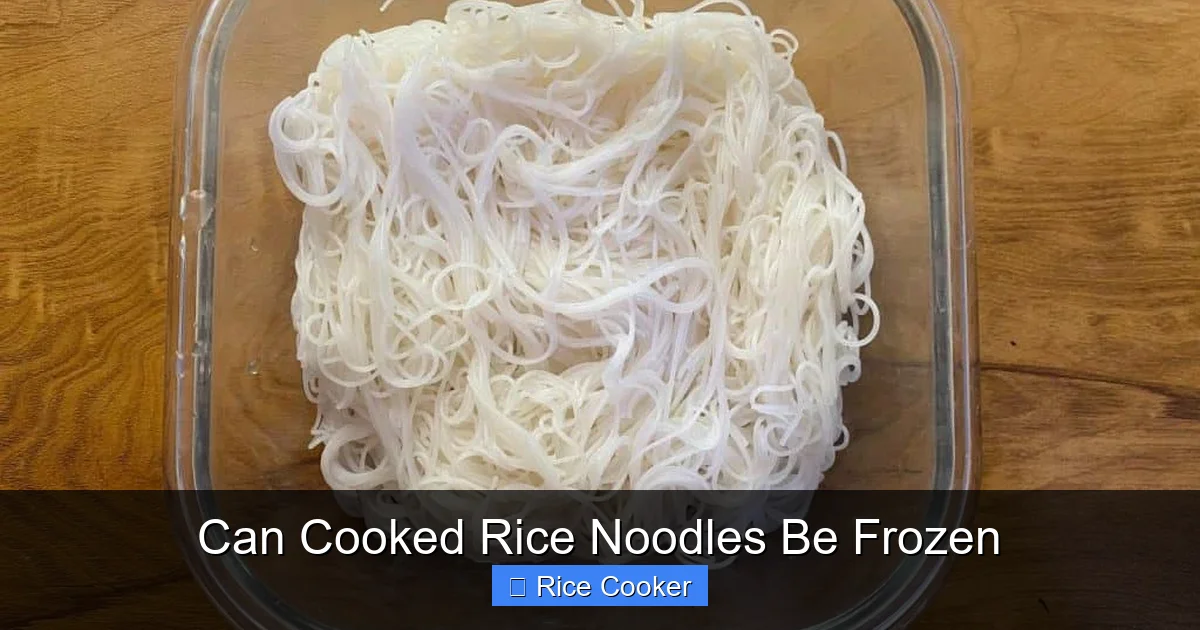
Can cooked rice noodles be frozen? Absolutely! Freezing cooked rice noodles is a smart way to extend their shelf life and keep meals convenient. When stored correctly in an airtight container or freezer bag, they stay fresh for up to 3 months. Whether you’re meal prepping or have leftovers, freezing rice noodles helps reduce waste and saves time when you’re ready to cook.
Key Takeaways
- Freezing extends shelf life: Cooked rice noodles can last up to 3 months in the freezer, making them ideal for batch cooking and meal prep.
- Proper storage prevents freezer burn: Use airtight containers or vacuum-sealed bags and label with dates to maintain quality.
- Thawing matters: Thaw frozen noodles safely in the refrigerator overnight or under cold running water to avoid sogginess.
- Reheating preserves texture: Steam, boil, or stir-fry frozen noodles to restore their springy consistency without turning mushy.
- Meal prep becomes easier: Freeze individual portions of rice noodle dishes for quick lunches or dinners on busy days.
- Quality depends on original preparation: Noodles made with high-quality ingredients and minimal added oils freeze better than those with too much sauce.
- Not all rice noodles are equal: Glutinous (sticky) varieties may clump more, so portioning them separately helps prevent sticking.
📑 Table of Contents
- Can Cooked Rice Noodles Be Frozen? The Complete Guide to Storing and Reusing Them
- Understanding Rice Noodles: Why Freezing Works
- How Long Can You Freeze Cooked Rice Noodles?
- Step-by-Step: How to Freeze Cooked Rice Noodles Properly
- How to Thaw Frozen Rice Noodles Safely
- Reheating Frozen Rice Noodles: Tips for Perfect Results
- Can You Freeze Rice Noodle Dishes?
- Common Concerns About Freezing Rice Noodles
- Bonus Tips for Meal Preppers
- Final Thoughts: Yes, You Should Freeze Cooked Rice Noodles
Can Cooked Rice Noodles Be Frozen? The Complete Guide to Storing and Reusing Them
Rice noodles are a staple in many Asian cuisines—think pad Thai, pho, and vermicelli salads. Their delicate texture and neutral flavor make them incredibly versatile, but one question often comes up: Can you freeze cooked rice noodles? The short answer is yes, and freezing is actually one of the best ways to preserve them if you won’t use them right away.
Whether you’ve cooked too much for dinner, want to meal prep for the week, or simply want to avoid food waste, freezing cooked rice noodles can be a game-changer. But like any food, doing it the right way makes all the difference. Freezing improperly can lead to soggy noodles, ice crystals, or even freezer burn. So let’s dive into everything you need to know—from how to freeze them safely to how to bring them back to life when you’re ready to eat.
Understanding Rice Noodles: Why Freezing Works
Before we talk about freezing, it’s helpful to understand what rice noodles are and why they respond well to cold storage. Unlike wheat-based noodles, rice noodles are made from ground rice flour and water, sometimes with tapioca or cornstarch added. They’re naturally gluten-free and absorb flavors beautifully. Because they lack the protein structure found in pasta, they don’t dry out as easily—but they can become gummy or clumpy if not handled correctly.
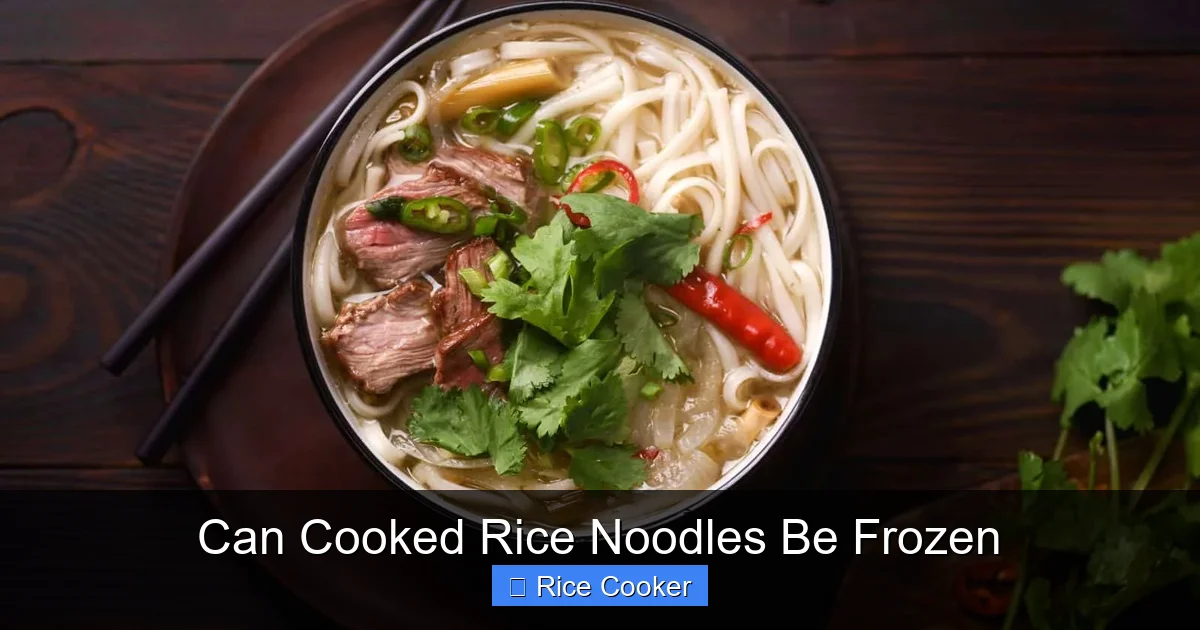
Visual guide about Can Cooked Rice Noodles Be Frozen
Image source: stretchrecipes.com
The Science Behind Freezing Rice Noodles
Freezing slows down the movement of water molecules, which helps preserve the noodles’ structure. However, because rice noodles are starch-based, they can absorb moisture from the freezer air over time. That’s why proper packaging is crucial. When frozen correctly, the starch molecules remain stable, and the noodles retain their shape and texture when thawed.
Another benefit of freezing rice noodles is that it halts enzymatic activity and microbial growth. This means that even though you’re storing them at sub-zero temperatures, you’re effectively pausing the aging process. Just remember: freezing doesn’t kill bacteria—it stops them from reproducing until thawing begins.
How Long Can You Freeze Cooked Rice Noodles?
In general, cooked rice noodles can be safely frozen for up to 3 months. Beyond that, while they won’t necessarily spoil, the quality starts to decline. After three months, you might notice a slight change in texture—perhaps a little chewier or less vibrant in appearance. For best results, aim to use them within 2–3 months.
Signs Your Frozen Rice Noodles Are Still Good
Check for these indicators before using:
- No foul odor: If your noodles smell sour or off, discard them.
- Ice crystals are okay: A little frost isn’t a problem—just thaw slowly to redistribute moisture.
- No slimy coating: If they feel slimy after thawing, it could indicate spoilage.
On the other hand, if you see mold, a strong unpleasant smell, or excessive discoloration, it’s safer to throw them out. Better safe than sorry!
Step-by-Step: How to Freeze Cooked Rice Noodles Properly
Freezing rice noodles isn’t complicated, but following a few key steps ensures they stay usable and tasty. Here’s how to do it right:
1. Cool Down Quickly
After cooking, spread the noodles out on a baking sheet or tray lined with parchment paper. Let them cool completely at room temperature—this step prevents condensation inside the storage container, which can cause clumping.
If you’re in a hurry, you can place the tray in the freezer for 15–20 minutes to flash-freeze the noodles before transferring them to a bag. This method works especially well for small batches.
2. Portion Control Is Key
Divide the cooled noodles into single-serving or meal-sized portions. This makes thawing easier and reduces the risk of repeated freezing and thawing, which can degrade quality. Use kitchen scales, measuring cups, or just eyeball reasonable amounts depending on your needs.
3. Choose the Right Container
Use one of these options:
- Airtight freezer-safe plastic containers
- Heavy-duty freezer bags (lay flat to save space)
- Vacuum-sealed bags (best for long-term storage)
Whatever you choose, squeeze out as much air as possible to prevent freezer burn. Label each container with the date and contents—trust me, you’ll thank yourself later when you’re digging through the freezer and can’t remember what’s what.
4. Store at 0°F (-18°C) or Below
Place the sealed containers or bags in the coldest part of your freezer—usually the back or bottom shelf. Avoid frequent door openings to maintain consistent temperature.
How to Thaw Frozen Rice Noodles Safely
Thawing is where many people go wrong. Rushing the process can leave your noodles mushy or unevenly cooked. Here are the safest methods:
Refrigerator Thawing (Recommended)
This is the gentlest method. Transfer the frozen noodles to the fridge and let them thaw overnight (about 8–12 hours). Once thawed, drain any excess water and proceed with cooking immediately.
Cold Water Method (For Urgent Needs)
If you need to thaw quickly, place the sealed bag in a bowl of cold water. Change the water every 30 minutes until fully thawed. Never use hot water—it can start cooking the noodles unevenly and promote bacterial growth.
Microwave Thawing (Use Sparingly)
While possible, microwaving can create hot spots and partially cook some noodles while leaving others frozen. Only use this method if you plan to cook them right after thawing. Use the defrost setting and check frequently.
Reheating Frozen Rice Noodles: Tips for Perfect Results
Once thawed, you’ll want to restore that fresh, springy texture. Here’s how:
Boiling Method
Bring a pot of water to a boil. Add the noodles and cook for 2–4 minutes, stirring occasionally. Taste to check doneness—they should be tender but still slightly chewy. Drain immediately and rinse briefly with warm water to stop cooking.
Stir-Frying
This is often the most popular method. Heat oil in a wok or large skillet over medium-high heat. Add the thawed noodles and toss with your choice of sauce, vegetables, and protein. Stir constantly for 3–5 minutes until heated through and slightly caramelized.
Steaming
For a softer result, steam the noodles in a bamboo steamer for 5–7 minutes. This works well for dishes like Vietnamese summer rolls or noodle soups.
Avoid These Mistakes
Don’t skip rinsing after boiling—it removes excess starch and prevents stickiness. Also, avoid adding raw sauce directly to frozen noodles; always heat them first to ensure even cooking.
Can You Freeze Rice Noodle Dishes?
Absolutely! In fact, freezing entire meals like pad Thai or curry noodle soup can save time during the week. Just keep these tips in mind:
Separate Components When Possible
If your dish includes fresh herbs, soft vegetables (like bok choy or bean sprouts), or creamy sauces, consider adding those right before serving. Freezing them can make them mushy or separate unevenly.
Use Opaque Containers
Lighter-colored containers can let light in, which may affect flavor over time. Darker containers or aluminum trays work better.
Label Clearly
Include the name of the dish, date, and estimated thawing time. Trust me—you’ll appreciate this detail when you’re hungry and staring into the abyss of your freezer.
Common Concerns About Freezing Rice Noodles
Let’s address some worries people often have:
Will They Get Soggy?
Only if improperly packaged or thawed too quickly. With proper sealing and slow thawing, sogginess is rare. Always drain and pat dry after thawing before reheating.
Do They Lose Flavor?
Not significantly. While freezing can dull flavors slightly compared to fresh, the effect is minimal if you freeze within a few hours of cooking. Seasoning after thawing usually brings back the taste.
Are They Safe to Eat After Thawing?
Yes—as long as they were frozen promptly and kept at safe temperatures. Follow food safety guidelines: don’t leave thawed noodles at room temperature for more than 2 hours.
Bonus Tips for Meal Preppers
If you love meal prepping, here’s how to make rice noodles work for you:
- Batch cook: Make a big pot of plain rice noodles and freeze portions for quick assembly.
- Practice portion control: Use silicone molds or ice cube trays to freeze small servings—perfect for smoothies or instant soups later.
- Pair with bold flavors: Freeze noodles with strong seasonings like garlic, chili, or soy sauce so even after freezing, the taste shines through.
Final Thoughts: Yes, You Should Freeze Cooked Rice Noodles
Freezing cooked rice noodles is not only possible—it’s practical, eco-friendly, and saves money. By following simple steps like cooling quickly, portioning wisely, and labeling clearly, you can enjoy your favorite noodle dishes anytime without waste. Whether you’re prepping for the week, saving leftovers, or stocking up during sales, this technique puts you in control of your kitchen.
Just remember: quality starts at home. Fresh, properly prepared noodles freeze better than those already sitting in the fridge too long. And when in doubt, trust your senses—if it looks, smells, or feels off, it probably is. But if everything checks out, go ahead and freeze those noodles with confidence.
Now that you know how, there’s no reason not to try it. Your future self will thank you—especially on those nights when you don’t feel like cooking but still want something delicious.
Frequently Asked Questions
Can you freeze rice noodles after cooking?
Yes, cooked rice noodles can be safely frozen for up to 3 months. Just cool them quickly, portion them, and store in airtight containers to preserve texture and flavor.
How do you thaw frozen rice noodles?
Thaw them overnight in the refrigerator for best results. For faster thawing, use cold water, changing it every 30 minutes until fully defrosted.
Can you freeze rice noodle soup?
Yes, but add fresh ingredients like herbs or soft vegetables just before serving. Store the base (noodles and broth) separately for best quality.
Why do my frozen rice noodles get soggy?
Sogginess usually happens if noodles aren’t cooled properly before freezing or if they absorb too much moisture. Always dry them well after thawing.
How long do frozen rice noodles last?
They stay good for up to 3 months in the freezer. For optimal texture, use within 2 months.
Can you freeze rice noodles with sauce?
You can, but some sauces may separate or become watery. Freeze noodles plain and add sauce after reheating for best results.