
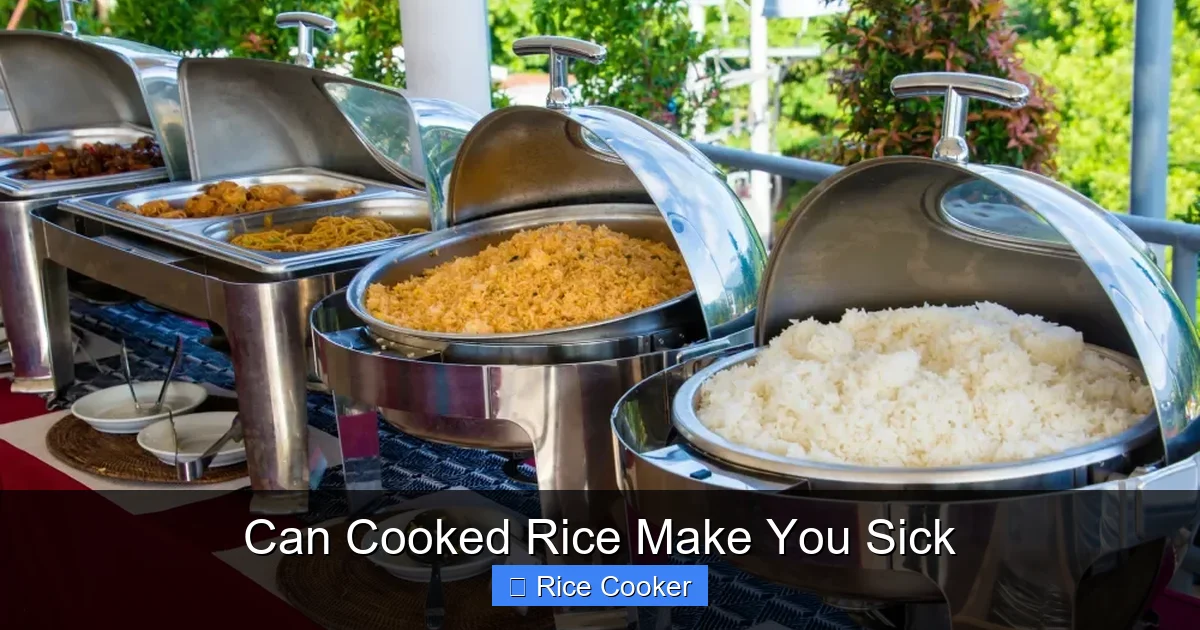
Cooked rice can indeed make you sick if not stored or reheated properly. The culprit is often a bacteria called *Bacillus cereus*, which survives cooking and thrives in warm environments. With simple steps like cooling quickly, refrigerating promptly, and reheating thoroughly, you can enjoy safe, delicious rice every time.
Key Takeaways
- Rice can harbor bacteria: Cooked rice may contain *Bacillus cereus* spores that survive cooking and grow when rice sits at room temperature.
- Proper storage prevents illness: Refrigerate cooked rice within 1–2 hours and store it in shallow, airtight containers to cool quickly.
- Reheating matters: Always reheat rice to at least 165°F (74°C) to kill any bacteria that may have formed.
- Don’t leave rice out too long: Avoid letting cooked rice sit at room temperature for more than 2 hours (or 1 hour if above 90°F/32°C).
- Freezing extends safety: Freeze cooked rice in portions for up to 6 months to preserve freshness and reduce spoilage risk.
- Trust your senses: If rice smells off, feels sticky, or looks slimy, it’s best to discard it—don’t risk food poisoning.
- Use a rice cooker wisely: Modern rice cookers with keep-warm functions can be convenient, but don’t rely on them to keep rice safe for hours.
📑 Table of Contents
- Can Cooked Rice Make You Sick?
- What Makes Cooked Rice Dangerous?
- How Long Is Cooked Rice Safe to Eat?
- Signs Your Rice Has Gone Bad
- Safe Handling Tips for Rice Cooker Users
- Myths vs. Facts About Rice Safety
- Special Considerations: Brown Rice and Wild Rice
- What to Do If You Get Sick from Rice
- Final Thoughts: Enjoy Rice Without Fear
Can Cooked Rice Make You Sick?
You’ve probably heard the advice: “Never eat cold leftover rice.” But why? And is it really true that cooked rice can make you sick? Let’s clear up the confusion once and for all.
When you cook rice, you think you’re killing all the bad stuff. After all, boiling water reaches temperatures high enough to destroy most bacteria. So why does rice still pose a risk? The answer lies in a sneaky little bacterium called Bacillus cereus. This spore-forming germ is naturally present in soil and grains, including rice. While cooking kills the active bacteria, it doesn’t destroy the spores. These resilient survivors can wake up and multiply if the rice is left out too long—especially in the “danger zone” between 40°F and 140°F (4°C and 60°C), where bacteria thrive.
In this article, we’ll explore exactly what happens when rice goes bad, how to tell if it’s unsafe to eat, and—most importantly—how to use your rice cooker safely to avoid getting sick. Whether you’re meal-prepping for the week or just making dinner, understanding rice safety will save you from an unpleasant surprise.
What Makes Cooked Rice Dangerous?
The Role of Bacillus Cereus
The main villain in the story of spoiled rice is Bacillus cereus. This bacteria is unique because it produces heat-resistant spores that can survive the cooking process. Once rice is cooked, cooled, and left at room temperature, those spores can germinate into active bacteria. As they multiply, they release toxins—two types, in fact: one causes vomiting (called emetic toxin), and the other causes diarrhea (called enterotoxin).
Visual guide about Can Cooked Rice Make You Sick
Image source: img.smartertravel.com
Interestingly, you won’t always see, smell, or taste these toxins. That’s why eating rice that looks and smells fine can still make you sick. Symptoms usually appear within 6 to 15 hours and can include nausea, vomiting, stomach cramps, and diarrhea. Most people recover within 24 hours, but young children, older adults, and those with weakened immune systems are at higher risk for complications.
Why Is Rice More Risky Than Other Grains?
Unlike other grains, rice is especially vulnerable to bacterial growth because of its starches and moisture content. White rice, in particular, has less natural protection compared to whole grains. When rice is cooked, the starch gelatinizes, creating an ideal environment for bacteria to grow if not handled correctly. Brown rice isn’t completely safe either—it contains more nutrients and oils, which can actually speed up spoilage if not stored properly.
Another factor is preparation method. If rice is cooked in large batches and left uncovered, it loses moisture and develops a sticky texture that encourages bacterial growth. On the flip side, tightly sealed containers can trap steam, creating a warm, moist environment perfect for bacteria—even in the fridge.
How Long Is Cooked Rice Safe to Eat?
The 2-Hour Rule
The golden rule for food safety is: Don’t let perishable foods sit out for more than 2 hours at room temperature. For cooked rice, this means taking it out of the rice cooker or pot no later than 2 hours after cooking—and even sooner if the room is hot (above 90°F/32°C). In those conditions, the window shrinks to just 1 hour.
This guideline applies whether you’re using a traditional rice cooker, electric model, or stovetop. Even if your rice cooker has a “keep warm” setting, it’s designed for short-term use—usually up to 12 hours maximum, but not for safety. The keep-warm function typically holds rice around 140°F, which is still in the danger zone for bacterial growth.
Refrigeration and Freezing Guidelines
Once rice is cooled, refrigeration significantly slows bacterial growth. Here’s what the experts say:
- Refrigerate within 1–2 hours: Cool rice quickly, then store in shallow containers (no more than 2 inches deep) to help it chill faster.
- Refrigerated rice: Use within 3–4 days for best quality and safety.
- Frozen rice: Can be frozen for up to 6 months. Label containers with dates and consider portioning into freezer bags to avoid repeated thawing.
When freezing, spread rice in a thin layer first to freeze quickly, then transfer to airtight containers. Thaw in the refrigerator overnight before reheating.
Signs Your Rice Has Gone Bad
Visual and Textural Clues
While bacteria don’t always change the appearance of rice, there are red flags to watch for:
- Sticky or clumpy texture: Normal rice should fluff up when stirred. Sticky or gluey rice may indicate bacterial growth or improper cooling.
- Slimy coating: A slimy film on the surface is a major warning sign—discard immediately.
- Unusual color: Discoloration, such as grayish or greenish hues, suggests mold or contamination.
Smell and Taste
Freshly cooked rice has a mild, slightly nutty aroma. If your leftover rice smells sour, fermented, or off-putting—even faintly sweet or musty—it’s best not to take the chance. Trust your nose; if it doesn’t smell right, don’t eat it.
Tasting a tiny bit might seem tempting, but remember: the toxins produced by *Bacillus cereus* are tasteless. One bite could be enough to make you sick.
When in Doubt, Throw It Out
Food safety experts agree: when it comes to questionable rice, the safest choice is disposal. No guessing games. If you’re unsure about its freshness—especially if it’s been sitting out overnight—err on the side of caution.
Safe Handling Tips for Rice Cooker Users
Cooling Before Storing
After cooking, resist the urge to immediately transfer hot rice to the fridge. Instead, let it cool to room temperature first—but not too long! The ideal approach is to spread it thinly in a clean container and place it in front of a fan or near an open window to speed cooling. Never cover hot rice tightly, as this traps heat and steam.
For large batches, divide rice into smaller portions before refrigerating. This reduces the core temperature rise inside the container and minimizes bacterial growth risk.
Proper Container Use
Choose shallow, wide-mouthed containers made of glass or BPA-free plastic. These allow better airflow and faster cooling. Avoid deep ceramic bowls unless you stir frequently during cooling.
Always seal containers tightly after cooling to prevent contamination from fridge odors or cross-contact with raw foods.
Reheating Leftover Rice Correctly
Reheating is your last line of defense against bacteria. Follow these steps:
- Moisten lightly: Add a teaspoon of water to dry leftover rice to create steam during reheating.
- Cover while heating: This helps distribute heat evenly and speeds up the process.
- Heat thoroughly: Microwave on high for 1 minute, stir, then heat in 30-second intervals until steaming hot throughout.
- Check temperature: Use a food thermometer to ensure it reaches at least 165°F (74°C).
Never reheat rice more than once. Each cycle increases the risk of uneven heating and bacterial survival.
Using Your Rice Cooker Safely
Modern rice cookers come with features like auto shut-off and keep-warm modes. While convenient, these aren’t substitutes for proper food safety practices.
- Avoid prolonged keep-warm use: Limit keep-warm settings to 12 hours max. After that, remove rice and refrigerate.
- Clean regularly: Bacteria love to hide in crevices and non-stick surfaces. Wash inner pots and lids after each use.
- Don’t reuse old rice: If you’ve already refrigerated rice, don’t put it back in the cooker for another batch. Cross-contamination is easy.
Myths vs. Facts About Rice Safety
Myth: “If I wash the rice before cooking, it’ll be safer.”
Fact: Washing rice removes surface starch but doesn’t eliminate *Bacillus cereus* spores. In fact, over-rinsing can wash away nutrients without improving safety. Focus on proper storage after cooking instead.
Myth: “Cooking rice with vinegar or lemon juice prevents spoilage.”
Fact: Acidic environments can actually encourage some bacterial strains. While vinegar adds flavor, it doesn’t reliably protect against *B. cereus*. Stick to temperature control for safety.
Myth: “Freezing ruins rice texture forever.”
Fact: Freezing doesn’t destroy rice quality if done right. Properly portioned, labeled, and frozen rice can retain good texture when thawed and reheated correctly.
Myth: “Only old rice can make you sick.”
Fact: Freshly cooked rice left out for just 3–4 hours can harbor dangerous levels of bacteria. Timing matters more than age.
Special Considerations: Brown Rice and Wild Rice
Brown Rice
Brown rice contains more fiber, vitamins, and minerals than white rice—but it also has more oil content, which can go rancid faster. To extend shelf life:
- Store uncooked brown rice in the freezer for up to 6 months.
- Cooked brown rice should be used within 3 days when refrigerated.
- Always smell brown rice before cooking—if it smells bitter or sour, discard it.
Wild Rice
Technically a grass seed, wild rice cooks similarly to brown rice. It takes longer to cook (about 45–60 minutes) and retains a firmer texture. Because it’s less processed, it may have a stronger shelf life—but follow the same cooling and storage rules.
What to Do If You Get Sick from Rice
If you experience symptoms after eating rice, especially if multiple people ate the same dish and got ill, contact a healthcare provider. Keep a sample of the suspected food (if available) for testing. Stay hydrated and rest—most cases resolve on their own.
Note: Food poisoning from rice is rarely serious, but if you develop severe dehydration, persistent fever, or bloody stool, seek medical attention immediately.
Final Thoughts: Enjoy Rice Without Fear
Cooked rice can absolutely make you sick—but only if mishandled. With a few simple habits, you can enjoy fluffy, flavorful rice without worry. Remember: cool fast, chill soon, reheat well. Your rice cooker is a great tool, but it’s up to you to use it responsibly.
By understanding how bacteria works, trusting your senses, and following basic food safety rules, you’ll turn rice from a potential health hazard into a reliable, delicious staple. Happy cooking—and stay safe!
Frequently Asked Questions
Can cooked rice make you sick even if it looks and smells normal?
Yes, cooked rice can make you sick even if it appears and smells perfectly fine. Bacteria like Bacillus cereus produce toxins that are odorless and tasteless, so visual or olfactory cues aren’t reliable indicators of safety.
How long can cooked rice sit at room temperature before it becomes unsafe?
Cooked rice should not sit at room temperature for more than 2 hours. If the ambient temperature is above 90°F (32°C), limit it to just 1 hour to prevent bacterial growth.
Is it safe to reheat rice multiple times?
No, you should never reheat rice more than once. Repeated reheating increases the risk of uneven heating and bacterial survival, raising the chance of foodborne illness.
Can freezing rice extend its shelf life safely?
Yes, freezing cooked rice can keep it safe for up to 6 months. Just portion it into airtight containers or freezer bags, label with dates, and thaw in the refrigerator before reheating.
Do all types of rice carry the same risk?
White, brown, and wild rice all carry similar risks if not stored properly. Brown and wild rice have more oil and nutrients, which can speed spoilage, but the core safety principles remain the same.
Should I rinse rice before cooking to make it safer?
Rinsing rice is optional and mainly affects texture and starch content. It doesn’t significantly reduce bacterial risk, since Bacillus cereus spores survive washing. Focus on post-cooking handling instead.