
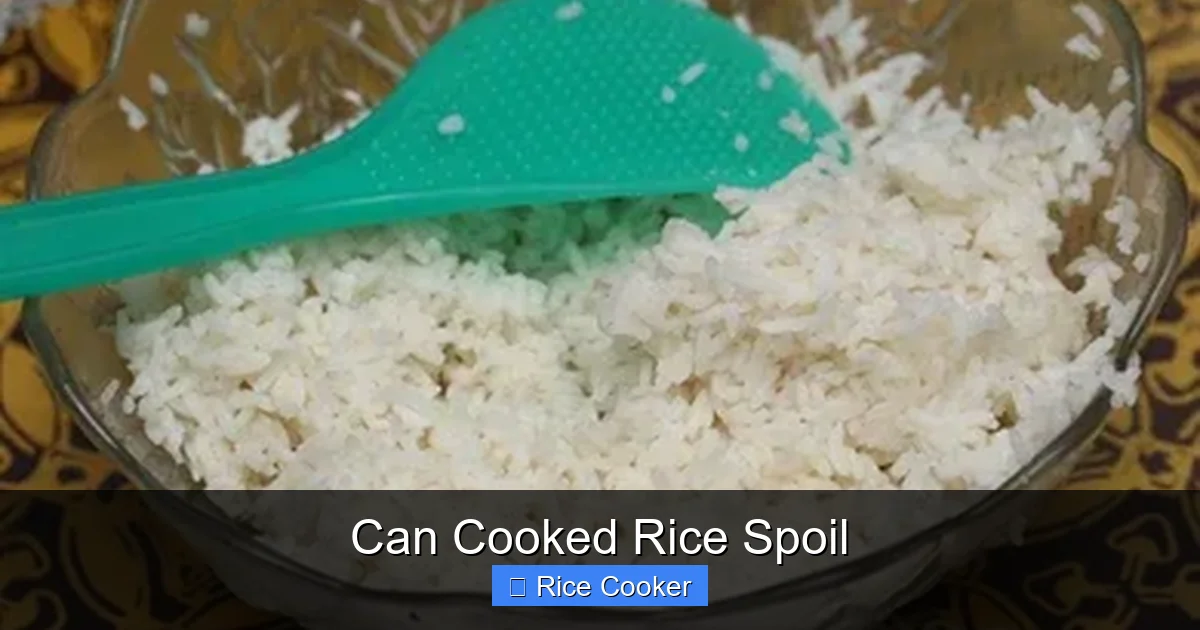
Yes, cooked rice can spoil—and it does so faster than you might think. Bacteria like Bacillus cereus can multiply rapidly in warm, moist environments, leading to food poisoning if rice isn’t handled properly. The good news? With proper storage and reheating techniques, you can enjoy leftover rice safely for days. This guide covers everything from refrigeration tips to recognizing spoilage signs, helping you keep your rice fresh and safe.
Key Takeaways
- Yes, cooked rice can spoil: It’s perishable and can grow harmful bacteria if not stored correctly.
- Bacillus cereus is the main culprit: This bacteria forms spores that survive cooking and thrive at room temperature.
- Refrigeration slows spoilage: Storing rice within two hours in an airtight container extends freshness up to 6–7 days.
- Reheating kills most bacteria: Heating rice to 165°F (74°C) destroys existing bacteria but doesn’t remove toxins.
- Watch for spoilage signs: Bad smell, slimy texture, or unusual color are red flags—don’t risk eating it.
- Freezing is a great option: Frozen rice can last 1–2 months and keeps well when sealed properly.
- Use a rice cooker wisely: Modern rice cookers with warm settings can keep rice safe longer if used correctly.
Quick Answers to Common Questions
Can cooked rice go bad in the fridge?
Yes, cooked rice can spoil in the refrigerator. While refrigeration slows bacterial growth, it doesn’t stop it entirely. Cooked rice stored in the fridge for more than 6–7 days may develop harmful bacteria like Bacillus cereus, which can cause food poisoning. Always check for signs like smell, texture, or discoloration before eating.
How long can rice sit in a rice cooker?
Rice should not sit in a rice cooker for more than 2 hours. The warm setting keeps rice between 140°F and 175°F, which is within the “danger zone” where bacteria multiply rapidly. After 2 hours, especially in warm environments, the rice becomes unsafe to eat. For longer storage, refrigerate or freeze immediately.
Is it safe to eat cold leftover rice?
Yes, cold leftover rice is generally safe to eat if it was cooled and stored properly in the refrigerator within 2 hours of cooking. Cold rice doesn’t support bacterial growth the same way warm rice does. Just make sure it hasn’t been sitting out at room temperature too long.
Can you freeze cooked rice?
Absolutely. Freezing cooked rice is a great way to extend its shelf life. Properly sealed and frozen rice can last 1 to 2 months. Thaw it in the refrigerator overnight and reheat thoroughly before eating. Freezing stops bacterial growth completely, making it a safe option for long-term storage.
Why does my rice taste weird after a few days?
If your rice tastes sour, bitter, or off, it may have spoiled. Bacillus cereus can produce toxins that alter the flavor even if the rice looks normal. Other signs of spoilage include a slimy texture, unpleasant odor, or mold. When in doubt, throw it out—your safety is more important than saving a meal.
📑 Table of Contents
- Introduction: Why Does Cooked Rice Become Dangerous?
- The Science Behind Rice Spoilage
- How Long Can Cooked Rice Last?
- Signs That Your Cooked Rice Has Spoiled
- Safe Handling and Storage Tips
- Can a Rice Cooker Prevent Spoilage?
- Reheating Rice Safely
- Special Cases: Fried Rice and Brown Rice
- Conclusion: Keep Your Rice Safe and Delicious
Introduction: Why Does Cooked Rice Become Dangerous?
Cooked rice is a kitchen staple—versatile, filling, and easy to prepare. But despite its popularity, many people don’t realize that cooked rice can spoil just like any other perishable food. In fact, it’s one of the more common culprits behind foodborne illnesses in households across the world.
The reason lies in a bacterium called Bacillus cereus. Unlike most bacteria that die during cooking, this one forms heat-resistant spores that survive the boiling process. Once rice cools down, especially at room temperature, these spores can wake up and start multiplying. In as little as 20 minutes, they can reach dangerous levels—especially if rice sits out too long.
That’s why understanding how cooked rice spoils is essential. Whether you’re meal-prepping for the week or saving leftovers, knowing how to store and handle rice properly can mean the difference between a tasty meal and a stomachache.
In this comprehensive guide, we’ll explore everything you need to know about whether cooked rice can spoil, how to prevent it, and what to do if it goes bad. From smart storage tips to safe reheating methods, we’ve got you covered.
The Science Behind Rice Spoilage
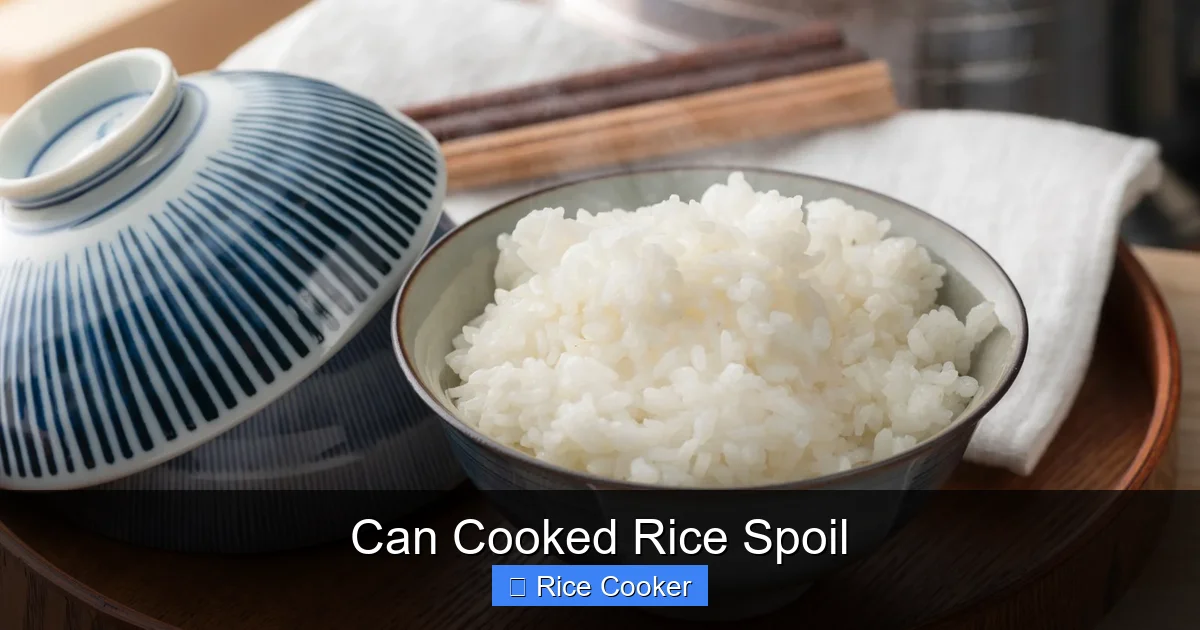
Visual guide about Can Cooked Rice Spoil
Image source: thedailymeal.com
Understanding Bacillus Cereus
Bacillus cereus is a spore-forming bacterium commonly found in soil and dust. It’s also present in raw grains, including rice. When rice is harvested, dried, and then cooked, the heat usually kills the active bacteria. However, the spores remain dormant and can survive even high temperatures.
After cooking, if the rice is left at room temperature—especially in warm environments—the spores begin to germinate. Within hours, they multiply rapidly. This growth is particularly fast in moist, starch-rich environments like cooked rice.
There are two types of food poisoning caused by Bacillus cereus:
- Emetic type: Causes vomiting due to a toxin produced while the rice is warming up (usually within 30–60 minutes after eating).
- Diarrheal type: Caused by another toxin produced during bacterial growth in the gut, leading to nausea, cramps, and diarrhea within 6–15 hours.
The key takeaway? Even if rice looks and smells fine, harmful bacteria may already be present.
Why Rice Is Especially Vulnerable
Unlike meat or vegetables, rice is mostly starch—a perfect breeding ground for bacteria. When cooked, the starch gelatinizes, creating a soft, moist texture that supports rapid bacterial growth. Add warmth from a rice cooker’s “keep warm” setting, and you’ve created ideal conditions for contamination.
Moreover, many people leave cooked rice sitting in the rice cooker for hours, assuming the machine will keep it fresh. While modern rice cookers have safety features, they’re not designed to maintain temperatures that prevent bacterial growth for extended periods.
How Long Can Cooked Rice Last?
Visual guide about Can Cooked Rice Spoil
Image source: thedailymeal.com
Refrigerated Cooked Rice
When stored properly in the refrigerator, cooked rice can last 6 to 7 days. To maximize freshness:
- Cool the rice to room temperature within 1–2 hours of cooking.
- Transfer it to an airtight container or sealable plastic bag.
- Label it with the date so you track freshness.
Storing rice in a shallow layer helps it cool faster, reducing the chance of bacterial growth during the cooling phase.
Frozen Cooked Rice
For longer storage, freezing is highly recommended. Properly frozen rice can last 1 to 2 months. Here’s how:
- Portion the rice into small, manageable amounts.
- Place portions in freezer-safe containers or zip-top bags.
- Remove as much air as possible before sealing.
- Thaw in the refrigerator overnight before reheating.
Frozen rice retains quality better than many other leftovers because cold temperatures halt bacterial activity completely.
Room Temperature Storage: A Major No-No
Leaving cooked rice at room temperature—even in a rice cooker with a warm setting—is risky. The “danger zone” for bacterial growth is between 40°F and 140°F (4°C to 60°C). Most rice cookers stay in this range, allowing bacteria to multiply unchecked.
If rice has been sitting out for more than 2 hours, it should be discarded. In hot climates (above 90°F/32°C), the safe window drops to just 1 hour.
Signs That Your Cooked Rice Has Spoiled
Even with careful storage, rice can go bad. Watch for these warning signs:
- Unpleasant odor: A sour or rancid smell indicates spoilage.
- Slimy texture: Fresh rice should be dry and slightly firm. Sliminess means bacterial growth.
- Discoloration: Yellowish, greenish, or moldy spots are red flags.
- Off taste: Sour, bitter, or metallic flavors suggest contamination.
- Mold: Visible fuzzy patches (white, green, or black) mean the rice is unsafe.
If you notice any of these signs, discard the rice immediately. Don’t taste it—some toxins are invisible and can cause serious illness.
Safe Handling and Storage Tips
Cooling Rice Quickly
Rapid cooling reduces bacterial growth. Instead of letting rice sit in the pot, spread it on a baking sheet or divide it into smaller containers. You can even place the container in an ice bath to speed things up.
Using Airtight Containers
Always transfer cooled rice to clean, airtight containers. Glass or BPA-free plastic containers work best. Avoid leaving rice in open bowls or uncovered dishes.
Leftover Rice Best Practices
When reheating leftover rice:
- Heat it thoroughly until steaming hot throughout.
- Add a splash of water or broth to restore moisture.
- Avoid reheating multiple times—each cycle increases contamination risk.
Also, never return uneaten rice to the original cooking container. Use clean utensils each time.
Can a Rice Cooker Prevent Spoilage?
Understanding the Warm Setting
Many rice cookers come with a “keep warm” function that maintains rice at around 175°F (80°C). While this temperature kills bacteria, it’s not sufficient to stop Bacillus cereus from growing over time. Plus, the warm setting can dry out rice, making it less appealing.
Smart Use of the Warm Function
If you plan to eat rice within 1–2 hours, using the warm setting is generally safe. Just remember:
- Don’t leave rice on warm mode for more than 2 hours.
- Monitor the rice—if it starts to dry or smell off, discard it.
- Consider switching to the off position after serving.
For longer storage, always refrigerate or freeze, regardless of the rice cooker’s capabilities.
Modern Rice Cooker Features
Some advanced models include:
- Insulated pots to retain heat without overcooking.
- Timer functions to delay cooking and serve fresh rice later.
- Steam vents to reduce moisture buildup.
While helpful, none of these eliminate the need for proper cooling and storage practices.
Reheating Rice Safely
Microwave Method
Place rice in a microwave-safe dish. Add 1–2 tablespoons of water per cup of rice. Cover with a damp paper towel to trap steam. Microwave on high for 1–2 minutes, stir, then heat in 30-second intervals until hot.
Stovetop Reheating
Bring a non-stick pan over medium heat. Add rice and a bit of oil or butter. Stir frequently and add broth or water as needed. Heat until steamy and evenly warmed.
Oven Reheating
Preheat oven to 350°F (175°C). Spread rice in a baking dish, sprinkle with water, cover with foil, and bake for 10–15 minutes. Remove foil to crisp up the top if desired.
Important Reminder
Even when reheated, some toxins produced by Bacillus cereus may remain. This is why proper storage is more important than reheating.
Special Cases: Fried Rice and Brown Rice
Fried Rice Safety
Fried rice often contains eggs, vegetables, and meat—all of which increase spoilage risk. If made with leftover rice, fried rice should be eaten within 3–4 days when refrigerated. Never reuse fried rice that’s been sitting out.
Brown Rice Considerations
Brown rice has a higher oil content (from the bran) and takes longer to cook. It also spoils faster than white rice because of its natural oils. Store brown rice in the fridge or freezer and consume within 4–5 days.
Raw vs. Cooked Brown Rice
Note: Raw brown rice can last months at room temperature due to lower moisture. But once cooked, treat it like white rice—refrigerate promptly.
Conclusion: Keep Your Rice Safe and Delicious
Cooked rice can indeed spoil, and doing so poses real health risks. But with the right knowledge and habits, you can enjoy rice safely for days—or even months—after cooking. The key is prompt cooling, proper storage, and smart reheating.
Remember: time and temperature are your biggest enemies. Leave rice out too long, and you give bacteria a head start. Cool it quickly, store it airtight, and reheat thoroughly, and you’ll keep your meals both safe and delicious.
Whether you’re using a traditional rice cooker or a high-tech model, these principles apply. So next time you cook a big batch, don’t let it sit. Refrigerate it, label it, and use it wisely. Your stomach—and your taste buds—will thank you.
Frequently Asked Questions
Does cooked rice grow bacteria?
Yes, cooked rice can grow harmful bacteria like Bacillus cereus, especially if left at room temperature. These bacteria form spores that survive cooking and multiply in warm, moist environments. Proper cooling and refrigeration are essential to minimize risk.
How long is cooked rice good for in the fridge?
Cooked rice can safely last in the refrigerator for 6 to 7 days when stored in an airtight container and cooled within 2 hours of cooking. Beyond this time, the risk of bacterial growth increases significantly, even if the rice appears normal.
Can you eat rice that’s been left out overnight?
It’s not recommended. If rice has been left out at room temperature for more than 2 hours (or 1 hour in hot weather), it may harbor dangerous levels of Bacillus cereus. Eating it could lead to food poisoning, so it’s safer to discard it.
Should I wash my hands after handling cooked rice?
Yes, always wash your hands thoroughly with soap and water after handling cooked rice, especially if you’ve touched raw ingredients like eggs or vegetables. This prevents cross-contamination and reduces the risk of spreading bacteria.
Can I reheat rice more than once?
It’s best to avoid reheating rice multiple times. Each reheating cycle increases the risk of bacterial contamination and reduces nutritional value. If you have leftover rice, divide it into portions and reheat only what you plan to eat.
Is it okay to eat rice that’s slightly sticky?
Not necessarily. Stickiness can indicate bacterial growth or improper cooling. While some stickiness is normal after cooking, if the rice feels slimy or smells off, it’s likely spoiled. When in doubt, err on the side of caution and discard it.