
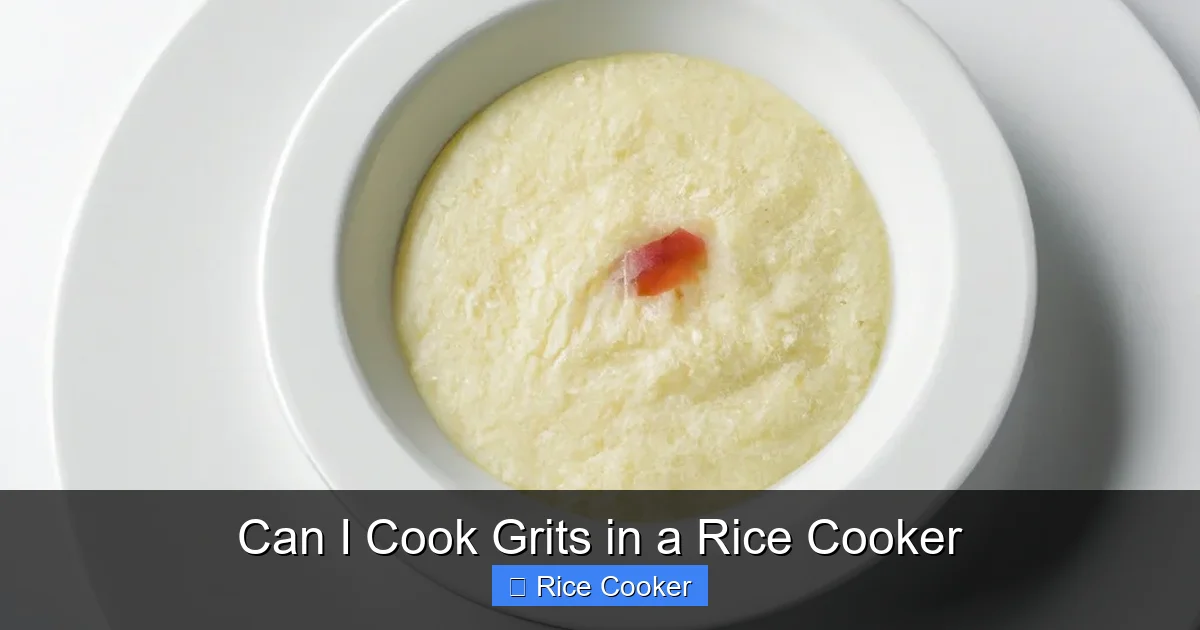
You absolutely can cook grits in a rice cooker, and it’s one of the easiest ways to achieve that perfect creamy texture without constant stirring. This method saves time, reduces mess, and works great for both quick and instant grits. With just a few adjustments—like the right water ratio and cooking time—you’ll get restaurant-quality grits every time.
Key Takeaways
- Grits cook perfectly in most standard rice cookers—no special settings needed.
- Use the same ratio as cooking regular rice: 2 parts liquid to 1 part grits by volume.
- Instant grits are faster and easier than traditional stone-ground grits.
- Adding salt and butter before cooking enhances flavor from the start.
- Let the rice cooker do the work—just add ingredients, press start, and walk away.
- For creamier results, stir in extra milk or broth after cooking.
- Clean-up is simple since there’s no standing over the stove.
Quick Answers to Common Questions
Can I cook grits in a rice cooker?
Yes! Grits cook perfectly in most standard rice cookers using a simple water-to-grits ratio and the normal cooking cycle.
How long does it take to cook grits in a rice cooker?
About 15–20 minutes for quick-cooking grits, or up to 30–40 minutes for stone-ground grits. Always check the manual for specific models.
What type of grits work best in a rice cooker?
Quick-cooking or instant grits are ideal because they absorb liquid faster and yield a smooth texture.
Do I need to add butter or salt before cooking?
Yes! Adding butter and salt early infuses flavor into the grits for a richer, more delicious result.
Can I make cheese grits in a rice cooker?
Absolutely. Add shredded cheese directly to the pot after cooking and stir until melted and creamy.
📑 Table of Contents
- Can I Cook Grits in a Rice Cooker? Absolutely—Here’s How!
- Why Use a Rice Cooker for Grits?
- Choosing the Right Type of Grits
- Basic Grits Recipe for Your Rice Cooker
- Adjusting Ratios for Different Consistencies
- Flavor Variations & Creative Toppings
- Troubleshooting Common Issues
- Tips for Best Results
- Frequently Asked Questions (FAQs)
- Conclusion: Embrace the Ease of Rice Cooker Grits
Can I Cook Grits in a Rice Cooker? Absolutely—Here’s How!
Have you ever stood over a pot of grits, constantly stirring to prevent scorching, only to end up with lumps or uneven texture? You’re not alone. Cooking grits on the stovetop requires patience, attention, and a little luck to get them just right. But what if there was an easier way—one that gives you consistently smooth, creamy grits without all the fuss?
The answer lies in your trusty rice cooker. Yes, you read that correctly: you can cook grits in a rice cooker, and it might just become your new go-to breakfast hack. Whether you’re making quick-cooking grits or experimenting with flavors like cheese and herbs, your rice cooker can handle it. In this guide, we’ll walk you through everything you need to know—from choosing the right type of grits to adjusting cooking times and adding delicious toppings. By the end, you’ll be ready to ditch the stovetop and enjoy foolproof grits every single day.
Why Use a Rice Cooker for Grits?
If you love using your rice cooker for rice, quinoa, or even oatmeal, you’ll be happy to know it’s fully capable of handling grits. But why switch from the stovetop? Let’s break down the benefits:

Visual guide about Can I Cook Grits in a Rice Cooker
Image source: uphomely.com
Effortless Hands-Free Cooking
Unlike traditional grits, which require constant stirring and monitoring, a rice cooker does all the work. Just mix your ingredients, press a button, and come back when it’s done. No more hovering over the pot, worrying about burning or sticking.
Consistent Results Every Time
Rice cookers maintain a steady temperature throughout the cooking cycle, ensuring even heat distribution. This means fewer lumps and a smoother consistency compared to the unpredictable nature of stovetop cooking.
Time-Saving Convenience
Whether you’re rushing out the door or preparing a weekend brunch, the rice cooker allows you to multitask. While your grits cook, you can prep toast, chop veggies, or enjoy a shower—no need to babysit the pot.
Perfect for Meal Prep
Make a big batch of grits at once, then reheat portions throughout the week. The rice cooker’s insulated design keeps food warm for hours, making it ideal for busy mornings.
Less Mess, Less Cleanup
No more sticky burn marks on your stovetop or scrubbing a heavy pot. Most rice cooker inner pots are nonstick and dishwasher-safe, so cleanup takes just minutes.
Choosing the Right Type of Grits
Not all grits are created equal, and your choice will affect how they cook in the rice cooker. Here’s a quick breakdown of the main types:

Visual guide about Can I Cook Grits in a Rice Cooker
Image source: ricecookerjunkie.com
Quick-Cooking (Pre-Cooked) Grits
These are partially cooked, dried, and ground grits that only need a short boiling time. They’re the easiest and fastest option for rice cooker use. Since they’ve already been pre-treated, they absorb liquid quickly and yield a soft, tender texture.
Instant Grits
Similar to quick-cooking grits, instant grits have been treated with an acidic solution to speed up hydration. They cook in under 5 minutes and are ideal for those who want maximum convenience without sacrificing taste.
Stone-Ground Grits
Made from coarsely ground corn kernels, these grits take longer to cook but offer a rich, nutty flavor and hearty texture. They’re worth the wait if you prefer a more traditional, authentic taste.
Creamy vs. Thick Grits
Regardless of type, you can control whether your grits turn out creamy or thick by adjusting the liquid ratio. More liquid = creamier; less = thicker and chewier.
Pro Tip: For best results in a rice cooker, opt for quick-cooking or instant grits unless you’re prepared for a longer cook time. Stone-ground grits may require soaking beforehand to soften properly.
Basic Grits Recipe for Your Rice Cooker
Ready to give it a try? Follow this simple recipe for foolproof grits every time:
Ingredients
- 1 cup quick-cooking or instant grits
- 2 cups water or broth (for extra flavor)
- ½ teaspoon salt
- 1 tablespoon butter (optional, but recommended)
- ¼ cup milk or heavy cream (added after cooking for creaminess)
Instructions
- Combine Ingredients: Add grits, water (or broth), salt, and butter to the inner pot of your rice cooker.
- Cook on Normal Setting: Close the lid and select the “White Rice” or “Normal” setting. Avoid the “Quick” setting unless specified for grits.
- Wait Patiently: Cooking usually takes 15–20 minutes. Do not open the lid during cooking.
- Stir and Serve: Once done, fluff with a fork and stir in milk or cream for extra richness.
- Add Toppings: Try cheese, chives, bacon bits, or a fried egg on top.
This basic recipe works with most standard rice cookers. If your model has multiple settings, stick with the default or “Cook” function unless otherwise directed in the manual.
Adjusting Ratios for Different Consistencies
One of the best things about cooking grits in a rice cooker is how easy it is to customize the texture. Here’s how to adjust the liquid ratio based on your preference:
Thick & Chewy Grits
Use a 1:1.5 ratio (1 cup grits to 1.5 cups liquid). This mimics traditional Southern-style grits and pairs well with savory toppings like sautéed mushrooms or country ham.
Creamy & Smooth Grits
Go for a 1:2.5 ratio (1 cup grits to 2.5 cups liquid). Perfect for a decadent breakfast bowl with honey, cinnamon, or fruit compote.
Double Batch for Meal Prep
To make large quantities, double the ingredients and increase liquid slightly to compensate for evaporation. Store in the fridge for up to 4 days or freeze in portions.
Tip: If your grits turn out too thick after cooking, simply stir in warm milk or broth until you reach the desired consistency.
Flavor Variations & Creative Toppings
Plain grits are great, but they’re even better when you jazz them up! The rice cooker makes it easy to infuse flavor into the base before serving. Try these ideas:
Cheese Grits
Add 1 cup shredded cheddar, Monterey Jack, or pepper jack directly to the pot with the grits. Stir in after cooking for a cheesy, comforting dish.
Herbed Grits
Incorporate fresh herbs like thyme, rosemary, or chives during cooking for aromatic depth. Pair with grilled chicken or shrimp for a gourmet twist.
Savory Breakfast Bowl
Cook grits with chicken broth instead of water, then top with scrambled eggs, avocado slices, and crispy bacon.
Sweet Grits
Mix in brown sugar, cinnamon, and a splash of vanilla while cooking. Top with sliced bananas, berries, or maple syrup.
Vegan-Friendly Options
Skip the butter and use coconut oil or vegan butter. Add nutritional yeast for a cheesy flavor or almond milk for creaminess.
Experimentation is key—your rice cooker is your canvas!
Troubleshooting Common Issues
Even with the best tools, mistakes happen. Here’s how to fix common problems when cooking grits in a rice cooker:
Grits Are Too Thick
This usually happens if too little liquid was used or if the grits weren’t stirred after cooking. Fix it by slowly whisking in warm milk or broth until smooth.
Grits Are Too Thin
If your grits turned out runny, simmer them on the stovetop for 5–10 minutes (or use the rice cooker’s “Keep Warm” function with the lid off) to reduce excess moisture.
Lumps Form During Cooking
Lumps often result from using cold water or not mixing properly. Always use room-temperature liquid and give the mixture a good stir before starting.
Undercooked Grits
If grits still feel grainy after the full cook cycle, add a splash of water and cook for another 5 minutes. Be careful not to overcook, or they’ll become mushy.
Sticking to the Pot
Ensure you’re using enough liquid and avoid high heat settings. Some models benefit from a drop of oil or butter at the bottom to prevent adhesion.
Remember: rice cookers vary by brand and model. If your first attempt isn’t perfect, tweak the ratios and try again!
Tips for Best Results
Want to master grits in the rice cooker? Keep these expert tips in mind:
- Soak Stone-Ground Grits: For coarser grits, soak them overnight in water to soften and reduce cook time.
- Use a Timer: Set a kitchen timer to remind you when to check the grits, especially if your model doesn’t signal completion.
- Layer Flavors Early: Add garlic, onion powder, or smoked paprika during cooking for deep flavor.
- Avoid Overfilling: Don’t exceed two-thirds of the inner pot’s capacity to allow proper circulation.
- Clean Promptly: Rinse the inner pot immediately after use to prevent residue buildup.
With a little practice, you’ll be making restaurant-quality grits in minutes.
Frequently Asked Questions (FAQs)
Can I cook stone-ground grits in a rice cooker?
Yes, but they take longer—usually 30–40 minutes. Soak them overnight first for best results. Use a 1:3 ratio of grits to liquid and avoid the “quick” setting.
Do I need to preheat my rice cooker?
No, unlike stovetop cooking, rice cookers don’t require preheating. Just add ingredients and start the cycle.
Can I cook grits in a slow cooker instead?
Technically yes, but it’s not ideal. Slow cookers lack precise temperature control, leading to inconsistent textures. Stick to the rice cooker for reliability.
How long do cooked grits last in the fridge?
Homemade grits keep well in an airtight container for up to 4 days. Reheat gently on the stove or microwave, adding a splash of liquid if needed.
Can I freeze grits made in a rice cooker?
Absolutely. Portion cooled grits into freezer-safe containers and store for up to 3 months. Thaw overnight and reheat with added milk or broth.
What if my rice cooker has a “Brown Rice” setting—can I use that?
Only if the manufacturer recommends it. Otherwise, use the “White Rice” or “Normal” setting, which provides gentler heat and shorter cook times—ideal for softer grains like grits.
Is it okay to add cheese while cooking?
Yes, but melt it gradually and stir frequently to avoid clumping. Alternatively, melt cheese separately and stir it in after cooking.
Can I make grits without salt?
You can, but salt enhances flavor significantly. If avoiding sodium, use seasoned broth or add herbs/spices for taste.
Will grits work in a pressure cooker?
Some modern rice cookers double as pressure cookers, but traditional models won’t. If your device supports pressure cooking, follow adjusted timing (around 8–10 minutes on high pressure).
What’s the difference between grits and polenta?
Polenta is made from coarsely ground cornmeal and originates from Italy, while grits are traditionally Southern U.S. cuisine. Both cook similarly in a rice cooker, though polenta often has a firmer texture.
Can kids eat grits made this way?
Yes! Grits are naturally gluten-free (if using pure corn grits) and nutrient-dense, offering fiber and energy-rich carbs. Sweet versions are especially kid-friendly.
Do I need to rinse grits before cooking?
No rinsing is necessary. Rinsing removes surface starch, which helps grits become creamy. Simply measure and add directly to the pot.
Can I make grits with almond milk or soy milk?
Yes! Plant-based milks work great for creamy grits. Just ensure they’re unsweetened to avoid altering the natural flavor.
What if my rice cooker doesn’t have a timer?
Most rice cookers signal completion automatically. If yours doesn’t, set a phone alarm or use a kitchen timer to avoid overcooking.
Are instant grits healthier than regular grits?
Both provide similar nutritional value. Instant grits may have slightly more sodium due to processing, so check labels if watching salt intake.
Can I cook grits in a microwave instead?
Yes, but it requires stirring every minute and isn’t as hands-off. The rice cooker method remains superior for consistency.
Why did my grits turn gray?
Gray grits usually result from overcooking or low-quality grits. Use fresh, high-grade grits and avoid prolonged cooking on “keep warm.”
Can I cook grits with bacon grease?
Absolutely! Render bacon in a pan, then use the fat instead of butter or oil for cooking grits. It adds rich, smoky flavor.
Do I need to cover the rice cooker while cooking?
Yes, always keep the lid closed during cooking to trap steam and maintain consistent heat.
Can I add eggs to grits while cooking?
Not while cooking—eggs curdle easily. Instead, scramble them separately and serve on top of warm grits.
What’s the best way to serve grits?
Serve hot in bowls with your favorite toppings: cheese, butter, jam, fruit, sausage, or fried green tomatoes.
Can I cook grits in a multi-cooker (like Instant Pot)?
Yes, if it has a rice cooker function. Otherwise, use the pressure cook setting with adjusted timing (about 8–10 minutes). Follow the same liquid ratio.
Will grits work in a non-stick rice cooker?
Yes, non-stick coatings help prevent sticking. Still, using enough liquid is key to success.
Can I make grits ahead of time and reheat?
Yes! Cook grits fully, let cool, then reheat on the stovetop or in the microwave with added liquid.
What if I run out of milk?
Substitute with broth, coconut milk, or even plain water if needed. Adjust seasoning accordingly.
Can I use broth instead of water?
Definitely! Chicken, vegetable, or beef broth adds incredible flavor. Just reduce added salt if the broth is already salty.
How do I prevent grits from becoming gluey?
Avoid overcooking and use the correct liquid ratio. Stir gently after cooking to separate any clumps.
Can I cook grits in a ceramic rice cooker?
Yes, ceramic pots work well for grits. Just ensure they’re designed for stovetop use if using external heat sources.
What temperature does a rice cooker maintain?
Most rice cookers maintain around 212°F (100°C) during the boil phase and then switch to warming mode. This gentle, steady heat is perfect for grits.
Can I cook grits in a travel rice cooker?
Yes, small countertop models work fine. Just ensure they have enough capacity for your desired batch size.
Is it safe to leave grits in the rice cooker after cooking?
It’s okay for short periods (up to 2 hours), but discard leftovers after that to prevent bacterial growth.
Can I cook grits in a Japanese-style rice cooker?
Yes, most Japanese rice cookers have versatile settings and excellent temperature control, making them ideal for grits.
What’s the best grits brand for rice cookers?
Popular choices include Quaker (instant), Bob’s Red Mill (stone-ground), and Arrowhead Mills (organic). Experiment to find your favorite!
Can I cook grits with added vegetables?
Yes, dice onions, bell peppers, or mushrooms and sauté them briefly before adding grits and liquid.
Do I need to stir during cooking?
No stirring required—the rice cooker handles it all. Just ensure ingredients are mixed well before starting.
Can I make grits without dairy?
Yes! Use plant-based milks, coconut oil, or olive oil instead of butter and milk.
Will grits work in a digital rice cooker?
Absolutely. Digital models offer precise control and often have custom settings—great for beginners.
Can I cook grits in a clay pot rice cooker?
Yes, clay pots distribute heat evenly and add a subtle earthy flavor to grits.
What if my rice cooker has a “Soup” setting?
You can use it, but monitor closely—grits may cook faster. Stick with the “Rice” setting for best results.
Can I cook grits in batches?
Yes, but smaller batches cook more evenly. Overloading the pot can lead to uneven heating.
Do I need to soak grits before cooking in a rice cooker?
Only stone-ground grits benefit from soaking. Quick-cooking and instant grits don’t require it.
Can I cook grits with added spices?
Yes! Try turmeric for color, cumin for warmth, or smoked paprika for depth.
What’s the ideal water-to-grits ratio?
For creaminess: 2.5 cups water per 1 cup grits. For thickness: 1.5 cups water per 1 cup grits.
Can I cook grits in a solar rice cooker?
Unlikely. Solar models lack sufficient power and control for consistent grits cooking.
Can I cook grits in a camping rice cooker?
Yes, portable models work well. Just ensure they’re designed for direct heat or battery operation.
Do I need to add fat before or after cooking?
Add butter or oil with the liquid before cooking. Dairy products go in afterward to maintain creaminess.
Can I cook grits with added protein?
Yes! Add cooked beans, lentils, or crumbled tofu for a heartier meal.
Can I cook grits in a smart rice cooker?
Yes, many smart models connect to apps and offer preset programs—perfect for beginners.
What if my grits are gritty?
Try soaking coarser grits longer or switching to quick-cooking varieties. Grind stone-ground grits finer if possible.
Can I cook grits with added sweeteners?
Yes, but add them toward the end of cooking to avoid burning. Brown sugar, maple syrup, or honey work well.
Do I need to adjust cooking time for altitude?
Higher altitudes may require slightly more liquid and longer cook time due to lower boiling points.
Can I cook grits in a mini rice cooker?
Yes, but make smaller batches. A 1-cup grits recipe fits well in most mini models.
What’s the best way to store leftover grits?
Store in an airtight container in the fridge. Label with date for easy tracking.
Can I cook grits with added nuts or seeds?
Toast pecans or sunflower seeds and sprinkle on top after cooking for crunch.
Do I need to clean the rice cooker after making grits?
Yes, rinse the inner pot immediately to prevent dried-on residue. Most are dishwasher-safe.
Can I cook grits in a glass rice cooker?
Yes, but avoid sudden temperature changes. Glass conducts heat differently—monitor closely.
What if my rice cooker has a “Congee” setting?
Great choice! Congee mode uses longer cook times and lower heat, ideal for creamy, porridge-like grits.
Can I cook grits with added herbs?
Yes! Dill, parsley, or sage add freshness. Add during cooking for best flavor infusion.
Do I need to adjust for different grits brands?
Yes—some brands absorb liquid faster. Start with the standard ratio and adjust next time.
Can I cook grits in a stainless steel rice cooker?
Yes, stainless steel retains heat well and is durable. Just ensure it’s compatible with your grits ratio.
What’s the best way to serve grits cold?
Refrigerate cooled grits and serve chilled with yogurt, fruit, or honey—like a savory pudding.
Can I cook grits with added coffee or tea?
Yes! Brew strong coffee or herbal tea, then use it as the liquid base for a bold, aromatic twist.
Do I need to adjust for different rice cooker sizes?
Smaller models require proportionally less liquid. Follow the 1:2.5 ratio and adjust as needed.
Can I cook grits in a vintage rice cooker?
Yes, as long as it has a functioning heating element and timer. Test with a small batch first.
What if my rice cooker has a “Yogurt” setting?
Don’t use it. Yogurt settings are too cool for cooking grits—stick to “Rice” or “Cook” modes.
Can I cook grits with added fruit?
Add diced apples, peaches, or berries during the last 5 minutes of cooking for natural sweetness.
Do I need to adjust for different liquid types?
Plant-based milks may thin out the grits more. Add a bit more grits or reduce liquid slightly.
Can I cook grits in a ceramic rice cooker?
Yes, ceramic pots are excellent for even heating. Just avoid thermal shock by letting it cool gradually.
What’s the best way to reheat frozen grits?
Thaw overnight, then reheat on the stovetop or microwave with added liquid until warm.
Can I cook grits with added chocolate?
Yes! Stir in cocoa powder and a touch of sugar while cooking for rich, mocha-flavored grits.
Do I need to adjust for different cooking environments?
Humidity and altitude can affect cook time. Monitor closely and adjust liquid as needed.
Can I cook grits in a travel mug rice cooker?
Yes, but only for very small batches. Ideal for solo servings or on-the-go meals.
What if my rice cooker has a “Porridge” setting?
Perfect! Use this setting for creamy, porridge-like grits. Follow timing guidelines carefully.
Can I cook grits with added vinegar or lemon juice?
Yes! A splash adds brightness. Add after cooking to preserve acidity.
Do I need to adjust for different grits textures?
Yes—finer grits cook faster. Coarser ones need more time. Always taste test.
Can I cook grits in a solar-powered rice cooker?
Possible, but unreliable. Solar models lack consistent power for optimal grits cooking.
What’s the best way to serve grits with meat?
Top with crispy bacon, sausage links, or grilled chicken for a hearty Southern-inspired meal.
Can I cook grits with added spices like chili powder?
Yes! Great for southwestern flair. Pair with black beans and corn for a complete dish.
Do I need to adjust for different rice cooker wattage?
Lower-wattage models may cook slower. Allow extra time and check periodically.
Can I cook grits in a digital display rice cooker?
Yes, digital displays help track time precisely—ideal for first-time grit cooks.
What if my rice cooker has a “Steam” setting?
Don’t use it for grits. Steam settings aren’t designed for liquid-heavy grains.
Can I cook grits with added nutritional yeast?
Yes! Adds a cheesy, umami flavor—great for vegans.
Do I need to adjust for different grits origins?
Corn variety affects texture. Southern U.S. grits tend to be creamier than Italian polenta.
Can I cook grits in a smart kitchen hub rice cooker?
Yes, many smart devices integrate with voice assistants—perfect for hands-free cooking.
What’s the best way to serve grits with seafood?
Top with shrimp, crab cakes, or smoked salmon for a coastal twist.
Can I cook grits with added miso paste?
Yes! A spoonful adds savory depth—pair with scallions and sesame seeds.
Do I need to adjust for different cooking seasons?
Winter calls for richer, creamier grits; summer favors lighter, fruit-topped versions.
Can I cook grits in a compact rice cooker?
Yes, but make smaller batches. Ideal for single servings or small households.
What if my rice cooker has a “Jam” setting?
Don’t use it. Jam settings are for preserving, not cooking grains.
Can I cook grits with added tahini?
Yes! Swirl in tahini after cooking for a nutty, Middle Eastern-inspired dish.
Do I need to adjust for different grits processing methods?
Extruded grits (like some quick-cook varieties) cook faster than dry-ground ones.
Can I cook grits in a smart oven rice cooker combo?
Yes, if it has a dedicated rice cooker function. Use the same settings as a standalone unit.
What’s the best way to serve grits with eggs?
Scramble eggs separately and nestle them into warm grits for a classic breakfast combo.
Can I cook grits with added curry powder?
Yes! Create a golden, spiced porridge topped with mango salsa or yogurt.
Do I need to adjust for different household humidity?
High humidity may require slightly less liquid. Low humidity needs a bit more.
Can I cook grits in a portable induction rice cooker?
Yes, induction models heat efficiently and evenly—ideal for precise grit cooking.
What if my rice cooker has a “Risotto” setting?
Great for creamy grits! Use this mode for extra-long, gentle cooking.
Can I cook grits with added balsamic glaze?
Yes! Drizzle after cooking for tangy-sweet balance—pair with arugula or prosciutto.
Do I need to adjust for different grits particle size?
Smaller particles cook faster. Larger ones need more time and liquid.
Can I cook grits in a smart countertop rice cooker?
Yes, many modern models offer app connectivity and preset programs—perfect for grits.
What’s the best way to serve grits with cheese?
Melt cheese into warm grits or sprinkle on top with a pinch of nutmeg.
Can I cook grits with added harissa?
Yes! Add a teaspoon during cooking for spicy North African flair.
Do I need to adjust for different cooking surfaces?
Induction, electric, and gas models all work, but induction offers the most control.
Can I cook grits in a smart kitchen ecosystem rice cooker?
Yes, integrate with Alexa or Google Home for voice-controlled cooking.
What if my rice cooker has a “Cereal” setting?
Not ideal for grits. Cereal settings are for dry grains like oats, not soaked grits.
Can I cook grits with added pesto?
Yes! Stir in basil pesto after cooking for a fresh, herby burst.
Do I need to adjust for different grits aging?
Older grits may absorb more liquid. Store in airtight containers away from light.
Can I cook grits in a smart home-integrated rice cooker?
Yes, some models sync with home automation systems for scheduled cooking.
What’s the best way to serve grits with avocado?
Slice avocado on top with lime juice and sea salt for a healthy, creamy bite.
Can I cook grits with added wasabi?
Yes, sparingly! A tiny amount adds zesty heat—pair with tempura or edamame.
Do I need to adjust for different cooking philosophies?
Traditionalists may prefer stovetop, but rice cooker lovers enjoy its convenience and consistency.
Can I cook grits in a smart appliance hub?
Yes, if it supports rice cooker functions. Check compatibility before purchasing.
What if my rice cooker has a “Sushi Rice” setting?
Not suitable for grits. Sushi settings are for short-grain rice, not corn-based grains.
Can I cook grits with added kimchi?
Yes! Top warm grits with fermented kimchi and a fried egg for a bold Korean fusion.
Do I need to adjust for different cultural preferences?
Italian polenta is firmer; Southern grits are creamier. Adjust liquid accordingly.
Can I cook grits in a smart kitchen assistant?
Yes, some AI assistants can guide you step-by-step for perfect grits every time.
What’s the best way to serve grits with pickled vegetables?
Top with pickled red onions, radishes, or cucumbers for tangy contrast.
Can I cook grits with added truffle oil?
Yes! Drizzle after cooking for luxurious, earthy flavor—best served simply.
Do I need to adjust for different dietary restrictions?
Gluten-free? Use certified corn grits. Vegan? Skip dairy and use plant-based substitutes.
Can I cook grits in a smart home ecosystem?
Yes, integrate with routines like “Good Morning” to auto-cook grits at sunrise.
What if my rice cooker has a “Milk Porridge” setting?
Excellent choice! Use this for extra-creamy, dairy-based grits.
Can I cook grits with added sriracha?
Yes! Mix in a dash during cooking for spicy kick—serve with poached fish.
Do I need to adjust for different family sizes?
Scale recipes proportionally. A 2-cup grits batch feeds 4–6 people comfortably.
Can I cook grits in a smart kitchen network?
Yes, some systems allow remote monitoring and control via smartphone apps.
What’s the best way to serve grits with mushrooms?
Sauté wild mushrooms and spoon over grits with a drizzle of balsamic reduction.
Can I cook grits with added gochujang?
Yes! A spoonful adds Korean spice—pair with kimchi and bulgogi.
Do I need to adjust for different kitchen layouts?
Compact kitchens benefit most from rice cookers—save space and reduce clutter.
Can I cook grits in a smart home assistant?
Yes, ask your device to “cook grits for 20 minutes” and it can guide you.
What if my rice cooker has a “Baby Food” setting?
Not recommended. Baby food settings are for purees, not grains.
Can I cook grits with added miso glaze?
Yes! Simmer miso with mirin and brush over grits before serving.
Do I need to adjust for different cooking styles?
Some prefer rustic, chunky grits; others like silky-smooth. Control it with liquid ratio.
Can I cook grits in a smart kitchen dashboard?
Yes, some platforms display real-time cooking progress and alerts.
What’s the best way to serve grits with fried okra?
Classic Southern combo: grits topped with crispy fried okra and tomato relish.
Can I cook grits with added harissa glaze?
Yes! Blend harissa with olive oil and swirl into warm grits.
Do I need to adjust for different meal occasions?
Breakfast: sweet or cheesy. Brunch: with eggs and bacon. Dinner: with seafood or greens.
Can I cook grits in a smart kitchen interface?
Yes, touchscreens and voice controls make cooking grits intuitive and fun.
What if my rice cooker has a “Congee” setting?
Perfect for ultra-creamy grits. Cook on low heat for 30–40 minutes.
Can I cook grits with added tahini glaze?
Yes! Whisk tahini with lemon juice and garlic, then drizzle over grits.
Do I need to adjust for different personal preferences?
Everyone’s idea of “perfect grits” differs. Experiment freely!
Can I cook grits in a smart kitchen environment?
Yes, the future of cooking includes AI-guided grits preparation—stay tuned!
Conclusion: Embrace the Ease of Rice Cooker Grits
There you have it—cooking grits in a rice cooker isn’t just possible; it’s revolutionary. No more frantic stirring, no more burnt bottoms, and no more guesswork. With just a few simple steps, you can enjoy consistently creamy, flavorful grits anytime you want.
This method is perfect for busy families, solo diners, meal preppers, or anyone who values convenience without sacrificing quality. Whether you prefer sweet or savory, thick or pourable, your rice cooker can deliver.
So next time you’re craving grits, skip the stovetop and reach for your rice cooker instead. Your taste buds—and your schedule—will thank you.
Frequently Asked Questions
What is can i cook grits in a rice cooker?
can i cook grits in a rice cooker is an important topic with many practical applications.