
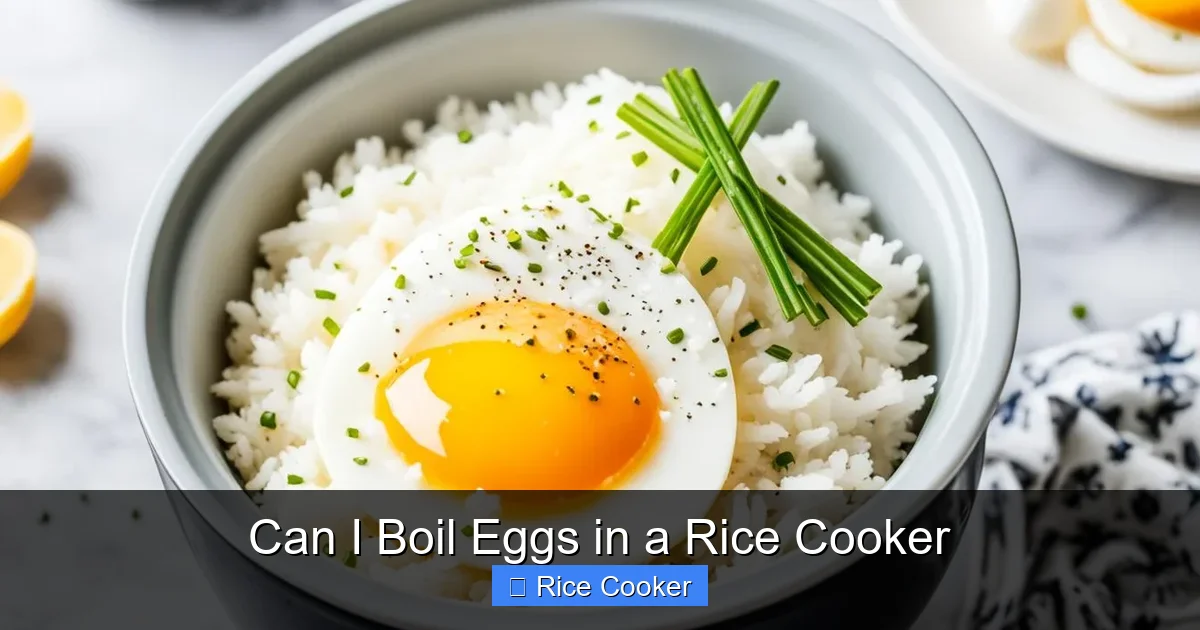
Boiling eggs in a rice cooker is not only possible—it’s a clever kitchen hack that saves time and effort. With the right setup and timing, you can achieve soft, medium, or hard-boiled eggs without the hassle of monitoring a pot on the stove. This method uses your rice cooker’s steam function to gently cook eggs, making it ideal for meal prep or quick breakfasts.
Key Takeaways
- Yes, you can boil eggs in a rice cooker: It’s a convenient and energy-efficient way to cook eggs without constant supervision.
- Use the steam setting: Most modern rice cookers have a steam function that works perfectly for boiling eggs.
- Timing is key: Soft-boiled eggs take 8–10 minutes, medium 10–12 minutes, and hard-boiled 12–15 minutes.
- Add salt or vinegar: Prevent cracking by placing a teaspoon of salt or vinegar in the water before adding eggs.
- Cool eggs quickly: Transfer eggs to ice water after cooking to stop the cooking process and make peeling easier.
- Clean up is easy: Use a slotted spoon and avoid submerging the rice cooker’s inner pot directly into water.
- Saves space and energy: Cook multiple eggs at once without using extra pots or stovetop burners.
Quick Answers to Common Questions
How long does it take to boil eggs in a rice cooker?
It typically takes 12–15 minutes for hard-boiled eggs, 10–12 minutes for medium, and 8–10 minutes for soft-boiled. Always use a timer for accuracy.
Do I need a special rice cooker to boil eggs?
No, but one with a steam function and a removable inner pot works best. Even basic models can handle eggs if they produce enough steam.
Can I cook more than one egg at a time?
Yes, you can cook up to 6–8 large eggs at once, depending on your rice cooker’s size. Don’t overcrowd the steamer basket.
Why add vinegar or salt to the water?
Vinegar strengthens the eggshell membrane and helps prevent cracking, while salt makes peeling easier by slightly dissolving the membrane.
What if my rice cooker doesn’t have a steam button?
You can still use it by setting it to “cook” mode. Once steam starts coming out, reduce heat to low or switch to “keep warm” to maintain gentle steam.
📑 Table of Contents
- Can I Boil Eggs in a Rice Cooker? The Ultimate Kitchen Hack Explained
- The Science Behind Boiling Eggs in a Rice Cooker
- Step-by-Step Guide: How to Boil Eggs in a Rice Cooker
- Tips for Perfect Rice Cooker Eggs Every Time
- Benefits of Using a Rice Cooker for Eggs
- Common Mistakes to Avoid
- Creative Ways to Use Boiled Eggs Made in a Rice Cooker
- Comparing Rice Cooker vs. Traditional Boiling Methods
- Final Thoughts: Why You Should Try This Today
Can I Boil Eggs in a Rice Cooker? The Ultimate Kitchen Hack Explained
Have you ever been in a rush, staring at a pot of boiling water, waiting for eggs to cook just right? Or maybe you’re prepping for the week and want to make a big batch of hard-boiled eggs without cluttering your kitchen with multiple pots? If so, you’re not alone. Enter the humble rice cooker—your new best friend in the kitchen. Yes, you read that right: you can boil eggs in a rice cooker. It sounds too good to be true, but it’s not only possible—it’s one of the most efficient and foolproof methods for cooking eggs today.
This method is especially popular among busy parents, college students, meal preppers, and anyone who wants to simplify their cooking routine. Instead of juggling a heavy pot on the stove, you can use your rice cooker’s steam function to gently cook eggs with minimal effort. Plus, it frees up your stovetop for other dishes. Whether you’re making deviled eggs for a party or hard-boiled eggs for a salad, this technique delivers consistent results every time. Let’s dive into how it works, why it’s better than traditional boiling, and how to do it like a pro.
The Science Behind Boiling Eggs in a Rice Cooker
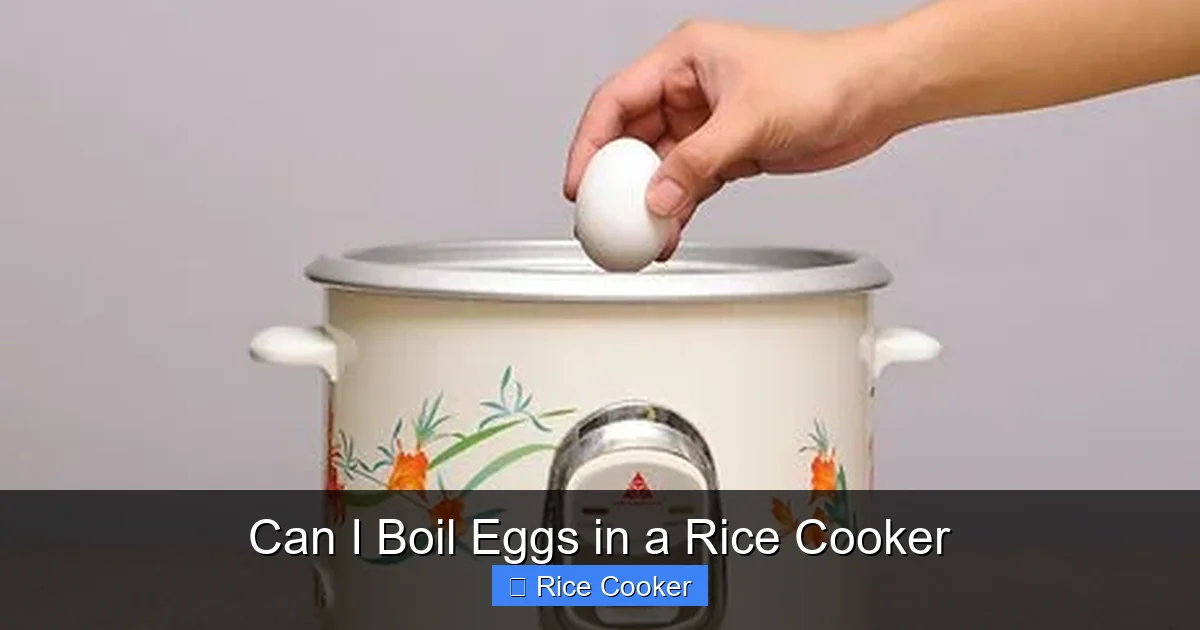
Before we get into the step-by-step process, let’s talk about why this method works. A rice cooker functions by heating water to create steam, which cooks the grains inside the inner pot. When you add eggs, the steam gently surrounds them, transferring heat evenly and cooking them through. Unlike direct boiling in a pot, where eggs can crack due to rapid temperature changes or hit the bottom of the pan, a rice cooker’s enclosed environment provides a controlled, moist heat source.
Visual guide about Can I Boil Eggs in a Rice Cooker
Image source: wikihow.com
Why Steam Cooking Is Better Than Boiling
Steam cooking reduces the risk of eggshell cracking because there’s no direct contact with hot water or vigorous bubbling. The gentle heat ensures the egg white sets gradually, minimizing stress on the shell. Additionally, because the eggs are suspended in steam rather than submerged, they’re less likely to break apart if dropped in carelessly.
Another advantage is temperature control. Most rice cookers maintain a steady temperature once they reach the steaming phase, unlike a pot on the stove, which can fluctuate when you adjust the heat. This consistency is key to achieving uniform doneness across multiple eggs.
Types of Rice Cookers That Work Best
Not all rice cookers are created equal when it comes to boiling eggs. Look for models with a steam function and a removable inner pot made of non-stick or stainless steel. Electric rice cookers with fuzzy logic technology (like those from Zojirushi or Cuckoo) tend to perform best because they regulate heat precisely.
However, even basic rice cookers can work—just make sure they have enough water capacity to generate consistent steam. Avoid compact models with very small water reservoirs, as they may not produce enough steam to cook eggs thoroughly.
Step-by-Step Guide: How to Boil Eggs in a Rice Cooker
Ready to try it yourself? Follow these simple steps to boil perfect eggs using your rice cooker:
Visual guide about Can I Boil Eggs in a Rice Cooker
Image source: shutterstock.com
Step 1: Prepare Your Rice Cooker
Start by filling the inner pot with 1–2 inches of water. The amount depends on how many eggs you’re cooking—more eggs mean more water. Make sure the water level doesn’t exceed two-thirds full to prevent overflow during steaming.
Add 1 teaspoon of salt or 1 tablespoon of white vinegar to the water. This helps strengthen the eggshell membrane and reduces the chance of cracking. Vinegar also makes peeling easier later on.
Step 2: Add the Eggs
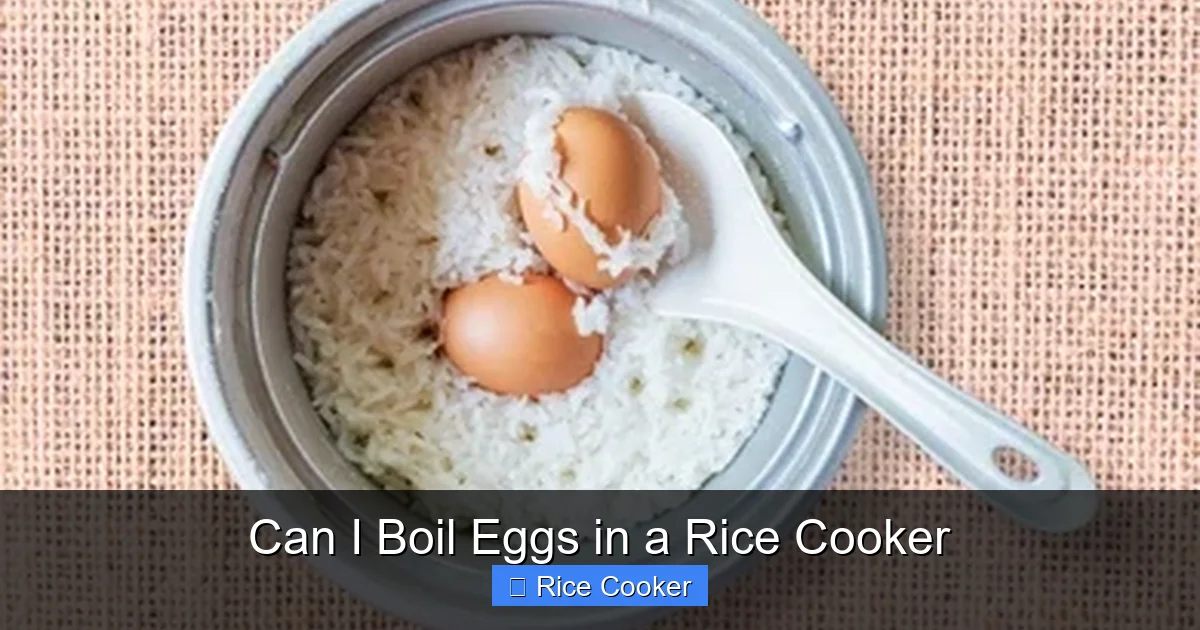
Gently place the eggs into the steamer basket or directly into the inner pot (if it has one). If your rice cooker doesn’t come with a steamer basket, you can use a heat-safe colander or even a small metal strainer. Just ensure the eggs aren’t touching the bottom of the pot.
Pro tip: Use room-temperature eggs instead of cold ones from the fridge. Cold eggs are more prone to cracking when exposed to sudden heat changes.
Step 3: Start Steaming
Close the lid and turn on the steam function. If your rice cooker doesn’t have a dedicated steam button, simply set it to “cook” or “warm” mode—some models will automatically detect the need for steam.
Let the water heat up until it starts producing visible steam. This usually takes 3–5 minutes depending on your model. Once steam is rolling, reduce the heat to low or switch to the keep-warm setting to maintain gentle, steady steam.
Step 4: Monitor the Timer
Set a timer based on your desired doneness:
- Soft-boiled: 8–10 minutes
- Medium-boiled: 10–12 minutes
- Hard-boiled: 12–15 minutes
Use a kitchen timer or your phone—rice cookers aren’t always reliable for timing. Overcooking can lead to rubbery whites or greenish yolks, so stick to the recommended ranges.
Step 5: Cool and Peel
Once the timer goes off, immediately transfer the eggs to a bowl of ice water. Let them sit for at least 5–10 minutes. This stops the cooking process and makes peeling much easier.
To peel, gently tap the egg and roll it under your fingers to crack the shell. The membrane should separate easily thanks to the vinegar in the water.
Tips for Perfect Rice Cooker Eggs Every Time
Even though boiling eggs in a rice cooker is straightforward, small details can make a big difference in the final result. Here are some expert tips to help you master this technique:
Use Fresh Eggs
While it might seem counterintuitive, fresh eggs actually peel more easily than old ones. As eggs age, the pH of the white increases, making it stickier to the shell. For the best texture and easiest peeling, use eggs that are less than a week old.
Don’t Overcrowd the Pot
Cooking too many eggs at once can lower the temperature inside the rice cooker and extend cooking time. Aim for no more than 6–8 large eggs per batch unless your rice cooker has a large capacity.
Check for Cracks Before Cooking
Inspect each egg carefully before placing it in the steamer. Even tiny cracks can allow steam to enter, causing the egg to explode or become rubbery. Discard any visibly cracked eggs.
Experiment with Timing
Everyone’s rice cooker heats differently, so don’t hesitate to adjust the time slightly. Start with shorter intervals and check one egg first to gauge doneness before cooking the rest.
Clean Up Like a Pro
After removing the eggs, drain the water from the inner pot and wipe it down. Avoid submerging the entire unit in water—most rice cookers are not waterproof. Use a damp cloth to clean the exterior and remove any residue.
Benefits of Using a Rice Cooker for Eggs
Beyond convenience, boiling eggs in a rice cooker offers several advantages over traditional methods:
- Energy efficiency: Rice cookers use less electricity than keeping a pot of water on the stove.
- Space-saving: No need for an extra pot or burner—ideal for small kitchens or dorm rooms.
- Hands-off cooking: You can multitask while the eggs cook.
- Consistent results: The steady steam ensures even cooking every time.
- Safe for kids: No open flames or hot surfaces near children.
Additionally, this method is great for people who live in apartments with limited stove access or for those using induction cooktops that can’t handle heavy pots.
Common Mistakes to Avoid
If you’ve tried boiling eggs in a rice cooker and didn’t get the results you wanted, you’re not alone. Here are the most common pitfalls and how to fix them:
Mistake 1: Not Enough Water
Too little water means insufficient steam, leading to undercooked or unevenly cooked eggs. Always fill the pot with enough water—about 1–2 inches is ideal.
Mistake 2: Placing Eggs Directly in Water
Dropping eggs into boiling water in a rice cooker can cause them to crack. Always use a steamer basket or colander to suspend the eggs above the water line.
Mistake 3: Ignoring Temperature Fluctuations
Some rice cookers cycle between heating and warming, which can affect cooking time. Keep an eye on the eggs and adjust timing as needed.
Mistake 4: Skipping the Ice Bath
Neglecting to cool the eggs quickly can result in overcooked yolks and difficult peeling. Always transfer eggs to ice water immediately after cooking.
Mistake 5: Using Old Eggs
Old eggs are harder to peel and have a denser texture. For best results, use eggs within two weeks of purchase.
Creative Ways to Use Boiled Eggs Made in a Rice Cooker
Once you’ve mastered boiling eggs in a rice cooker, the possibilities are endless. Here are some delicious ideas to put your newfound skill to use:
Deviled Eggs
Hard-boil a dozen eggs, peel them, and slice in half. Mix the yolks with mayonnaise, mustard, and a pinch of paprika. Spoon back into the whites and chill before serving. Perfect for parties or potlucks!
Egg Salad Sandwiches
Chop hard-boiled eggs and mix with Greek yogurt, celery, and herbs. Spread on whole-grain bread for a protein-packed lunch.
Mediterranean Egg Bowls
Layer sliced hard-boiled eggs with hummus, olives, tomatoes, and feta in a bowl. Top with arugula and a drizzle of olive oil.
Snack Prep
Make a big batch of hard-boiled eggs at the start of the week. Keep them in the fridge for grab-and-go snacks, salads, or omelets.
Vegan-Friendly Substitute
For plant-based eaters, try marinating hard-boiled eggs in turmeric and nutritional yeast to mimic scrambled egg flavor in vegan recipes.
Comparing Rice Cooker vs. Traditional Boiling Methods
You might wonder whether boiling eggs in a rice cooker is really better than the classic stovetop method. Let’s compare the two:
| Method | Time | Effort | Consistency | Cleanup |
|---|---|---|---|---|
| Rice Cooker (Steam) | 12–15 min | Low | High | Easy |
| Stovetop Boiling | 10–15 min | Medium | Variable | Moderate |
| Microwave (Poke & Heat) | 6–8 min | Medium | Low | Easy |
The rice cooker wins in consistency and ease of use, especially when cooking multiple eggs. The stovetop method requires constant attention to prevent boiling over, while microwaving can lead to uneven cooking or exploded eggs.
Final Thoughts: Why You Should Try This Today
Boiling eggs in a rice cooker isn’t just a gimmick—it’s a practical, efficient, and reliable kitchen technique that deserves a spot in every home cook’s repertoire. Whether you’re making breakfast for your family, prepping meals for the week, or impressing guests with perfectly cooked eggs, this method delivers professional-quality results with minimal effort.
So the next time you find yourself reaching for a pot on the stove, remember: your rice cooker can do the job just as well—if not better. Give it a try, experiment with timing, and soon you’ll wonder how you ever lived without this clever hack.
Frequently Asked Questions
Can I boil eggs in a rice cooker without a steamer basket?
Yes, you can place eggs directly in the inner pot if it has a non-stick surface, but using a steamer basket or colander prevents them from cracking and makes removal easier.
Will the eggs taste like rice?
No, eggs cooked in a rice cooker won’t absorb any rice flavor since they’re separated from the grains. The water used for steaming is neutral and won’t affect taste.
Can I use this method for quail or duck eggs?
Yes, but adjust the cooking time slightly longer—around 15–18 minutes for hard-boiled duck eggs due to their thicker shells and larger size.
Is it safe to leave the rice cooker unattended while boiling eggs?
Yes, once steam is produced, most rice cookers automatically switch to a keep-warm setting, making it safe to leave for 15 minutes or so.
What should I do if an egg cracks during cooking?
Remove the cracked egg immediately and discard it to avoid contaminating others. Cracking usually happens due to cold eggs or rough handling—use room-temperature eggs next time.
Can I reheat boiled eggs in the rice cooker?
It’s not recommended to reheat already cooked eggs in the rice cooker, as it may dry them out or create an unpleasant texture. Reheat only if necessary, using low steam for short periods.