

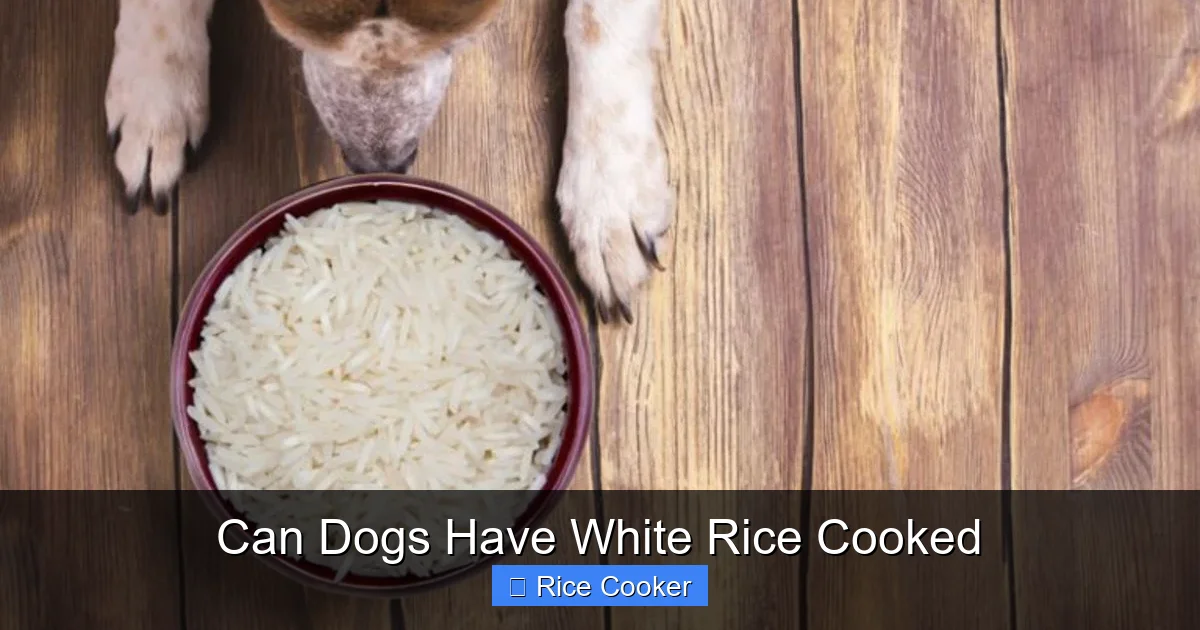
Can dogs have white rice cooked? Absolutely! Cooked white rice is safe, easy to digest, and often recommended by vets for upset stomachs. It’s a simple, affordable meal that provides energy without overwhelming your dog’s system.
Key Takeaways
- Safety: Cooked white rice is safe for most dogs when given in moderation.
- Digestibility: Its soft texture makes it ideal for sensitive stomachs or recovery from illness.
- Nutrition: Provides carbohydrates, B vitamins, and energy; lacks fiber but supports hydration.
- Preparation: Always cook plain white rice without salt, spices, or seasonings.
- Serving Size: Start small—about ¼ cup per 10 lbs of body weight—and avoid overfeeding.
- Combination: Pair with lean protein like boiled chicken for a balanced, vet-approved meal.
- Limitations: Not nutritionally complete long-term; use only as a temporary solution or supplement.
Quick Answers to Common Questions
Can dogs have white rice cooked every day?
No, white rice should not be fed daily. It lacks essential nutrients and fiber needed for long-term health. Use it occasionally or as part of a balanced homemade diet.
Is cooked white rice good for dogs with diarrhea?
Yes, it’s often recommended. The bland, starchy nature helps firm up stools and is easy on the digestive system during recovery.
Can puppies eat white rice?
Absolutely. Puppies can safely eat plain, cooked white rice, especially during weaning or when transitioning foods. It’s gentle and filling.
Should I rinse the rice before cooking it for my dog?
Yes, rinsing removes excess starch and prevents the rice from becoming too sticky. It also improves digestibility.
Can I mix white rice with broth for my dog?
Only if the broth is plain, low-sodium, and free of onions, garlic, or artificial additives. Bone broth without salt is a popular choice.
📑 Table of Contents
- Can Dogs Have White Rice Cooked? The Simple Truth
- Why White Rice Is Often Recommended for Dogs
- How to Safely Feed White Rice to Your Dog
- Nutritional Benefits of White Rice for Dogs
- Potential Risks and When to Avoid White Rice
- Alternatives to White Rice for Dogs
- Using a Rice Cooker to Prepare Dog Food Safely
- Real-Life Examples: How Dogs Respond to White Rice
- Conclusion: Yes, Dogs Can Have White Rice Cooked—Safely and Wisely
Can Dogs Have White Rice Cooked? The Simple Truth
You’ve probably seen the advice floating around online: “Give your dog some white rice if they’re sick.” But is it really safe? Can dogs have white rice cooked, and should you actually do it? Let’s break it down in plain language—no jargon, no fluff. Just what you need to know to keep your furry friend healthy and happy.
White rice is one of the most common first foods given to puppies during weaning and one of the most trusted remedies for dogs with digestive issues. Its mild flavor, soft texture, and easily digestible nature make it a go-to option when your dog isn’t feeling well. But before you start serving up bowls of plain rice, it’s important to understand how it works, what it offers, and when it might not be the best choice.
In this article, we’ll explore everything about feeding cooked white rice to dogs—from its nutritional benefits and preparation tips to safety concerns and alternatives. Whether your dog has a sensitive stomach, is recovering from surgery, or just enjoys a good grain, you’ll find practical advice you can trust. And since we’re using a rice cooker (the modern kitchen essential), we’ll also talk about how that appliance makes cooking rice for your pup easier than ever.
Why White Rice Is Often Recommended for Dogs
A Gentle Option for Sensitive Stomachs
When your dog is vomiting or has diarrhea, their system needs something bland and soothing. White rice fits the bill perfectly. Unlike brown rice, which contains bran and fiber that can irritate an upset gut, white rice is refined—meaning the outer layers and germ are removed. This makes it easier to digest, especially during times of gastrointestinal distress.
Visual guide about Can Dogs Have White Rice Cooked
Image source: images.saymedia-content.com
Veterinarians often recommend a “BRAT” diet (Bananas, Rice, Applesauce, Toast) for dogs with loose stools. White rice is a key component of this plan because it binds stool and provides quick energy without straining the digestive tract. In fact, many pet parents report faster recovery times when switching to a rice-based diet during illness.
Energy Without the Stress
Carbohydrates are the body’s primary fuel source, and white rice delivers them efficiently. For active dogs or those in recovery, this means sustained energy without the heavy fat content found in some commercial dog foods. Since white rice has a high glycemic index, it quickly raises blood sugar levels—ideal for dogs who need a rapid boost after being weak from vomiting or diarrhea.
However, this also means white rice should not be fed long-term. While it gives your dog a quick burst of energy, it lacks the balanced nutrients needed for long-term health. Think of it like a sports drink for humans—great during intense activity, but not a daily meal replacement.
How to Safely Feed White Rice to Your Dog
Preparing Rice the Right Way
The first rule of feeding rice to dogs: always cook it plain. Never add salt, butter, onions, garlic, or any other human seasoning. These ingredients can be toxic to dogs or simply unnecessary and potentially harmful.

Visual guide about Can Dogs Have White Rice Cooked
Image source: blog.petmade.com
Here’s a simple method using a rice cooker:
- Rinse 1 cup of white rice under cold water to remove excess starch.
- Add the rinsed rice to your rice cooker with 2 cups of water (or follow your cooker’s instructions).
- Cook until tender and fluffy. Most rice cookers take about 20–30 minutes.
- Let it cool completely before serving.
For extra ease, you can even use leftover plain rice from dinner—just make sure it wasn’t seasoned or cooked with anything unsafe for dogs.
Portion Control Matters
While white rice is safe, too much of it can lead to weight gain or nutritional imbalances. A general guideline is:
- Small dogs (under 20 lbs): ¼ to ½ cup per meal
- Medium dogs (20–50 lbs): ½ to ¾ cup per meal
- Large dogs (over 50 lbs): ¾ to 1 cup per meal
Start with smaller portions if your dog hasn’t had rice before, especially if they’re unwell. Overfeeding rice can cause bloating or worsen digestive issues temporarily.
Combining Rice with Other Foods
White rice alone isn’t nutritionally complete. To make it more balanced, pair it with lean protein such as:
- Boiled chicken breast (no skin, bones, or seasoning)
- Plain cooked turkey
- Eggs (scrambled or boiled)
This combination mimics what many vets recommend: a bland diet of rice and chicken to help settle the stomach while still providing protein. You can mash the rice and mix in small amounts of protein, or serve them separately so your dog can choose.
Nutritional Benefits of White Rice for Dogs
Simple Carbs for Quick Energy
White rice is primarily composed of carbohydrates, which are broken down into glucose—your dog’s main energy source. This makes it especially useful during illness when appetite may be low and energy reserves depleted.
It also contains small amounts of:
- Thiamine (B1) – supports nerve function
- Niacin (B3) – aids metabolism
- Folate (B9) – important for cell growth
These B vitamins help convert food into usable energy and support overall organ function. However, the amounts in rice are modest compared to whole grains or meat-based diets.
Limited Fiber Content
Unlike brown rice, white rice has minimal fiber. This is both a pro and a con. On the plus side, low fiber reduces the risk of triggering diarrhea in sensitive dogs. On the downside, fiber is essential for healthy digestion and bowel movements—so relying on white rice long-term may lead to constipation or irregularity.
If you’re using rice as a short-term remedy, that’s fine. But consider adding a tiny bit of plain pumpkin (canned, unsweetened) once your dog is back to normal to reintroduce fiber gently.
Potential Risks and When to Avoid White Rice
Not a Long-Term Diet Solution
While safe in moderation, white rice is not designed to replace a balanced, species-appropriate diet. Commercial dog foods are formulated with proteins, fats, vitamins, and minerals tailored to canine needs. Rice alone lacks essential amino acids, fatty acids, and micronutrients.
Feeding rice exclusively can lead to malnutrition over time, including deficiencies in:
- Taurine (important for heart health)
- Omega-3 fatty acids (for coat and joint health)
- Vitamin E and zinc (immune support)
So use rice as a supplement, not a staple.
Watch for Allergies or Sensitivities
Though rare, some dogs may be allergic to gluten or develop sensitivities to grains. If your dog shows signs of itching, ear infections, or chronic gas after eating rice, consult your veterinarian. They may suggest switching to a novel protein or grain-free diet.
Bloating and Gas Concerns
Because white rice is starchy, large meals can sometimes cause bloating or flatulence, especially in breeds prone to gastric dilation-volvulus (GDV)—like German Shepherds or Great Danes. If your dog eats too quickly or gulps down large portions, they may experience discomfort.
To minimize risks:
- Pace meals by hand-feeding or using slow feeder bowls
- Serve cooled rice (not hot) to prevent burns and encourage slower eating
- Avoid mixing rice with fatty foods like cheese or oils
Alternatives to White Rice for Dogs
Brown Rice: More Nutrients, Slightly Heavier on Digestion
Brown rice retains its bran and germ, offering more fiber, antioxidants, and nutrients than white rice. It’s a better long-term grain option if your dog tolerates it well.
However, due to higher fiber content, it may not be suitable during acute digestive upset. Wait until your dog is fully recovered before introducing brown rice.
Oatmeal: Soothing and Nutritious
Cooked oats are another excellent alternative. They’re rich in soluble fiber, which helps regulate digestion, and contain beta-glucans that support immune health.
Just like rice, cook plain oats with water—never add sugar or flavoring. Steel-cut oats are preferable to instant varieties, which may contain additives.
Sweet Potatoes: Natural Energy and Fiber
Mashed sweet potatoes provide complex carbs, fiber, and vitamins A and C. They’re gentle on the stomach and naturally palatable to most dogs.
Bake or boil sweet potatoes until soft, then mash and let cool before serving.
Commercial Bland Diets
If you’re uncomfortable preparing home meals, ask your vet about prescription bland diets like Hill’s i/d or Royal Canin Gastrointestinal. These are scientifically formulated for sensitive guts and come in convenient kibble or wet form.
Using a Rice Cooker to Prepare Dog Food Safely
Why Choose a Rice Cooker?
Rice cookers are perfect for pet owners because they automate the process, ensure consistent results, and reduce the chance of burning or undercooking. Many models also offer settings for different grains, making it easy to expand your dog’s diet later.
Look for non-stick, BPA-free models with removable bowls—these are easier to clean and less likely to harbor bacteria.
Cleaning Tips for Pet-Friendly Appliances
Since you’ll be using the same appliance for both human and dog meals, hygiene is crucial:
- Wash the inner pot and lid after each use with warm, soapy water
- Sanitize weekly with a vinegar-water solution (1:3 ratio)
- Avoid cross-contamination: never stir rice meant for dogs with a utensil used for seasoned meals
Batch Cooking for Busy Families
One of the biggest advantages of a rice cooker is the ability to cook in bulk. Make a double batch of plain white rice on weekends, portion it into freezer-safe containers, and thaw as needed. This saves time and ensures your dog always has access to safe, prepared food—especially helpful during travel or when you’re away from home.
Real-Life Examples: How Dogs Respond to White Rice
Case Study: Max, the Shih Tzu with Upset Stomach
Max, a 7-year-old Shih Tzu, started vomiting after eating a new brand of kibble. His owner followed the BRAT recommendation and switched him to plain white rice with boiled chicken for two days. Within 48 hours, Max’s symptoms improved, and he returned to his regular diet without issues.
Case Study: Bella, the Senior Lab Mix
Bella, a 12-year-old Labrador, developed chronic diarrhea. Her vet suggested a short-term rice-and-chicken regimen. After five days, her stool normalized. Her owner continued adding small amounts of rice to her meals as a digestive aid, though she eventually transitioned to a high-fiber senior formula.
What Pet Parents Say
“I was nervous about feeding my puppy plain rice, but after a stomach bug, he ate it like a champ. Now I keep a container in the fridge for emergencies.”
“My dog loves rice, but I worry about nutrition. I mix it with bone broth (no onions!) and a spoonful of plain yogurt for probiotics.”
Conclusion: Yes, Dogs Can Have White Rice Cooked—Safely and Wisely
So, can dogs have white rice cooked? The answer is yes—but with caveats. Cooked white rice is safe, gentle on the stomach, and provides quick energy when your dog is unwell. It’s a time-tested remedy recommended by veterinarians worldwide. With proper preparation and portion control, it can be a valuable part of your dog’s emergency kit or recovery plan.
However, remember that white rice is not a long-term diet. It lacks the complete nutrition your dog needs daily. Use it as a temporary solution, a bland meal during illness, or a base for homemade recipes paired with protein and vegetables.
And if you’re investing in a rice cooker, consider it a smart addition to your kitchen toolkit—not just for yourself, but for your four-legged family member too. With its simplicity, consistency, and versatility, a rice cooker can make caring for your dog’s digestive health easier than ever.
When in doubt, always consult your veterinarian. Every dog is different, and what works for one may not suit another. But knowing that white rice is generally safe and beneficial opens up a world of simple, natural care options for your best friend.
Frequently Asked Questions
Can dogs eat uncooked white rice?
No, uncooked rice is hard and difficult to digest. Always cook it thoroughly before feeding to your dog.
How much white rice should I give my dog?
Start with about ¼ cup per 10 pounds of body weight, mixed with a small amount of protein. Adjust based on your dog’s size and tolerance.
Is white rice better than brown rice for dogs with upset stomachs?
Yes, white rice is usually better during acute digestive issues because it’s lower in fiber and easier to digest.
Can I feed my dog leftover rice from my meal?
Yes, as long as it was cooked plain—without salt, oil, or seasonings. Leftover rice is a great way to reduce waste and save time.
How do I store cooked rice for my dog?
Store in airtight containers in the refrigerator for up to 3 days, or freeze in portions for up to 2 months. Thaw before serving.
Can white rice cause obesity in dogs?
Yes, if fed excessively. Rice is calorie-dense and lacks satiety-enhancing fiber. Monitor portions and balance with physical activity.