
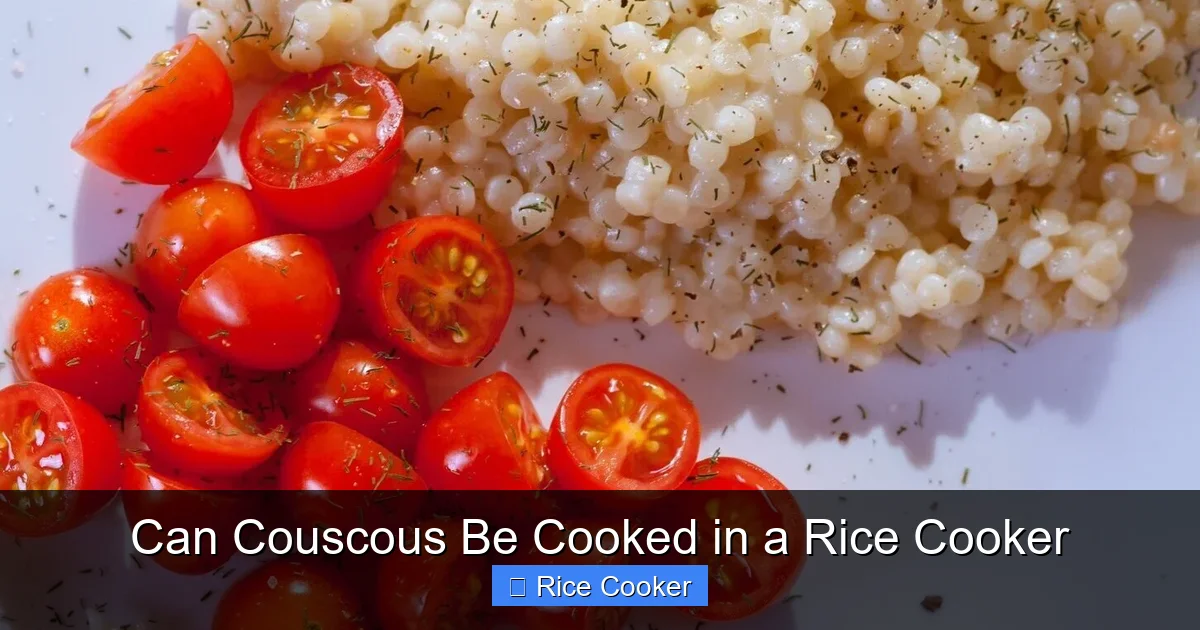
Can couscous be cooked in a rice cooker? Absolutely! With the right water-to-couscous ratio and timing, your rice cooker can produce light, airy couscous just like traditional methods. It’s a game-changer for busy weeknights or when you want consistent results without babysitting the pot. No more guessing, no more sticking—just perfect grains every time.
Couscous is one of those magical grains that transforms from hard little pellets into tender, cloud-like mounds with just a splash of hot liquid and a few minutes of resting. Traditionally, it’s steamed over simmering water or boiled rapidly—but what if you could skip the stove entirely? Enter: the humble rice cooker. That’s right—your trusty countertop appliance isn’t just for white rice or oatmeal anymore. With a little know-how, you can turn your rice cooker into a couscous powerhouse.
Whether you’re meal-prepping for the week, hosting a last-minute dinner party, or simply craving something warm and comforting without standing over a bubbling pot, cooking couscous in a rice cooker is not only possible—it’s downright brilliant. In this guide, we’ll walk you through everything you need to know: how to do it step-by-step, why it works so well, flavor hacks, troubleshooting tips, and even creative ways to serve your new favorite grain-free dish.
Key Takeaways
- Cooking Ratio: Use 1 part water (or broth) to 1 part couscous by volume—no soaking needed.
- Quick & Hands-Off: Most rice cookers handle couscous in under 10 minutes with minimal effort.
- Texture Control: Adjust cooking time slightly for firmer or fluffier results depending on preference.
- Flavor Boost: Cook with vegetable broth, chicken stock, or add herbs before sealing to infuse flavor.
- Cleanup Ease: Non-stick rice cooker pots make serving and cleaning a breeze.
- Versatility: Great base for salads, bowls, or as a side dish—try it with roasted veggies or grilled chicken.
- Storage Friendly: Leftovers keep well in the fridge for up to 5 days and reheat beautifully.
Quick Answers to Common Questions
How much water do I use for couscous in a rice cooker?
Use 1 cup of liquid (water or broth) for every 1 cup of dry couscous. No rinsing or soaking required—just pour, mix, and cook!
Can I use flavored couscous in a rice cooker?
It’s best to avoid heavily seasoned couscous if you plan to add fresh toppings later, as the flavors may clash. Plain couscous absorbs other tastes better.
Do I need to rinse couscous before cooking?
Nope! Unlike brown rice or quinoa, couscous doesn’t contain anti-nutrients that require rinsing. Skipping this step saves time and keeps the texture light.
Can I cook couscous in an Instant Pot instead?
Yes! Use the same 1:1 liquid-to-grain ratio, set to manual high pressure for 2 minutes, then do a quick release. Let it rest 5 minutes before opening.
How long does cooked couscous last in the fridge?
Store leftovers in an airtight container for up to 5 days. Reheat with a splash of water to restore moisture.
📑 Table of Contents
Why Choose a Rice Cooker for Couscous?
Let’s start with the big question: Why bother using a rice cooker instead of the classic stovetop method? The answer lies in convenience, consistency, and control. Unlike boiling couscous on the stove—which requires constant stirring to prevent clumping—a rice cooker does all the work automatically. Once you add the ingredients and press “cook,” you can go about your day while your meal steams gently to perfection.
Rice cookers maintain a steady temperature throughout the cooking cycle, ensuring even hydration of each pellet. This means fewer lumps, better texture, and zero burnt bottoms. Plus, many modern models come with delay timers, warm settings, and non-stick inner pots—making them ideal for dishes that need gentle, prolonged heat rather than high-flame boiling.
Another perk? Portability. If you’re camping, traveling, or working late at home, most rice cookers are compact enough to take along—and some even have keep-warm functions for hours after cooking. And let’s be honest: fewer dirty pans equal less cleanup. A single bowl means less scrubbing and more time enjoying your food.
The Science Behind Perfect Couscous
Before diving into recipes, it helps to understand *why* couscous behaves the way it does. Couscous is made from durum wheat semolina that’s been steamed, then rolled into tiny granules. When exposed to hot liquid, these granules absorb moisture and swell—but unlike rice, they don’t need to be fully submerged or stirred constantly.
Instead, couscous relies on steam and residual heat to finish cooking off the liquid. That’s where the rice cooker shines. Its sealed environment traps steam, allowing the couscous to puff up naturally without drying out. Think of it like a mini steamer basket inside your appliance—except you don’t even need one.
Most standard couscous varieties (especially Israeli-style) require only a 1:1 ratio of liquid to dry couscous. No rinsing, no soaking—just pour, stir, seal, and wait. This simplicity is why rice cookers are such a natural fit.
Step-by-Step Guide: Cooking Couscous in a Rice Cooker
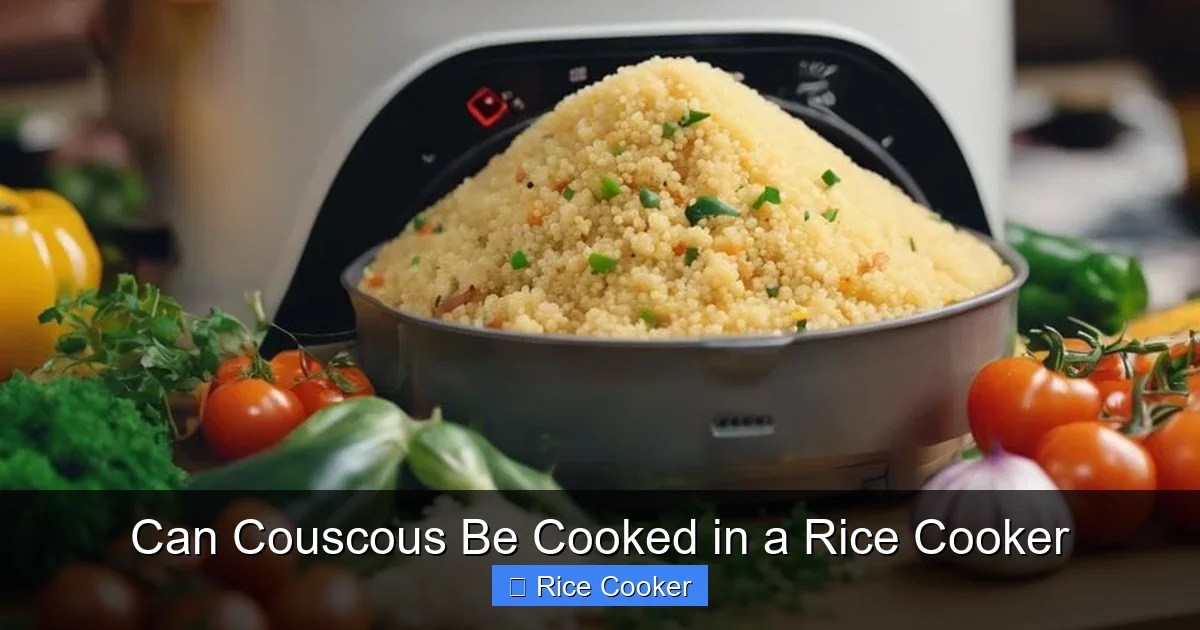
Visual guide about Can Couscous Be Cooked in a Rice Cooker
Image source: ricearray.org
Ready to give it a try? Follow this foolproof method for restaurant-quality results every time.
Gather Your Ingredients
You’ll need:
– 1 cup dry couscous (Israeli-style works best)
– 1 cup water or broth (unsalted preferred)
– Optional: pinch of salt, butter/oil, garlic powder, dried herbs
Note: Avoid using flavored couscous if you plan to add fresh ingredients later—the spices may clash.
Prepare the Rice Cooker
If your model has a steaming basket, you can place the couscous in there—but most people skip this step because the inner pot works fine. Just make sure it’s clean and lightly greased with butter or oil to prevent sticking.
Add Liquid First
This is crucial! Pour the liquid into the rice cooker first, then sprinkle the couscous evenly over the top. Don’t mix yet—let it sit for 30 seconds so the grains can begin absorbing moisture.
Mix Gently
Use a fork to lightly stir everything together. Add any seasonings now if desired. Close the lid firmly and select the “Cook” or “White Rice” setting. Avoid using “Brown Rice” or “Slow Cook” unless your model specifies it supports couscous.
Cook and Rest
The timer usually runs between 7–9 minutes. Once done, let it sit sealed for 2–3 minutes—this allows any remaining liquid to be absorbed and gives the couscous time to fluff up. Then open the lid, fluff with a fork, and serve!
Flavor Variations and Creative Uses

Visual guide about Can Couscous Be Cooked in a Rice Cooker
Image source: miro.medium.com
One of the best things about rice cooker couscous is how easily it takes on flavor. Swap plain water for chicken or vegetable broth, add a bay leaf during cooking, or stir in lemon zest and olive oil after fluffing.
Try these ideas:
– Mediterranean Bowl: Top with chickpeas, cherry tomatoes, cucumber, feta, and a drizzle of tahini.
– Spicy Southwest Style: Mix in black beans, corn, diced jalapeños, and a squeeze of lime.
– Herb-Infused Side: Stir in chopped parsley, mint, and toasted pine nuts for brightness.
– Breakfast Twist: Replace water with almond milk, cinnamon, and maple syrup for a sweet porridge-like dish.
Leftovers? Reheat with a splash of water in the microwave or on the stovetop until warmed through. They hold up surprisingly well!
Troubleshooting Common Issues
Even with perfect technique, sometimes things don’t go as planned. Here’s how to fix common problems:
Too Dry?
If your couscous comes out crumbly or undercooked, next time increase the liquid by 1–2 tablespoons and extend cooking time by 1 minute. Some rice cookers run hotter than others, so adjust accordingly.
Sticky or Clumpy?
This often happens if you don’t let the couscous rest after cooking. Always cover and wait 2–3 minutes before fluffing. Also, avoid over-mixing after adding liquid—gentle folds are enough.
Lid Won’t Seal Properly?
Ensure the rim of the lid is clean and free of debris. If your model uses a rubber gasket, check that it’s seated correctly. A poor seal lets steam escape, leading to uneven cooking.
Rice Cooker Doesn’t Have a Couscous Setting?
That’s totally fine! Use the standard “Cook” mode. Just remember that couscous cooks faster than rice, so keep an eye on it after 6–7 minutes if you’re unsure.
Comparing Methods: Stovetop vs. Rice Cooker
| Method | Prep Time | Effort Level | Texture Consistency | Cleanup |
|—————|———–|————–|———————-|———|
| Traditional | 15 mins | Medium | Variable | High |
| Rice Cooker | 10 mins | Low | Very Consistent | Low |
| Instant Pot | 8 mins | Medium | Good | Medium |
While traditional stovetop couscous still has its charm—especially for hands-on cooks who enjoy watching the process—the rice cooker offers unmatched ease and reliability. The Instant Pot is a close second, but it demands more active monitoring.
For families, meal preppers, or anyone tired of stirring constantly, the rice cooker is the clear winner.
Tips for Success Every Time
Want to master rice cooker couscous? Try these pro tips:
– Measure Accurately: Use measuring cups—not mugs—for consistent results.
– Don’t Rush the Rest: Patience pays off in fluffiness.
– Experiment with Herbs: Add thyme, rosemary, or oregano directly into the liquid.
– Use Freshly Boiled Water: Cold water slows absorption; always start with hot liquid.
– Clean Immediately: Residue sticks easiest right after use.
Also, consider investing in a rice cooker with a glass lid—it lets you peek without releasing steam, helping you monitor progress.
What About Other Grains?
Once you’ve conquered couscous, you might wonder: Can I cook other grains in the same way? Yes! Barley, quinoa, bulgur, and even millet work beautifully in rice cookers. Each has its own ideal ratio and timing, but the principle remains the same: add liquid first, cook covered, rest sealed.
Final Thoughts: Is It Worth It?
So, can couscous be cooked in a rice cooker? Without a doubt—yes. It’s faster, easier, and yields consistently great results with minimal cleanup. Whether you’re feeding a crowd or whipping up a quick lunch, this method saves time and stress without sacrificing flavor or texture.
And honestly, once you taste how fluffy and aromatic rice cooker-made couscous can be, you’ll never look back. It’s one of those kitchen hacks that feels too good to be true—but it really is that simple.
Next time you reach for couscous, skip the pot. Grab your rice cooker instead. Your future self will thank you.
Frequently Asked Questions
Can I cook whole wheat couscous in a rice cooker?
Yes, but expect a chewier texture and slightly longer cooking time. Stick to the 1:1 ratio and monitor closely after 8 minutes.
Will my rice cooker burn couscous?
Only if it runs too hot or you forget to add enough liquid. Using a non-stick pot and following the 1:1 ratio greatly reduces burning risk.
Can I freeze cooked couscous?
Absolutely! Cool completely, portion into freezer bags, and store for up to 3 months. Thaw overnight and reheat gently.
What type of couscous works best in a rice cooker?
Israeli-style couscous is ideal—it’s larger, cooks quickly, and stays light and fluffy. Avoid Moroccan or smaller pearl couscous, which behave differently.
Can I add vegetables while cooking?
Great idea! Dice carrots, zucchini, or bell peppers and toss them into the pot with the liquid. They’ll soften nicely during the steam cycle.
Is couscous healthier than rice?
Both are gluten-containing carbohydrates. Couscous has a slightly lower glycemic index and is richer in protein than white rice, but nutrition varies by preparation and additions.