
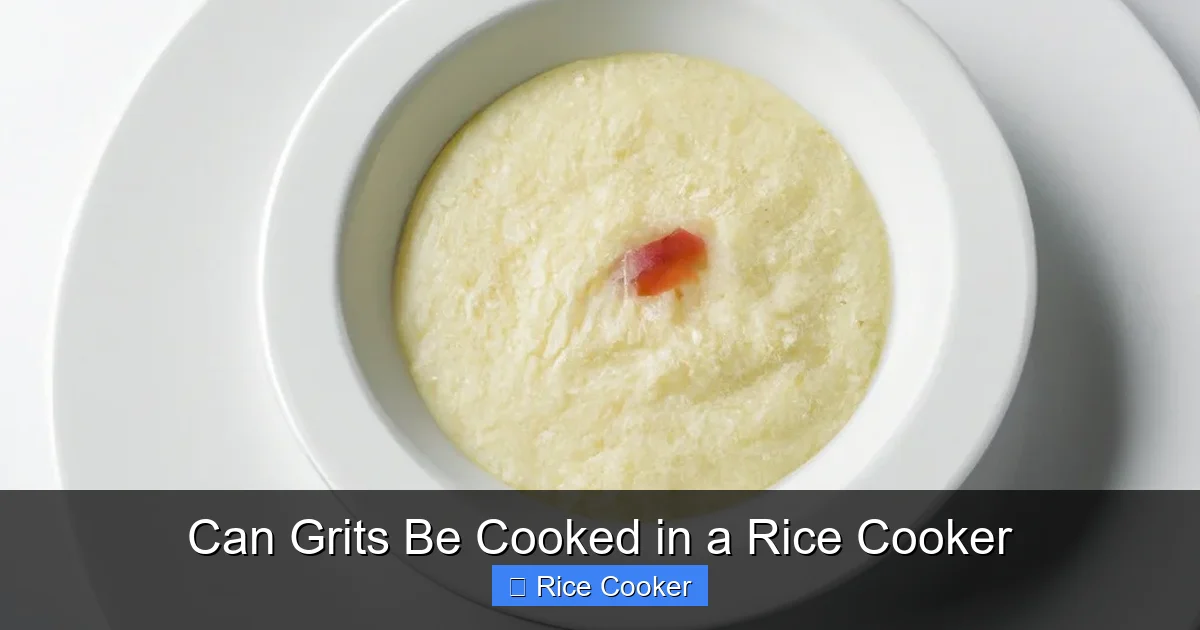
Yes, grits can absolutely be cooked in a rice cooker! With the right ratio of water to grits and a few simple steps, you’ll get perfectly creamy grits every time. Whether you’re making quick breakfast grits or savory cheese grits, your rice cooker makes it effortless.
Key Takeaways
- Grits work great in rice cookers: The appliance’s consistent heat and automatic shut-off make it ideal for cooking grits without constant stirring.
- Use the right grits: Instant or quick-cooking grits are best for rice cooker use, while stone-ground may need longer cooking times.
- Water-to-grits ratio matters: Start with 3 cups of water per 1 cup of grits, adjusting as needed for creamier or firmer texture.
- Add flavor during cooking: Stir in butter, salt, cheese, or broth while the grits cook for rich, delicious results.
- Don’t skip the lid: Keep the rice cooker covered to retain steam and ensure even cooking.
- Let it rest after cooking: Allow 5 minutes of standing time before fluffing—this helps achieve that perfect creamy consistency.
- Rice cookers save time: No more babysitting the stove—just set it and forget it for hands-free cooking.
[FEATURED_IMAGE_PLACEHOLDER]
Cooking Grits in a Rice Cooker: A Modern Southern Tradition
If you’ve ever stood over a simmering pot of water, stirring grits every few minutes, you know the ritual is both comforting and time-consuming. But what if I told you there’s an easier way? Enter the humble rice cooker—a kitchen appliance many of us already own for perfect white rice—can actually become your new best friend when it comes to making grits.
Yes, you heard that right. Grits, that beloved Southern staple made from ground corn, can be transformed into creamy, smooth perfection using just a few simple ingredients and your trusty rice cooker. Whether you’re a longtime grits lover looking to simplify your routine or a curious newcomer wanting to try this versatile dish, this guide will show you exactly how to cook grits in a rice cooker like a pro.
In this comprehensive article, we’ll walk through everything you need to know about making grits in a rice cooker—from choosing the right type of grits to adjusting cooking times and adding delicious flavors. We’ll also share some creative recipe ideas, troubleshooting tips, and answers to common questions. So grab your measuring cup, fire up your rice cooker, and let’s get cooking!
Why Choose a Rice Cooker for Grits?
You might be wondering: why bother using a rice cooker when traditional stovetop methods have worked for generations? The answer lies in convenience, consistency, and simplicity.
The Convenience Factor
One of the biggest advantages of using a rice cooker for grits is the hands-off approach. Unlike stovetop cooking, which requires constant attention and stirring, a rice cooker does all the work for you. Once you add your ingredients, close the lid, and press start, you can go about your day while your grits cook perfectly.
This is especially helpful if you’re busy in the morning or want to prepare grits ahead of time. Many modern rice cookers even have a “keep warm” function that maintains the perfect temperature without overcooking your grits.
Consistent Results Every Time
Rice cookers provide uniform heat distribution, which means your grits will cook evenly throughout. No more worrying about scorched bottoms or uneven textures. The automated shut-off feature also prevents overcooking, giving you consistently creamy grits every single time.
Energy Efficiency
Compared to keeping a pot on the stove for extended periods, a rice cooker uses less energy. It heats up quickly and maintains steady temperatures efficiently, making it a greener choice for your kitchen.
Choosing the Right Type of Grits
Not all grits are created equal, and selecting the right type is crucial for success in your rice cooker. Here’s a breakdown of the main varieties and which ones work best:
Instant Grits
These are pre-cooked, dried, and then treated to rehydrate quickly. They’re the easiest and fastest option for rice cooker cooking. Instant grits typically require only 10-15 minutes of cooking time and yield a slightly softer texture.
Best for: Quick breakfasts, time-constrained cooks, or those who prefer a creamier consistency.
Quick-Cooking Grits
Slightly larger than instant grits but still faster than traditional varieties. These need about 15-20 minutes in the rice cooker and offer a good balance between speed and texture.
Best for: Most home cooks looking for a middle ground between convenience and traditional taste.
Traditional/Stone-Ground Grits
Made from coarsely ground corn kernels, these take the longest to cook—usually 25-30 minutes in a rice cooker. They have a chewier, more rustic texture that some purists prefer.
Best for: Traditionalists, those who enjoy a firmer bite, or when you have time to spare.
Specialty Grits
Some brands offer flavored grits (like cheese or herb-infused) or colored varieties (red, blue). These work well in rice cookers but may require slight adjustments to cooking times.
Tip: Always check the package instructions for specific cooking times and ratios, as they can vary by brand.
Essential Equipment and Ingredients
Before we dive into the cooking process, let’s make sure you have everything you need:
What You’ll Need
- Rice cooker: Any standard rice cooker with a measuring cup will work
- Fine-mesh strainer: For rinsing grits (optional but recommended)
- Measuring cup: Standard 1-cup measure (your rice cooker likely came with one)
- Whisk or spoon: For mixing and checking consistency
Basic Ingredients
- Grits: 1 cup (choose your preferred variety)
- Water or broth: 3 cups (more on this below)
- Salt: ½ teaspoon (adjust to taste)
- Butter or oil: 1 tablespoon (optional, for added richness)
Optional Add-ins
- Milk or half-and-half: For extra creaminess (add after cooking)
- Cheese: Sharp cheddar, Parmesan, or your favorite melting cheese
- Herbs and spices: Garlic powder, onion powder, smoked paprika
- Protein: Cooked bacon, sausage, or shredded chicken
The Perfect Water-to-Grits Ratio
The secret to great grits starts with the right liquid-to-grains ratio. While traditional stovetop methods often call for varying amounts, rice cookers generally perform best with a consistent 3:1 ratio:
For every 1 cup of grits, use 3 cups of liquid.
This ratio works well because:
- It ensures the grits don’t dry out during the extended cooking process
- It allows enough moisture for proper hydration without creating a soupy consistency
- It accommodates the natural absorption rate of different grit varieties
Adjusting the Ratio
While 3:1 is our starting point, feel free to adjust based on your preferences:
- For creamier grits: Increase to 3.5 cups liquid
- For firmer, more substantial grits: Use 2.75 cups liquid
- For richer flavor: Replace some water with milk or broth
Pro tip: If your grits seem too thick after cooking, add hot water or broth one tablespoon at a time until you reach your desired consistency.
Step-by-Step Guide to Cooking Grits in a Rice Cooker
Now that we’ve covered the basics, let’s walk through the actual cooking process. Don’t worry—it’s simpler than it sounds!
Preparation
- Rinse the grits: Place your grits in a fine-mesh strainer and rinse under cold running water for 30 seconds to remove excess starch. This helps prevent clumping.
- Measure ingredients: Use your rice cooker’s measuring cup to portion out 1 cup of rinsed grits and 3 cups of liquid (water, broth, or a combination).
- Add flavorings: Include salt and any optional seasonings or fats (like butter) directly into the rice cooker bowl.
Cooking Process
- Add ingredients to rice cooker: Pour the rinsed grits, liquid, and seasonings into the inner cooking pot.
- Close the lid: Make sure the lid is securely closed—this traps steam and ensures even cooking.
- Select the right setting: Use the “white rice” or “porridge” setting if available. If not, the standard “cook” function works fine.
- Start cooking: Press the power button and let the magic happen. Do not lift the lid during cooking!
- Wait for completion: The rice cooker will automatically switch to “warm” mode once cooking is complete. This usually takes 15-25 minutes depending on your grit type.
Finishing Touches
- Let it rest: Allow the grits to sit with the lid closed for 5 minutes. This resting period helps the texture settle and makes fluffing easier.
- Fluff gently: Use a silicone spatula or whisk to gently stir the grits. Avoid vigorous mixing, which can break down the grains.
- Adjust consistency: If needed, add hot liquid to reach your preferred thickness.
- Add final touches: Stir in cheese, herbs, or other flavorings just before serving.
Creative Grits Recipes for Your Rice Cooker
Once you’ve mastered basic grits, you’ll be amazed at how versatile this dish can be. Here are three delicious variations to try:
Classic Creamy Cheese Grits
Ingredients:
- 1 cup quick-cooking grits
- 3 cups water
- 1 cup milk
- ½ cup shredded sharp cheddar cheese
- 2 tablespoons butter
- Salt and pepper to taste
Instructions:
- Combine grits, water, and milk in rice cooker.
- Add salt and 1 tablespoon of butter.
- Cook according to directions above.
- After cooking, stir in remaining butter, cheese, and pepper until melted and smooth.
Smoky Bacon and Green Chile Grits
Ingredients:
- 1 cup instant grits
- 3 cups chicken broth
- 4 slices bacon, cooked and crumbled
- 1 cup roasted green chiles
- 1 cup grated Monterey Jack cheese
- Salt to taste
Instructions:
- Cook grits in broth following basic method.
- Stir in bacon, green chiles, and cheese in last 2 minutes of cooking.
- Season with salt and serve immediately.
Sweet Honey Butter Grits
Ingredients:
- 1 cup stone-ground grits
- 3 cups water
- ½ cup whole milk
- 2 tablespoons honey
- 2 tablespoons butter
- Pinch of salt
- Fresh berries for serving
Instructions:
- Combine all ingredients except berries in rice cooker.
- Cook until tender (about 25-30 minutes for stone-ground).
- Serve warm with fresh berries and extra honey on top.
Troubleshooting Common Issues
Even with the best techniques, you might encounter some challenges. Here’s how to fix them:
Problem: Grits Are Too Thick
Solution: Add hot liquid gradually—one tablespoon at a time—while stirring gently. The rice cooker’s keep-warm function can help prevent further thickening during adjustment.
Problem: Grits Are Too Thin
Solution: Let the grits cool slightly, then cover and refrigerate for 30-60 minutes. The residual heat will continue cooking them, thickening the texture. Reheat gently before serving.
Problem: Grits Are Lumpy
Solution: This usually happens when grits aren’t rinsed properly or stirred enough during cooking. For future batches, rinse thoroughly before cooking and consider blending lumps with an immersion blender after cooking.
Problem: Grits Taste Bland
Solution: Season generously during cooking. Salt, butter, and broth all contribute significantly to flavor. For extra depth, try sautéing onions or garlic before adding liquid.
Problem: Grits Stick to the Bottom
Solution: Ensure your rice cooker has enough liquid (stick to the 3:1 ratio). Using a non-stick rice cooker is also helpful. Adding a small amount of oil or butter to the water can create a barrier preventing sticking.
Tips for Perfect Rice Cooker Grits Every Time
Want to elevate your grits game even further? Try these expert tips:
- Pre-soak overnight: For even creamier results, soak your grits in water overnight before cooking. Drain and rinse before proceeding.
- Use broth instead of water: Chicken, vegetable, or beef broth adds incredible depth of flavor—especially great for savory preparations.
- Experiment with textures: For polenta-like grits, use less liquid and cook longer. For porridge-style, use more liquid and cook until very soft.
- Make ahead: Cook extra grits and store in the refrigerator for up to 3 days. Reheat with a splash of milk or water to restore creaminess.
- Freeze for later: Portion cooled grits into freezer containers. Thaw overnight in the fridge and reheat gently on the stovetop or in the microwave.
- Clean your rice cooker properly: After use, wash the inner pot with warm soapy water and dry thoroughly. Some models allow for dishwasher-safe cleaning—check your manual.
The Science Behind Perfect Grits
Understanding the science behind grits can help you become a better cook. Here’s what’s happening during the cooking process:
Starch Gelatinization
When grits are exposed to sufficient heat and moisture, the starches in the corn kernel undergo gelatinization. This means the starches absorb water, swell, and begin to break down, creating that signature creamy texture we all love.
Hydration Rate
Different types of grits hydrate at different rates. Instant grits have already undergone partial cooking, so they rehydrate quickly. Stone-ground grits have intact cell walls that need more time and moisture to fully open up and release their starches.
pH Matters
The acidity level of your liquid affects cooking time. Slightly alkaline water (like tap water in many areas) helps soften the grits’ outer hull more effectively, leading to shorter cooking times compared to acidic liquids like lemon juice or vinegar.
Temperature Control
Rice cookers maintain a consistent temperature just below boiling (around 85-95°C/185-203°F), which is ideal for gradual starch gelatinization without scorching or burning—something that’s harder to control on a stovetop.
Frequently Asked Questions About Cooking Grits in a Rice Cooker
Can I use milk instead of water for cooking grits in a rice cooker?
Yes, you can substitute some or all of the water with milk for a creamier texture and richer flavor. A good starting point is 2 cups water and 1 cup milk per 1 cup of grits. Just be aware that milk may cause more browning at the bottom of your rice cooker.
How long do cooked grits stay fresh in the refrigerator?
Properly stored cooked grits will keep in the refrigerator for 3-5 days. To maintain creaminess, store them with a piece of parchment paper pressed directly onto the surface to minimize exposure to air, then reheat gently with additional liquid.
Can I cook grits in a programmable rice cooker the night before?
Absolutely! Many programmable rice cookers have a “delay timer” feature. Set your grits to cook on the “white rice” or “porridge” setting, then program it to finish cooking just before you wake up or return home. The keep-warm function will maintain temperature without overcooking.
Why won’t my grits get creamy no matter how long I cook them?
Creaminess depends on both cooking time and proper starch release. Ensure you’re using enough liquid (at least 3:1 ratio), stir occasionally during cooking (if possible), and let them rest after cooking. Also, try using instant or quick-cooking grits if you haven’t already—they naturally produce creamier results than stone-ground varieties.
Can I add cheese to grits while they’re cooking in the rice cooker?
It’s better to add cheese after the grits are fully cooked. Cheese contains proteins and fats that can break down if cooked for too long or at high heat. Instead, cook the grits first, then stir in your cheese during the resting period or right before serving until melted and smooth.
What’s the difference between grits and polenta?
Technically, polenta is the Italian term for coarse-ground cornmeal, similar to American grits but often made from different corn varieties and finer grind. Both can be cooked in rice cookers using similar methods. The main differences are regional naming conventions and sometimes slight variations in texture and flavor profile.
Conclusion: Embrace the Ease of Rice Cooker Grits
Cooking grits in a rice cooker isn’t just a clever hack—it’s a game-changer for anyone who loves this versatile Southern staple. The convenience, consistency, and simplicity of this method make it accessible to cooks of all skill levels while delivering restaurant-quality results every time.
Whether you’re whipping up a quick breakfast before school runs, preparing a comforting side dish for dinner, or experimenting with creative flavor combinations, your rice cooker can handle it all. From classic cheese grits to innovative savory or sweet variations, the possibilities are endless.
So next time you’re craving grits, don’t reach for the stovetop. Fire up that rice cooker instead and discover why this modern approach is winning over home cooks everywhere. Your taste buds—and your schedule—will thank you!
Have you tried cooking grits in a rice cooker? What’s your favorite variation? Share your experiences and recipes in the comments below!
This is a comprehensive guide about can grits be cooked in a rice cooker.
Key Takeaways
- Understanding can grits be cooked in a rice cooker: Provides essential knowledge
Frequently Asked Questions
What is can grits be cooked in a rice cooker?
can grits be cooked in a rice cooker is an important topic with many practical applications.