
Can you cook rice in the crockpot? Absolutely! While not as common as using a rice cooker, your crockpot can produce tender, fluffy rice with minimal effort. The key is using the right water-to-rice ratio and selecting the correct setting. With simple adjustments, you can enjoy perfectly cooked rice every time—even when you’re short on kitchen space or cooking time.
Key Takeaways
- Yes, you can cook rice in a crockpot: It’s possible and convenient, especially for one-pot meals like stews or grain bowls.
- Use the right ratio: A general rule is 1 cup of uncooked rice to 2 cups of water for most types.
- Don’t stir during cooking: Stirring breaks down the starch and leads to mushy rice.
- Natural release is best: Let the rice sit covered for 5–10 minutes after cooking to finish steaming.
- Choose the low-heat setting: High heat can burn the bottom or dry out the rice.
- Experiment with flavors: Add broth, herbs, or spices for extra taste without extra effort.
- Clean-up is easy: Use a liner or clean thoroughly to prevent sticky residue.
Key Takeaways
- Understanding can you cook rice in the crockpot: Provides essential knowledge
Quick Answers to Common Questions
Can you cook rice in a crockpot without rinsing it?
Yes, but rinsing removes excess starch and helps prevent the rice from becoming sticky or gummy. For best results, always rinse long-grain rice before cooking.
How much water do I use per cup of rice in a crockpot?
Use 2 cups of water for every 1 cup of uncooked long-grain rice. Adjust slightly based on your rice type—brown rice needs more, instant rice needs less.
Should I stir the rice while it’s cooking in the crockpot?
No. Stirring breaks the grains and releases too much starch, leading to mushy rice. Just add everything, cover, and let it cook undisturbed.
Can I cook brown rice in a crockpot?
Absolutely. Use a 1:2.5 water-to-rice ratio and cook on low for 2.5 to 3 hours. Soaking the rice beforehand can help reduce cooking time.
How long does it take to cook rice in a crockpot?
Generally 1.5 to 2 hours on the low setting. Long-grain white rice cooks fastest; brown or wild rice takes longer—up to 4 hours.
📑 Table of Contents
- Introduction: Can You Cook Rice in the Crockpot?
- How Crockpots Work and Why They Can Cook Rice
- Choosing the Right Type of Rice for Your Crockpot
- Step-by-Step Guide: How to Cook Rice in the Crockpot
- Water Ratios and Cooking Times by Rice Type
- Troubleshooting Common Crockpot Rice Problems
- Flavor Variations and Creative Uses
- Is a Crockpot Better Than a Rice Cooker?
- Cleaning and Maintenance Tips
- Conclusion: Why You Should Try Cooking Rice in the Crockpot
Introduction: Can You Cook Rice in the Crockpot?
You walk into the kitchen tired after a long day, and the last thing you want to do is stand over a hot stove. But dinner still needs to be ready. That’s where the crockpot—or slow cooker—comes in handy. Most people think of it for soups, stews, and roasts, but here’s a secret: you can absolutely cook rice in the crockpot. In fact, it’s one of the easiest ways to make perfectly fluffy, non-gummy rice with just one pot and no constant attention.
While traditional rice cookers are designed specifically for this task, many home cooks wonder if their slow cooker can handle it. The short answer? Yes, and it works surprisingly well—especially for busy schedules. The slow, gentle heat mimics the way a rice cooker functions, allowing the grains to absorb moisture evenly and cook through without burning. Whether you’re making a side dish for chili night or building a hearty grain bowl, cooking rice in the crockpot saves time, reduces cleanup, and keeps everything warm until serving.
In this article, we’ll walk you through everything you need to know about cooking rice in a crockpot. From choosing the right type of rice to mastering the perfect water ratio, you’ll learn why this method is gaining popularity and how to get consistent results every time. Plus, we’ll share tips for flavor variations, troubleshooting common issues, and even recipes that use rice as the star ingredient.
How Crockpots Work and Why They Can Cook Rice
Before diving into the “how,” let’s talk about the “why.” Crockpots use low, steady heat over several hours to gently cook food. Unlike a stovetop, which delivers high, direct heat, a slow cooker warms from the outside in, reducing the risk of scorching. This makes it ideal for dishes that require long, slow cooking—like pulled pork or beans.
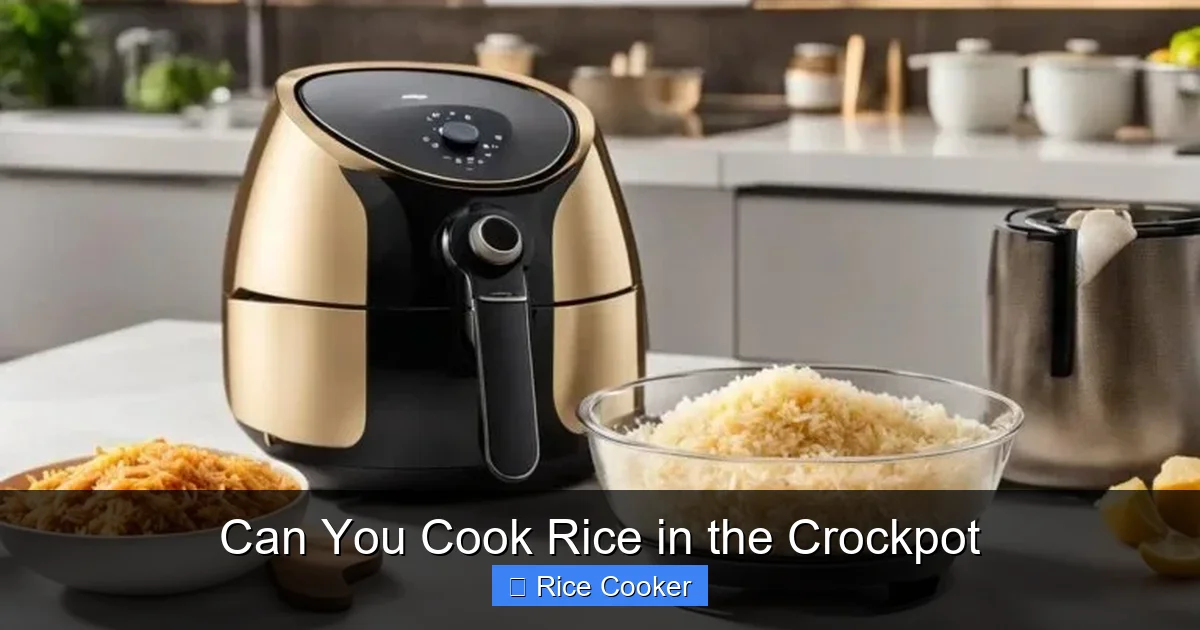
Visual guide about Can You Cook Rice in the Crockpot
Image source: airfryeraid.com
The Science Behind Cooking Rice
Rice cooks when its starches gelatinize—a process triggered by absorbing liquid and being heated to around 100°C (212°F). Traditional methods use boiling water, but a crockpot provides indirect, sustained heat that allows rice to absorb moisture gradually. Because there’s no boiling involved, the rice doesn’t lose nutrients or become overcooked.
One of the biggest advantages of using a crockpot is the hands-off approach. Once you add the ingredients, you can go about your day while the rice simmers away. At the end of the cycle, you’ll have tender, fully cooked grains ready to fluff and serve.
Why People Are Switching to Crockpot Rice Cooking
More and more home cooks are discovering the benefits of cooking rice in a slow cooker. Here’s why:
- Less supervision needed: No constant stirring or watching the pot.
- Fewer dishes: Everything cooks in one pot, reducing cleanup.
- Consistent temperature: No risk of hot spots or burning.
- Great for meal prep: Make a big batch at the start of the week.
- Perfect for large families: Many crockpots hold enough rice for 6–8 people.
Choosing the Right Type of Rice for Your Crockpot
Not all rice is created equal—and some work better in a crockpot than others. The key is understanding how each variety behaves during cooking.
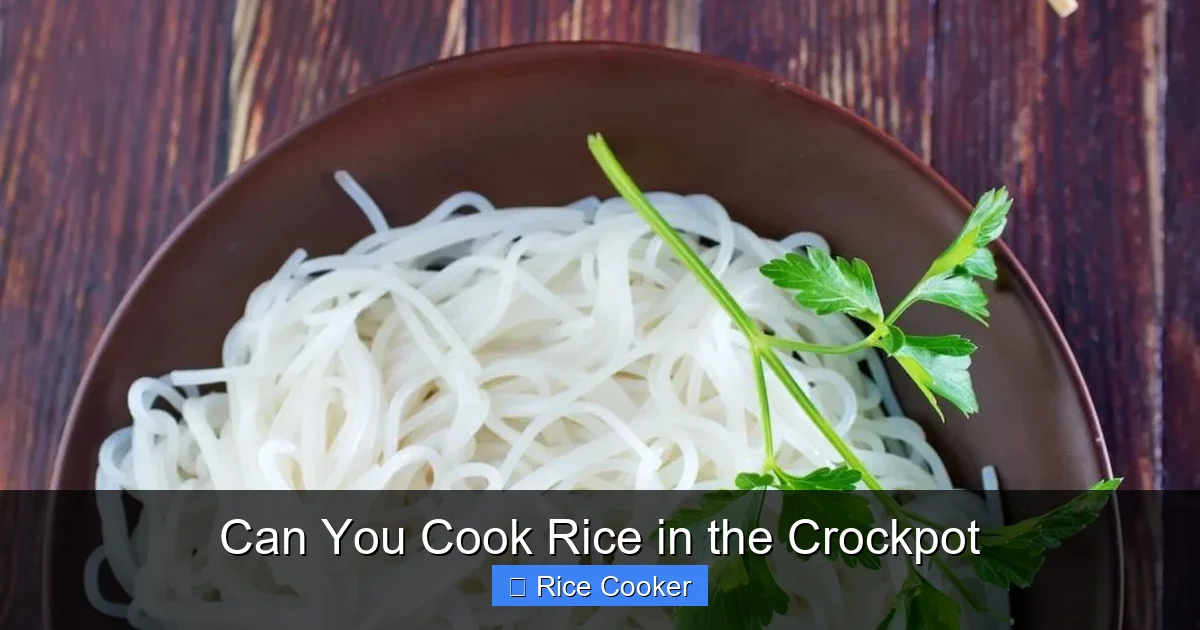
Visual guide about Can You Cook Rice in the Crockpot
Image source: ricecookerjunkie.com
Long-Grain White Rice
This is the most popular choice for crockpot rice. Varieties like Jasmine, Basmati, and regular long-grain white rice expand well and stay fluffy. They don’t clump easily, making them ideal for beginners.
Best for: Everyday meals, fried rice, grain bowls.
Brown Rice
Brown rice takes longer to cook because its outer bran layer absorbs more water. However, it’s nuttier and more fiber-rich. To cook brown rice in a crockpot, increase the water ratio slightly (1:2.5) and allow extra time—usually 2.5 to 3 hours on low.
Tip: Soak brown rice for 30 minutes before cooking to speed up the process.
Instant Rice
If you’re in a hurry, instant rice is an option. It’s pre-cooked and dried, so it only needs brief reheating. Use 1 cup instant rice to 1 cup water and cook on low for 20–30 minutes. Be careful not to overcook—it can turn mushy.
Wild Rice or Brown/White Rice Mixes
These require longer cooking times and more water. Follow package instructions, but generally, use 1 cup rice to 2.5–3 cups liquid and cook on low for 2.5–4 hours. Wild rice can take up to 4 hours.
Avoid These Types in a Crockpot
- Sushi rice: Sticky and high in amylopectin, it tends to clump.
- Casserole rice: Designed for absorption in baked dishes, not slow cooking.
- Quick-cook rice: Often overcooks in a crockpot.
Step-by-Step Guide: How to Cook Rice in the Crockpot
Ready to give it a try? Follow these simple steps for foolproof results.
What You’ll Need
- 1 cup uncooked rice (long-grain preferred)
- 2 cups water (or broth for extra flavor)
- Slow cooker (4–6 quart size recommended)
- Measuring cup
- Knife and cutting board (optional, for adding herbs)
Step 1: Rinse the Rice
Washing rice removes excess starch, which prevents gummy results. Place rice in a fine-mesh strainer and rinse under cold water until the water runs clear. Drain well.
Step 2: Add Ingredients to the Crockpot
Place the rinsed rice and water (or liquid) into the slow cooker. For flavor, you can add:
- A pinch of salt
- 1 teaspoon butter or oil
- Fresh herbs (like thyme or bay leaf)
- Garlic cloves
Step 3: Cover and Cook
Secure the lid tightly. Set the slow cooker to LOW and cook for 1.5 to 2 hours. Do not lift the lid during this time—steam escaping slows down cooking.
Step 4: Rest and Fluff
Once done, turn off the slow cooker and let the rice sit, covered, for 5–10 minutes. Then fluff gently with a fork. This helps separate the grains and ensures even texture.
Step 5: Serve or Store
Serve immediately or keep warm on the WARM setting for up to 2 hours. Leftovers store well in the fridge for up to 5 days.
Water Ratios and Cooking Times by Rice Type
Getting the ratio right is crucial. Too much water = soggy rice. Too little = undercooked grains. Here’s a quick reference guide.
| Rice Type | Water Ratio | Cooking Time (Low) | Notes |
|---|---|---|---|
| Long-grain white | 1:2 | 1.5–2 hours | Most common and reliable |
| Brown rice | 1:2.5 | 2.5–3 hours | May need extra soaking |
| Wild rice | 1:3 | 3–4 hours | Very long grain; check often |
| Instant rice | 1:1 | 20–30 min | Do not overcook |
| Jasmine rice | 1:2 | 1.5–2 hours | Fragrant and fluffy |
Pro Tips for Perfect Ratios
- Use a liquid measuring cup for accuracy.
- If your crockpot runs hot, reduce water slightly.
- For extra flavor, replace half the water with vegetable or chicken broth.
Troubleshooting Common Crockpot Rice Problems
Even with the right method, things can go wrong. Here’s how to fix them.
Problem: Rice Is Too Wet or Mushy
Cause: Too much water or overcooking.
Solution: Next time, reduce water by ¼ cup and check after 1.5 hours. If using a newer crockpot, it may retain heat longer—so monitor closely.
Problem: Rice Is Undercooked in the Center
Cause: Insufficient liquid or uneven heating.
Solution: Stir once halfway through cooking (gently), or add a splash of water and continue cooking. Don’t stir too early—it can break the grains.
Problem: Rice Sticks to the Bottom
Cause: Lack of fat or low heat.
Solution: Always add a small amount of oil or butter. Also, ensure the slow cooker has enough liquid—never less than 1.5 cups.
Problem: Rice Has a Gummy Texture
Cause: Excess starch and overmixing.
Solution: Rinse the rice thoroughly before cooking. Avoid stirring during the cooking process.
Problem: Steam Builds Up and Drips Back In
Cause: Poor seal or frequent lid lifting.
Solution: Keep the lid on at all times. If steam escapes, the cooking time will extend.
Flavor Variations and Creative Uses
Cooking rice in a crockpot isn’t just about plain white rice. With a few tweaks, you can turn it into something special.
Herbed Rice with Lemon and Parsley
Add 1 tablespoon chopped parsley, 1 teaspoon lemon zest, and a squeeze of lemon juice after cooking. Fluff and serve as a side to grilled meats.
Spiced Rice with Cumin and Turmeric
Toast whole cumin seeds in a pan, then add them to the crockpot with rice and water. Sprinkle in turmeric and salt. Perfect for Indian-inspired dishes.
Cheesy Rice with Garlic and Parmesan
Cook rice as usual, then stir in ½ cup shredded Parmesan and 1 minced garlic clove during the last 10 minutes. Top with chives before serving.
Rice for One-Pot Meals
Combine cooked rice with canned beans, corn, and salsa for a quick burrito bowl. Or mix with ground beef, tomatoes, and cheese for a Mexican casserole.
Breakfast Rice Pudding
Use 1 cup rice, 3 cups milk, ¼ cup sugar, and a pinch of cinnamon. Cook on low for 3 hours. Stir occasionally and top with fruit or nuts.
Is a Crockpot Better Than a Rice Cooker?
This is a common question. While both can cook rice, they have differences.
Advantages of a Rice Cooker
- Designed specifically for rice
- Automatically switches to warm mode
- More precise timing and settings
- Non-stick inner pots are easier to clean
Advantages of a Crockpot
- Multi-functional—can cook rice, stews, soups, and more
- No dedicated appliance needed
- Larger capacity for family meals
- Gentle cooking preserves nutrients
Verdict: If you only eat rice occasionally, a crockpot is a great alternative. If you eat rice daily or prefer perfectly timed results, a rice cooker wins.
Cleaning and Maintenance Tips
After cooking sticky rice, cleanup can be tricky. Here’s how to make it easy.
- Use a liner: Line your crockpot with parchment paper or a silicone mat.
- Soak immediately: After use, fill with warm water and let it soak for 15–20 minutes.
- Scrub gently: Use a soft sponge and mild detergent. Avoid abrasive scrubbers.
- Check the seal: Ensure the lid gasket is clean and undamaged.
Conclusion: Why You Should Try Cooking Rice in the Crockpot
Cooking rice in the crockpot is a game-changer for busy households, meal preppers, and anyone who wants simple, hands-free cooking. It’s affordable, versatile, and produces consistently good results when you follow the basics. Whether you’re making plain white rice or experimenting with spices and broths, the slow cooker delivers.
Next time you’re planning a slow-cooked stew or soup, consider adding rice to the pot. You’ll save time, reduce dishes, and end up with perfectly cooked grains that complement your main course beautifully. Give it a try—your future self will thank you.
Frequently Asked Questions
Can you cook rice in a crockpot?
Yes, you can cook rice in a crockpot. It requires a specific water-to-rice ratio and the right cooking time, but it produces fluffy, non-sticky results. Just avoid stirring and use the low-heat setting.
What kind of rice works best in a crockpot?
Long-grain white rice, such as Jasmine or Basmati, works best because it expands well and stays fluffy. Brown rice also works but needs more water and longer cooking time.
Do I need to soak rice before cooking it in a crockpot?
Soaking is optional but helpful, especially for brown rice. It speeds up cooking and improves texture. Just drain well before adding to the crockpot.
Can I add seasonings to crockpot rice?
Yes! Add salt, herbs, garlic, or broth for extra flavor. Toss in a bay leaf or sprig of thyme before cooking for subtle taste.
How do I prevent rice from sticking to the bottom?
Add a teaspoon of oil or butter and ensure there’s enough liquid (at least 2 cups per cup of rice). Never stir during cooking to avoid breaking the grains.
Can I make rice pudding in a crockpot?
Yes. Combine 1 cup rice, 3 cups milk, ¼ cup sugar, and a pinch of cinnamon. Cook on low for 3 hours, stirring occasionally, until creamy and thick.