
Yes, you can absolutely boil eggs in your rice cooker! It’s a simple, efficient method that delivers consistent results every time. Whether you’re making breakfast for one or feeding a crowd, your rice cooker can do the job with minimal effort and no extra equipment.
Imagine this: It’s Monday morning, and you’re rushing to get ready for work. Your kids want scrambled eggs, but you’re short on time. You reach for your rice cooker—usually reserved for fluffy white rice or hearty oats—and wonder: Can I boil eggs in my rice cooker? The answer is a resounding yes! In fact, using a rice cooker to boil eggs might just become your new favorite kitchen hack. Not only does it save time and counter space, but it also gives you perfectly cooked eggs every single time. Let’s dive into everything you need to know about boiling eggs in your rice cooker—from setup to serving.
Boiling eggs might seem like a simple task, but getting them just right can be tricky. Overcooked eggs turn rubbery, undercooked ones leave you with runny yolks, and peeling can feel like an Olympic sport. Traditional methods often require monitoring a pot of water, which takes attention and cleanup. But with a rice cooker? You press a button, walk away, and come back to golden-yolked perfection. That’s convenience wrapped in science—and we’re here to show you how it works.
Whether you’re meal-prepping for the week, making deviled eggs for a party, or just craving a quick protein boost, your rice cooker has got your back. Plus, it’s a fantastic way to repurpose kitchen gadgets you already own. No more buying expensive egg cookers or dedicating a whole stove burner to a single task. With just a few adjustments and some smart tips, your rice cooker becomes a versatile multitool. So grab those eggs, fire up the appliance, and let’s get cracking!
Key Takeaways
- Yes, rice cookers are great for boiling eggs. The controlled heat and steam environment help cook eggs evenly without overcooking.
- No special settings needed. Use the standard “cook” or “white rice” function—no need for advanced features.
- Perfect for hard-boiled and soft-boiled eggs. Adjust timing based on your preference: 12–15 minutes for hard, 6–8 for soft.
- Eggs cook faster than rice. Because of the small size and high water-to-egg ratio, eggs finish before rice does.
- Saves time and reduces cleanup. Cook multiple eggs at once in one pot—no separate pots or burners required.
- Use room-temperature eggs. Cold eggs may crack due to thermal shock when placed in hot water.
- Cool eggs quickly in ice water. This stops cooking and makes peeling easier.
📑 Table of Contents
Why People Love Using Rice Cookers for Eggs
Rice cookers are more than just for rice. Sure, they make amazing jasmine rice or nutty brown rice, but their real superpower lies in their ability to cook food consistently using steam and gentle heat. When it comes to eggs, this means even cooking from the inside out—no hot spots, no scorching, no guessing games. Many home cooks swear by this method because it eliminates the need for constant supervision. Just add water, place the eggs in a rack or bowl, press start, and relax.
Another reason rice cookers shine with eggs is efficiency. Unlike boiling eggs on the stovetop—which uses a lot of water and energy—your rice cooker uses minimal water and keeps everything contained. That means less mess, faster cleanup, and lower utility bills. Plus, you can cook six eggs at once without worrying about overcrowding or uneven heating. Whether you’re making breakfast burritos, egg salad sandwiches, or just snacking on boiled eggs, the rice cooker handles it all.
But perhaps the biggest advantage is consistency. Every time you use your rice cooker, you get the same result: tender whites, creamy yolks, and easy-to-peel shells. No more surprises. No more failed attempts. Just reliable, delicious eggs—ready whenever you need them.
How to Boil Eggs in a Rice Cooker: Step-by-Step Guide
Ready to try it yourself? Here’s how to boil eggs in your rice cooker like a pro. Follow these simple steps, and you’ll have perfect eggs in under 20 minutes—no stove required.
Gather Your Supplies
Before you begin, make sure you have everything you need:
– Fresh eggs (room temperature is best)
– A rice cooker with a non-stick inner pot
– Water (about 1–1.5 inches deep)
– A heat-safe bowl or egg holder (optional but helpful)
– Ice bath (large bowl filled with cold water and ice)
Using room-temperature eggs is key. Cold eggs from the fridge can crack when dropped into hot water due to sudden temperature changes. If your eggs are chilled, let them sit out for 10–15 minutes before cooking.
Prepare the Rice Cooker
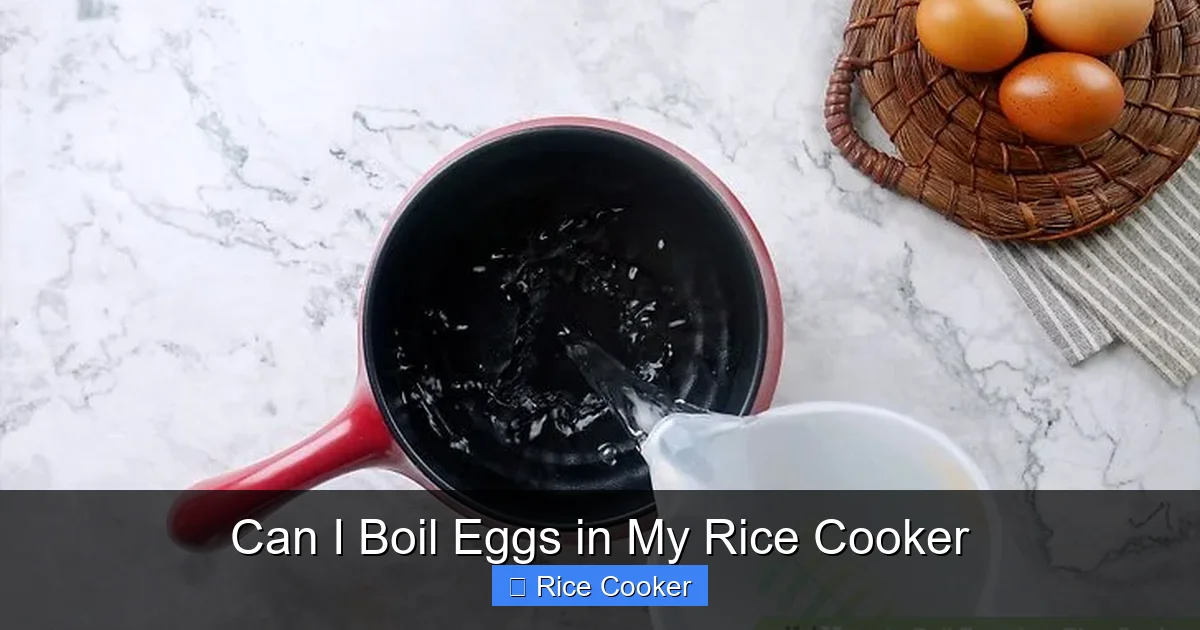
Fill the inner pot with about 1 to 1.5 inches of cold water. Too much water risks overflow, especially if you’re cooking multiple eggs. Too little, and the bottom eggs might not cook evenly. For six large eggs, 1 inch of water usually suffices.
If your rice cooker doesn’t have a built-in egg rack, place a small heat-safe bowl or ramekin upside down in the center. This creates a raised platform so eggs don’t sit directly on the bottom. Alternatively, you can use a steamer basket insert if available.
Add the Eggs
Gently place the eggs into the water using a spoon or tongs. Avoid dropping them directly—this prevents cracking. Space them out evenly so they don’t touch each other. If you’re cooking more than four eggs, consider doing two batches to ensure proper circulation of water around each egg.
Cook the Eggs
Close the lid and turn on the rice cooker. Most models will automatically switch to “warm” after cooking, but since eggs don’t need prolonged warming, you can unplug it once the cycle completes. For hard-boiled eggs, let them cook for 12–15 minutes. For soft-boiled eggs, aim for 6–8 minutes. Soft-boiled eggs are ideal for dipping toast in or enjoying with a sprinkle of salt and pepper.
Cool and Peel
Once done, immediately transfer the eggs to an ice bath using a slotted spoon. Let them sit for at least 5 minutes. This stops the cooking process and helps peel the shells more easily. Tap the eggs gently on a hard surface, roll them between your hands, and peel under running water for best results.
Pro tip: Add a teaspoon of vinegar to the water during cooking. It helps prevent air bubbles from forming under the shell, making peeling smoother.
Hard-Boiled vs. Soft-Boiled Eggs: How Long to Cook
Not all boiled eggs are created equal. The difference between hard-boiled and soft-boiled eggs comes down to cooking time and desired texture. Both methods work wonderfully in a rice cooker, so choose based on your mood or recipe needs.
Hard-Boiled Eggs (12–15 Minutes)
Hard-boiled eggs have firm whites and fully set yolks. They’re perfect for salads, snacks, or deviled eggs. To achieve this texture in your rice cooker, cook for 12 to 15 minutes depending on egg size. Larger eggs may need closer to 15 minutes, while smaller or medium eggs might be ready in 12.
After cooking, cool thoroughly before peeling. Hard-boiled eggs stored in the fridge keep well for up to one week.
Soft-Boiled Eggs (6–8 Minutes)
Soft-boiled eggs feature runny yolks and slightly tender whites. These are best served warm, usually with toast cut open and dipped into the yolk. In the rice cooker, cook for 6 to 8 minutes. Check at 6 minutes and continue in 30-second increments if needed.
Because soft-boiled eggs aren’t stored as long, enjoy them within a day or two. They’re a luxurious breakfast treat that feels indulgent but takes less than 10 minutes to prepare.
Adjusting Time Based on Altitude and Model
If you live at high altitude or have an older rice cooker model, cooking times may vary slightly. High altitudes mean lower boiling points, so water doesn’t get as hot. You may need to add 1–2 minutes to the cooking time. Newer rice cookers with precise temperature control tend to perform more consistently, but always err on the side of caution and check doneness.
To test doneness, gently shake the egg near your ear. If the yolk wobbles slightly, it’s done. If it moves freely, give it another minute.
Tips for Perfect Eggs Every Time
Even with the best tools, small details matter when boiling eggs. Here are some expert tips to help you nail the perfect batch every time.
Use Fresh Eggs
Fresh eggs have tighter membranes inside the shell, which makes peeling easier. Older eggs can be harder to peel because the air pocket grows larger, creating more space between the membrane and the shell. However, if you’re using older eggs anyway, the ice bath trick becomes even more important.
Don’t Skip the Ice Bath
This step is non-negotiable for soft-boiled eggs and highly recommended for hard-boiled ones. Without cooling, residual heat continues cooking the eggs, potentially overcooking the yolk. An ice bath also helps seal the shell, making it easier to remove.
Try Different Sizes
Rice cookers handle large, medium, and small eggs well—just adjust cooking time accordingly. Large eggs usually take 13–15 minutes for hard-boiled; mediums may need 12–13. Keep a mental note of what works for your setup.
Experiment with Additives
Adding a pinch of baking soda to the water can raise the pH level, helping peel eggs more easily. Some people swear by adding apple cider vinegar, which also aids in shell separation. While not essential, these tweaks can make a noticeable difference, especially with older eggs.
Avoid Overcrowding
Cooking too many eggs at once can reduce water circulation and lead to uneven cooking. Stick to four to six eggs per batch unless your rice cooker is large enough to accommodate more comfortably.
Clean Your Rice Cooker Promptly
Egg residue can stick to the non-stick coating if left too long. After each use, wipe the inside with warm, soapy water. Avoid abrasive scrubbers that could damage the surface.
Beyond Boiling: Other Egg Recipes You Can Make in a Rice Cooker
Your rice cooker isn’t limited to just boiling eggs. With a little creativity, you can whip up a variety of egg-based dishes—all using the same appliance.
Scrambled Eggs
Yes, really! Crack eggs into a bowl, whisk with milk or cream, salt, and pepper. Pour into the rice cooker pot (with no water), cover, and select the “steam” or “keep warm” setting. Stir occasionally with a spatula until fluffy. This method avoids sticking and yields creamy, restaurant-quality scrambled eggs.
Steamed Egg Custard
For a silky-smooth dessert or light breakfast, try steamed egg custard. Whisk together eggs, sugar, milk, and vanilla extract. Strain into ramekins, place in the rice cooker with 1 inch of simmering water, and steam for 20–25 minutes. The result? Silky, rich custard with no burnt edges.
Omelets and Frittatas
Line the rice cooker pot with parchment paper. Whisk eggs with cheese, vegetables, and herbs. Pour in, cover, and cook on low heat (use the “warm” setting and monitor closely). Flip halfway through for an even bake. It’s a foolproof way to make fluffy omelettes without flipping skills.
Poached Eggs (Indirect Method)
While true poaching requires simmering water, you can simulate the effect in a rice cooker. Place a heat-safe bowl in the pot with simmering water. Crack eggs directly into the bowl and cover. Steam for 6–7 minutes for runny yolks. The gentle heat mimics the poaching environment without splashing.
Common Mistakes to Avoid
Even experienced cooks make mistakes. Here’s how to sidestep the most common pitfalls when boiling eggs in your rice cooker.
Using Cold Eggs Directly From the Fridge
As mentioned earlier, cold eggs can crack when introduced to hot water. Always bring them to room temperature first. This simple step prevents breakage and ensures even cooking.
Skipping the Cooling Step
Leaving eggs in the rice cooker after cooking allows residual heat to overcook them. Always transfer to an ice bath immediately. This also makes peeling much easier.
Overfilling With Water
Too much water increases cooking time and risks overflow. Stick to 1–1.5 inches for most rice cooker sizes. If you’re unsure, start with less and add more if needed.
Not Checking Doneness
Timing isn’t everything. Eggs can vary slightly in density and size. Always check doneness by gently tapping the egg against a surface. If the yolk wobbles, it’s done. If it jiggles freely, give it another minute.
Using Damaged or Cracked Shells
Cracked eggs can leak albumin into the water, affecting texture and cleanliness. Inspect eggs before placing them in the cooker. Discard any with visible cracks.
Neglecting to Clean the Pot
Egg proteins can bond with the non-stick coating over time. Clean your rice cooker after each use with mild detergent and a soft sponge. Avoid metal utensils that could scratch the surface.
Frequently Asked Questions
Can I boil eggs in any type of rice cooker?
Yes, most standard rice cookers work fine for boiling eggs. Just make sure your model has a non-stick inner pot and can hold at least 1 inch of water. Basic “cook” or “white rice” functions are sufficient—no special settings needed.
Visual guide about Can I Boil Eggs in My Rice Cooker
Image source: wikihow.com
Do I need to add anything to the water besides eggs?
Water alone works perfectly. However, adding a teaspoon of vinegar or a pinch of baking soda can help with peeling and improve texture. These are optional but can enhance your results.
Can I cook more than six eggs at once?
It depends on your rice cooker size. Larger models may accommodate eight eggs, but overcrowding leads to uneven cooking. For best results, stick to four to six eggs per batch.
What if my rice cooker has a “keep warm” function—should I use it?
No. Once the eggs are cooked, remove them immediately. The “keep warm” setting is meant for food you’re serving right away, not for letting eggs sit and overcook.
Are eggs cooked in a rice cooker safe to eat?
Absolutely. As long as you follow proper hygiene—using clean eggs, clean water, and a clean rice cooker—the eggs are completely safe. Just avoid using cracked or old eggs.
Can I reuse the water after boiling eggs?
It’s not recommended. The water absorbs proteins and odors from the eggs, which can affect future rice or other grains. Always discard used water and rinse the pot thoroughly before next use.
Frequently Asked Questions
Can I boil eggs in any type of rice cooker?
Yes, most standard rice cookers work fine for boiling eggs. Just make sure your model has a non-stick inner pot and can hold at least 1 inch of water. Basic “cook” or “white rice” functions are sufficient—no special settings needed.
Do I need to add anything to the water besides eggs?
Water alone works perfectly. However, adding a teaspoon of vinegar or a pinch of baking soda can help with peeling and improve texture. These are optional but can enhance your results.
Can I cook more than six eggs at once?
It depends on your rice cooker size. Larger models may accommodate eight eggs, but overcrowding leads to uneven cooking. For best results, stick to four to six eggs per batch.
What if my rice cooker has a “keep warm” function—should I use it?
No. Once the eggs are cooked, remove them immediately. The “keep warm” setting is meant for food you’re serving right away, not for letting eggs sit and overcook.
Are eggs cooked in a rice cooker safe to eat?
Absolutely. As long as you follow proper hygiene—using clean eggs, clean water, and a clean rice cooker—the eggs are completely safe. Just avoid using cracked or old eggs.
Can I reuse the water after boiling eggs?
It’s not recommended. The water absorbs proteins and odors from the eggs, which can affect future rice or other grains. Always discard used water and rinse the pot thoroughly before next use.