
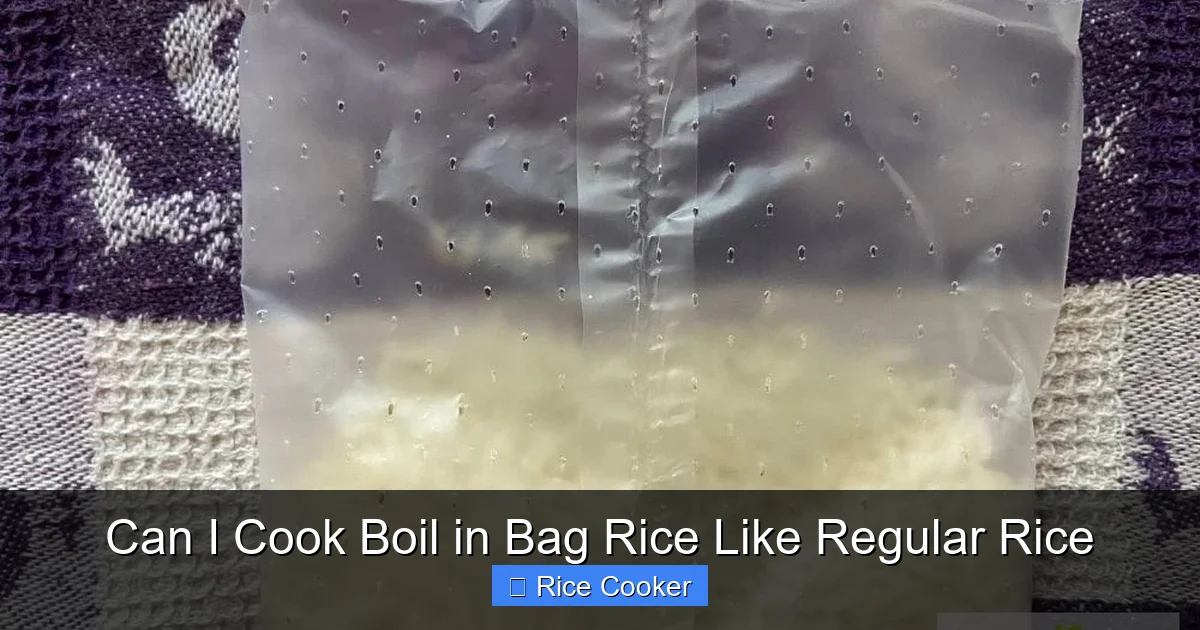
Boil-in-bag rice offers the same great taste and texture as traditional boiled rice but with less mess and effort. Simply place the sealed pouch in boiling water for a hands-off cooking experience. Whether you’re meal prepping or feeding a crowd, this method works just as well as the stovetop version.
Key Takeaways
- Same Taste & Texture: Boil-in-bag rice cooks to the same consistency and flavor as regular boiled rice when prepared correctly.
- Time-Saving: Skip the pot and lid—just drop the bag into boiling water and wait.
- Less Cleanup: No pots, pans, or washing required after cooking.
- Portion Control: Individual bags make it easy to control serving sizes.
- Safe & Convenient: Designed with food-safe materials that withstand high heat without leaking.
- Works with Most Rice Types: White, brown, jasmine, basmati, and even instant varieties all work well.
- Great for Meal Prep: Cook large batches ahead of time and reheat quickly.
📑 Table of Contents
- Can I Cook Boil in Bag Rice Like Regular Rice?
- What Is Boil-In-Bag Rice?
- Is Boil-In-Bag Rice As Good As Regular Boiled Rice?
- Step-by-Step Guide: How to Cook Boil-In-Bag Rice Like Regular Rice
- Tips for Best Results
- Pros and Cons of Boil-In-Bag Rice
- Can You Use Boil-In-Bag Rice in Recipes That Call for Regular Rice?
- Are There Health Benefits to Boil-In-Bag Rice?
- Frequently Asked Questions About Boil-In-Bag Rice
- Final Thoughts
Can I Cook Boil in Bag Rice Like Regular Rice?
If you’ve ever looked at a package of “boil-in-bag” rice and wondered whether it’s just a marketing trick or if it actually delivers what it promises, you’re not alone. With so many convenience foods on the market, it’s natural to ask: Will this save me time without sacrificing quality?
The short answer is yes—you absolutely can cook boil-in-bag rice like regular rice. In fact, for many people, it’s become a preferred method because of its simplicity and minimal cleanup. But before we dive into the details, let’s clarify what “boil-in-bag” really means and why it’s gained such popularity in recent years.
Unlike microwaveable rice packets that require a special container and specific instructions, boil-in-bag rice uses a sealed pouch made from food-grade materials that can safely withstand boiling temperatures. These pouches are designed so that you submerge them directly in boiling water—no straining, no stirring, and no risk of burning. The result? Perfectly cooked, fluffy (or firm, depending on preference) grains every time.
What Is Boil-In-Bag Rice?
Boil-in-bag rice refers to a type of packaged rice product where the rice has been precooked or seasoned and sealed inside a heat-resistant bag. Unlike raw rice that you typically rinse and boil yourself, these pouches often contain partially cooked or parboiled rice that only needs additional heating to reach full doneness.
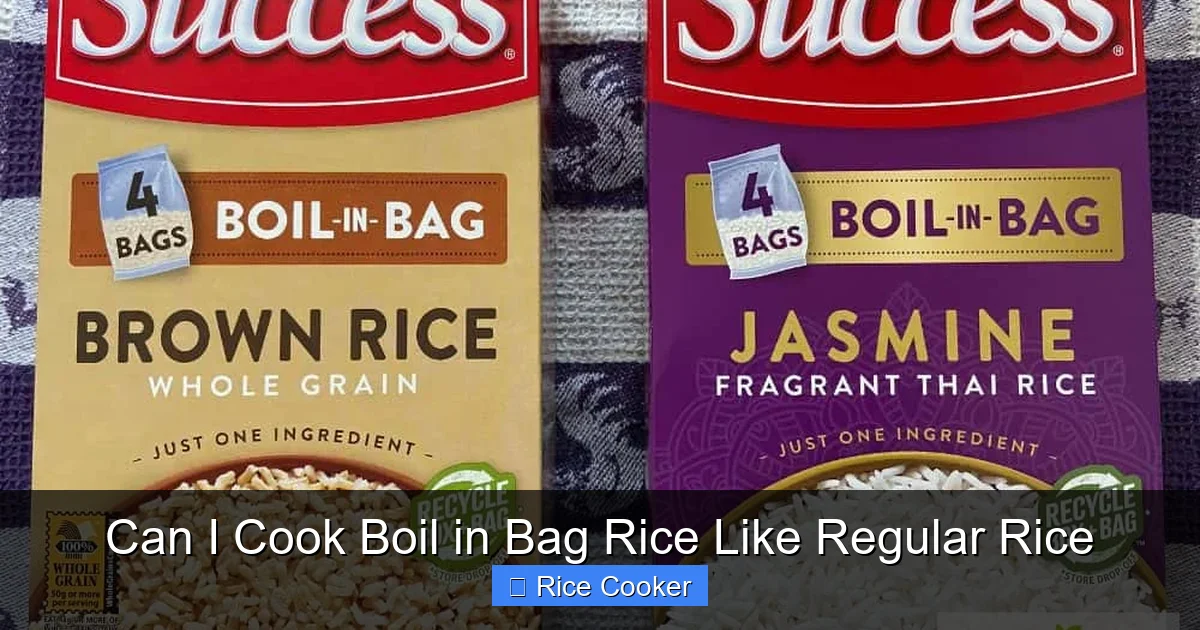
Visual guide about Can I Cook Boil in Bag Rice Like Regular Rice
Image source: stretchrecipes.com
How Does It Work?
The magic happens thanks to modern food science and packaging technology. Most boil-in-bag products use a process called parboiling, where the rice is steamed under pressure before being dried and sealed. This not only shortens cooking time but also helps retain nutrients and improves texture.
When you place the bag into boiling water, the residual moisture inside continues to cook the rice evenly. The sealed environment traps steam, ensuring consistent heat distribution without any risk of burning or drying out. Some brands even add flavors—like garlic, herbs, or spices—directly into the pouch for extra flavor without needing oil or seasoning later.
Common Types of Boil-In-Bag Rice
- White Rice: The most common variety; ideal for dishes like stir-fries, fried rice, or side servings.
- Brown Rice: Higher in fiber and nutrients but takes slightly longer to cook due to its bran layer.
- Jasmine & Basmati: Long-grain varieties popular in Southeast Asian cuisine; aromatic and light.
- Instant/Quick-Cook: Pre-cooked and dehydrated rice that rehydrates quickly—great for emergencies.
- Flavored Varieties: Some brands infuse the rice with ingredients like turmeric, cumin, or coconut milk for added taste.
Is Boil-In-Bag Rice As Good As Regular Boiled Rice?
This is where things get interesting. Many home cooks worry that convenience comes at the cost of quality. After all, how can a sealed bag possibly match the control you have over salt, water ratio, and cooking time when boiling rice traditionally?
The truth is, when prepared correctly, boil-in-bag rice holds up remarkably well—both in texture and taste. Here’s why:
Texture Comparison
Regular boiled rice requires attention: measuring water precisely, bringing it to a boil, then reducing to simmer, and covering tightly. Any lapse in timing can lead to mushy or dry rice. Boil-in-bag rice eliminates guesswork. Because the pouch controls moisture and steam internally, you rarely end up with overcooked or undercooked grains.
That said, personal preference plays a role. If you enjoy slightly firmer grains or want to adjust doneness manually (by adding more or less water), traditional methods give you that flexibility. But for most people, especially those short on time, the difference is negligible—and sometimes even preferable due to consistency.
Flavor Considerations
One potential downside is flavor absorption. When boiling rice normally, you can toss in bay leaves, onion slices, or a pat of butter to infuse aroma. Boil-in-bag versions usually come pre-seasoned or plain, so you miss out on those enhancements unless you open the bag and finish the dish separately.
However, many premium brands now offer flavored options that deliver real depth—think smoked paprika in Spanish-style rice or lemon zest in Mediterranean blends. So while basic white rice won’t win awards for complexity, specialty versions can be surprisingly tasty.
Nutritional Value
Parboiling—the process used in most boil-in-bag products—helps preserve B vitamins and minerals better than fully processed white rice. Brown rice versions maintain their natural fiber content too. Just remember: portion size still matters. A single-serving bag might seem small, but calories add up fast.
Step-by-Step Guide: How to Cook Boil-In-Bag Rice Like Regular Rice
You’d think cooking boil-in-bag rice would be as simple as throwing it in water and waiting. But there are a few best practices to ensure success every time. Follow this foolproof method:
What You’ll Need
- 1 boil-in-bag rice pouch
- Large pot with lid
- Water (enough to cover the pouch by about 2 inches)
- Tongs or slotted spoon
- Paper towels (for draining excess steam)
Step 1: Bring Water to a Rolling Boil
Fill your pot with enough cold water to submerge the pouch completely—usually about 4–6 cups depending on size. Place it on medium-high heat and bring to a rolling boil. You should see big bubbles breaking the surface continuously.
Step 2: Submerge the Pouch Gently
Carefully lower the sealed rice bag into the boiling water using tongs or a spoon. Make sure it doesn’t touch the bottom of the pot to allow even heating. If the pouch floats, gently press it down with a clean kitchen towel or another utensil until fully underwater.
Step 3: Adjust Heat and Simmer
Once the water returns to a boil, reduce heat to low-medium so it maintains a gentle simmer—not a rolling boil. This prevents the bag from bouncing around or bursting. Cover the pot loosely with a lid but leave a small gap to vent excess steam.
Step 4: Cook According to Package Instructions
Most boil-in-bag rice takes between 10–18 minutes. Jasmine or basmati may need less time (~10 min), while brown rice often requires 15–18 minutes. Always check the label first—but here’s a general rule:
- White rice: 12–15 minutes
- Brown rice: 16–18 minutes
- Instant rice: 5–7 minutes
Step 5: Test for Doneness
After the timer goes off, carefully remove the pouch with tongs and unzip it slightly to release steam. Open and fluff the rice with a fork. It should be tender with no hard kernels. If still firm, return to boiling water for another 2–3 minutes and test again.
Step 6: Drain Excess Moisture (Optional)
Some recipes call for drained rice (like fried rice). In that case, transfer the cooked rice to a colander and rinse briefly under cool running water to stop the cooking process. Pat dry with paper towels before mixing.
Tips for Best Results
Even with perfect technique, small tweaks can elevate your boil-in-bag rice from good to great. Try these pro tips:
Use Fresh Water Every Time
Never reuse leftover cooking water—it can affect flavor and texture. Always start with fresh, cold water each time you cook.
Don’t Overfill Your Pot
Too much water increases cooking time unnecessarily. Stick to the minimum amount needed to fully submerge the pouch plus 2 inches for safety.
Let It Rest After Cooking
Just like regular rice, letting boil-in-bag rice sit for 2–3 minutes after cooking allows residual heat to finish the process gently. Fluff before serving.
Store Leftovers Properly
Refrigerate in an airtight container for up to 4 days. Reheat in a skillet with a splash of water or steam in the microwave with a damp paper towel.
Experiment with Add-ins
While the pouch is sealed, you can’t add seasonings mid-cook. But once opened, feel free to mix in butter, soy sauce, chives, or sautéed vegetables for extra flavor.
Pros and Cons of Boil-In-Bag Rice
Like any food product, boil-in-bag rice has advantages and drawbacks. Understanding both sides helps you decide when it’s right for your lifestyle.
Advantages
- Ultra-Convenient: Ideal for busy weeknights, camping trips, or dorm rooms with limited kitchen access.
- Minimal Cleanup: Only one pot to wash instead of multiple utensils and bowls.
- Precise Portions: Great for controlling calorie intake or avoiding waste.
- Consistent Results: Less room for human error compared to traditional boiling.
- Long Shelf Life: Stored unopened, they last months—perfect for emergency kits or pantry staples.
Disadvantages
- Limited Customization: Can’t adjust salt, water, or aromatics during cooking.
- Plastic Packaging Concerns: While safe, some eco-conscious consumers prefer reusable containers.
- Higher Cost Per Serving: Often more expensive than buying bulk rice and cooking it yourself.
- Not Suitable for Large Batches: Designed for individual or small-group meals.
Can You Use Boil-In-Bag Rice in Recipes That Call for Regular Rice?
Absolutely! In fact, many chefs and home cooks use boil-in-bag rice interchangeably with traditional boiled rice in recipes like:
- Fried rice
- Risotto
- Casseroles
- Meal prep bowls
- Stuffed peppers or bellies
Just keep in mind that since the rice is already cooked, you may need to adjust liquid ratios in recipes that require absorbing broth or sauce. For example, risotto usually needs constant stirring and gradual liquid addition—something impossible with a sealed pouch. But for one-pot dishes like paella or biryani, pre-cooked rice works beautifully.
Are There Health Benefits to Boil-In-Bag Rice?
Health-conscious eaters will appreciate that most boil-in-bag rice undergoes minimal processing. Parboiling, in particular, helps retain more of the grain’s natural nutrients. Studies suggest that parboiled rice contains higher levels of vitamin B3 and antioxidants compared to fully milled white rice.
Brown rice versions offer even more benefits—fiber, magnesium, and essential fatty acids—making them a smart choice for balanced diets. However, always read labels. Some flavored varieties include added sodium, preservatives, or artificial ingredients. Opt for plain or naturally flavored options whenever possible.
Frequently Asked Questions About Boil-In-Bag Rice
Is boil-in-bag rice safe to eat?
Yes, it’s completely safe. The pouches are made from food-grade materials tested to withstand boiling temperatures without leaching harmful substances. Always follow package instructions and inspect the bag for damage before cooking.
Does boil-in-bag rice taste different from regular rice?
It depends on the brand and type. Plain versions taste nearly identical, but some lack the subtle aroma you get from traditional boiling. Flavored varieties, however, can be quite delicious and complex.
Can I cook boil-in-bag rice in a rice cooker?
Generally no—most rice cookers aren’t designed to handle sealed plastic pouches. Plus, the pouch could block steam vents or melt. Stick to boiling water for best results.
How long does boil-in-bag rice last after opening?
Once opened, the rice should be eaten within 1–2 hours if left at room temperature. Refrigerate promptly and consume within 4 days for optimal freshness.
Can I freeze boil-in-bag rice?
Yes! Cooked rice freezes well for up to 3 months. Thaw overnight in the fridge and reheat gently on the stove or in the microwave.
Why is my boil-in-bag rice mushy?
This usually happens if the pouch was left in boiling water too long or if the water wasn’t properly reduced to a simmer. Always follow timing guidelines and avoid vigorous boiling after adding the pouch.
Final Thoughts
So, can you cook boil-in-bag rice like regular rice? Without a doubt—yes. It’s not just a gimmick; it’s a practical solution for anyone looking to simplify meal prep without compromising on quality. Whether you’re a student, a parent juggling dinner after soccer practice, or someone who just hates washing dishes, this method checks all the boxes.
The key is understanding how it works and respecting its design. Treat it like a shortcut, not a miracle worker—and you’ll find yourself reaching for those little pouches more often than you expected. And hey, if you try one and love it, maybe share the joy with friends or family who could use a little convenience in their lives too.
Next time you’re standing in the grocery aisle staring at the rice aisle, consider giving boil-in-bag rice a shot. You might just discover your new favorite way to get perfectly cooked grains—effortlessly.
Frequently Asked Questions
Is boil-in-bag rice safe to eat?
Yes, it’s completely safe. The pouches are made from food-grade materials tested to withstand boiling temperatures without leaching harmful substances. Always follow package instructions and inspect the bag for damage before cooking.
Does boil-in-bag rice taste different from regular rice?
It depends on the brand and type. Plain versions taste nearly identical, but some lack the subtle aroma you get from traditional boiling. Flavored varieties, however, can be quite delicious and complex.
Can I cook boil-in-bag rice in a rice cooker?
Generally no—most rice cookers aren’t designed to handle sealed plastic pouches. Plus, the pouch could block steam vents or melt. Stick to boiling water for best results.
How long does boil-in-bag rice last after opening?
Once opened, the rice should be eaten within 1–2 hours if left at room temperature. Refrigerate promptly and consume within 4 days for optimal freshness.
Can I freeze boil-in-bag rice?
Yes! Cooked rice freezes well for up to 3 months. Thaw overnight in the fridge and reheat gently on the stove or in the microwave.
Why is my boil-in-bag rice mushy?
This usually happens if the pouch was left in boiling water too long or if the water wasn’t properly reduced to a simmer. Always follow timing guidelines and avoid vigorous boiling after adding the pouch.