
Yes, you can absolutely cook brown and white rice together, but it requires a little planning to ensure both grains cook evenly. While they have different water needs and cooking times, using the right method—like adjusting ratios or soaking brown rice—can yield delicious, nutritious results.
Key Takeaways
- Cooking brown and white rice together is possible with proper technique, though they cook at different rates.
- Adjust water ratios and cooking time to prevent undercooked brown rice or mushy white rice.
- Soaking brown rice beforehand reduces cooking time and improves texture when mixed with white rice.
- Use a rice cooker with multiple settings (like pressure or delay) for better control over the process.
- Seasoning and layering can enhance flavor and presentation when combining the two grains.
- Experiment with proportions—a 1:1 ratio often works well, but adjust based on personal preference.
- Clean your rice cooker thoroughly after mixing grains to avoid residue buildup.
Key Takeaways
- Understanding can i cook brown and white rice together: Provides essential knowledge
📑 Table of Contents
- Can I Cook Brown and White Rice Together?
- The Science Behind Brown and White Rice
- How to Cook Brown and White Rice Together: Step-by-Step Guide
- Common Mistakes and How to Avoid Them
- Alternative Methods: Cooking Separately vs. Together
- Tips for Perfect Mixed Rice Every Time
- Health Benefits of Combining Brown and White Rice
- Creative Ways to Serve Mixed Rice
- Final Thoughts: Is It Worth It?
Can I Cook Brown and White Rice Together?
Have you ever wondered if you can cook brown and white rice together in your trusty rice cooker? The short answer is yes—but like many kitchen experiments, it’s not as simple as just tossing them into the pot. Brown and white rice are two very different grains with unique properties: one is whole grain and nutrient-dense, the other is refined and quicker to cook. Mixing them requires a bit of finesse, but the payoff can be a delicious, nutritious meal that balances texture and nutrition.
In this article, we’ll walk through everything you need to know about combining brown and white rice—from the science behind their differences to practical tips for achieving perfect results every time. Whether you’re meal prepping, feeding a family, or simply trying to stretch your ingredients further, learning how to cook these two grains together can open up new culinary possibilities.
The Science Behind Brown and White Rice
Before diving into the “how,” let’s talk about the “why.” Understanding the differences between brown and white rice is key to mastering the art of cooking them together.
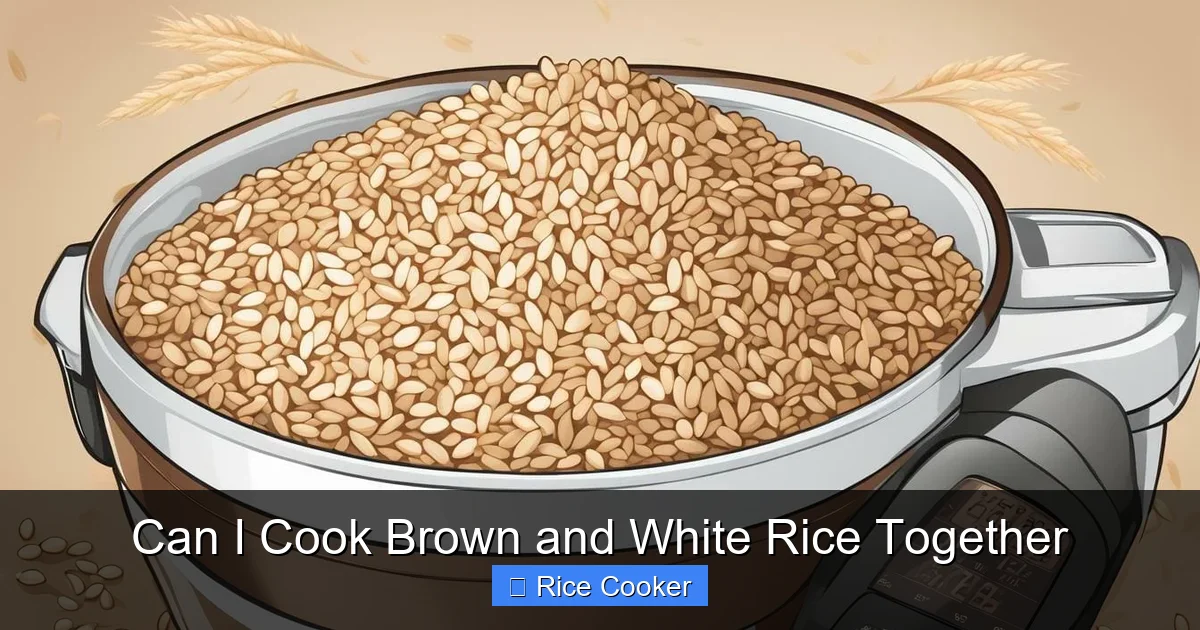
Visual guide about Can I Cook Brown and White Rice Together
Image source: ricearray.org
What Makes Them Different?
White rice has been processed to remove its bran and germ, which gives it a softer texture and faster cook time. Brown rice, on the other hand, retains those natural layers, making it chewier and richer in fiber, vitamins, and minerals. Because of this structural difference, brown rice typically needs more water and longer cooking time than white rice.
For example, white rice usually cooks in about 15–18 minutes, while brown rice can take 40–50 minutes—even in a high-end rice cooker. This mismatch means that simply setting both in the same pot without adjustments will likely result in either mushy white rice or undercooked brown rice.
Why Combine Them?
Despite the differences, many home cooks choose to mix brown and white rice for several reasons:
- Nutritional balance: You get the best of both worlds—fiber from brown rice and quicker digestion from white rice.
- Texture variation: The chewiness of brown rice adds interest without overwhelming the dish.
- Cost efficiency: Using less expensive brown rice alongside white rice helps stretch your budget.
- Meal prep flexibility: Mixed rice freezes well and reheats nicely, ideal for busy weeks.
How to Cook Brown and White Rice Together: Step-by-Step Guide
If you’re ready to give it a try, here’s a foolproof method that works for most standard rice cookers.
Step 1: Measure and Prepare the Rice
Start by measuring out equal parts brown and white rice—typically 1 cup of each. Rinse both types under cold water until the water runs clear. This removes excess starch and prevents clumping.
Now, here’s a crucial tip: soak the brown rice for 30 minutes to an hour. Soaking softens the grain and significantly reduces cooking time, helping it reach doneness closer to when the white rice finishes.
Step 2: Adjust Water Ratios
Standard white rice uses a 1:2 ratio (1 cup rice to 2 cups water). Brown rice usually needs 1:2.5 or even 1:3. But when combining them, aim for a middle ground—try using 2.25 cups of water per 1 cup of total rice (half brown, half white).
Example: For 1 cup brown + 1 cup white rice = 2 cups total → use 4.5 cups water.
Step 3: Add Seasonings (Optional)
Want extra flavor? Add a pinch of salt, a teaspoon of olive oil, or even a bay leaf before starting. Just be mindful that too much liquid or fat can affect texture.
Step 4: Cook and Monitor
Place the rinsed and soaked rice into your rice cooker. Turn it on and let it do its thing. Most rice cookers automatically switch to “warm” once done—but since brown rice takes longer, check around the 35-minute mark to see if it’s tender. If not, let it continue cooking on warm for another 5–10 minutes.
Pro tip: Open the lid slightly during the last few minutes to release steam and help dry out any excess moisture.
Common Mistakes and How to Avoid Them
Even experienced cooks make errors when mixing brown and white rice. Let’s go over the most common pitfalls—and how to fix them.
Mistake 1: Not Soaking Brown Rice
Skipping the soak leads to inconsistent texture. If you’re short on time, use quick-soak brown rice or opt for pre-cooked brown rice flakes.
Mistake 2: Using Too Much Water
Too much water makes both grains soggy. Stick to the adjusted ratio above, and drain off any leftover liquid if needed.
Mistake 3: Stirring Too Often
Rice should cook undisturbed. Stirring breaks down the structure and causes stickiness.
Mistake 4: Ignoring Your Rice Cooker Model
Not all rice cookers are created equal. Some have fuzzy logic sensors that adapt to rice type; others don’t. Read your manual! If yours doesn’t support mixed grains well, consider cooking them separately and combining afterward.
Alternative Methods: Cooking Separately vs. Together
While cooking together is convenient, sometimes doing it separately yields better results.
Cooking Separately: Pros and Cons
Pros:
- Each grain reaches optimal texture.
- Easier to season individually (e.g., add herbs to brown rice only).
- Less risk of cross-contamination (important for sensitive eaters).
Cons:
- More dishes to clean.
- Requires more attention and timing.
Combining After Cooking
This hybrid approach is great for meal prep. Cook white rice first (since it’s faster), then cook brown rice in a separate pot or steamer. Once both are done, gently fold them together with a fork and serve.
Tips for Perfect Mixed Rice Every Time
Want consistent success? Try these pro tips.
Tip 1: Use a Timer
Set a timer for brown rice cooking time (e.g., 45 minutes). When it rings, check the white rice. If still soft, remove it and keep brown rice warming until ready.
Tip 2: Layer the Rice
Place white rice at the bottom, then top with brown rice. This helps the faster-cooking grain stay protected during the extended brown rice phase.
Tip 3: Add Flavor Gradually
Instead of salting the entire batch, season just one type. For instance, lightly salt the white rice for a milder taste, while adding garlic powder or turmeric to the brown rice for boldness.
Tip 4: Try Different Proportions
Experiment! Try 70% white / 30% brown for creaminess, or 60% brown / 40% white for more fiber. Keep notes so you can replicate your favorite blend.
Tip 5: Store Leftovers Properly
Let cooled mixed rice sit uncovered for 10 minutes to harden slightly. Then store in airtight containers. Reheat with a splash of water to restore moisture.
Health Benefits of Combining Brown and White Rice
Beyond taste, mixing these grains boosts your nutritional intake.
Fiber Content
Brown rice provides about 3.5 grams of fiber per cup—nearly double that of white rice. Even in small amounts, adding brown rice increases satiety and supports gut health.
Vitamins and Minerals
Brown rice contains B vitamins, magnesium, and zinc—nutrients often stripped during white rice processing. A balanced mix ensures you’re getting a broader spectrum of essential micronutrients.
Glycemic Index Balance
White rice has a higher glycemic index, causing rapid blood sugar spikes. Adding brown rice slows digestion, offering a more stable energy release—great for diabetics and athletes alike.
Creative Ways to Serve Mixed Rice
Once your rice is perfectly cooked, the fun begins!
Fried Rice Variations
Sauté diced veggies, scrambled eggs, and soy sauce in a pan. Push ingredients aside, scramble eggs, then stir in the cooled mixed rice. Finish with green onions and sesame seeds.
Stuffed Peppers or Veggies
Fill bell peppers or zucchini halves with seasoned mixed rice, bake at 375°F (190°C) for 25–30 minutes, and top with cheese.
Bowls and Salads
Serve warm mixed rice over greens with grilled chicken, avocado, and lime dressing. Or make a cold salad with chickpeas, cilantro, and lemon vinaigrette.
Risotto-Like Dishes
Slow-cook mixed rice with broth, mushrooms, and Parmesan for a creamy, comforting side dish.
Final Thoughts: Is It Worth It?
Cooking brown and white rice together isn’t always foolproof—but with the right techniques, it’s absolutely achievable. The key lies in understanding their differences, adjusting water and time accordingly, and being patient. Yes, there may be a learning curve, but the benefits—nutritional balance, cost savings, and culinary flexibility—make it worthwhile.
Whether you’re feeding a crowd, saving money, or just want variety in your meals, mastering mixed rice opens up a world of possibilities. And who knows? You might discover your new favorite grain combo.
So go ahead—grab that bowl of brown rice, toss in some white rice, and let your rice cooker work its magic. With practice, you’ll be serving up restaurant-quality meals from your own kitchen.
Frequently Asked Questions
Can I cook brown and white rice together in a regular pot?
Yes, but you’ll need to monitor closely since stovetop cooking lacks automatic shut-off. Use the same water ratio and soak brown rice beforehand to improve results.
How much longer does brown rice take than white rice?
Brown rice typically takes 2–2.5 times longer—about 40–50 minutes versus 15–18 minutes for white rice in a rice cooker.
Will my rice cooker handle mixed grains?
Most modern rice cookers can manage mixed grains, especially models with fuzzy logic sensors. Older or basic models may struggle—check your manual first.
Can I substitute instant brown rice for regular brown rice?
Absolutely! Instant brown rice cooks faster and reduces the need for soaking. Follow package instructions for water ratios.
Does cooking mixed rice affect nutritional value?
No—cooking methods don’t destroy nutrients significantly. The benefit comes from including both grains, not how they’re cooked together.
How do I reheat leftover mixed rice?
Microwave with a damp paper towel or add a splash of water while heating to restore softness. Stir halfway through for even warmth.